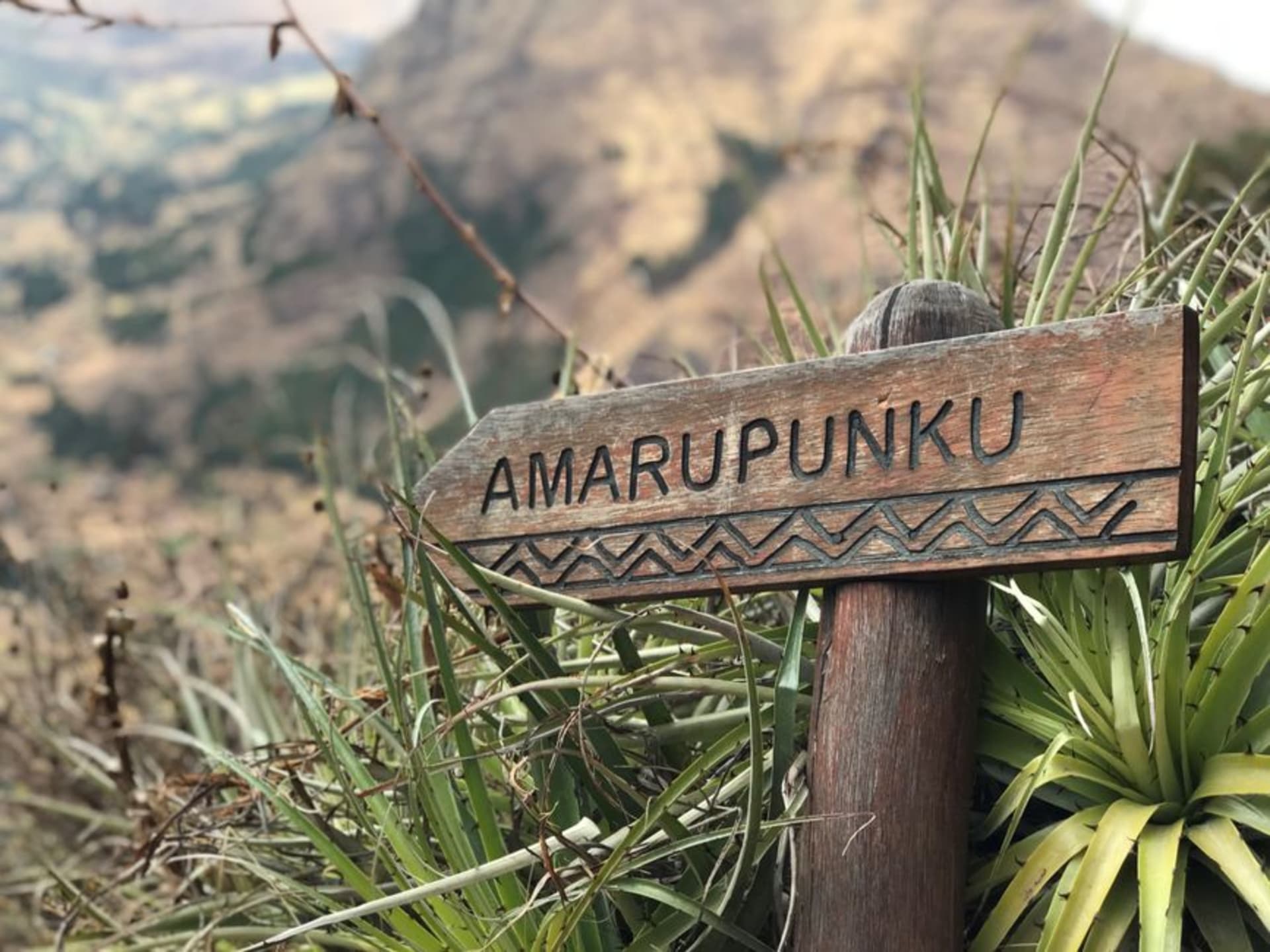
The last village before the climb to Dead Woman's Pass, where farm smoke and llama pastures mark the true start of the Inca Trail.
We reached Huayllabamba on the first afternoon of the four-day Inca Trail, legs still fresh, packs still feeling light, and Lia already teasing me for how many times I’d stopped to photograph the Cusichaca river cutting through the valley below. Our guide, Wilber, pointed out where it meets the Urubamba just downstream and told us, almost offhandedly, that this was the last place trekkers would see a vehicle for three days. After that, everything moves on foot or by mule. It’s a strange thing to register in the moment — the last dirt road, the last easy exit — but it gave the campsite a weight that stuck with me long after we’d pitched our tents.
Huayllabamba means “grassy plain” in Quechua, and even now, with trekking groups passing through daily, it still functions as a real farming village first. Families here have grazed llamas and alpacas on these pastures for generations, and that evening we watched a woman herd a small group of them past our camp toward a stone corral, completely unbothered by the line of colorful tents suddenly filling her village’s edge. I ate a plate of quinoa soup that our porters had somehow conjured out of a single gas burner, and I remember thinking it tasted better than anything I’d had in Cusco.
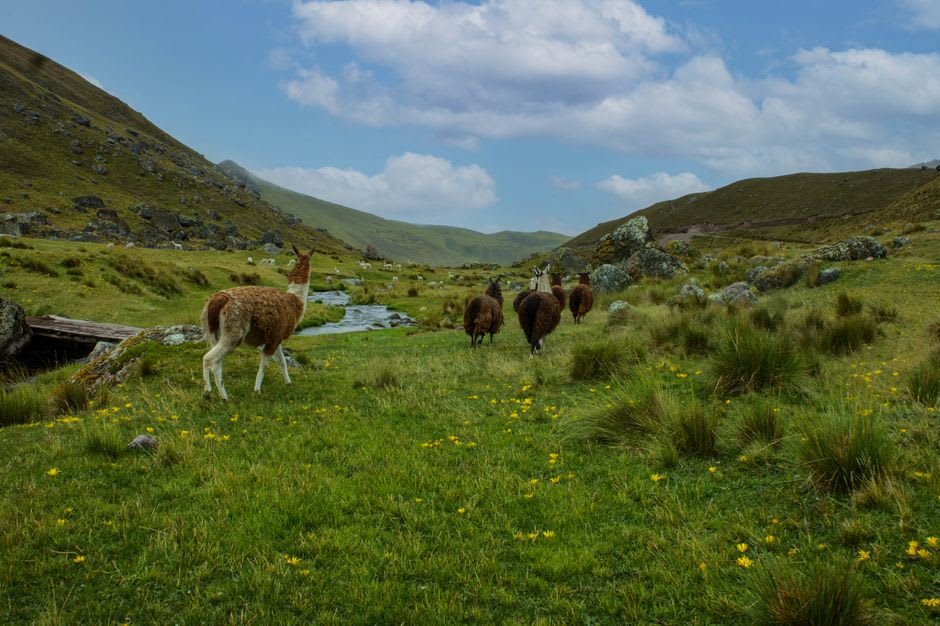
At 2,900 meters, Huayllabamba sits at the mouth of the Patacancha watershed, tucked into a side valley that climbs steeply toward Ollantaytambo behind you and, ahead, toward Warmiwañusca — Dead Woman’s Pass — the trail’s highest and most feared point at 4,215 meters. Lia and I sat outside our tent that night studying the ridgeline we’d be climbing at dawn, half-terrified, half-thrilled, drinking coca tea that one of the porters brewed for altitude. Somebody in our group joked that this was the last “easy” sleep any of us would get for two days, and honestly, they weren’t wrong.
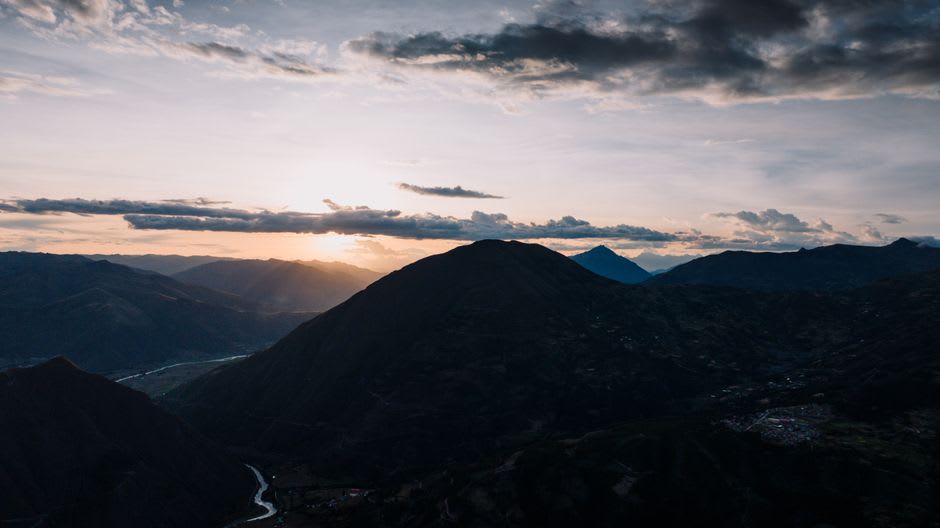
What stayed with me most, though, wasn’t the anticipation of the pass — it was how ordinary the village felt despite sitting at the hinge point of one of the most famous treks in the world. Kids kicked a half-flat soccer ball near the trail junction, dogs slept in doorways, and nobody seemed to notice the exhausted foreigners eating dinner at 6pm like it was midnight. That contrast, between the quiet rhythm of Quechua farm life and the nervous energy of trekkers about to face Dead Woman’s Pass, is what makes Huayllabamba more than just a campsite to me.
When to go: Stick to the dry season, from May to September, when the trail toward Warmiwañusca is at its safest and the river crossings near Huayllabamba stay manageable — outside those months, permits are limited anyway and the climb ahead gets considerably harder.