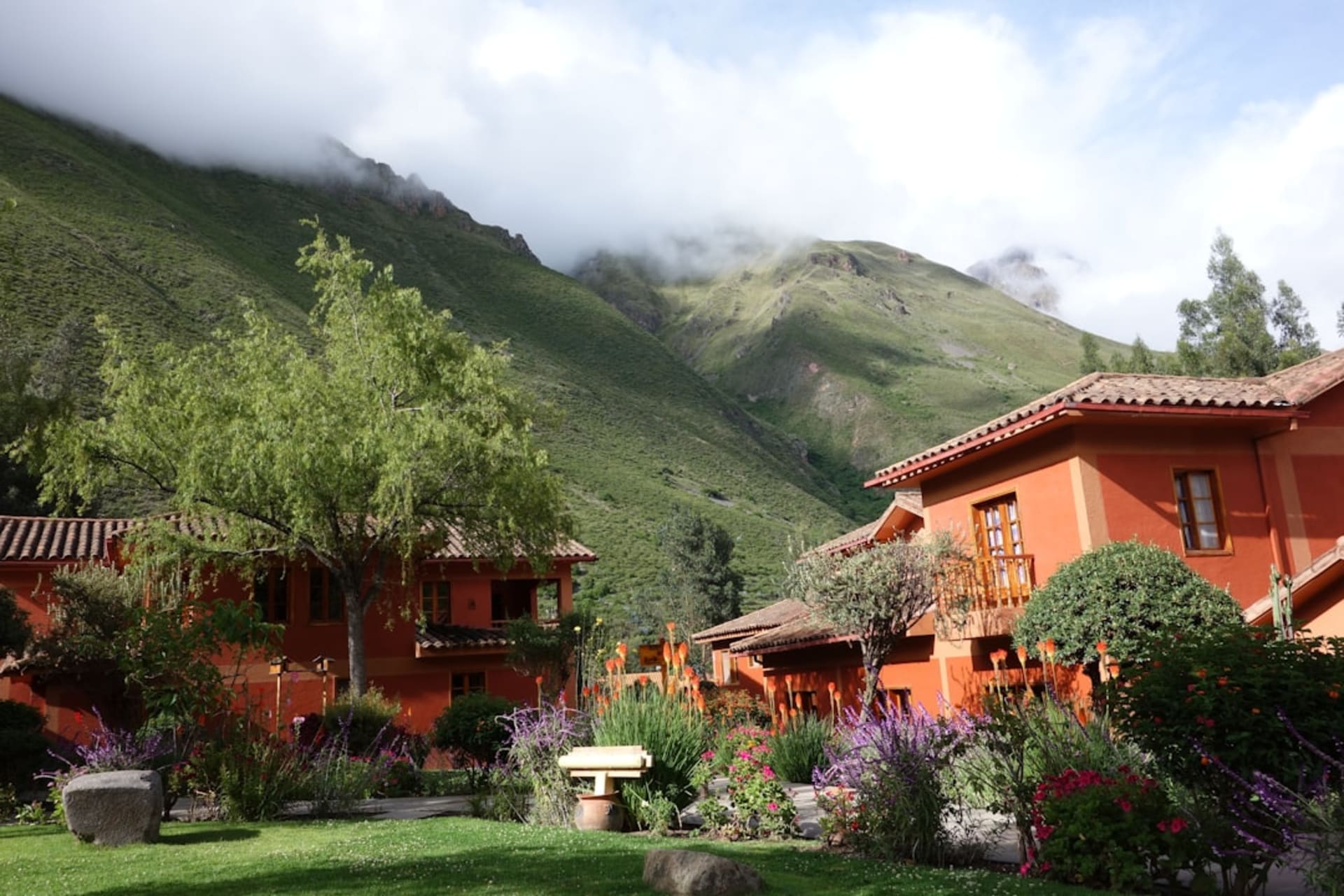
Calca
"Nobody in Calca is waiting to be photographed, which is exactly why I wanted to stay."
An unhurried market town in the valley's heart where locals trade and eat in a language no tourist circuit has properly translated.

I came to Calca because someone in Urubamba had mentioned a good cheese, and I found the cheese and stayed three hours longer than I’d planned. Calca sits in the middle of the valley, about 30 kilometres east of Cusco, and it has the feeling of a town that serves its own population first and acknowledges tourism as an afterthought. The market — a proper, daily, covered one, not curated for visitors — runs with the noise and density of something that actually matters to the people using it.
The covered section smells of raw meat, damp stone, dried herbs I couldn’t identify, and the strong tea called mate de coca that vendors press into your hands if you stop long enough to make eye contact. Outside, on the streets surrounding the market, the trade spills over: women with bundles of dried herbs, men with sacks of grain, a row of bicycle repair stands where two mechanics were simultaneously working on four different bikes while conducting a conversation across the street at full volume. I walked through it all slowly, buying nothing for the first hour, just trying to understand the grammar of the place.

The cheese, when I found it, came from a cooperative run by dairy farming communities in the hills above the valley. It was a fresh white cheese, dense and slightly sour, sold in rounds wrapped in a large leaf. The vendor — a woman whose Spanish was careful and deliberate in the way people speak when they know it is not your first language either — explained the leaf by demonstrating: it kept the cheese at the right humidity. She also had a dried, harder version that she aged for several weeks and which tasted of grass and altitude in a way that made it difficult to stop eating. I bought both and ate them with bread from the bakery two streets over, sitting on a curb in the market district like someone with nowhere to be.

There are thermal springs at Machacancha, a few kilometres above Calca toward the peaks to the north, that function as a local swimming facility more than a spa attraction — cement pools, families on weekends, steam mixing with cold air off the mountains in a way that makes the water feel more earned than pampered. The walk up passes through steep agricultural terracing, and the thermal water, when you finally reach it, is hot enough that entry requires a genuine commitment.
When to go: Calca is a year-round working town with no specific tourist season. The market is most active Monday through Saturday morning; Sundays are quieter. The thermal springs at Machacancha are most atmospheric in dry season (May–October), when the surrounding hillsides are gold rather than sodden green and the paths hold their shape.
Keep exploring
More from Sacred Valley
 sacred-valley
 Chinchero
A highland weaving town where pre-Inca textile knowledge lives in women's hands and a colonial church sits directly on Inca walls.
Explore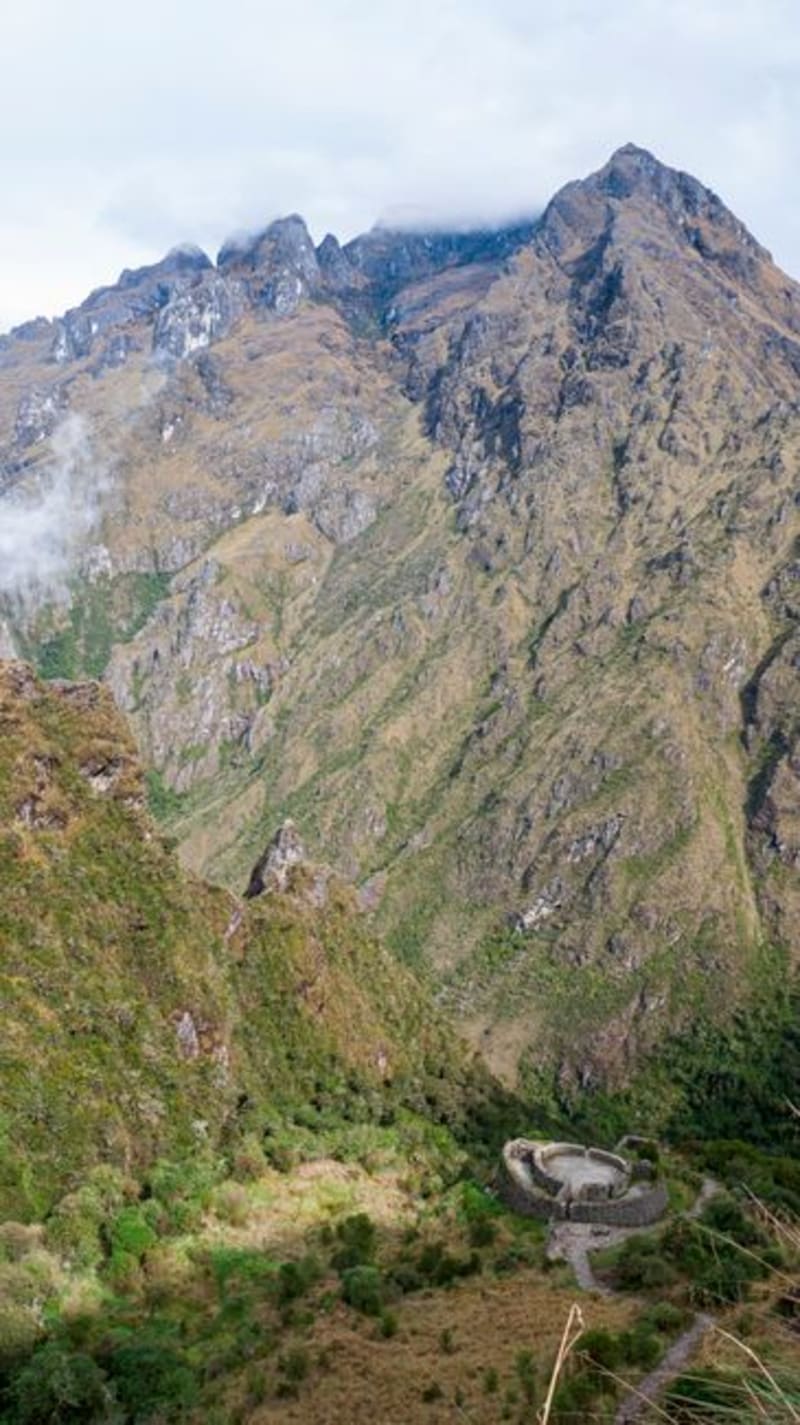 sacred-valley
 Huayllabamba
The last village before the climb to Dead Woman's Pass, where farm smoke and llama pastures mark the true start of the Inca Trail.
Explore sacred-valley
 Huaypo Lagoon
A mountain lake on the Chinchero plateau that reflects the sky so precisely it becomes impossible to tell where altitude ends and water begins.
Explore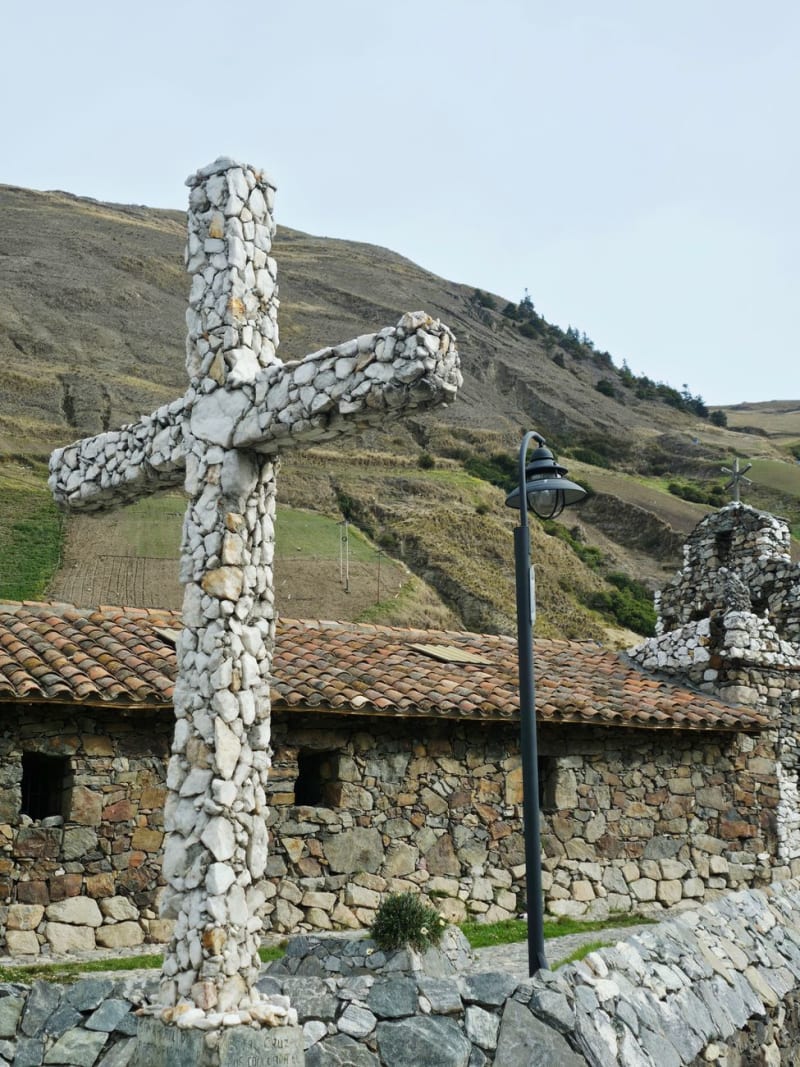 sacred-valley
 Huchuy Qosqo
An Inca royal estate perched on a terrace high above the valley floor, reachable only on foot, and almost always empty of everyone but the people who live below it.
Explore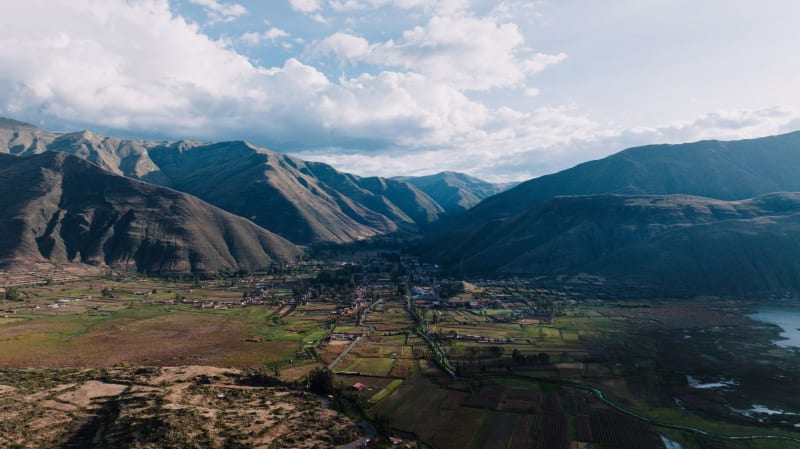 sacred-valley
 Lamay
A small valley village where thermal pools above the eucalyptus line mark the border between exertion and the particular relief of stopping.
Explore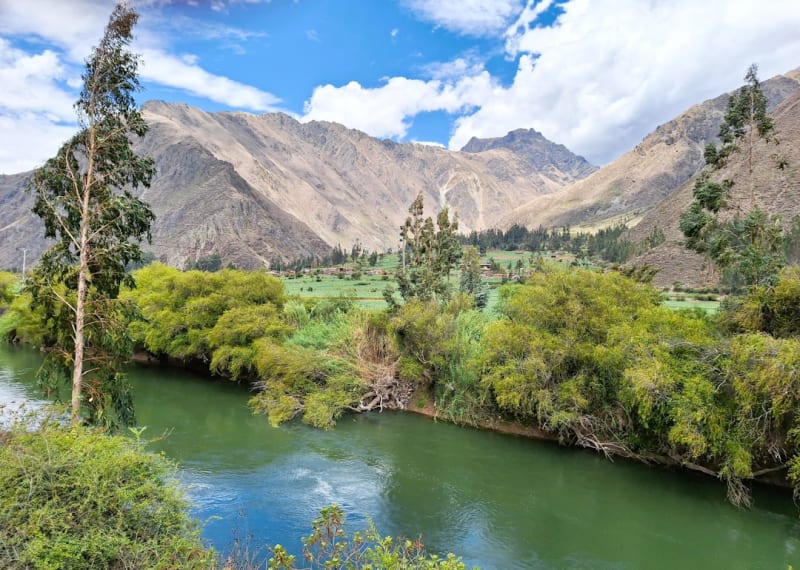 sacred-valley
 Maras Salt Terraces
Three thousand salt pools carved into a hillside since before the Inca, each one a slightly different shade of white, amber, or pink depending on the hour.
Explore