Nyanza (King's Palace Museum)
"I came for a museum and left having made eye contact with a cow that seemed to know more history than I did."
Where Rwanda's kings once ruled from a hilltop, and long-horned royal cattle still answer to praise poems.
We drove down from Kigali on a clear morning, maybe ninety minutes of hairpin turns through banana groves and terraced hills, and I remember Lia saying the whole province looked like it had been ironed into folds. Nyanza doesn’t announce itself the way some capitals of old kingdoms do — no ruins jutting out of a skyline, just a quiet hilltop town that happened to be where Rwanda’s monarchy sat from 1899, when King Yuhi V Musinga took the throne, all the way through to the 1950s. Standing at the entrance to the King’s Palace Museum, I had that specific feeling I get in Mexico too, at old haciendas — the sense that power once lived in a place that now just breathes slowly.
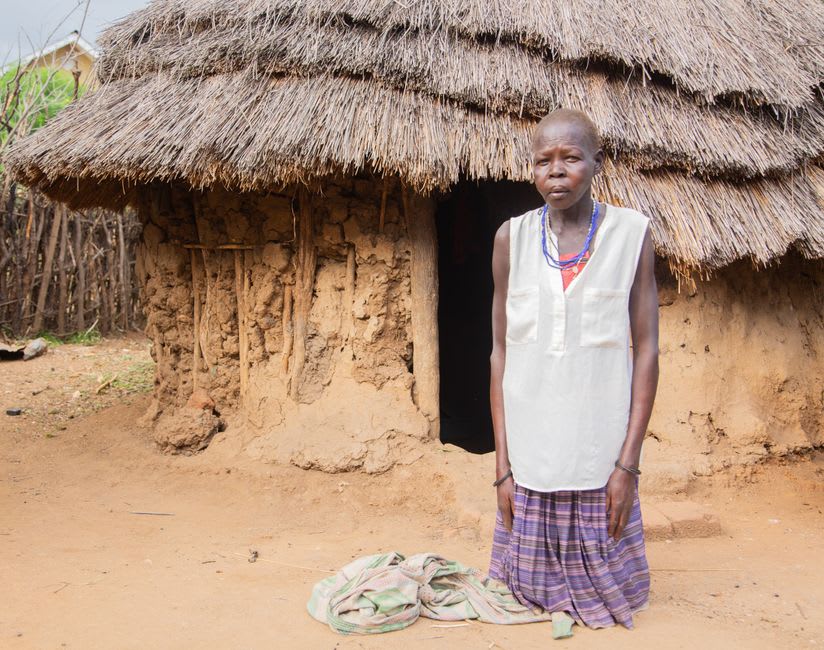
The traditional palace itself, rebuilt with the same techniques and materials as the original royal residence, is the part that stayed with me longest. It’s a vast thatched structure, dim and cool inside, and our guide walked us through the sectioned interior explaining which area belonged to the king’s wives, which to his advisors, which to ceremony. I ducked under a low doorway and Lia had to fully bend over, and we both laughed about how differently our bodies fit into that scale of history.
Right behind the traditional palace sits the 1930s Belgian-style residence built for King Mutara III Rudahigwa, and the contrast between the two buildings, maybe a hundred meters apart, is the whole story of Rwanda’s twentieth century in miniature — indigenous form giving way to colonial architecture within a single royal compound. We visited his tomb afterward, a modest, almost stern monument, and I found myself quieter than I expected to be, thinking about how much changed for this country between those two buildings going up.
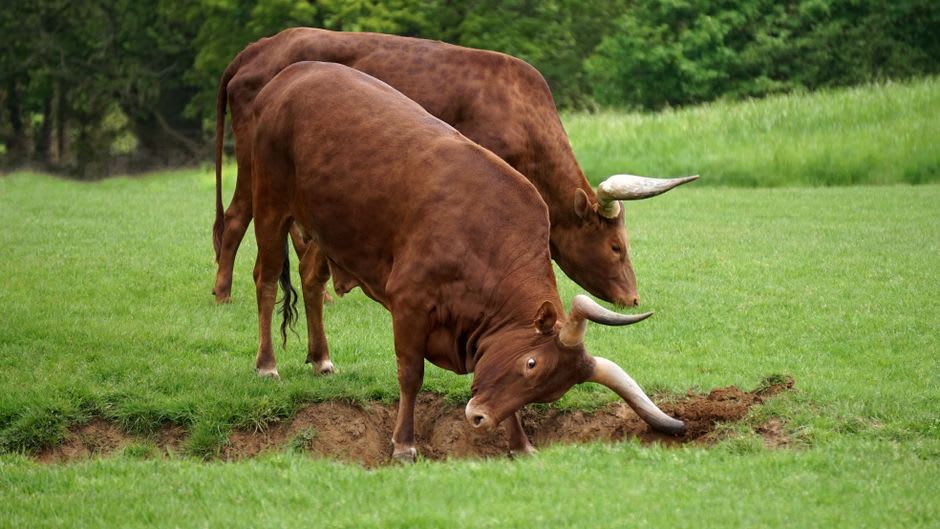
But it was the Inyambo that undid me a little. These are the royal long-horned cattle, descendants of animals trained for centuries to walk in ceremonial procession and to respond to praise poetry recited by their keepers. Watching a herder murmur something rhythmic to one enormous, gentle-eyed animal, its horns curving out wider than my arm span, and watching it actually seem to listen — that’s not something I expected to feel moved by. I took far too many photos.
When to go: I’d aim for the dry stretches, June through September or December into February, when the roads south of Kigali are at their most forgiving — we hit a few muddy detours on the way back that a dry-season visit would have spared us entirely.
Keep exploring
More from Rwanda
 rwanda
 Nyungwe Forest
One of Africa's oldest rainforests hangs a canopy walkway above the treetops and hides chimpanzees in its green depths.
Explore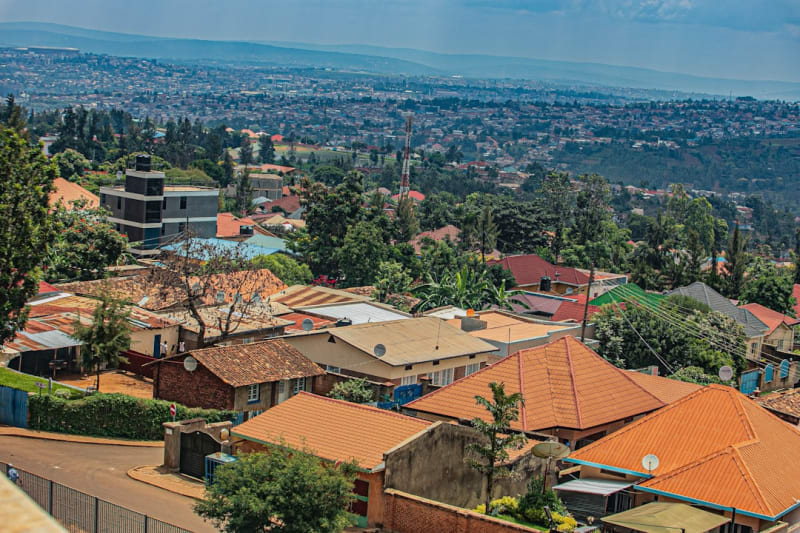 rwanda
 Rubavu
A beach town pressed against the Congo border where lakeside bars, lava beaches, and the rumble of Nyiragongo create a charged, end-of-the-road atmosphere.
Explore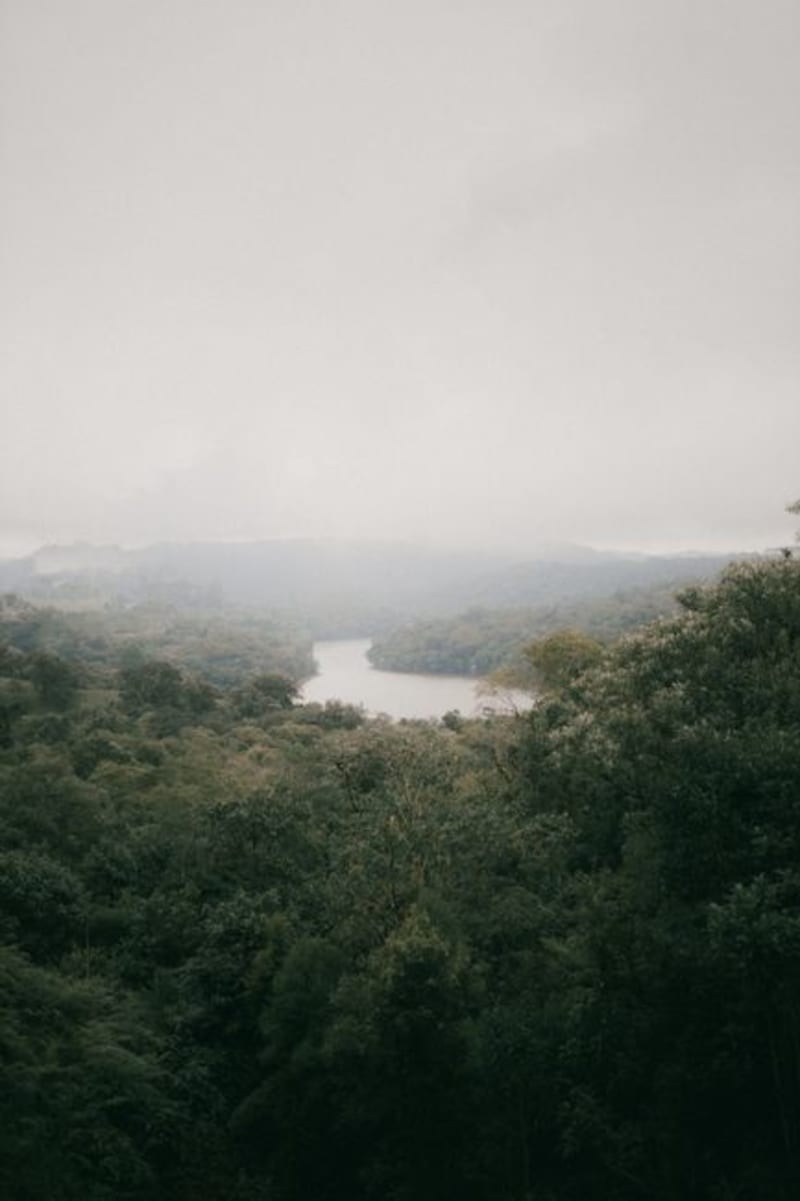 rwanda
 Rusizi (Cyangugu)
A forgotten border town where Lake Kivu narrows into a river, tea hills rise above the gorge, and Congo watches from across the water.
Explore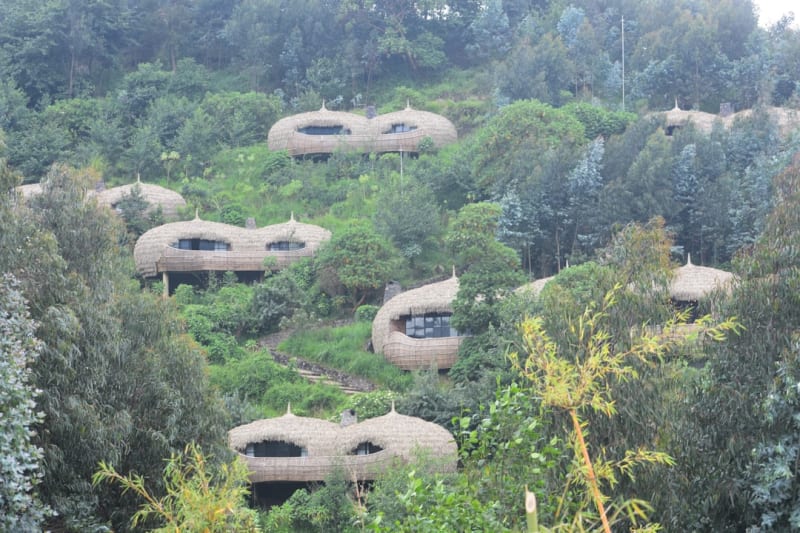 rwanda
 Volcanoes National Park
The mountain gorillas live here, in volcanic mist above 3,000 meters, and meeting them changes whatever scale you thought you were on.
Explore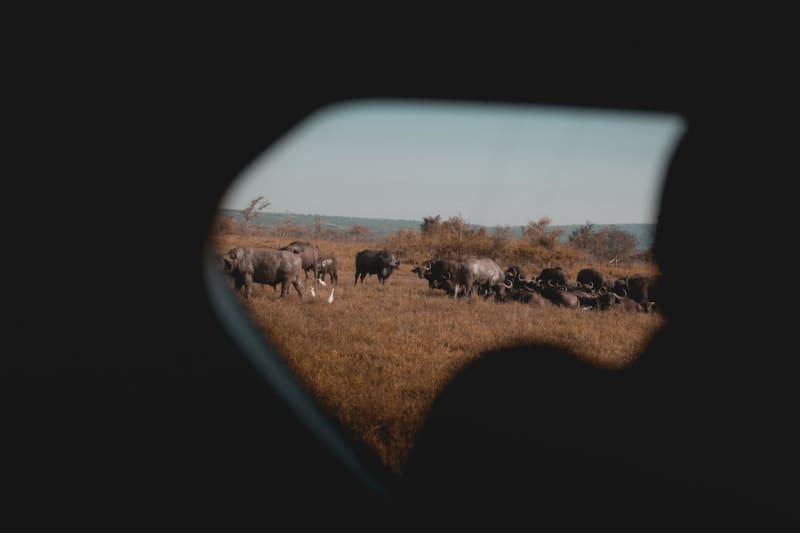 rwanda
 Akagera National Park
Rwanda's eastern safari country — savanna, papyrus swamps, and lions returned from extinction in a park that rebuilt itself from nothing.
Explore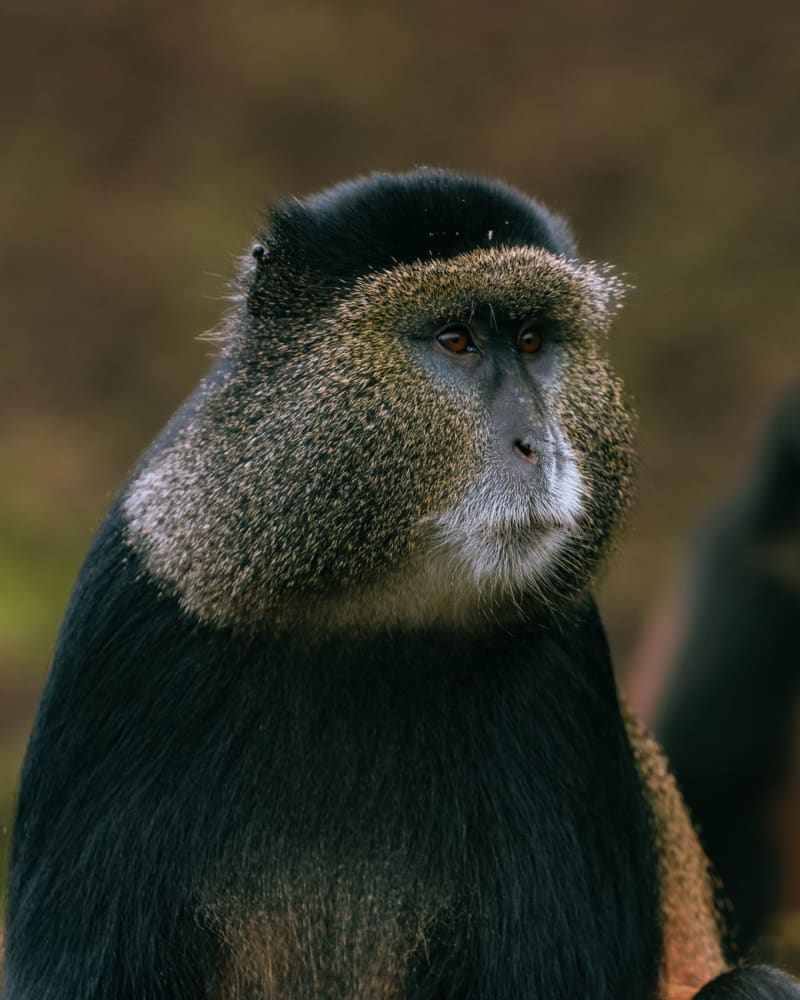 rwanda
 Gishwati-Mukura National Park
Rwanda's youngest national park — a rainforest clawed back from farmland, where chimpanzees are relearning how to be wild.
Explore