Africa
Rwanda
"The place that surprised me more than anywhere else on this continent."
A country that rebuilt itself from the ground up and somehow became the cleanest, most quietly functional place in Africa — with gorillas watching from the volcanic mist above it all.

I landed in Kigali expecting to feel the weight of its history the moment I stepped off the plane. What I didn’t expect was how ordered everything was — no plastic bags in sight, streets so clean they looked freshly swept, a city that runs with a quiet, purposeful efficiency that puts most European capitals to shame. Rwanda has a way of dismantling assumptions before you’ve even found your hotel.
Kigali itself is worth two or three days of serious attention. The Kigali Genocide Memorial is devastating and essential — not a monument for foreigners to process guilt, but a place where Rwandans have chosen, with extraordinary deliberateness, to record what happened and insist it be remembered. I spent a morning there in near silence, which is the only appropriate response. Then I walked through Nyamirambo, the old Muslim quarter, where the streets narrow and the smell of brochettes cooking over charcoal pulls you toward clusters of plastic chairs outside unmarked restaurants. I ate a plate of grilled goat with fried plantains that cost me less than a coffee in Mexico City and tasted significantly better.
The north is where Rwanda’s true strangeness lives. The Virunga volcanoes rise out of the mist like something from a geography textbook, except they’re real and enormous and harboring one of the last populations of mountain gorillas on earth. Tracking permits are expensive — there’s no way around that — but nothing prepares you for what actually happens when you find a silverback three meters away, sitting in the undergrowth, watching you with the bored patience of someone who has long since stopped being impressed by visitors. We sat with a family for an hour. One of the juveniles tried to climb my guide’s leg. The permit pays for itself in the first ten minutes.
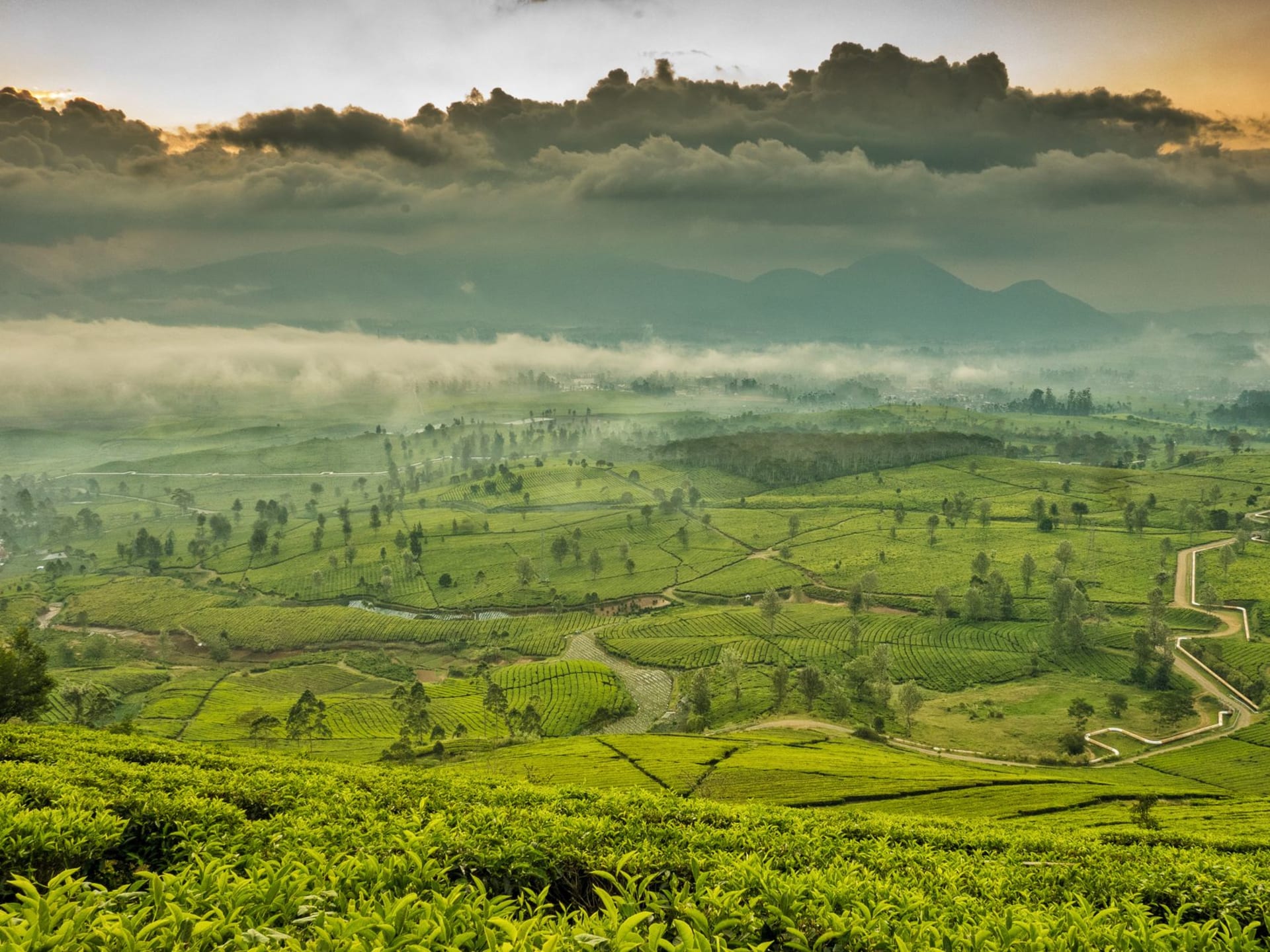
Between the volcanoes and the city, the countryside unfolds in waves of terraced hillsides — tea plantations, banana groves, red-earthed paths with women carrying loads on their heads — all of it improbably, almost aggressively green. Rwanda calls itself the Land of a Thousand Hills and for once the nickname is accurate rather than aspirational.
When to go: June to September is the main dry season — easier gorilla tracking, clearer mountain views, and better roads. December to February offers a shorter dry window with fewer visitors. Avoid April and May, when the long rains turn the hillside tracks to mud and cloud cover obscures the volcanoes entirely.
What most guides get wrong: They lead with gorillas and stop there, as if Rwanda were a single wildlife experience attached to an airport. The country’s real story is political and social — a deliberate, occasionally uncomfortable reconstruction that has transformed one of the world’s most traumatized nations into something that functions better than most. Kigali’s tech scene, its walkable neighborhoods, its obsessive cleanliness: these are not incidental details. They are the point. Come for the gorillas, but stay long enough to understand what Rwanda has actually been doing for the last thirty years.
Explore
Places in Rwanda
 rwanda
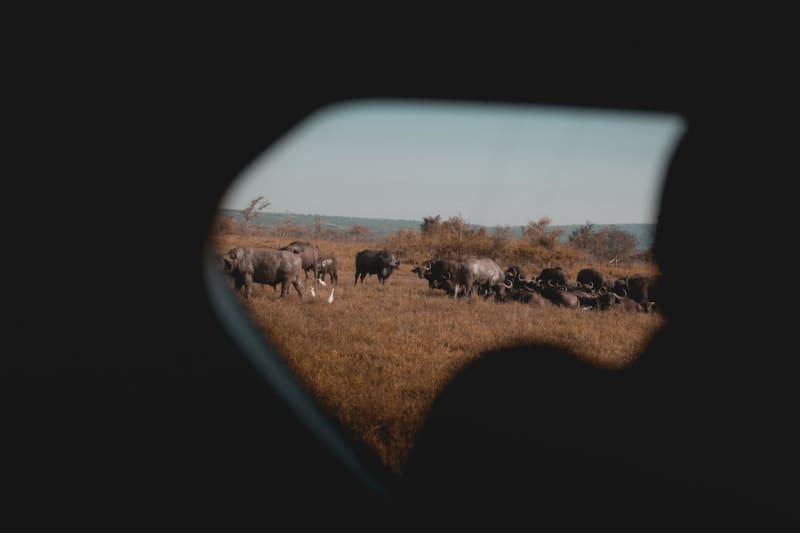
 Akagera National Park
Rwanda's eastern safari country — savanna, papyrus swamps, and lions returned from extinction in a park that rebuilt itself from nothing.
Explore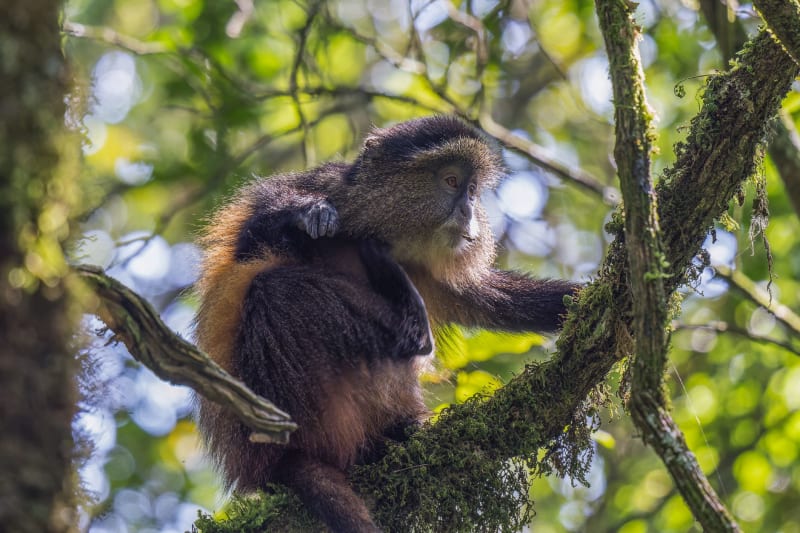 rwanda
 Gishwati-Mukura National Park
Rwanda's youngest national park — a rainforest clawed back from farmland, where chimpanzees are relearning how to be wild.
Explore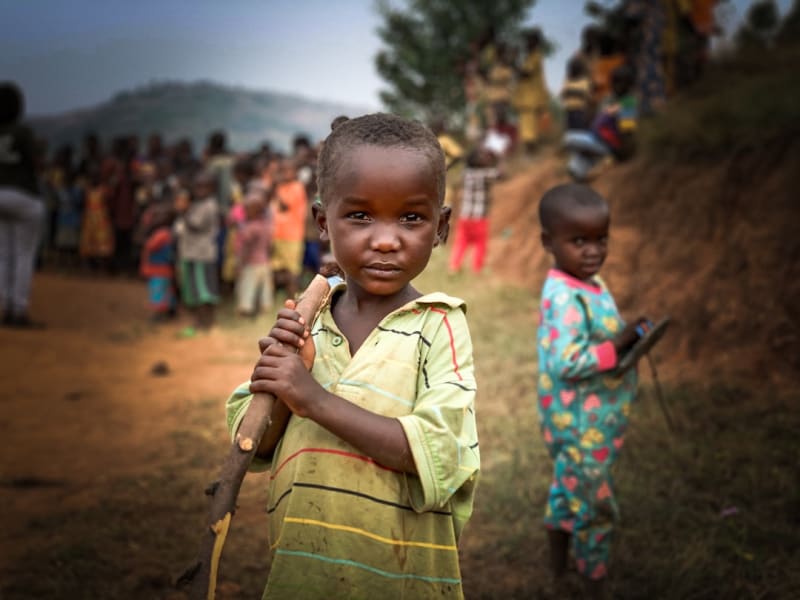 rwanda
 Huye
Rwanda's intellectual capital, with the country's best museum and a university town slowness that feels like relief after the capital's drive.
Explore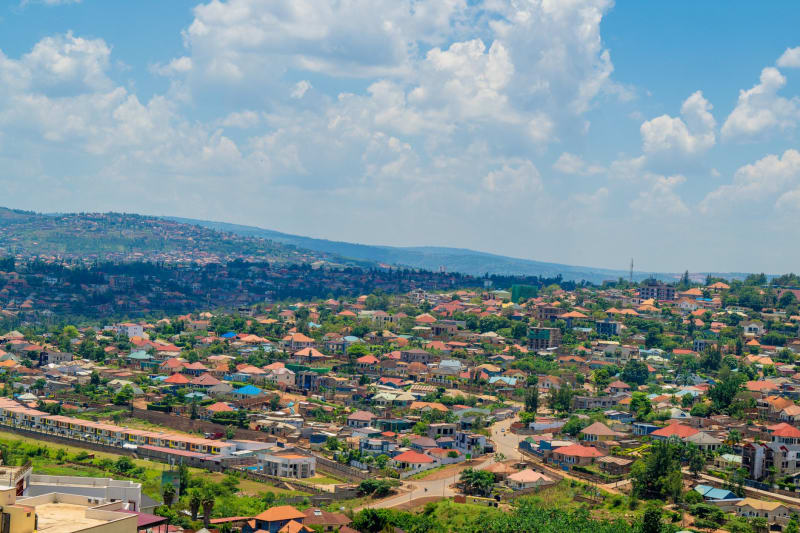 rwanda
 Karongi
A peninsula town on Lake Kivu where the hills plunge straight into the water and the pace of life runs exactly as slow as the lake allows.
Explore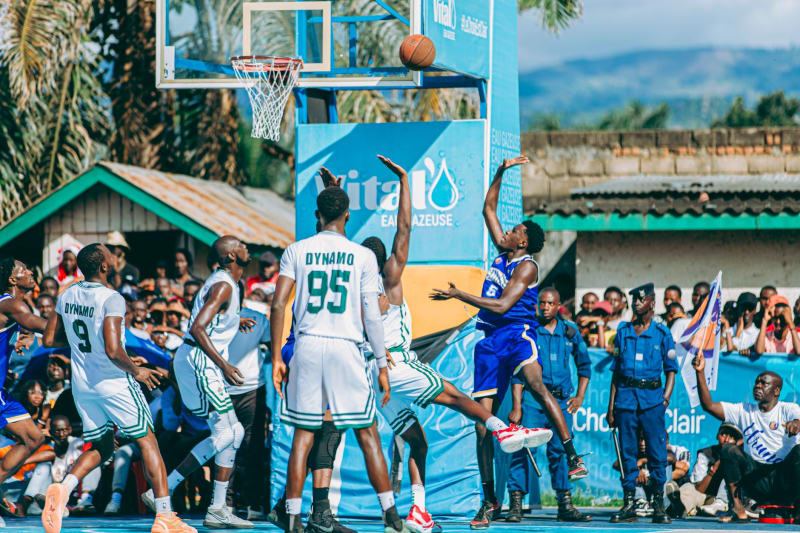 rwanda
 Kigali
Africa's cleanest capital hums with a restless, forward-moving energy that refuses to be defined by its past alone.
Explore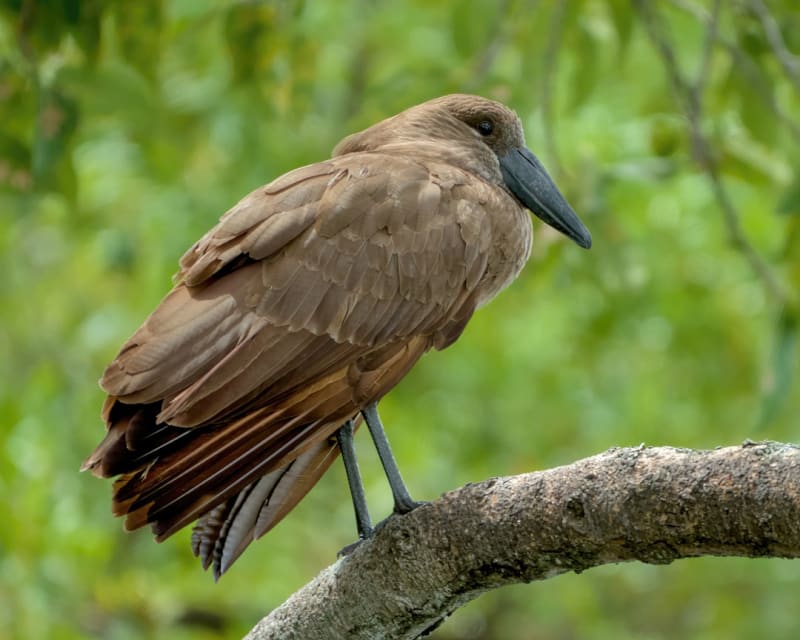 rwanda
 Lake Kivu
A vast, island-dotted lake on the Congo border that feels more like a sea, its shores lined with fishing villages and the smell of grilled tilapia.
Explore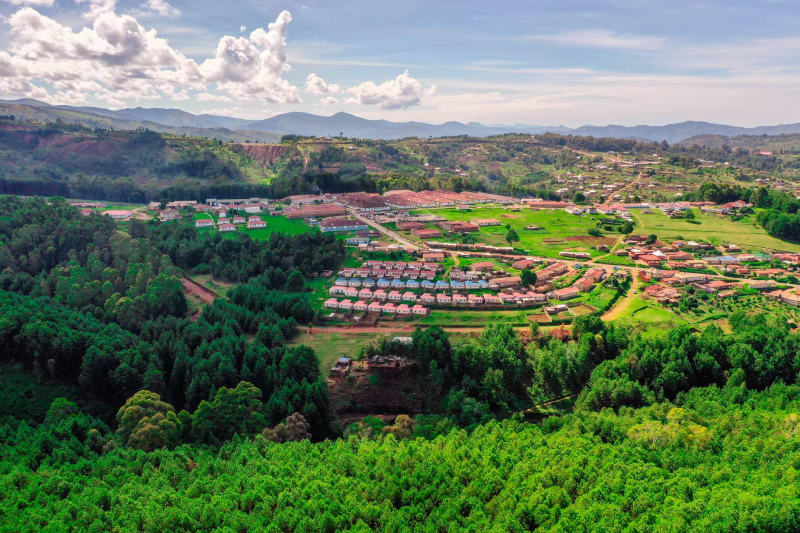 rwanda
 Musanze
The northern gateway town lives under the shadow of live volcanoes and above ancient lava tube caves that burrow into the earth for kilometers.
Explore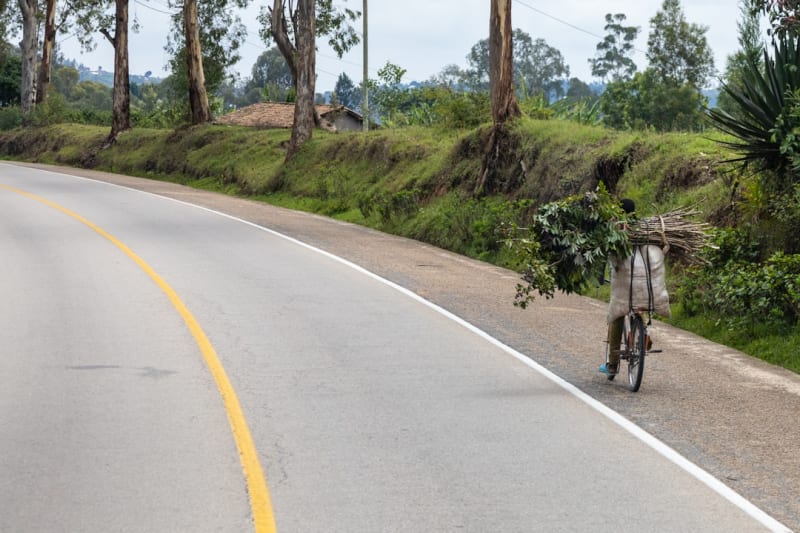 rwanda
 Nyamirambo
Kigali's oldest, loudest, most deliciously imperfect neighborhood — where the mosques call out over charcoal smoke and the brochettes are always on the grill.
Explore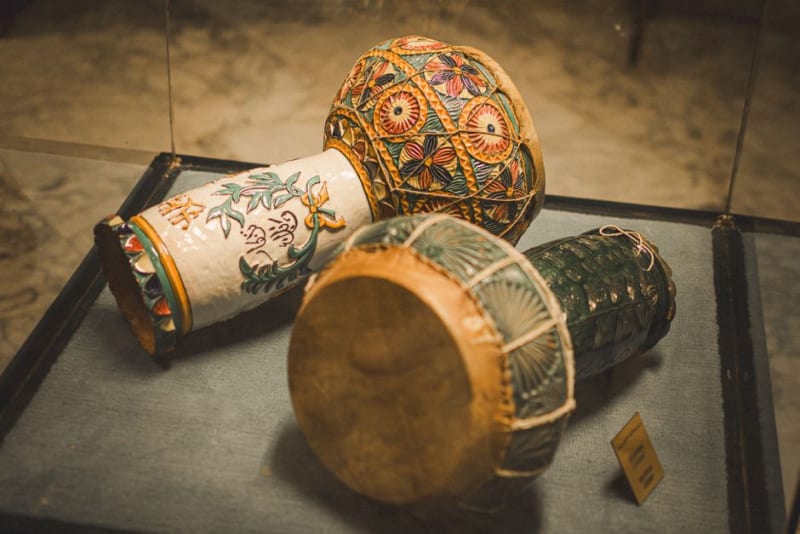 rwanda
 Nyanza (King's Palace Museum)
Where Rwanda's kings once ruled from a hilltop, and long-horned royal cattle still answer to praise poems.
Explore rwanda
 Nyungwe Forest
One of Africa's oldest rainforests hangs a canopy walkway above the treetops and hides chimpanzees in its green depths.
Explore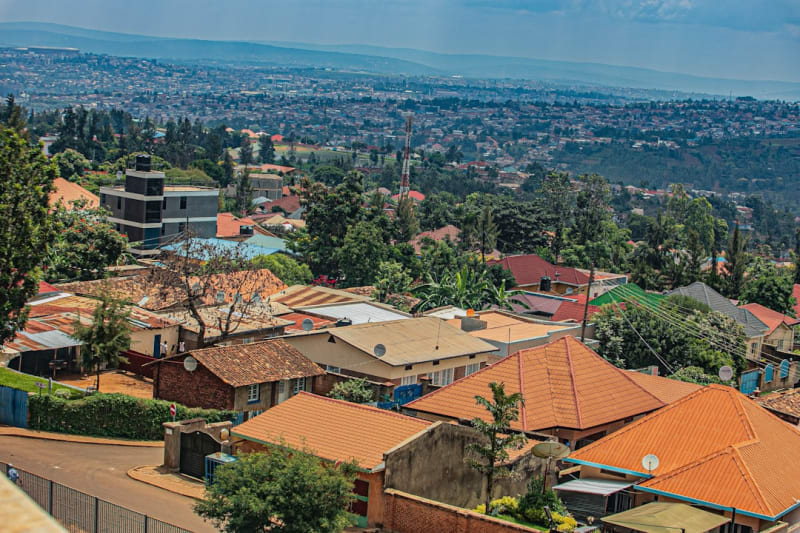 rwanda
 Rubavu
A beach town pressed against the Congo border where lakeside bars, lava beaches, and the rumble of Nyiragongo create a charged, end-of-the-road atmosphere.
Explore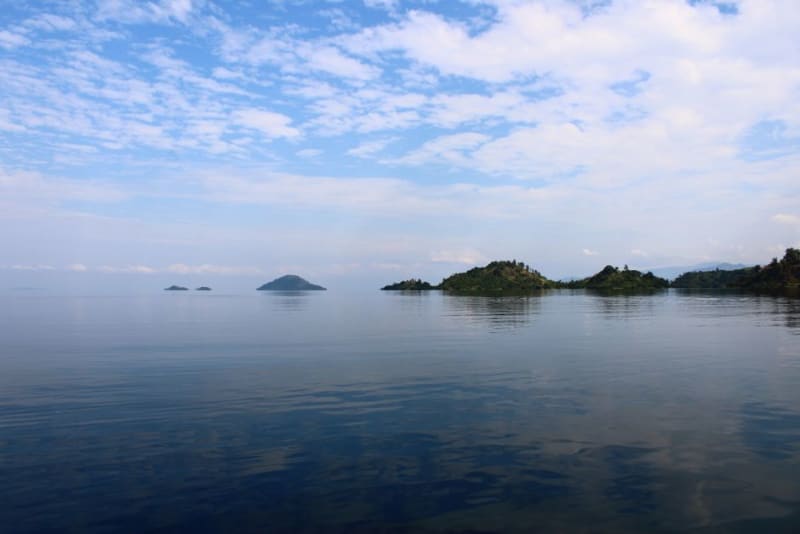 rwanda
 Rusizi (Cyangugu)
A forgotten border town where Lake Kivu narrows into a river, tea hills rise above the gorge, and Congo watches from across the water.
Explore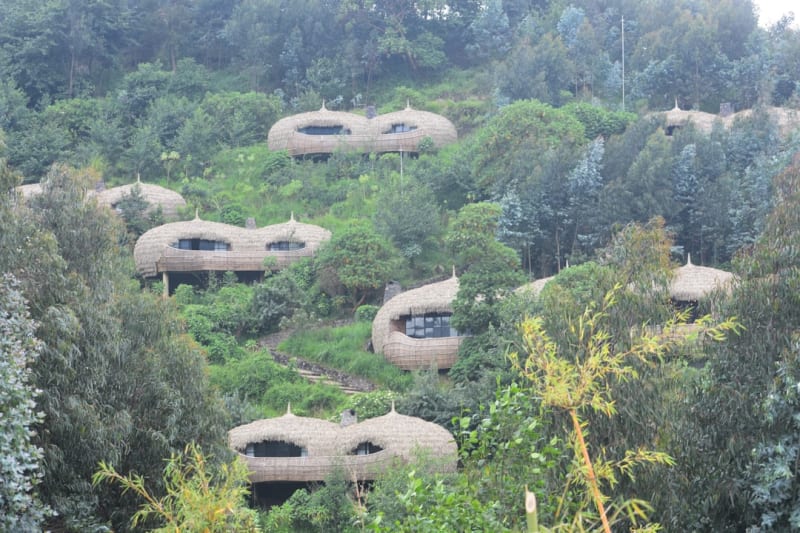 rwanda
 Volcanoes National Park
The mountain gorillas live here, in volcanic mist above 3,000 meters, and meeting them changes whatever scale you thought you were on.
Explore