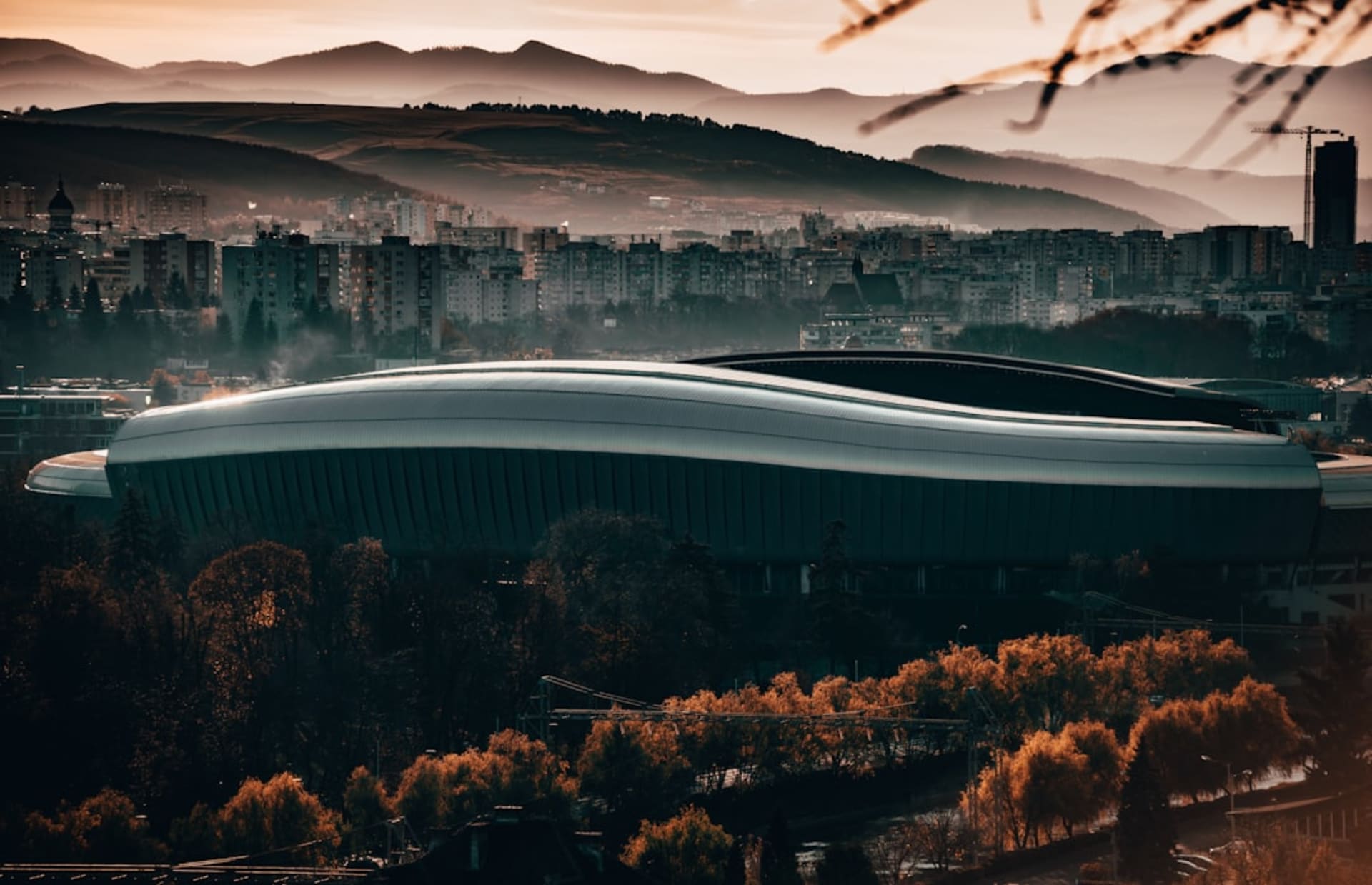
Cluj-Napoca
"The coffee was too good and the afternoon too long — I missed my bus and didn't mind at all."
Transylvania's student capital hums with a bilingual energy that makes it feel like two cities occupying the same cobblestone grid.

I came to Cluj intending to stay two nights. I left on the fifth day, still not entirely sure what had kept me. The short answer is that the city is more alive than I expected — not in the showy way of places that know they’re on the tourist trail, but in the way of a place that has things to do regardless of whether you’ve arrived.
The Square and What Surrounds It
Unirii Square anchors everything. Saint Michael’s Church — a Gothic pile started in the fourteenth century and apparently never fully finished — dominates the northern end, and the statue of Matthias Corvinus on horseback faces it with the kind of confidence that comes from having your face on one side and your horse on the other. The square fills with the smell of langos from a corner stand around noon. I ate one standing up, grease on my fingers, watching a pair of old men play chess on the church steps as if they’d claimed that spot by inheritance.
The streets radiating outward have that mixture you find in Hungarian-Romanian border culture: a pharmacy with a Magyar sign, a bakery with a Romanian one, and a café with an Italian name where everyone speaks whichever language they feel like. Cluj was Kolozsvár once, and that other name still shows up on buildings and in accents.
Café Culture and the Student Clock
This is one of Romania’s largest university cities, which means a café-to-resident ratio that tilts heavily in your favor. The cafés on Strada Memorandumului and around Pata Bolyai run the full spectrum from stripped-down espresso bars to places with exposed brick and vinyl crates and baristas who will tell you exactly where the beans were processed. I spent a morning at a place with long communal tables and the sound of someone typing very fast in the corner. The light came through high windows. The cortado was serious.
The student presence keeps prices sane and the bookshops open late.
The Market and the Surrounding Hills
The Central Market — Piața Mihai Viteazul — is the kind of place where you learn what people actually eat. Jars of yellow plum jam, smoked paprika sold by the scoop, sheep’s cheese wrapped in bark, eggs in unlabeled cartons. I bought a wedge of brânză de burduf — cheese aged inside a fir-bark casing — and ate it with bread from a stall three meters away. The bark gives it something you can’t quite name, a faint resinous bitterness that cuts the richness.
The hills around the city are close enough that you can be above it within thirty minutes of leaving the square. From the Cetățuia hilltop park, the city below has a Austro-Hungarian roofline punctuated by Orthodox domes. It doesn’t look like anywhere else.
An Evening That Ran Late
The nightlife quarter along Strada Clinicilor and toward the Babeș-Bolyai campus has bars in cellars and courtyards that don’t announce themselves with much signage. You push through a gate and find a dozen tables under a string of lights. Someone is playing guitar badly but earnestly. Lia ordered a local Ursus and looked entirely at home. We stayed longer than planned, which, looking back, is the whole story of Cluj.
When to go: May through September for outdoor café culture and the hills at their greenest. July brings the TIFF film festival, which fills the city with a good-natured chaos worth experiencing. Avoid August if you want accommodation at normal prices. October has a mellower beauty — the market overflows with autumn produce and the tourist numbers drop off sharply.
Keep exploring
More from Romania
 romania
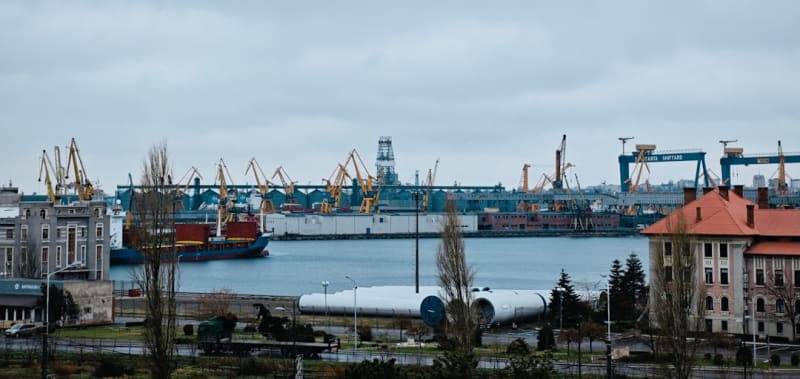
 Constanța
Romania's oldest city has been a port for two and a half millennia, and you can feel the accumulated weight of that in every crumbling layer of its old town.
Explore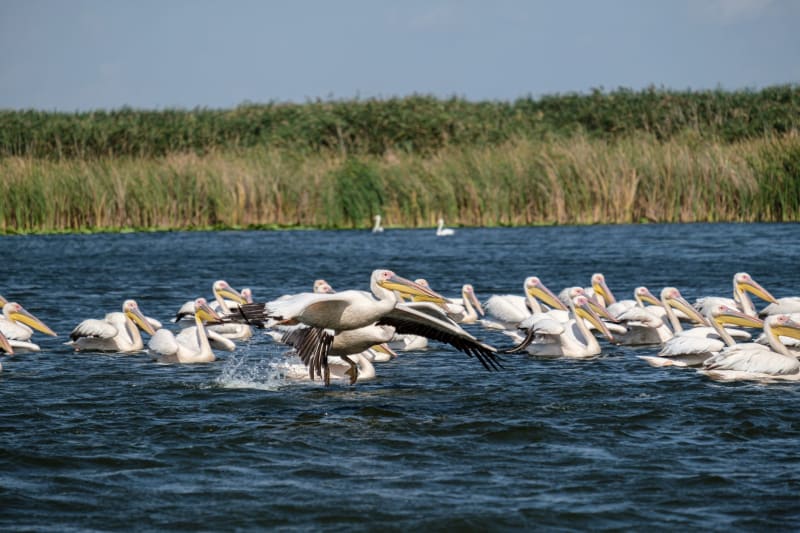 romania
 Danube Delta
Where Europe's greatest river meets the Black Sea in a labyrinth of channels, floating reed islands, and the continent's richest birdlife.
Explore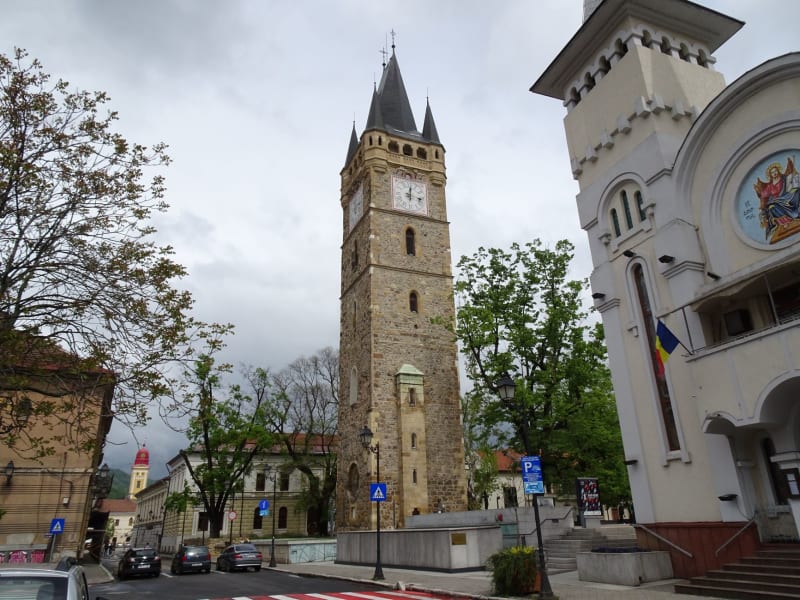 romania
 Maramures
Romania's far north is a place where wooden churches rise above fog-filled valleys and the twentieth century arrived late and left early.
Explore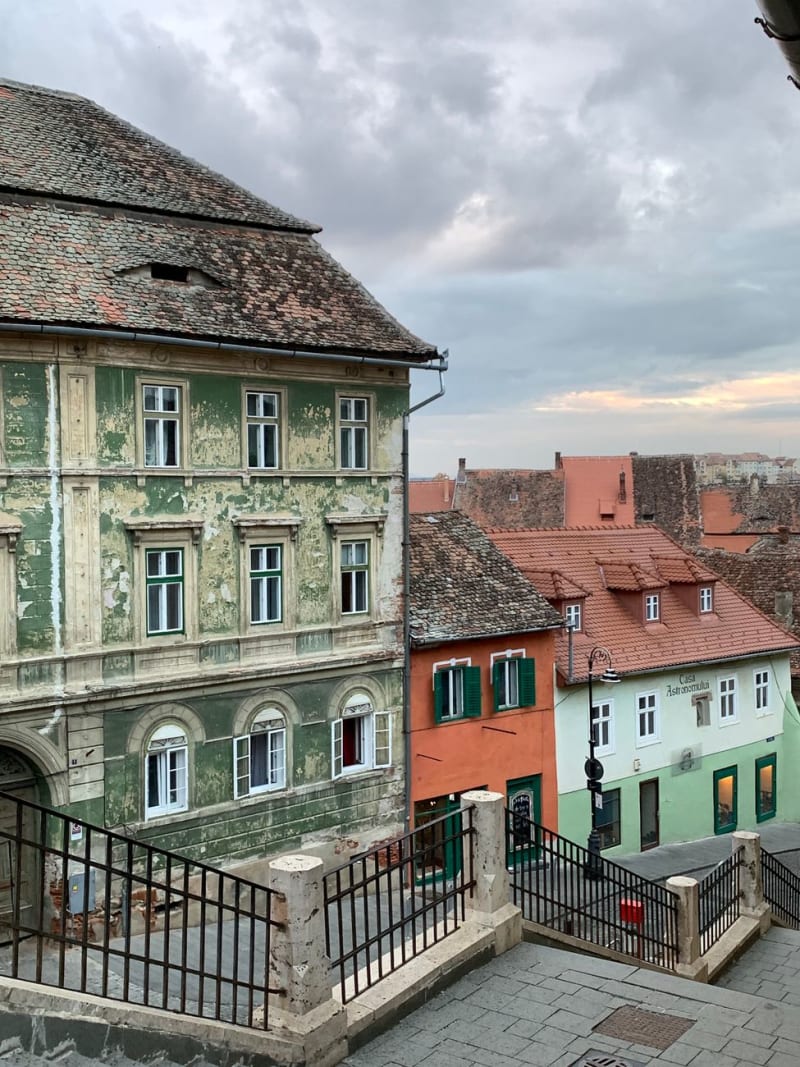 romania
 Sibiu
A Saxon town in Transylvania whose pastel rooftops have eyes, where seven centuries of German Transylvania survive in cobbled squares and arched passages.
Explore romania
 Sighisoara
Vlad the Impaler's birthplace is also one of Europe's best-preserved medieval citadels, its clock tower watching over a town frozen in amber.
Explore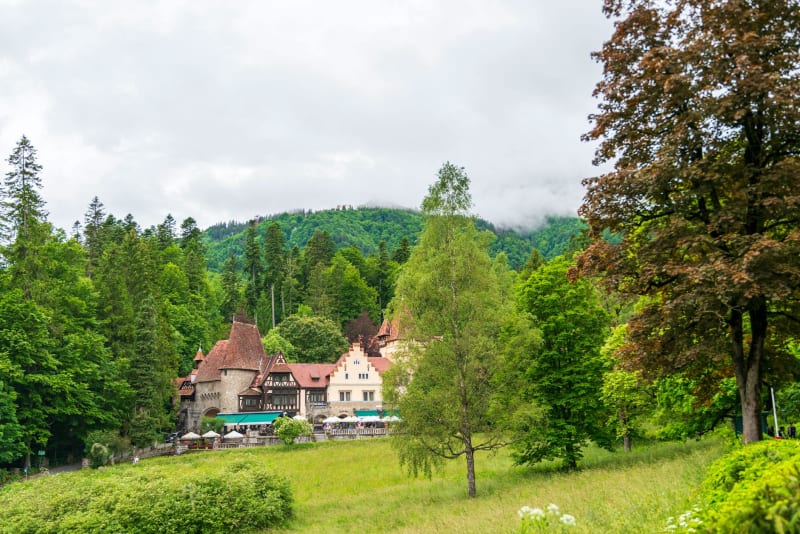 romania
 Sinaia
A royal mountain resort in the Prahova Valley, home to the extraordinary Peles Castle — perhaps the most fairy-tale royal residence in Europe.
Explore