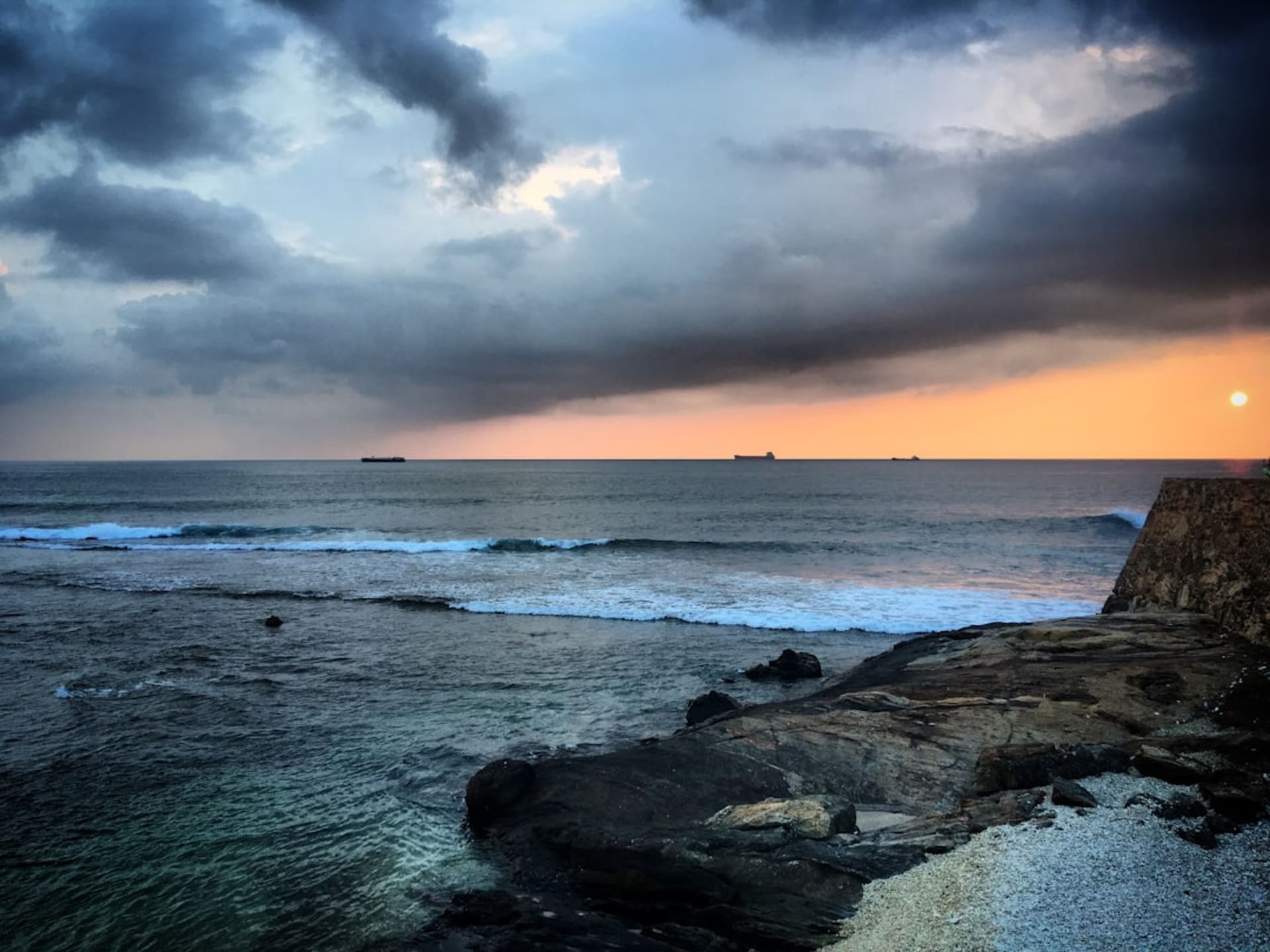
Wadi El Gemal
"A green turtle hauled herself out of the sea and began her work as though the world owed her complete privacy — which, here, it mostly does."
The road south of Marsa Alam runs through country that insists on being taken seriously. Desert on one side, sea on the other, the occasional Bedouin encampment marked by camels tethered near a hand-dug well, and at long intervals the kind of gas station that appears to be operating on good intentions rather than business logic. I hired a driver in Marsa Alam who knew the way — there are no meaningful signs once you leave the main road — and we drove through the Wadi El Gemal National Park entrance in late afternoon, the light already going orange on the limestone.
The park covers over seven hundred kilometers of coast and hinterland, from sea-level mangroves to desert mountains, and the striking thing about it is the completeness of its wildness. There are no concession stands, no infrastructure of any kind beyond the ranger station at the entrance, no marked trails in the conventional sense. The Bedouin community at Hamata — the small settlement at the park’s southern end — has lived here through whatever ownership the land has technically held, and the park management has largely kept them involved in whatever tourism does reach this far south.
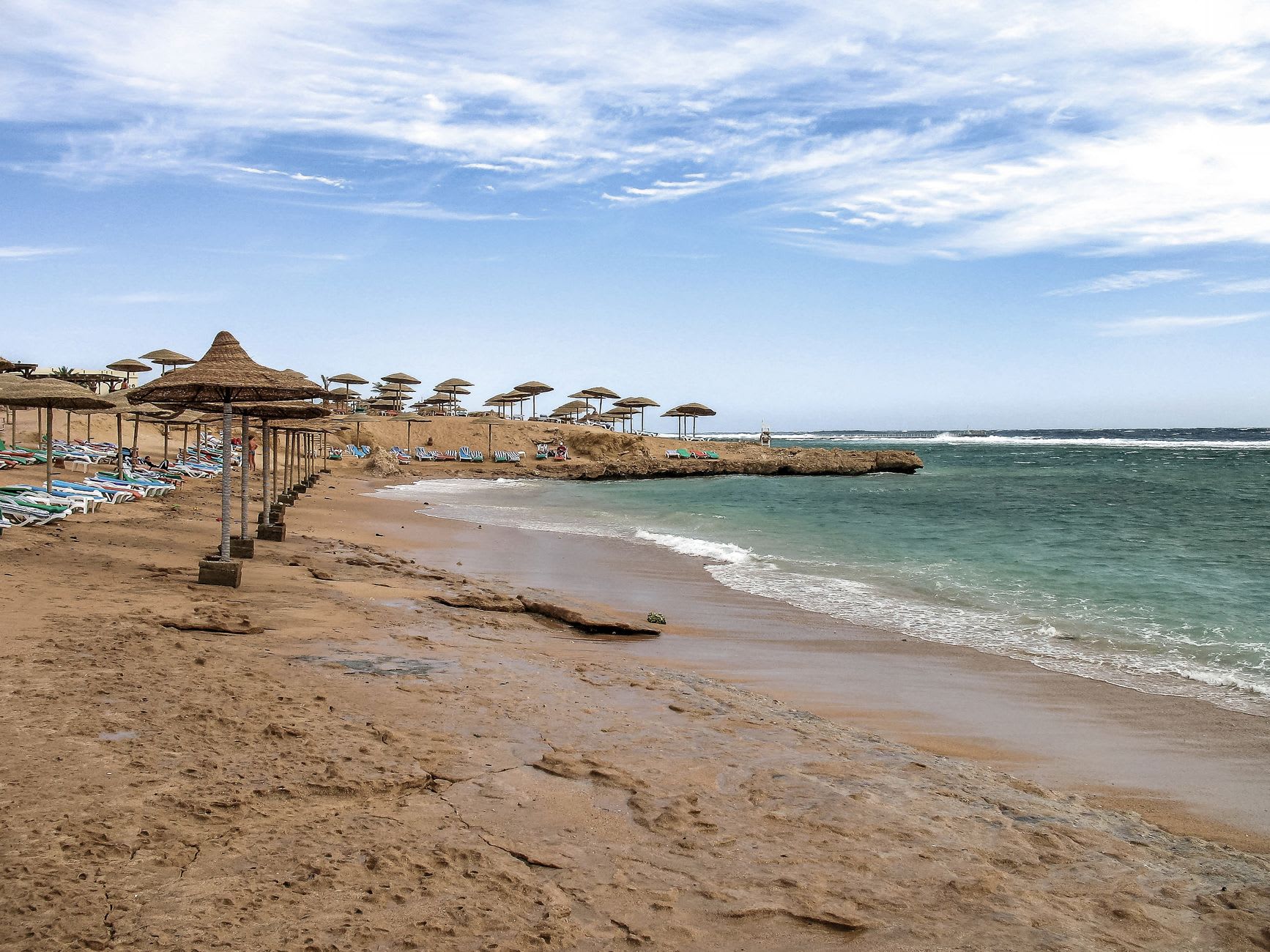
The mangroves at Hamata are the main reason most people make the drive. A cluster of mangrove islands sits just offshore — accessible by kayak or small wooden boat with a local guide — and the channels between the islands hold a microcosm of marine life that feels improbable in what should be open sea. Small reef fish in the roots, herons fishing in the shallows, the occasional dolphin visible from the kayak. The mangroves themselves are the particular grey-green of things that have found a way to survive in saltwater and refuse to apologize for the effort it required.
The sea turtle nesting season brings green turtles and hawksbills onto the beaches south of Hamata between May and October. The ranger I walked the beach with had documented over three hundred nests that season, marked with stakes and numbers, and he spoke about each individual turtle — the female who returns to the same beach every two to three years — with the casual intimacy of someone who has been watching something for long enough to know it is worth watching. We found fresh tracks one morning at dawn: the deep parallel furrows of a large green turtle who had come ashore in the night, laid her eggs, and returned to the sea before the light could find her. I stood there longer than I needed to.
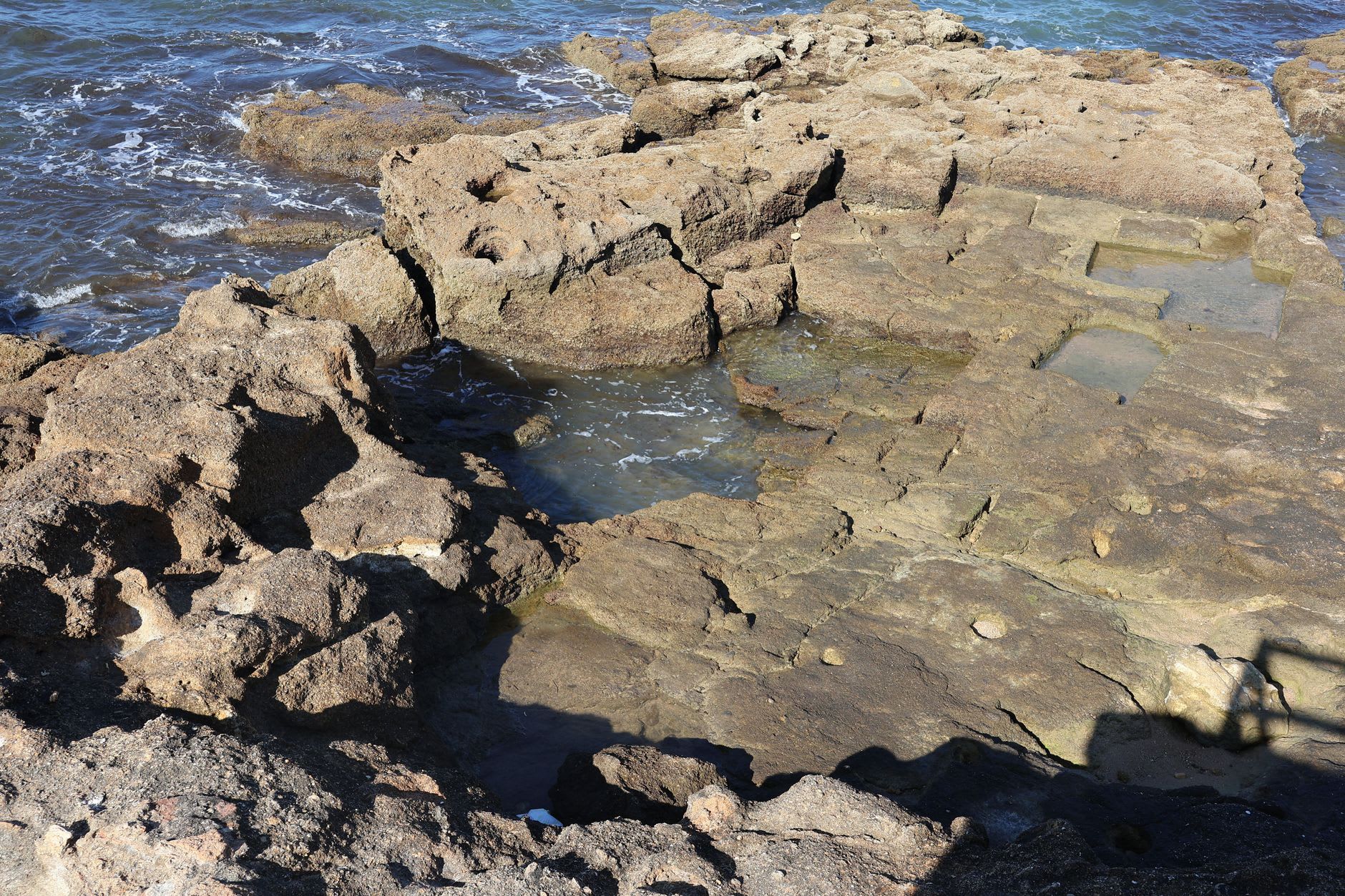
The Bedouin camp at Hamata runs a simple operation: palm-frond shelters, food from whatever was caught that morning, and a fire at night that is mostly unnecessary in summer but built anyway because a camp without a fire is not really a camp. The silence here has a quality to it — the sea on one side, the desert on the other, nothing between you and either.
When to go: October through April for comfortable temperatures and kayaking conditions. Sea turtle nesting peaks between June and August — extraordinary to witness but brutally hot for camping. The park charges a small entrance fee; arrange transport and a local guide from Marsa Alam, as the road requires a vehicle with clearance and the channels require local knowledge.