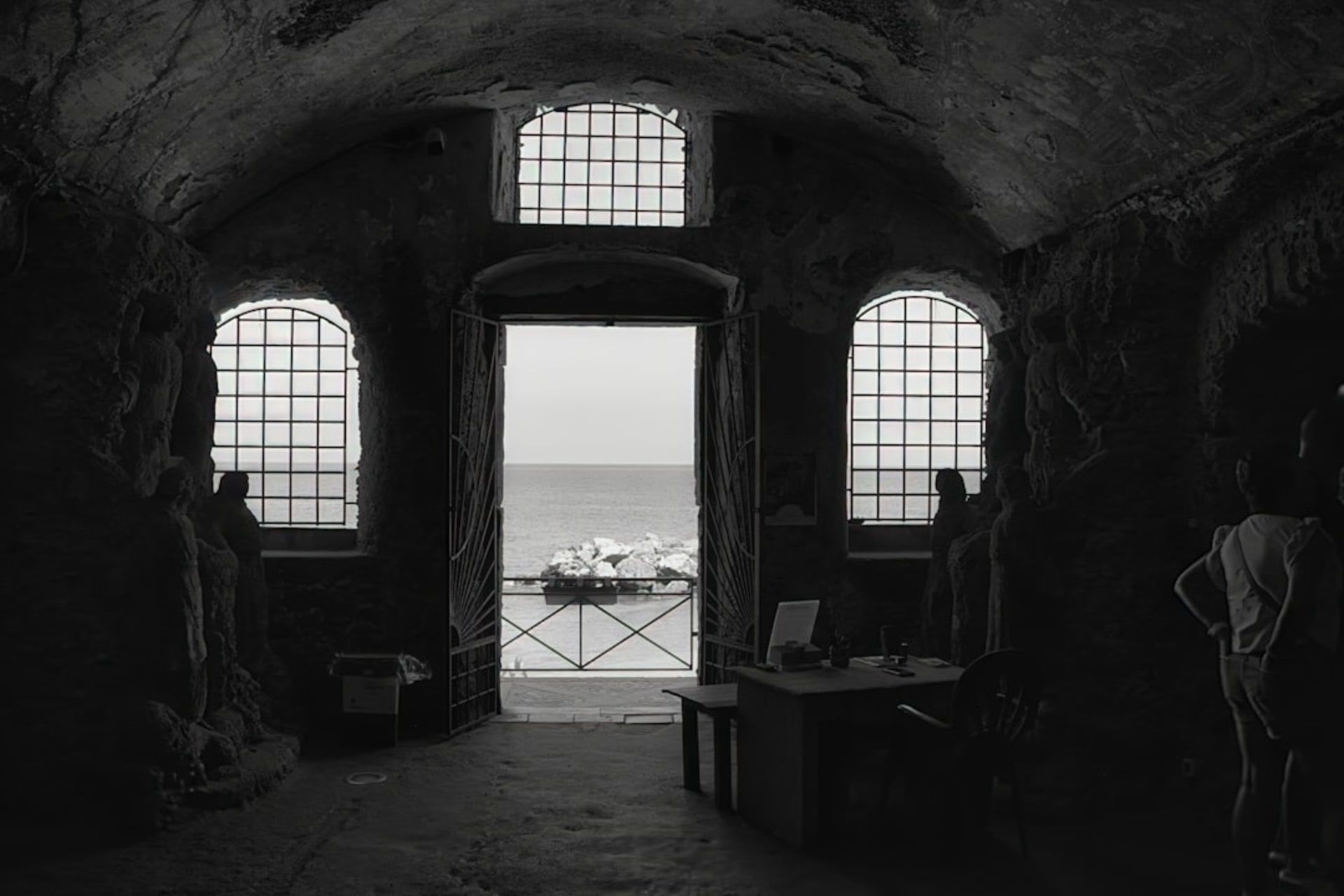
St. Catherine's Monastery & Sinai Interior
"Standing in those mountains at five in the morning, the Red Sea two hours east, the Nile three hours west — I felt the actual geography of history."
The jeep collected me from Dahab at three in the morning, which is not a sentence that encourages enthusiasm, but the guide had been clear: you reach the monastery before the tour groups or you reach it at all wrong. We drove into the Sinai interior in darkness — a high desert of extraordinary silence, the temperature dropping as we climbed, the granite peaks taking shape against a sky so starry it seemed excessive. My guide, a Bedouin man in his fifties named Mahmoud, drove without speaking, occasionally pointing out landmarks invisible to me, occasionally producing a thermos of tea from somewhere under the seat.
St. Catherine’s Monastery sits in a narrow valley at 1,570 meters, enclosed by the tallest peaks in the Sinai range — the surrounding mountains lean in as though listening. The walls of the monastery are exactly what sixth century looks like: massive, irregular, made of the local granite, so thoroughly weathered into their surroundings that the building and the mountain feel like a single formation. Inside the walls, the Burning Bush — the actual shrub, the one the monks will tell you with complete conviction is the same one from Exodus — grows in a courtyard, green and unremarkable and oddly moving.

The monastery library holds one of the great collections of early Christian manuscripts in the world — second only to the Vatican — and the monks will tell you about it with the proprietary pride of people who have been holding something precious for a very long time. I was not permitted deep inside (the monks control access carefully, and reasonably), but the small exhibition room near the entrance contains enough illuminated manuscripts and ancient texts to produce a mild cognitive dissonance: you are looking at some of the oldest books in existence, in a building older than most countries, on a mountain where three major world religions intersect, and the gift shop sells postcards and bottles of water.
The hike to the summit of Mount Sinai — the traditional site of Moses receiving the commandments — begins either from the monastery in the dark, or by camel partway up, and takes two hours at a decent pace. I did it in the dark on my second visit, with a headlamp and a Bedouin guide who climbed in sandals and smoked the whole way up. The summit at dawn is one of those experiences that operates outside of religious affiliation: the light coming across a hundred kilometers of desert and mountain, the other hikers going quiet together, the extraordinary clarity of being somewhere that has been held as sacred for three thousand years.

The Bedouin village of St. Catherine’s, a few kilometers from the monastery, has a handful of guesthouses and a single main street with a bakery that opens at dawn and sells sesame bread still warm. Staying a night means access to the monastery before eight in the morning, when the day-trippers from Sharm and Dahab arrive and the courtyard fills.
When to go: October through April. The summit hike in summer means heat that punishes. Winter nights can drop below freezing at the monastery altitude — bring more layers than you think you need. The monastery closes to visitors on Sunday and religious holidays; check the schedule before you drive.