Marsa Alam
"The dugong surfaced three meters from me and regarded me with enormous, entirely unimpressed eyes."
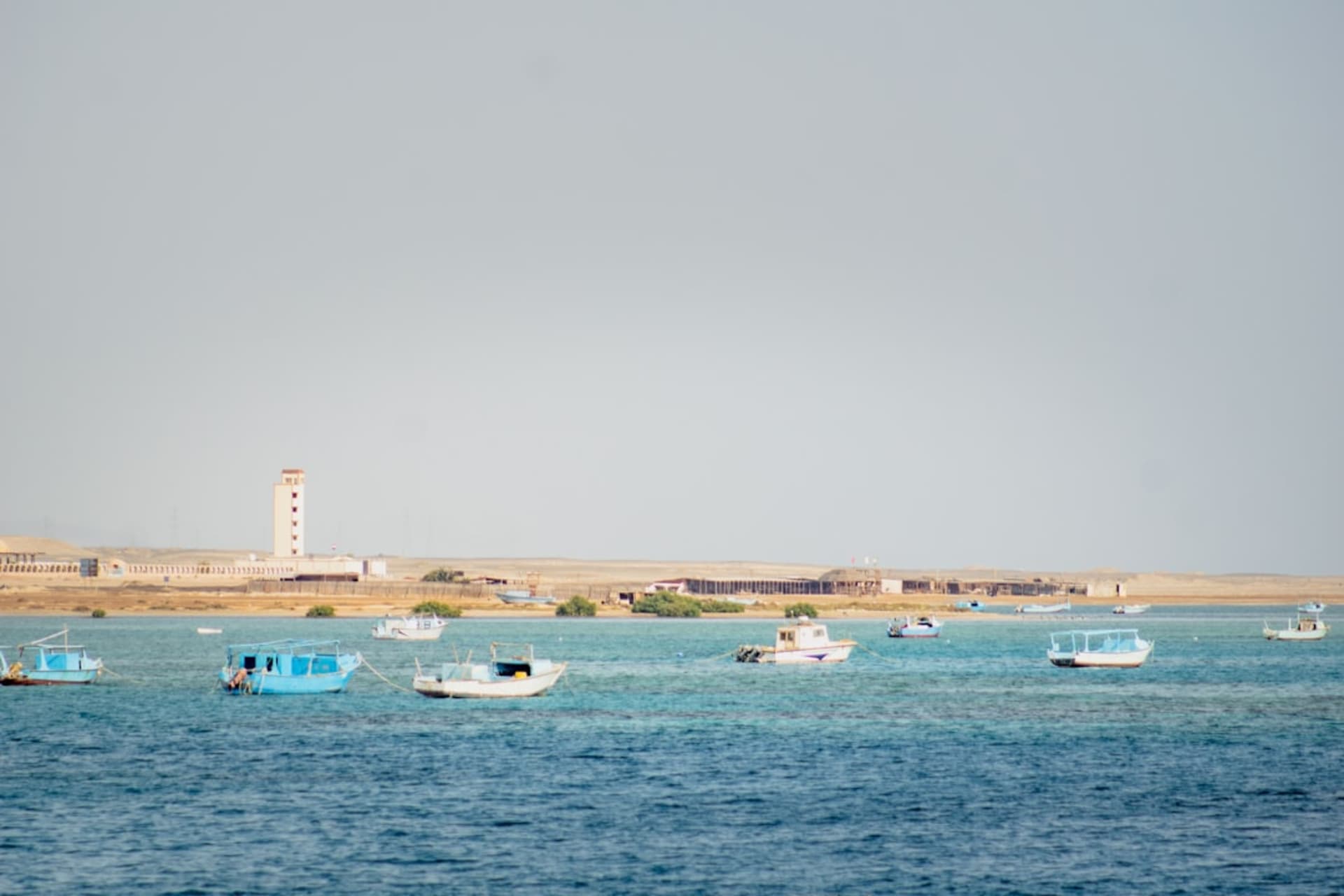
The drive south from Hurghada takes four hours along a highway that runs between empty desert and empty sea, the landscape so stripped of variation that you start to notice things you would otherwise miss — the way a single acacia tree manages to look determined, the quality of shadow on limestone at two in the afternoon, the distant shimmer where the asphalt meets the heat haze. By the time you reach Marsa Alam, something has already shifted. The town is small, unhurried, slightly unfinished — a diving outpost that never quite became a resort, and is better for it.
I went for the dugongs. Marsa Mubarak, a shallow bay a few kilometers north of town, holds one of the most accessible populations of dugongs in the world — these large, slow, genuinely prehistoric-looking creatures that graze the seagrass beds like aquatic cows. My guide, a Nubian man named Hassan who has been working this bay for fifteen years, spotted the first one from the surface before I had even adjusted my mask. We swam toward it quietly, faces down, and it let us approach to within a few meters before drifting away in that characteristically unhurried manner that makes you feel like you are the one interrupting something important.
Elphinstone Reef, reached by a forty-minute boat ride offshore, is one of those dive sites where the marine life density becomes almost overwhelming. Oceanic whitetip sharks patrol the open water around the pinnacle with the air of entities that have already been here longer than your species has existed and find your presence mildly puzzling. On my second dive there, a hammerhead passed below me at depth — a shadow at first, then a shape, then unmistakably that distinctive silhouette, gone in twelve seconds. I surfaced afterward and sat on the boat in silence for a while, the way you do after something that the language of Instagram has no adequate format for.
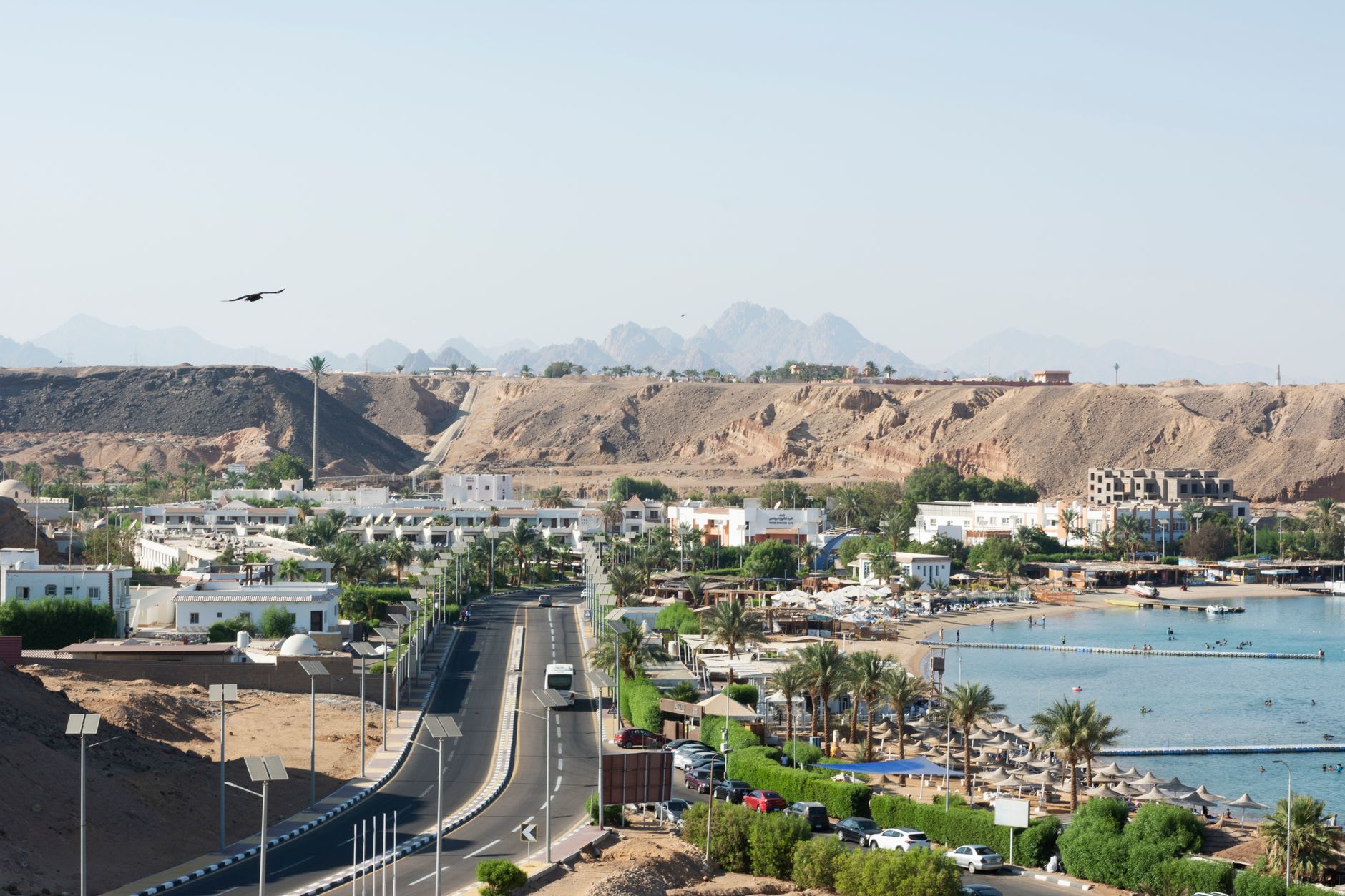
Back on shore, the town itself is honest in the way that places without tourist infrastructure tend to be. There is a strip of dive operators, a handful of guesthouses, a fish market that operates at dawn, and very little else that performs for visitors. I ate at a place with no English menu and pointed at whatever the table next to me was having — grilled shrimp with a tahini dip and a bread basket that came in waves. The shrimp were the freshest I have eaten anywhere on this coast.
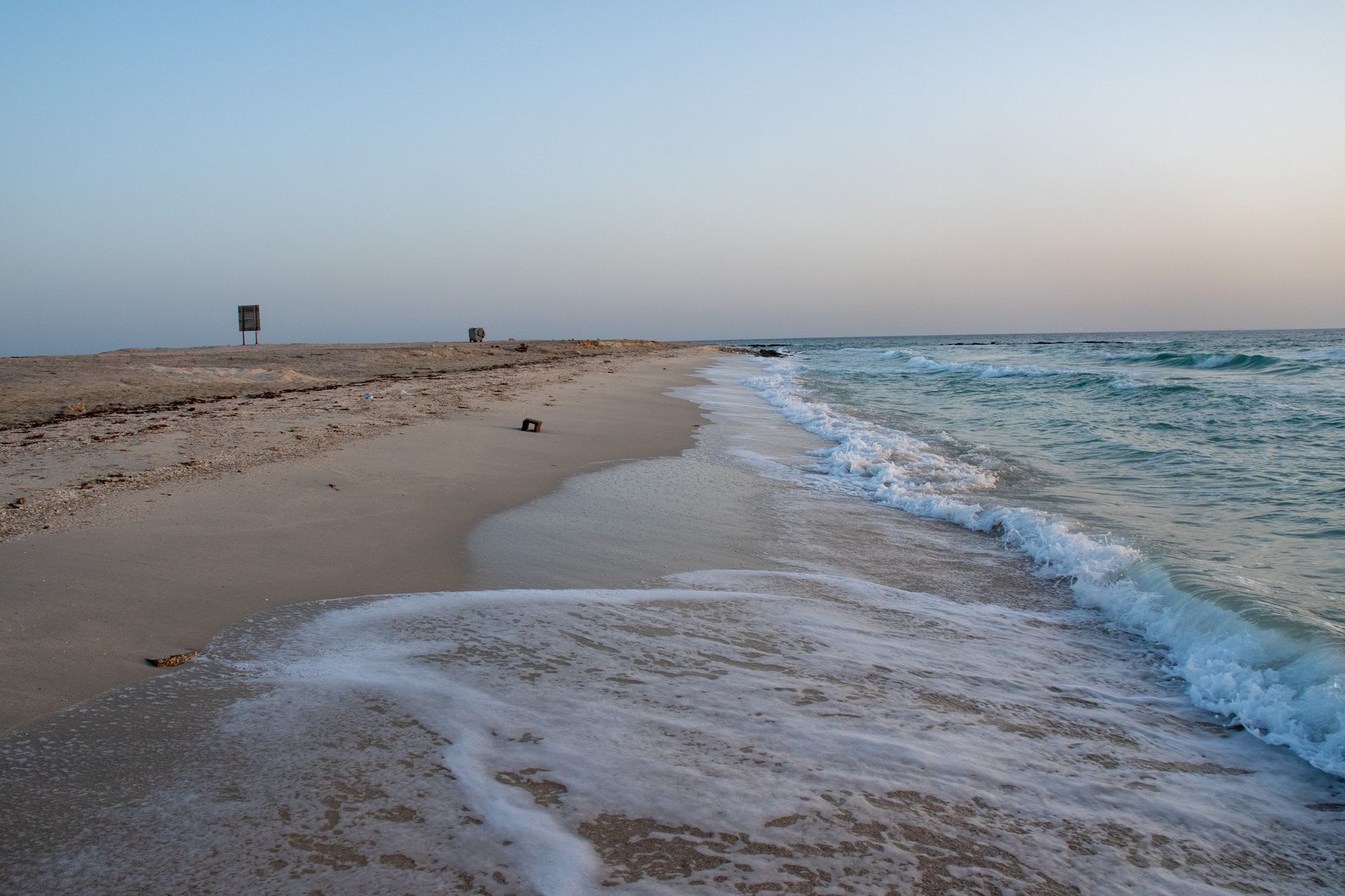
South of town, the national park at Wadi El Gemal extends the wilderness further — mangrove channels, nesting beaches for green and hawksbill turtles, Bedouin settlements where the primary transport is still camel. The contrast with the resort strip at Hurghada, only four hours north, is so complete it is almost clarifying.
When to go: October through April is ideal — water temperatures around 22–26°C, calmer sea conditions, and peak turtle nesting activity on the beaches south of town. Summer (June–August) is doable for serious divers but expect extreme heat on land. Elphinstone’s hammerheads are most reliably seen in late summer and autumn.