Hurghada
"The reefs haven't heard about the hotels, which is the one thing Hurghada has going in its favour."
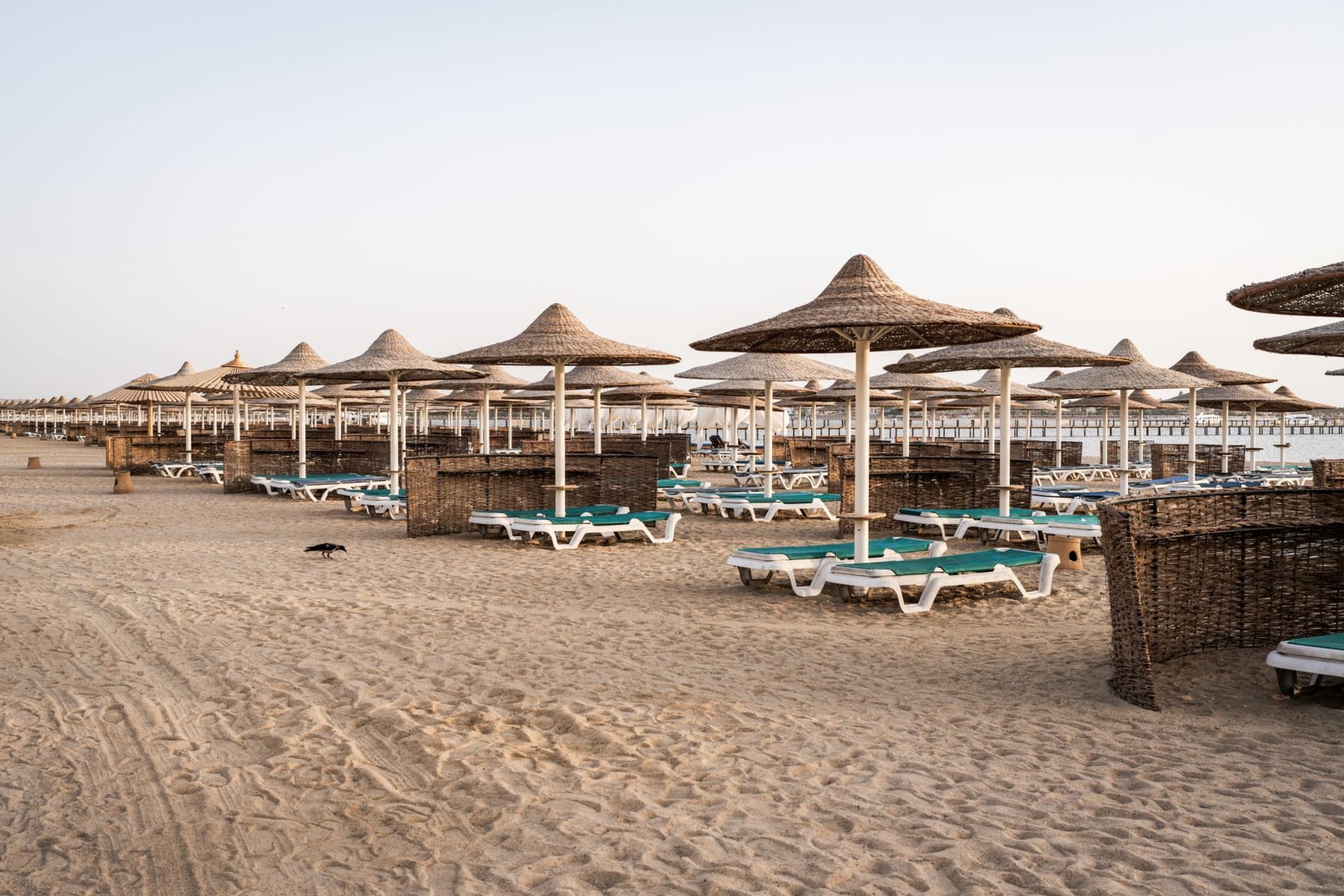
I will be honest with you about Hurghada the way I wish someone had been honest with me: the city that travel agents sell is largely a fiction composed of resort brochures and all-inclusive buffet photos. The reality is a strip of hotel compounds running twenty-some kilometers along the coast, most of them built in the 1990s with the architectural restraint of a man who has just discovered reinforced concrete, separated from each other by roads that carry more beach buggy traffic than any road should. The old town — the one that existed before the boom — is still there, about twenty minutes from the tourist corridor, and it is a different place entirely.
El Dahar, the original fishing village that Hurghada grew around, has a daily fish market where the catch comes off the boats before eight in the morning and is sold directly on the quayside by men who have been doing this for thirty years. I spent an hour there one morning and ate breakfast from a cart selling fried fish sandwiches — whole small fish in flatbread with tahini and hot sauce, for the equivalent of forty cents — while watching the transaction between fishermen and restaurant buyers that happens daily, without pause, regardless of season or tourist count. The market smells like what a fish market should smell like, which is to say it smells of the sea and cold and commerce, and nothing about it is designed for foreign consumption.
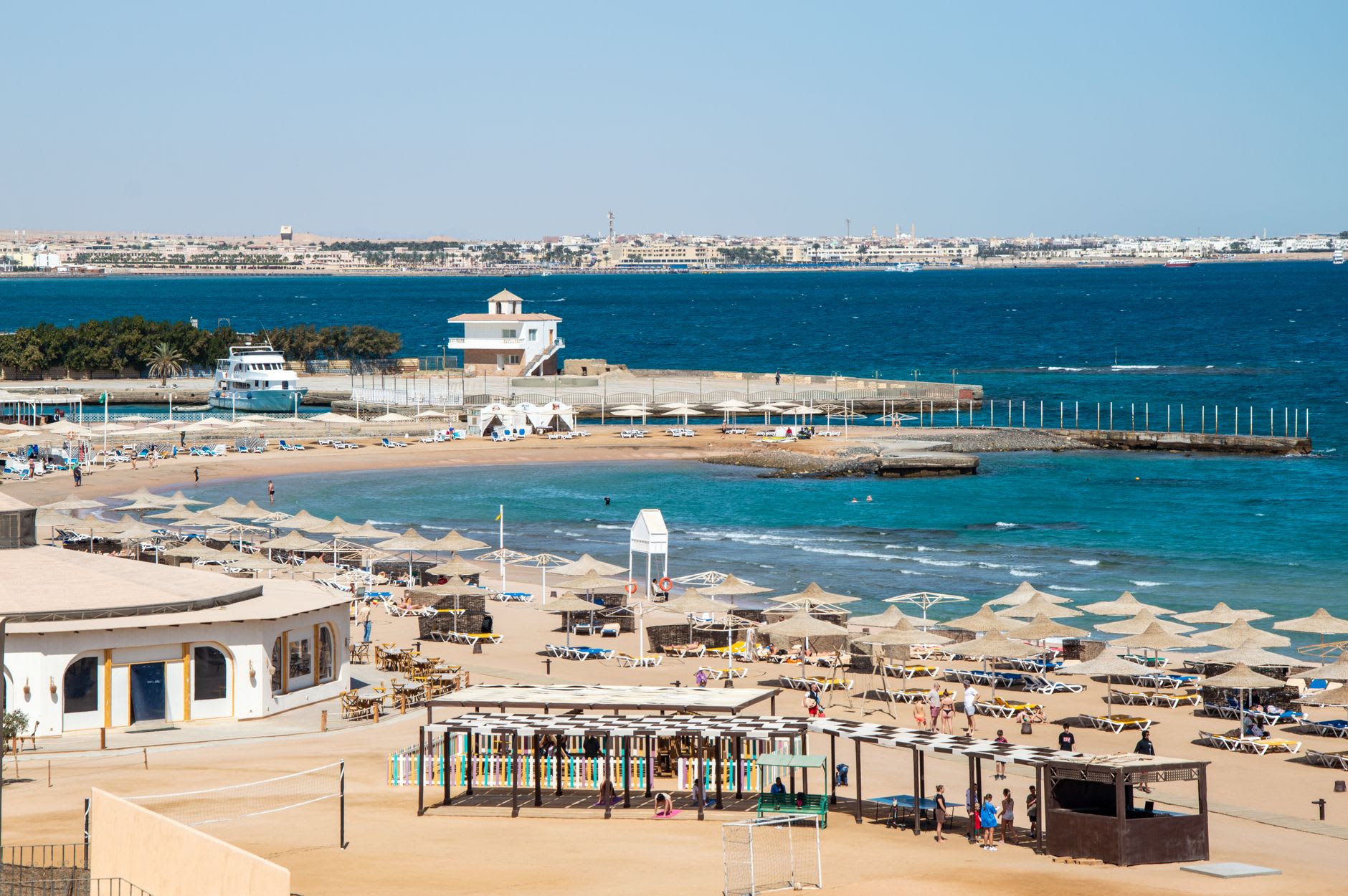
The diving, stripped of context, is genuinely good. The reefs around Giftun Island — a protected national park a short boat ride offshore — have coral coverage that the hotel strip suggests should no longer exist here. Abu Ramada Reef and its neighbor El Fanous have healthy hard coral formations, reasonable populations of reef fish, and the occasional turtle. These sites receive heavy traffic in high season; go midweek and early if you want something closer to the solitude available at El Quseir or Marsa Alam. But they are not the compromised reefs the Red Sea’s reputation for overdevelopment might lead you to expect.
The old port area, south of El Dahar, has a string of restaurants that face the sea without a resort in sight. I ate ful medames — slow-cooked fava beans with cumin and lemon, Egypt’s national breakfast, a dish that has almost certainly been eaten on this coast for three thousand years — at a place with plastic chairs and a view of fishing boats and no English-language menu. The owner brought me tea without being asked, refilled it once without being asked again, and when I tried to pay for the second cup told me through a pantomime of gestures that it was already included in the concept of sitting there.

Hurghada works best as a transport hub for the rest of the coast — direct flights from Europe make it the easiest entry point to the Egyptian Red Sea, and from here you can reach Marsa Alam in four hours, El Quseir in two, and the Nile Valley at Luxor in three. Use it that way. If you give it a day of its own — a morning in El Dahar, an afternoon on the reef — you will find more than you expected.
When to go: Year-round, but October through April gives you manageable temperatures and the best visibility for diving. Summer (June–August) fills the resorts with European package tourists and temperatures climb above forty degrees. If you’re here solely for the reef, the shoulder seasons deliver better experiences with smaller crowds.