
El Quseir
"This town exported coffee to the world for two centuries and now exports almost nothing — which is probably why it still looks like itself."
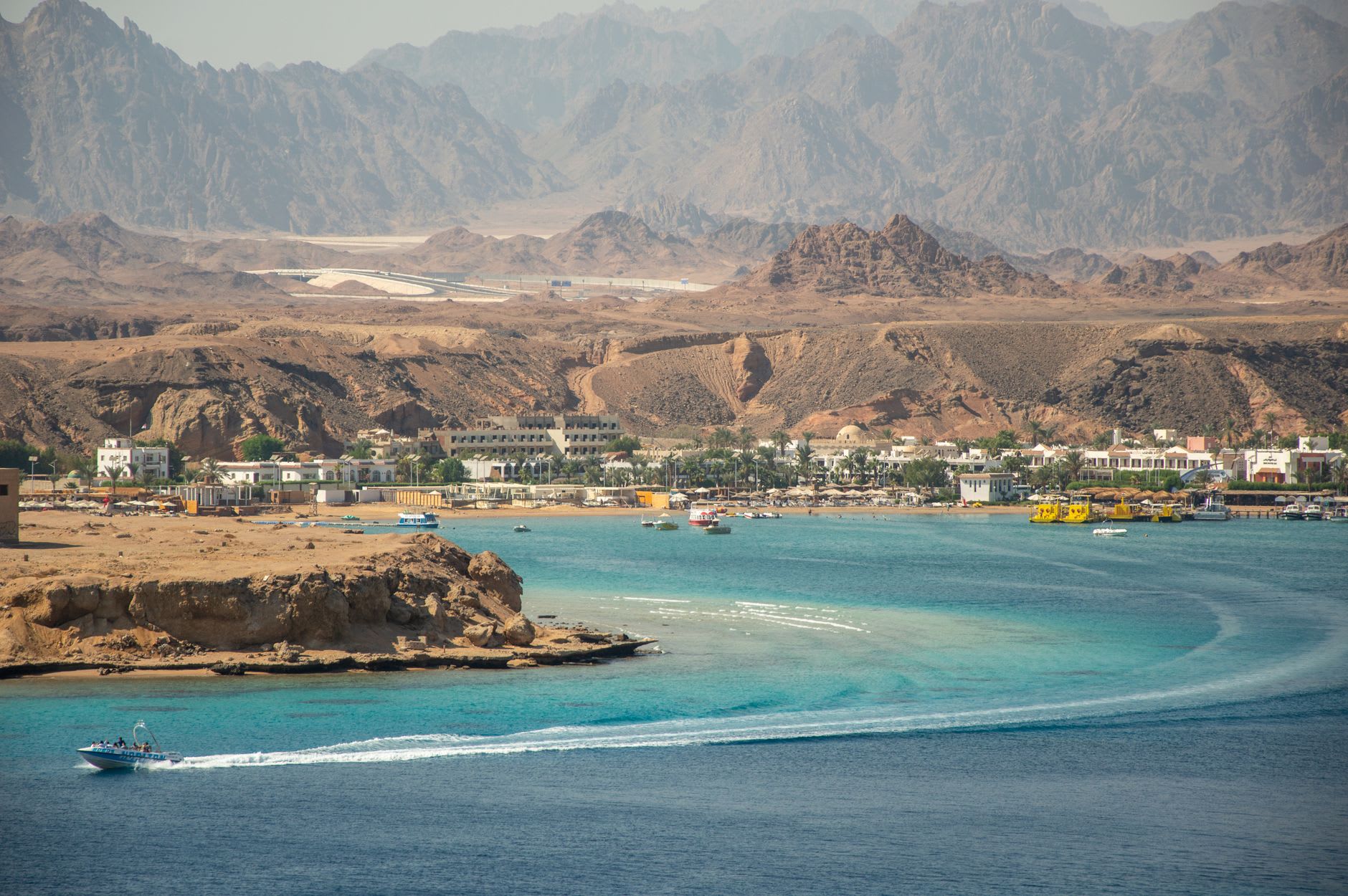
El Quseir appeared around a bend in the coast road and I asked the driver to slow down. The town is immediately distinctive in a way that Hurghada and the resort strip to the north are not: low, honey-colored buildings right at the water’s edge, a harbor with wooden fishing boats, and at the center of everything an Ottoman fort of such improbable completeness — walls intact, towers standing, the whole structure facing the sea as it has for four hundred years — that it stops the eye. I had seen too many Red Sea towns that had replaced their centers with hotel compounds. El Quseir had not done this.
The fort was built by the Ottomans in the sixteenth century to protect a trade route that, for two hundred years, made this obscure Egyptian port one of the most important in the world. Coffee from Yemen moved through El Quseir on its way to Cairo, Istanbul, and eventually Europe. Pilgrims crossed through here on the hajj route. The spice trade passed along this waterfront. Now the fort houses a small museum with Ottoman maps and Mamluk weaponry displayed in rooms that retain the original vaulted ceilings, and the harbor outside is quiet enough in the mornings that you can hear the hawsers moving in the swell.
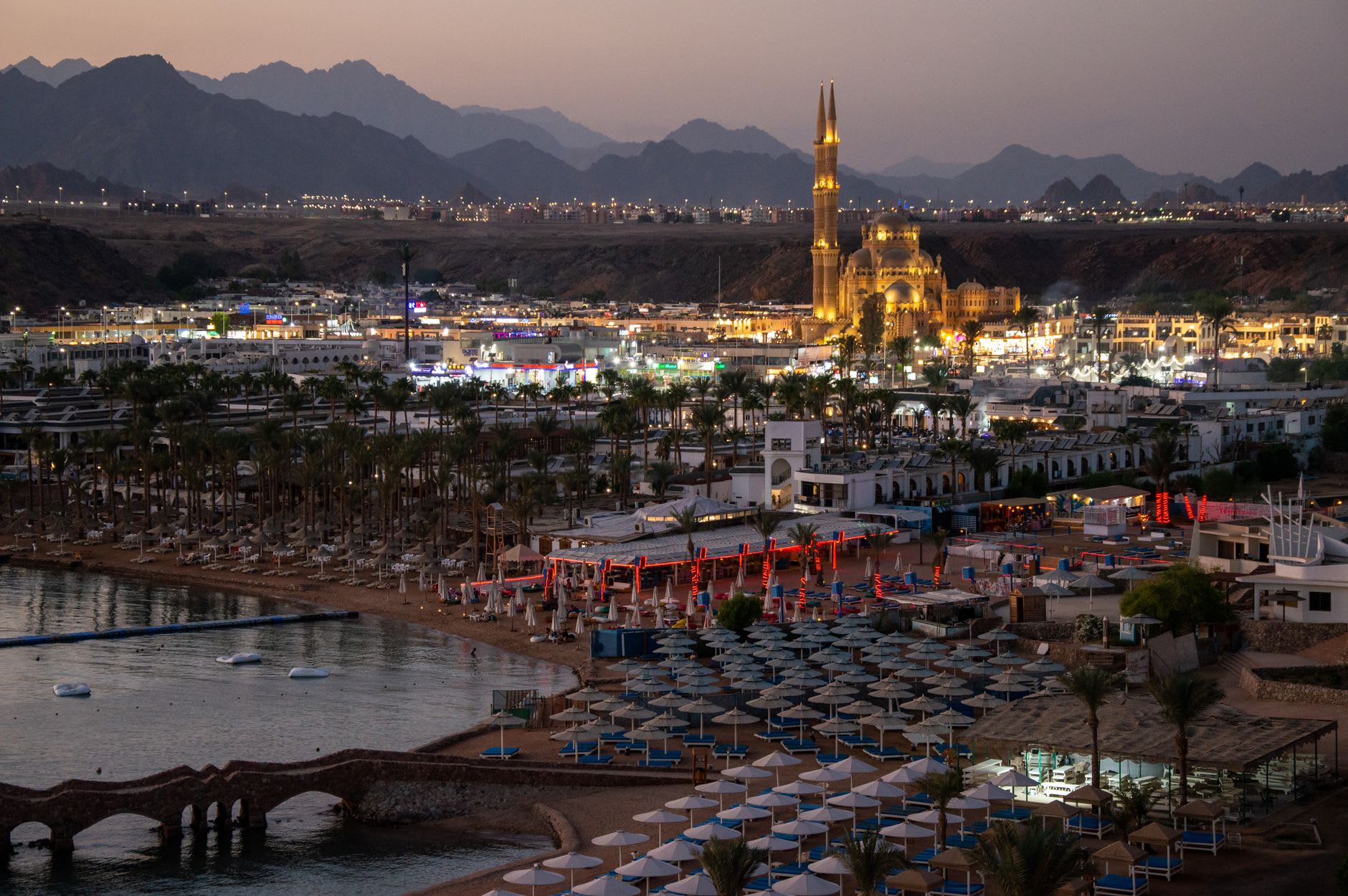
The old town behind the fort is worth the hour it takes to walk without purpose through it: narrow lanes of coral-stone buildings, some still inhabited, some in various stages of elegant decay, with carved wooden balconies and shuttered windows of the kind that make the Egyptian coast’s vernacular architecture — when it has not been demolished — so beautiful. A bakery near the mosque produced rounds of aish baladi, the flatbread of the Egyptian countryside, at about seven in the morning, and I stood on the lane outside eating one warm, watching a man feed cats and a woman hang washing from a second-floor window and thinking that whatever the travel industry meant by “authentic” probably looked something like this.
The diving is the main reason people make the effort to reach El Quseir, and it justifies the effort. With fewer operators than Hurghada or Marsa Alam, the dive sites here receive a fraction of the traffic. The reefs on the coast north of town — sites like Mangrove Bay and Sha’ab Marsa Alam — have coral coverage that would be remarkable anywhere in the world. My dive guide pointed at a table coral that measured perhaps six meters across and said, simply, “old.” A hawksbill turtle grazed on soft coral at sixteen meters and ignored us completely, which felt correct.
In the evenings the restaurants around the fort served the best roasted fish I found on the Egyptian coast — a whole mullet stuffed with herbs and baked in a clay oven, served with pickled vegetables and a dipping sauce made from fermented shrimp paste that the local fishermen apparently eat with everything. It tastes like the sea in a more concentrated form.
When to go: October through May. The town has very few tourist facilities and what exists closes or reduces hours in summer. The best diving visibility — sometimes reaching thirty-five meters — occurs in winter and spring when the winds calm. This is a place to come when you want a Red Sea experience without the resort architecture.