Abu Dabbab Bay
"Everyone promises you a dugong here. Almost nobody actually sees one. I did, and I'm still slightly insufferable about it."
A shallow seagrass bay north of Marsa Alam where I floated for two hours waiting for a dugong and got one, which almost never happens to anyone who tells you it will.
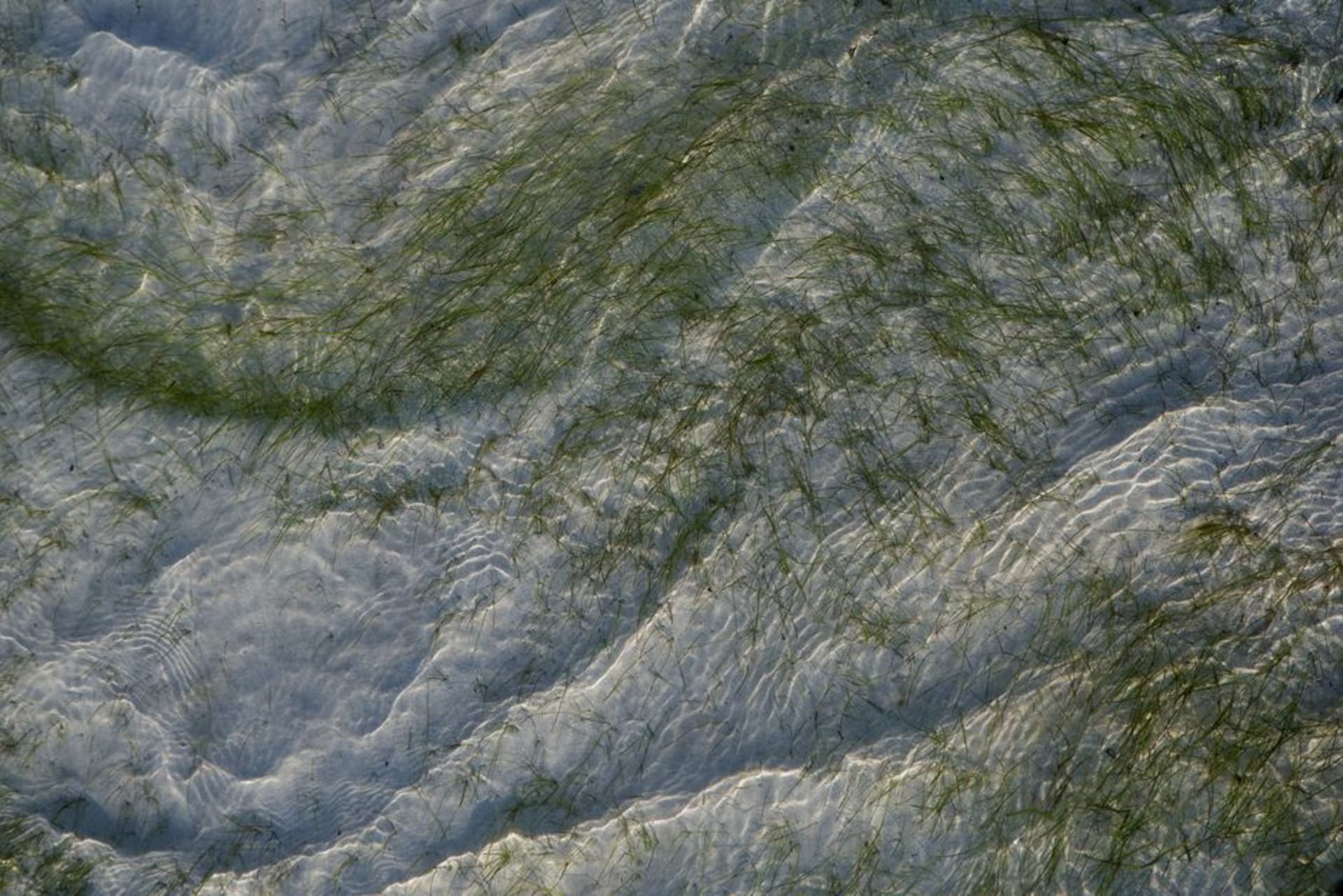
Abu Dabbab is a single curved bay about twenty minutes north of Marsa Alam by road, and it exists almost entirely because of one animal: the dugong, a genuinely rare marine mammal that grazes on the bay’s dense seagrass meadows and has made this unremarkable stretch of coastline into a pilgrimage site for anyone obsessed with seeing one in the wild. I’d read enough trip reports before going to know the sightings are inconsistent — some visitors get lucky within twenty minutes, others spend three mornings in a row seeing nothing but turtles and disappointment. I went in with low expectations specifically so I wouldn’t be crushed.
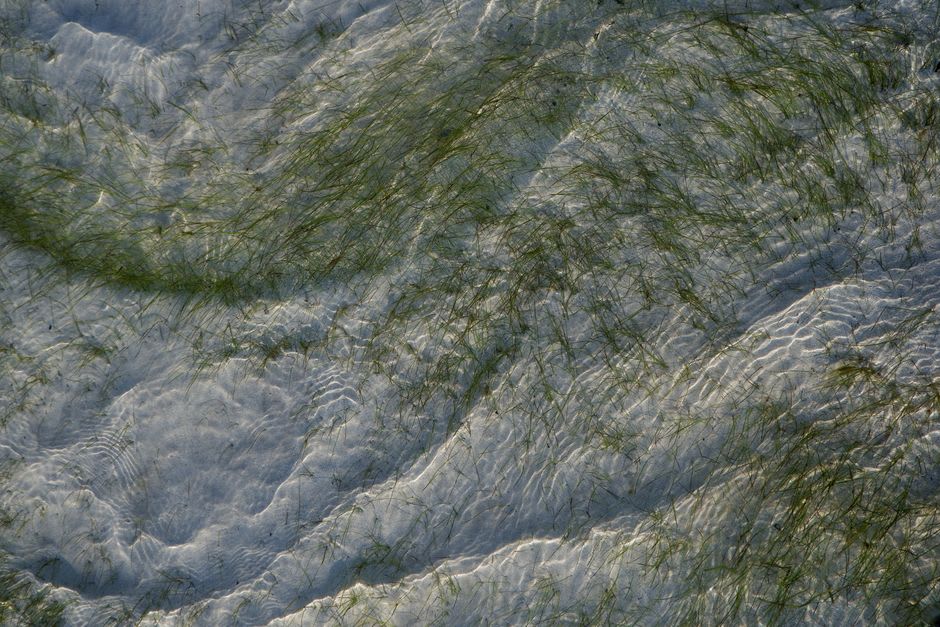
The bay itself requires almost no equipment to appreciate, which is part of its appeal — you can walk in from the beach and be floating over seagrass within a few meters, no boat necessary, no dive certification required. I spent my first hour there doing exactly what the guidebooks tell you to: swimming slow, obvious patterns over the meadow, scanning the grass line for a shadow that moves differently than the current. Green turtles were everywhere, grazing with an unhurried confidence that made me jealous of their indifference to my presence, and I told myself that would be enough of a payoff for the morning.
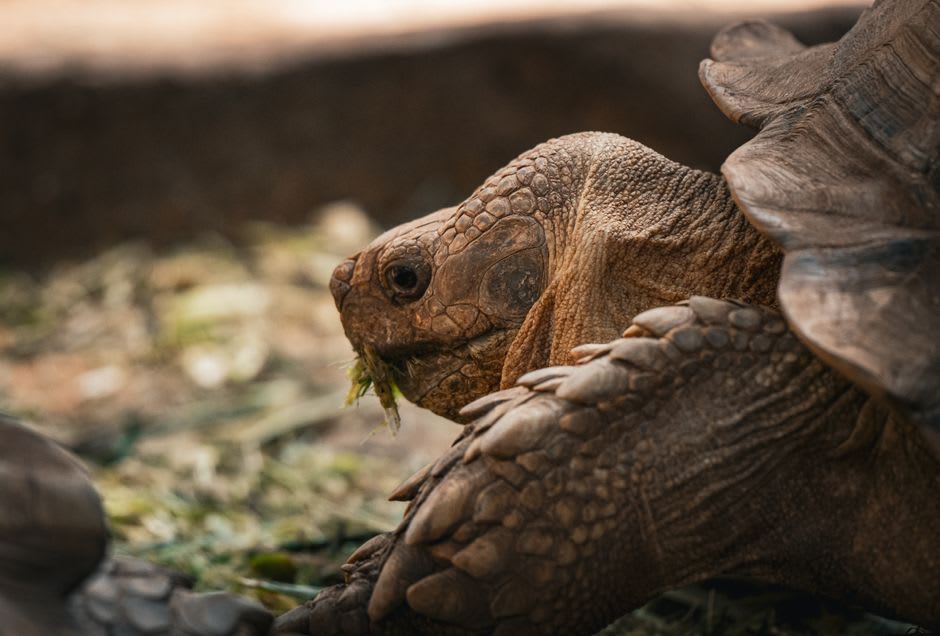
Then, close to two hours in, a shape came up from deeper water that moved with a heaviness nothing else in that bay has — a dugong, maybe two and a half meters long, grey and barrel-bodied, working its way along the grass with its strange downturned snout rooting through the substrate. I stayed a respectful distance back, as every sign posted on the beach instructs, and watched it feed for perhaps four minutes before it drifted off into water too murky to follow. I came up gasping, not from exertion but because I’d forgotten to breathe properly for the last minute of it.
The bay has a reef further out that’s worth a look if the dugong doesn’t show — sea grass gives way to coral bommies scattered with morays and the occasional eagle ray — but I’d be lying if I said anyone comes to Abu Dabbab for the reef. This is a place built around waiting, patiently and quietly, for one specific animal, and the waiting is the entire point.
When to go: Year-round is possible, but early mornings before the day-trip boats and snorkeling groups arrive give the calmest water and the best odds of an undisturbed sighting. Enter the water quietly and swim slowly — dugongs spook easily.