
Bikaner
"The oil in that kachori pan has been going longer than most countries have had their current borders."
A desert city most tours skip — which is exactly why its rat temple, its flat-ground fort, and its kachori are all better than they have any right to be.

The kachori vendor near the old market was working at a pace that suggested he had done this ten thousand times, which he probably had. He split the deep-fried pastry with a thumbnail, stuffed the cavity with spiced lentil paste, added a drizzle of tamarind chutney and a pinch of something red, and handed it to me in a fold of newspaper before I’d finished paying. I stood at the cart and ate it — the shell shattering into flakes at first bite, the filling hot and heavy with cumin and chilli, the sourness of the tamarind cutting through — and stood there thinking about how food this particular doesn’t happen by accident, how it accumulates over generations of small adjustments until it arrives at exactly the thing it was always trying to be.
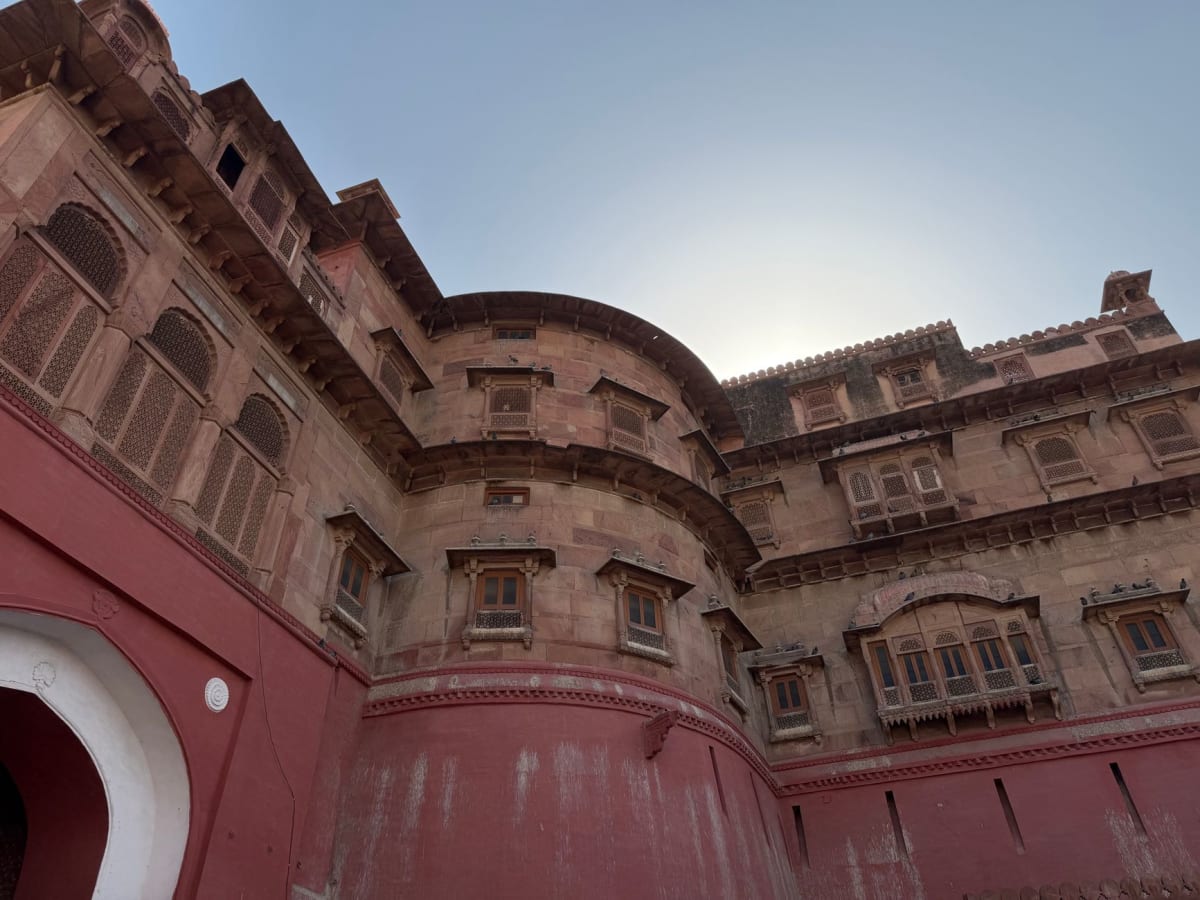
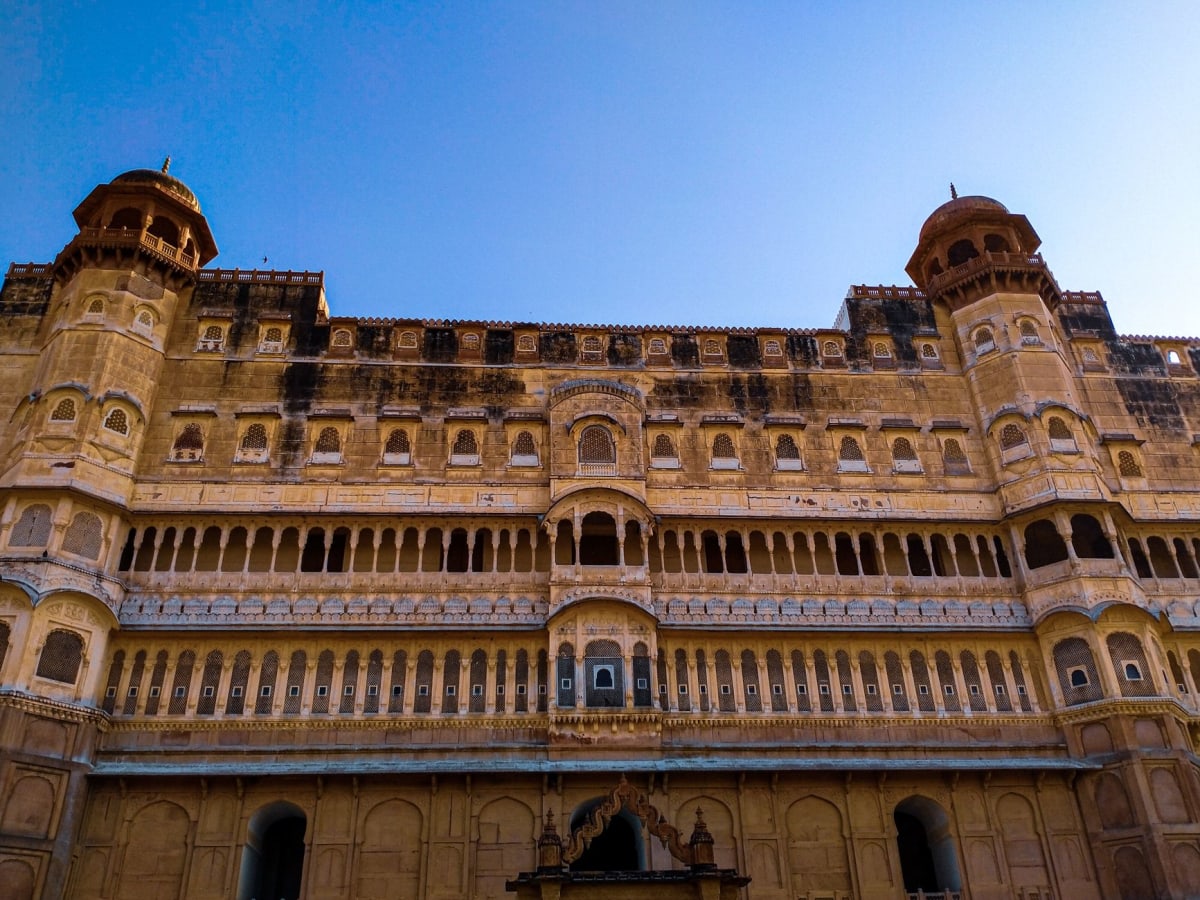
Bikaner is the Rajasthan city that the Jaipur-Jodhpur-Udaipur-Jaisalmer circuit misses, which means it receives a fraction of the visitors and retains a quality the others have partially traded away. The Junagarh Fort is anomalous even by Rajasthani standards — built on flat ground rather than a hilltop, a choice that required the architects to make the walls do all the defensive work that elevation usually handles. They did it with such thoroughness that the fort was never conquered. Inside, the successive rulers added their own chambers over four centuries, and walking through is like reading an architectural palimpsest: dark Rajput sandstone rooms giving way to cool Mughal-influenced white marble, giving way to a completely unexpected Art Deco suite installed by a twentieth-century maharaja who had developed a taste for European interiors. The juxtaposition is jarring in a way I found genuinely delightful.
The Karni Mata temple at Deshnoke, thirty kilometres south of Bikaner, deserves its own category entirely. It is a Hindu temple housing somewhere between fifteen and twenty thousand rats, all of them considered sacred, all of them running freely across floors and altars and the feet of visitors. The rats are white in parts — the white ones are considered especially auspicious — and the priests feed them milk and grain. I went with genuine scepticism and left with something closer to wonder. The rats are not frightening. They move with a confidence and purposefulness that is, once you adjust to it, oddly compelling.
The National Camel Research Centre on the edge of town offers a different register entirely — a government institution that breeds and studies camels for everything from dairy production to military service, where you can watch them being milked, taste camel milk ice cream (better than it sounds, denser and faintly sweet), and observe a species at close range that is, the more you study it, stranger and more interesting than its tourist role in Rajasthan suggests.
When to go: October through February, when the desert air is clear and the heat is manageable. Bikaner is best approached as an overnight stop or two-night base rather than a day trip — the fort alone needs a full morning, and the surrounding villages deserve a drive.
Keep exploring
More from Rajasthan
 rajasthan
Bundi
A steep-valleyed town of step wells, palace murals, and blue-painted houses that Jodhpur forgot to make famous — and is better for it.
Explore rajasthan
Chittorgarh
The largest fort in India, a vast ruined citadel on a hilltop plateau whose stones carry the weight of three sieges and the grimmest legends in Rajput history.
Explore rajasthan
Jaipur
The Pink City, where an 18th-century grid of terracotta bazaars meets one of India's most staggering hilltop fortresses and a royal observatory that works.
Explore rajasthan
Jaisalmer
A fortress city carved from golden sandstone that rises from the Thar Desert like a mirage that decided to stay permanently.
Explore rajasthan
Jodhpur
The Blue City, where a medieval fortress sits above a labyrinth of indigo-washed houses and the best chili fritters in Rajasthan.
Explore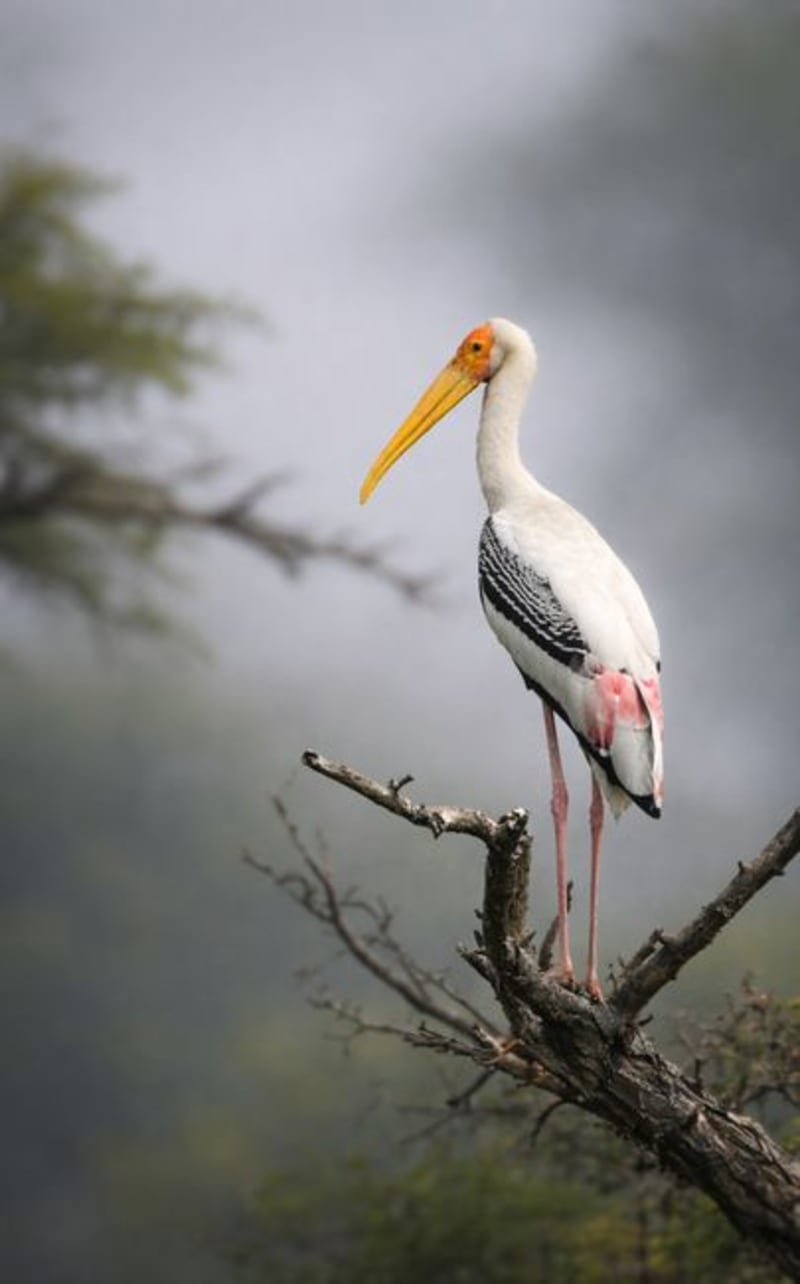 rajasthan
Keoladeo National Park
A former royal hunting ground turned UNESCO wetland sanctuary, where dawn light and thousands of wings make Bharatpur unforgettable.
Explore