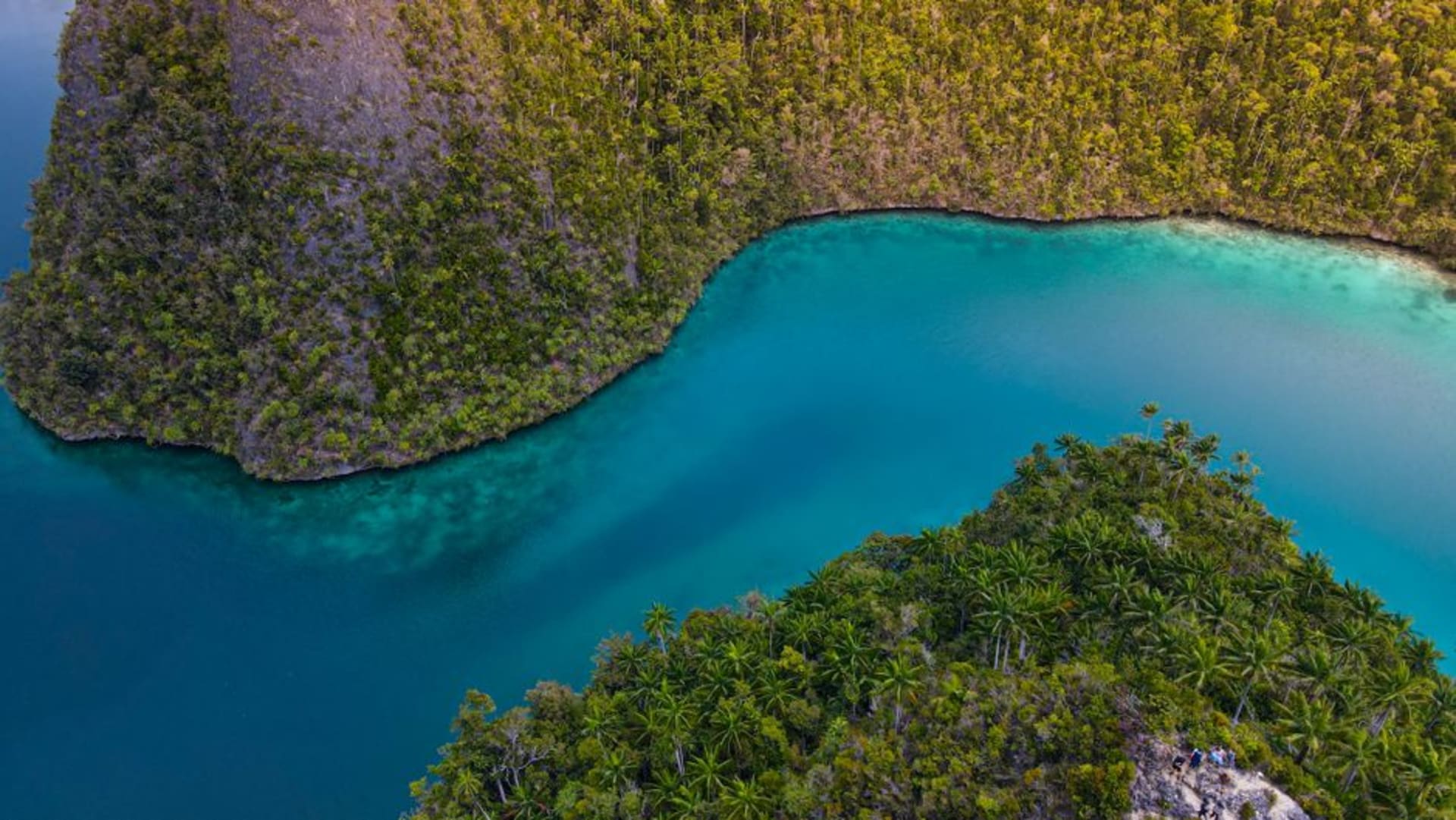
Salawati Island
"Salawati doesn't perform for you the way the limestone islands do — you have to walk into it to understand it."
A rainforest-cloaked giant of the Four Kings, where mangroves meet timber-scarred history and birds-of-paradise still call from the canopy.
I’ll admit Salawati wasn’t on our radar the first time we came to Raja Ampat. Lia and I had our heads full of Waigeo’s karst islands and Misool’s lagoons — the postcard version of the “Four Kings.” But a boat captain in Sorong mentioned, almost in passing, that Salawati was one of those four kings too, and that nobody stops there anymore except birdwatchers and people chasing timber-era ghosts. That was enough to hook us. We rerouted for two days toward Sailolof, the island’s main town, and I remember the moment the engine cut and all we could hear was the forest — a thick, humming wall of green pressing right up to the water.
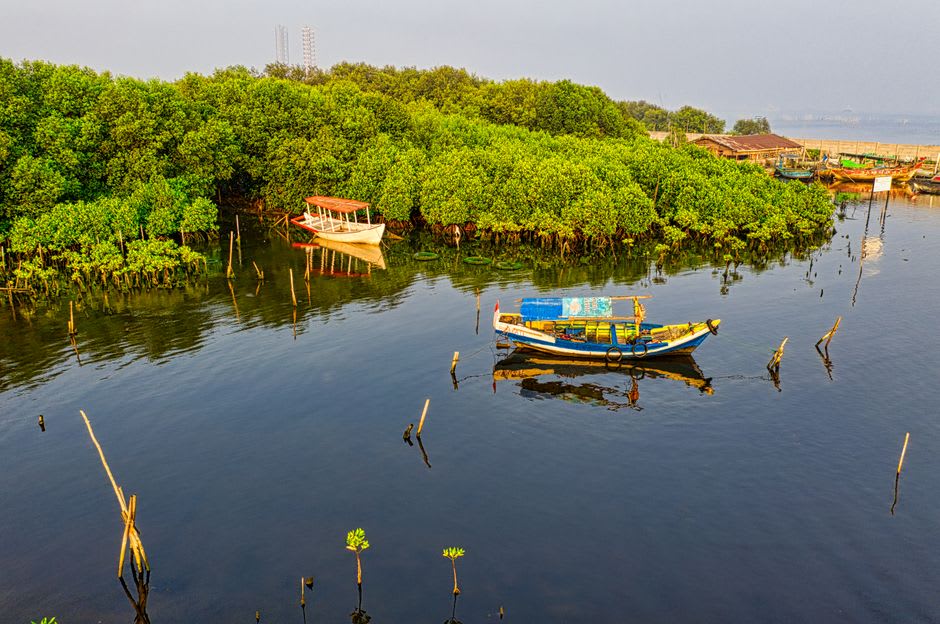
What struck me first was how different Salawati feels from its more famous siblings. There’s no dramatic limestone drama here, just lowland rainforest and mangrove creeks that seem to fold into each other endlessly. We hired a local guide in Sailolof, a quiet man named Yustus, who took us upriver in a narrow wooden canoe. He pointed out where old rubber trees still stand in rows, leftovers from the Dutch colonial period when Salawati was worked for timber and rubber. It’s strange to paddle past a piece of plantation history half-swallowed by jungle, vines wrapping around trunks that someone once planted with a very different future in mind.
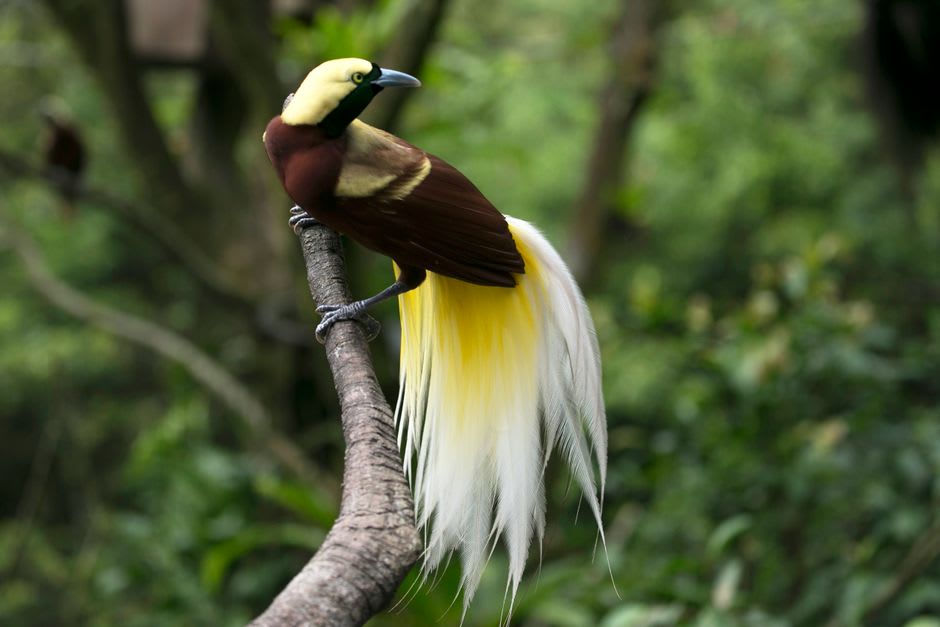
The birdwatching is what really got under my skin, though. Yustus woke us before dawn — painfully early, coffee in a thermos, mosquito spray still wet on my arms — and we sat in near silence at the edge of a forest clearing. I’m not usually patient enough for this kind of thing, but when a male bird-of-paradise finally dropped into a display perch, all copper and gold catching the first light, even Lia stopped fidgeting with her camera settings. Salawati’s interior is one of the last strongholds for several bird-of-paradise species in the region, and specialists fly in from far away just for mornings like that one.
We ended up staying three nights, longer than planned, mostly because Sailolof itself grew on us — a modest, unhurried settlement where fishermen mend nets on the jetty and kids called out to practice their English on Lia. It’s not a place with much in the way of infrastructure for travelers, and that’s exactly the point. Salawati rewards people willing to sit still in the heat and let the forest come to them.
When to go: We went in the dry season, between October and April, and I’d recommend the same — the forest trails stay passable and the early mornings for birdwatching are far less of a soggy ordeal.