Asia
Raja Ampat
"I came for the reefs and left understanding why divers never really leave."
The boat dropped me at Arborek Island just before eight in the morning, the sky still pale and the water so clear I could count the fish from the dock. I had spent three weeks planning this leg of the trip from Oaxaca, agonizing over liveaboard options versus guesthouses on Waisai, and none of it prepared me for the moment I put my face underwater for the first time. Within three minutes I was watching a manta ray the size of a dining table glide through a cloud of anthias. By the end of the day I had extended my stay by five nights.
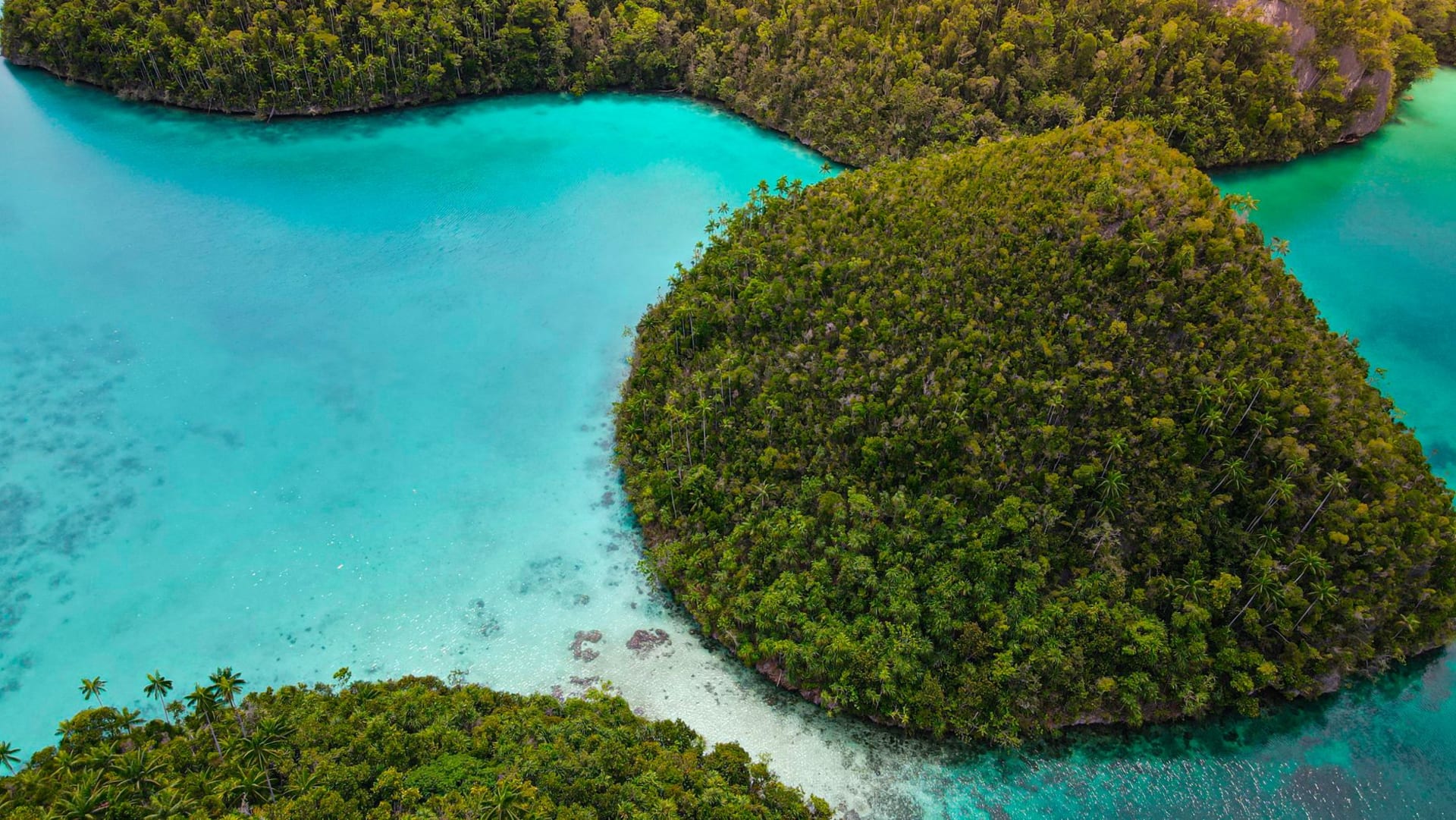
Raja Ampat sits in the Bird’s Head Seascape at the far eastern edge of Indonesia, straddling the equator in West Papua province. Scientists have recorded more than 1,500 fish species and 600 types of coral here — figures that represent roughly 75% of all known coral species on earth. These are not numbers that mean much until you dive Misool or the underwater pinnacles at Cape Kri, where the fish are stacked so densely you cannot see through them. The topside world matches the underwater one. Hundreds of mushroom-shaped karst islands covered in jungle rise from water that shifts between green and electric blue depending on depth and hour. Walking the wooden boardwalk at Yenbuba village at sunset, mangroves on one side and open ocean on the other, I understood why people build their entire trips around this place.
The practical reality is more demanding than the photographs suggest. Getting here requires a flight to Sorong, then a ferry or speedboat to Waisai, then another boat to wherever you are staying — a journey that can take the better part of a day from Jakarta, and much longer from anywhere outside Indonesia. Most accommodation is in bungalows on stilts over the water, connected to the mainland by narrow wooden jetties. There is no nightlife, limited phone signal, and meals are whatever the family running the guesthouse decided to cook — usually grilled fish with rice and a sambal that arrives with no warning. I ate magnificently every single night.
When to go: October through April offers the calmest seas and best underwater visibility. May through September brings stronger swells from the southeast, which can make crossings between islands rough. Peak season runs July to August — not impossible, but book at least four months ahead or consider a liveaboard that circumvents the accommodation squeeze.
What most guides get wrong: They sell Raja Ampat purely as a diver’s destination, which means non-divers hesitate. Do not. Snorkeling here rivals scuba diving almost anywhere else in the world — sites like Pianemo and the jellyfish lake at Misool require no certification and deliver experiences that will stay with you for years. The real mistake is coming for less than a week. The journey is too long and the place too extraordinary to rush.