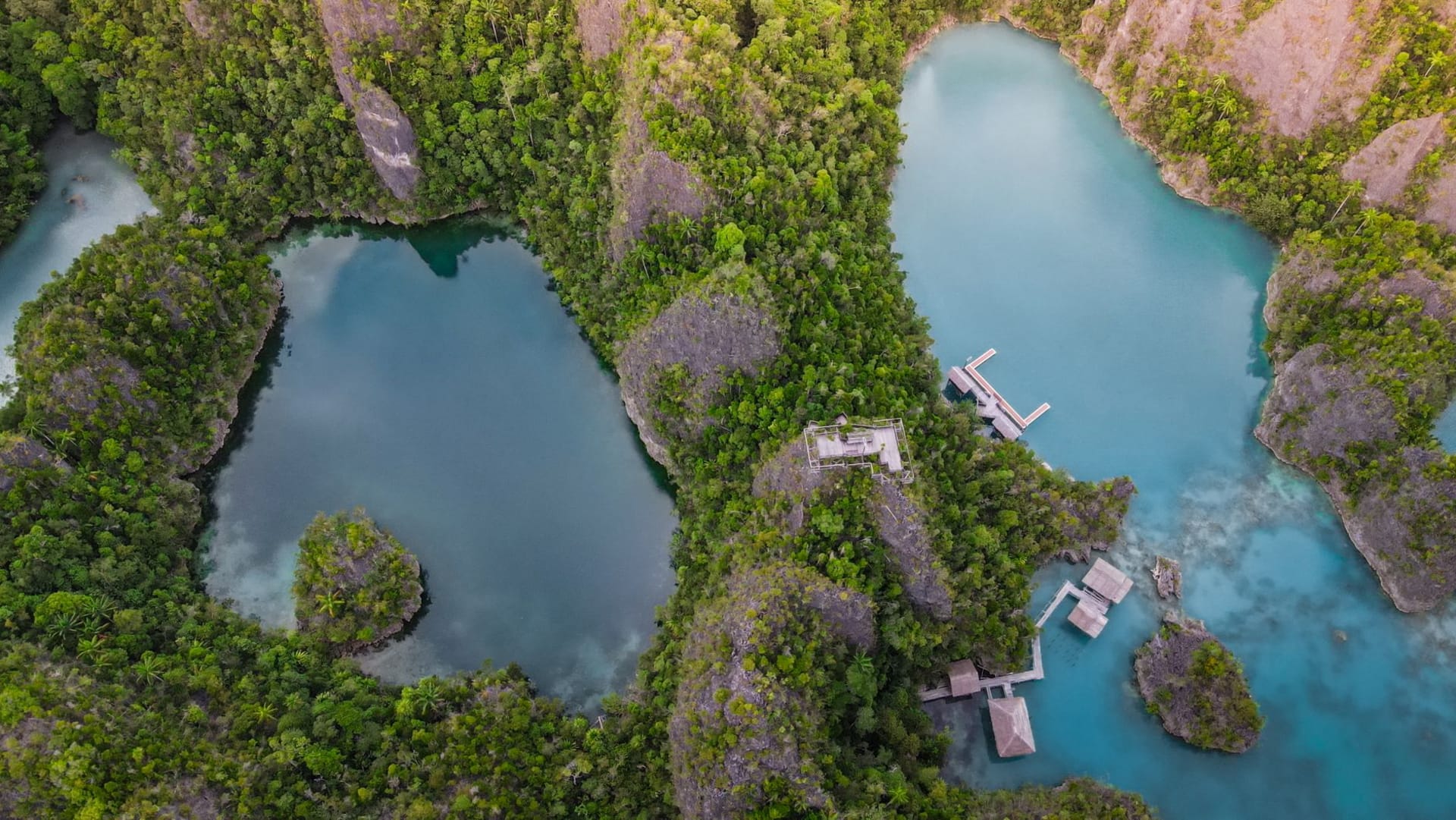
Gam Island
"We got up at four in the morning to watch a bird, and it remains one of the best decisions I've made."
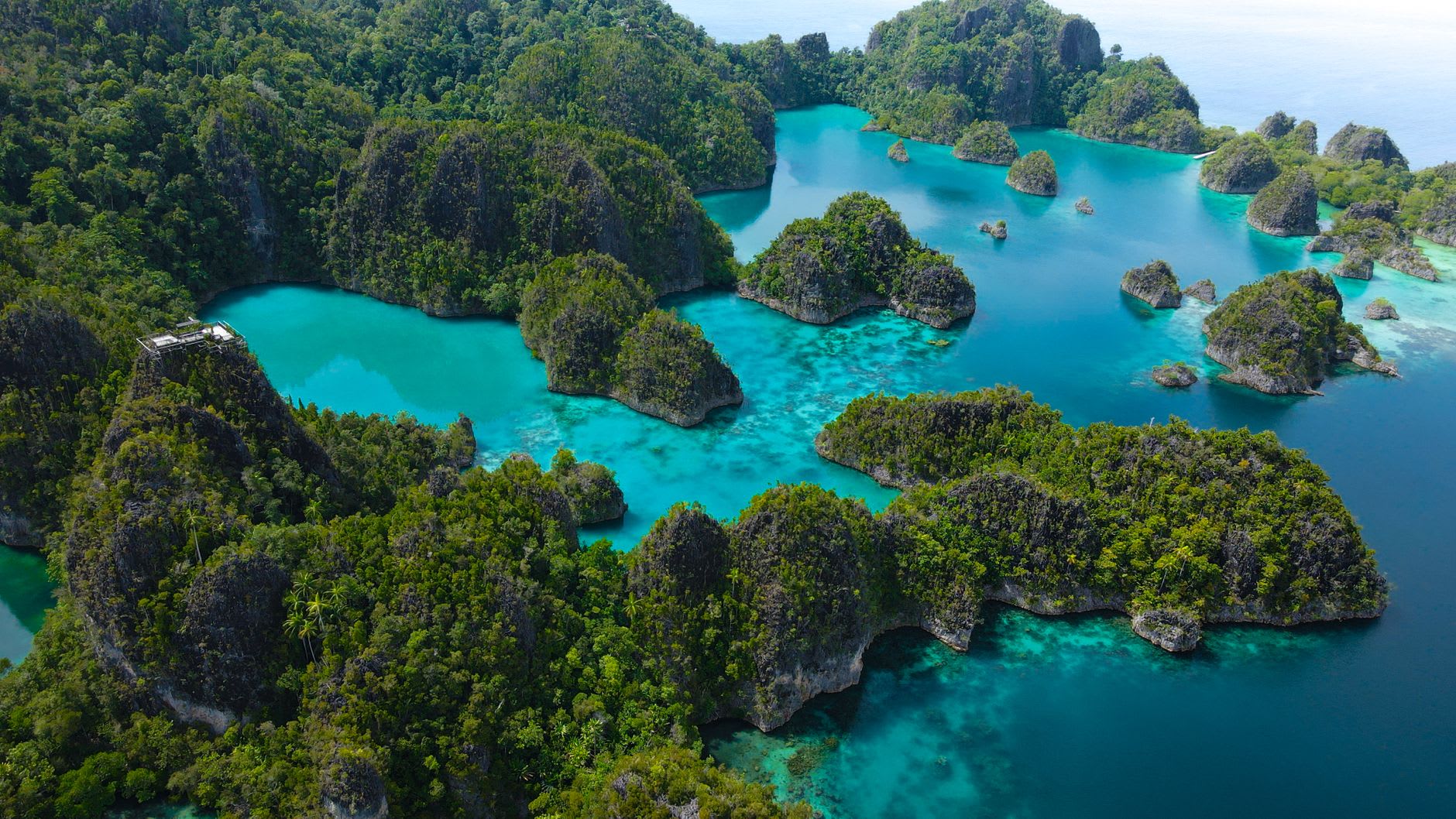
Gam is one of the larger islands in Raja Ampat, a great forested hump of limestone and jungle just north of the more-visited Kri, and it is the kind of place that rewards getting up at an indecent hour. We were staying at a simple family homestay on the south coast — a row of wooden bungalows on stilts over the water, a generator that ran for a few hours after dark, meals of fish and rice eaten communally — and the reason we’d come to Gam specifically was a bird. The red bird-of-paradise, Paradisaea rubra, lives almost nowhere else on earth, and one of its display grounds is a steep forest ridge a short boat ride from the homestays.
The dawn trek
The walk begins in the dark. Our guide, a quiet local man named Yance, woke us at four, handed us each a sad torch, and led us up a slick muddy path through forest that was screaming with insect noise and absolutely lightless. I fell over twice. Lia, infuriatingly surefooted, did not. After forty minutes of climbing we reached a small blind where Yance gestured for total silence and we waited in the grey pre-dawn, sweating and breathing and listening. Then the birds arrived. The males came in to a bare display branch high in the canopy and began to call — a harsh, ringing wok-wok-wok — and then to dance, throwing their heads back, fanning out cascades of crimson plumes, hopping and shivering along the branch in a frantic, ridiculous, utterly captivating performance. We watched for an hour. I forgot about the mud entirely.
The thing about the bird-of-paradise display is that no photograph or documentary prepares you for the sheer effort of it — the birds work, throwing everything they have into a performance for females who mostly seem unimpressed. There is something both absurd and moving in it. We walked back down in full daylight, mud-streaked and elated, and ate an enormous breakfast.
Reef, mangrove, and the slow days
The rest of Gam is for the water. The house reef off the homestay dropped away into a wall of soft coral and fish, and Lia and I spent whole afternoons just snorkelling out from the jetty — wobbegong sharks lying flat on the sand, schools of fusiliers turning in unison, the occasional sea turtle ignoring us completely. A short paddle takes you into mangrove channels where the water is glass-clear and the coral grows right up among the roots, which is a strange and lovely thing to float through. There’s no town, no nightlife, no signal worth the name. Days are organised entirely around tide, light, and meals, and after the first day I stopped looking at my phone.
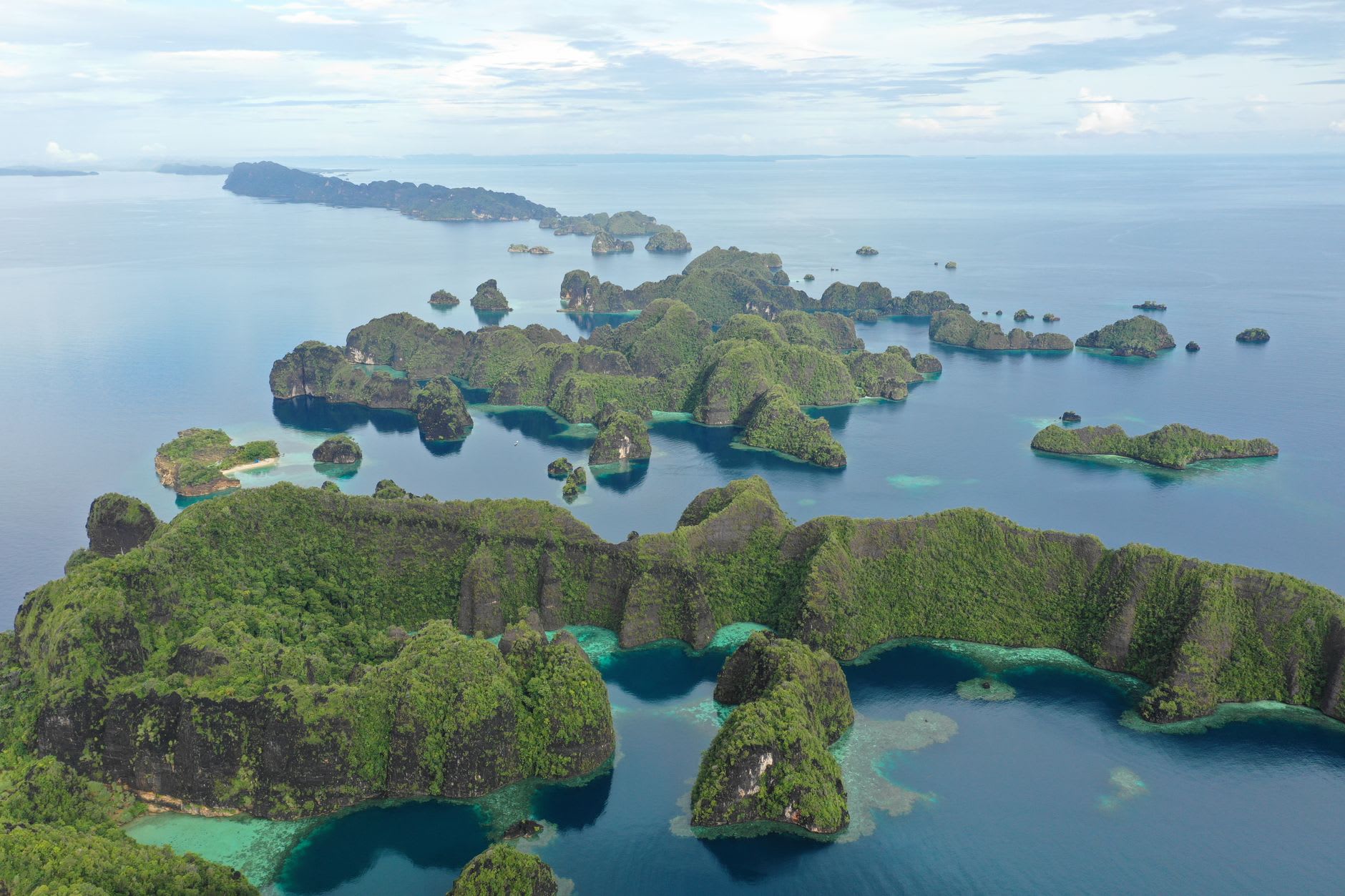
Gam is not luxurious and it is not cheap to reach, but it is the real Raja Ampat — the version that existed before the resorts, run by Papuan families on their own land, with the forest at your back and the reef at your feet.
When to go: October through April for the calmest seas and best visibility, though Raja Ampat is good most of the year. Book a homestay directly and bring cash — there are no ATMs out here. Do the bird trek on your first morning before the days blur together, and budget for the marine park entry permit.