
Port Douglas
"Port Douglas on a Sunday morning before the heat builds — the Queensland everyone imagines before they arrive."
The quieter alternative to Cairns — a small peninsula town where Four Mile Beach meets the World Heritage rainforest at the end of a spectacular coastal drive.

The Captain Cook Highway between Cairns and Port Douglas is one of the genuinely great coastal drives in Australia. The road clings to the mountain’s edge for most of its 75 kilometres, dropping to sea level through sugarcane towns and climbing again along headlands where the Coral Sea appears below as something almost too saturated to be real — this blue-green that the overcast sky can’t diminish and the midday sun makes almost painful. I drove it at first light, which was a mistake only in that the quality of the light made it difficult to keep my eyes on the road. The sun was hitting the water at an angle that turned the whole surface to hammered silver, and the mountains behind Port Douglas were still holding their morning shadow while the town itself was already in full brightness below.
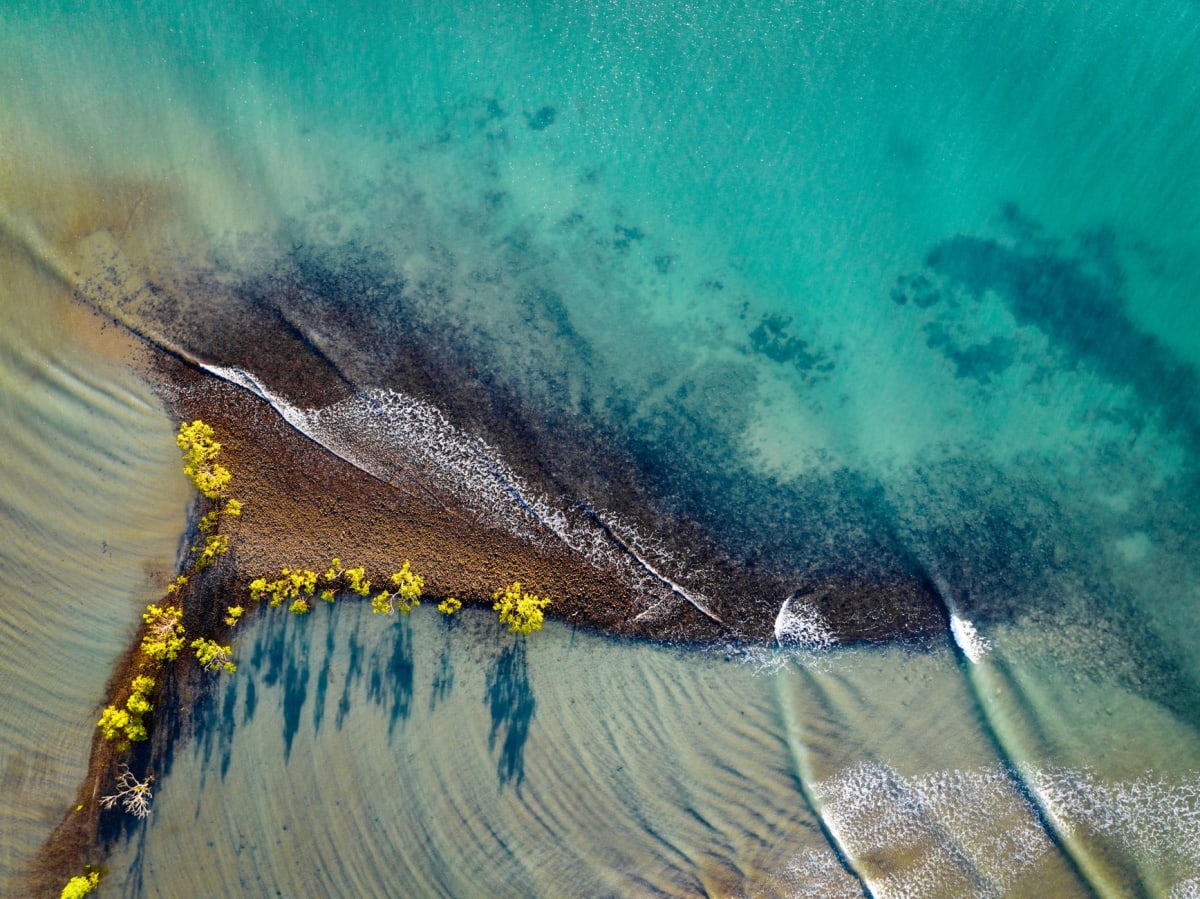
Port Douglas is what Cairns used to be, or what Cairns imagines it still is in its better moments. The town is small — a grid of streets on a narrow peninsula between Four Mile Beach and the estuary — and its main street, Macrossan, holds the kind of restaurants and boutiques that suggest a clientele with both money and taste. The marina is quiet in the morning: the liveaboard dive boats gone before six, the pelicans having taken possession of the jetty with the proprietary ease of birds who know they’ve picked well. You can walk the whole town in twenty minutes and feel, at the end of it, that you’ve understood the essential proposition of the place: good food, a great beach, access to the reef and the rainforest, and the specific pleasure of a small town that has not tried to grow beyond what makes it work.
Four Mile Beach is the town’s front garden: a long pale crescent of sand with the mountains at its back and the reef on the horizon, the water shifting between turquoise and deep blue depending on the depth and the time of day. The swimming season is October to May, with stinger nets protecting a section of the beach during jellyfish season. The rest of the year you have the beach largely to yourself, and the early mornings — before eight, before the light gets hard — are worth the alarm: the water flat and clear, the pelicans working the shallows, the mountains still carrying their mist.

Mossman Gorge, twenty minutes north of town, is the southern entrance to the Daintree World Heritage Area — a place where a clear cold river runs over granite boulders through a gorge shaded by ancient forest. The Kuku Yalanji Dreamtime Walk transforms what would otherwise be a beautiful bushwalk into something that carries genuine cultural weight. My guide explained the relationship between a particular tree and the soil beneath it, between that soil and the water running past, between the water and the fish in it and the bird above the fish — a web of relationships that the forest has been managing for tens of thousands of years with no input required from me. The gorge’s swimming hole, cold and deep and perfectly clear, is the reward at the end of the walk and the thing I still think about when the heat gets bad.
The Sunday Markets at Anzac Park on Macrossan Street are the town’s best weekly institution: local ceramicists, tropical produce, coffee that’s better than it has any right to be given the informal setting, and the particular social atmosphere of a small community that has built something good and shows up reliably to maintain it. The farmers here know their customers by name. Port Douglas on a Sunday morning, before the day heats up and the tour buses arrive, is the quiet, specific, food-forward Queensland that visitors imagine before they land and are surprised to discover actually exists.
When to go: June through September is close to perfect — dry, cool mornings, clear reef conditions, everything accessible. October and November bring heat before the wet season but the beaches remain good. April and May offer the end-of-wet-season lushness with manageable humidity. The Christmas holiday rush fills the town completely — avoid if you want the quiet version.
Keep exploring
More from Queensland
 queensland
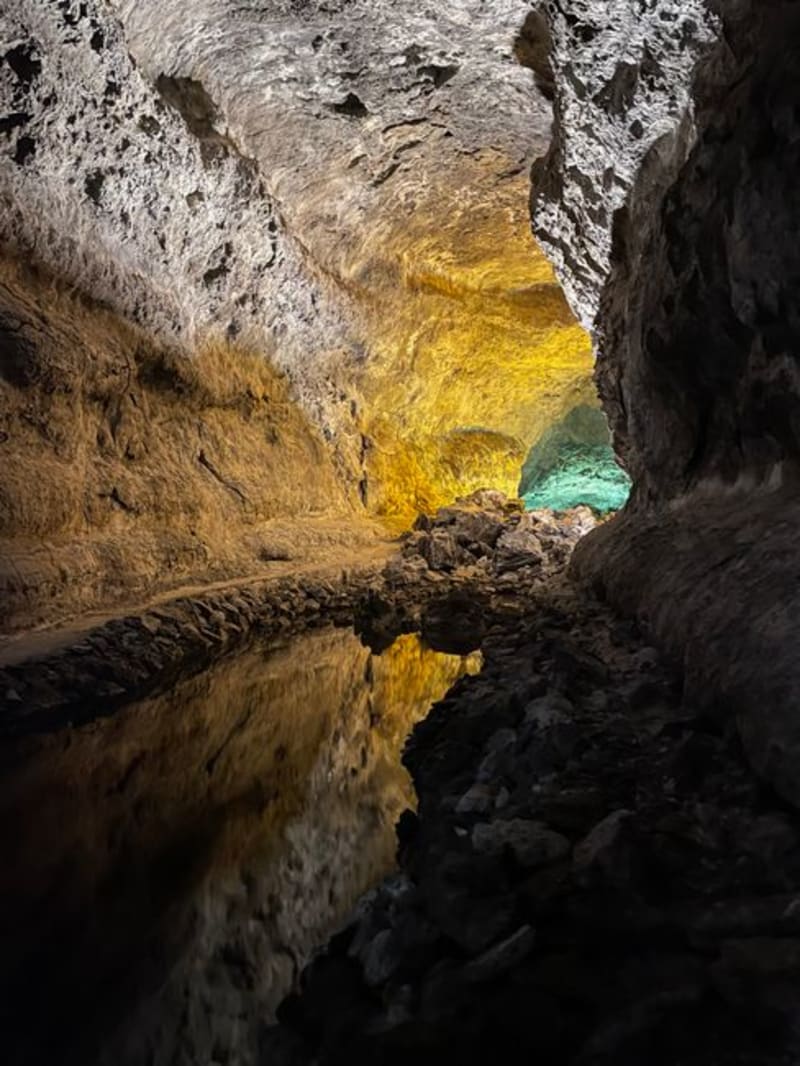
Undara Volcanic National Park
A savanna landscape in Queensland's outback gulf country hiding one of the longest lava tube systems on earth, carved 190,000 years ago by a single volcano.
Explore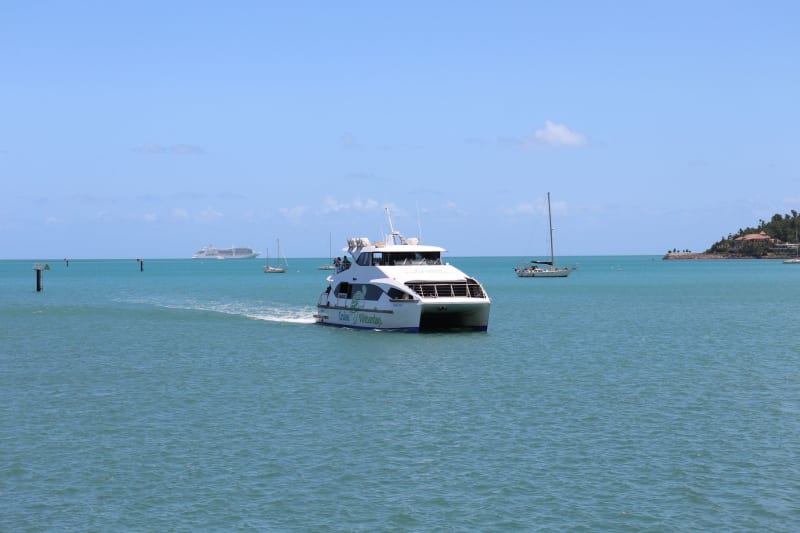 queensland
The Whitsundays
Seventy-four islands scattered across the Coral Sea where the water is so improbably turquoise it looks colour-corrected.
Explore queensland
Agnes Water and Town of 1770
The southernmost point of the Great Barrier Reef and Queensland's official birthplace, twinned into one unhurried coastal outpost with the best surf north of Noosa.
Explore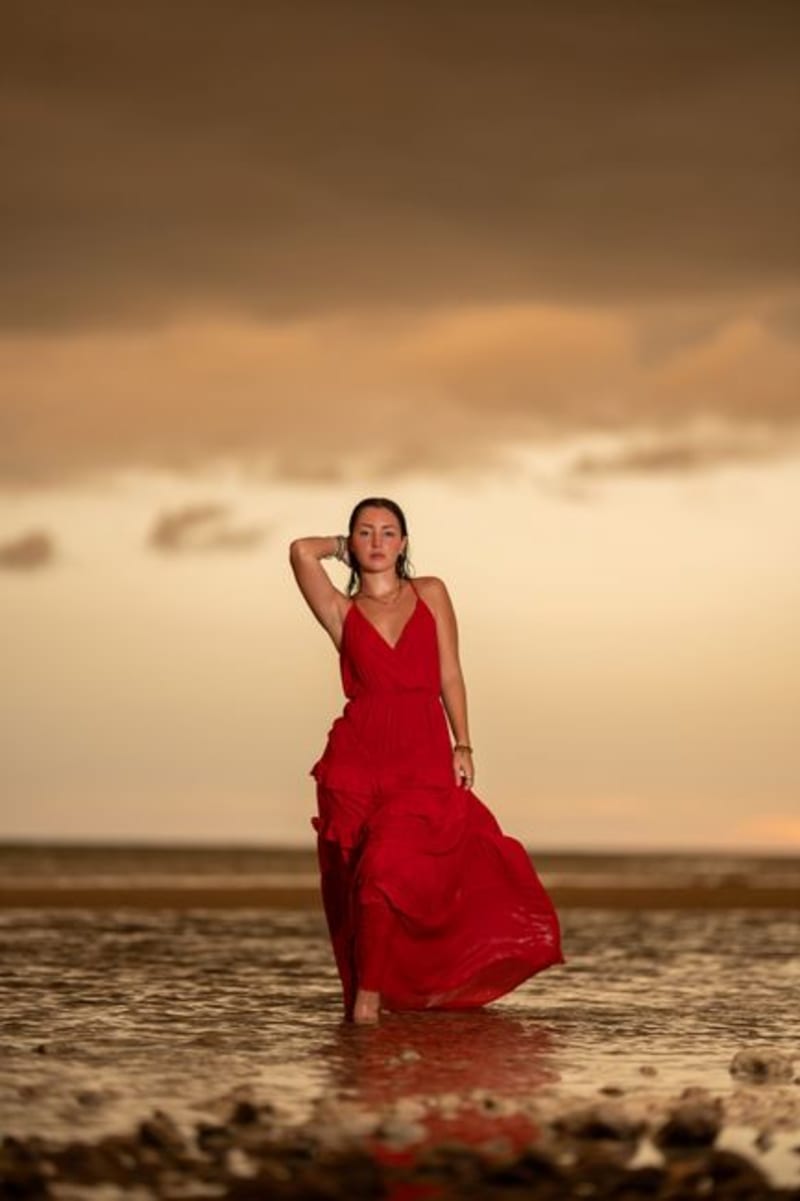 queensland
Airlie Beach
The mainland gateway to the Whitsundays — a compact, unpretentious sailing town where backpackers and yacht owners drink at the same bars.
Explore queensland
Cairns
A city built entirely around the act of departure — for the reef, the rainforest, the Cape — and somehow remarkable for it.
Explore queensland
Cape York Peninsula
Australia's last genuinely remote frontier — red dirt tracks, crocodile rivers, ancient rock art, and a tip-of-the-continent ending that earns every kilometre of dust.
Explore