Noosa
"Noosa is the only beach town in Australia where the bookshop on the corner makes you want to move to the street it's on."
The Sunshine Coast's most considered town — a national park headland, a river behind it, a food scene that knows what it's doing, and beaches that handle the surf well.

I arrived in Noosa on a bus from Brisbane and walked directly to the national park, which was the right order of priorities. The coastal track begins at the end of Park Road and runs east through scribbly gum and banksia along headlands that drop to coves most tourists haven’t found. At six in the morning there is no one on it but the trail runners and the people who’ve been here long enough to know. The light came off the water at Dolphin Point in that particular Queensland way — sharp, almost aggressive in its clarity — and I stood there longer than made any practical sense given that I hadn’t slept properly or eaten breakfast, just watching the sea below move through its early-morning business of swell and surge and foam on the rocks.
Noosa is where southeast Queensland’s money goes to be itself rather than show off. Hastings Street, the main strip, is lined with restaurants and boutiques that suggest a clientele who know what they’re doing and can afford to do it well, but the street never tips over into the kind of performative luxury that makes you feel underdressed just walking past. The coffee is excellent. The independent bookshop on the corner is the kind of operation that makes you want to live nearby — curated rather than comprehensive, with a proprietor whose recommendations you trust on sight. The Sunday produce market at the park draws the farmers from the Sunshine Coast hinterland with strawberries and macadamias and small-batch cheese made in the valleys behind the coast. The food culture here has been building for twenty years and has arrived at a confident regional identity: native ingredients appearing on restaurant menus alongside local fish and reef catches, the chefs on first-name terms with their suppliers.
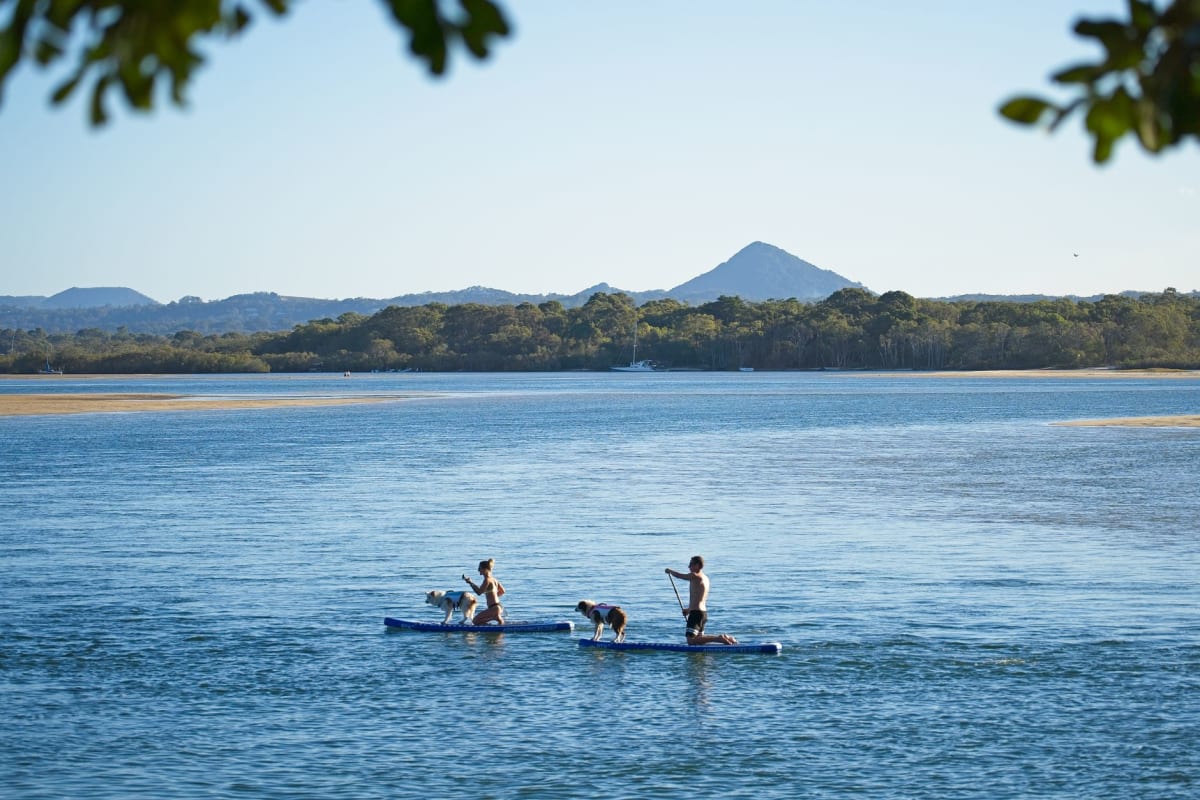
The Noosa River is the less-photographed reason to come and perhaps the best one. Running behind the headland and through Noosaville to the lakes and channels behind the dunes, the river offers a completely different relationship with the landscape: flat water, kayaks, paddleboards, mangrove-fringed channels where kingfishers conduct their business without acknowledgement of the recreational traffic. I rented a kayak for a morning and paddled up into the upper lake system where the reeds close in and the pelicans stand in shallow water with the particular stillness of animals engaged in very focused patience. Coming back down the river in the afternoon light, with the hinterland ranges going pink behind the tree line and a glass of white wine waiting at the riverside restaurant in Noosaville, felt like the kind of afternoon that a younger version of me would have considered irresponsible and a current version of me has learned to defend.

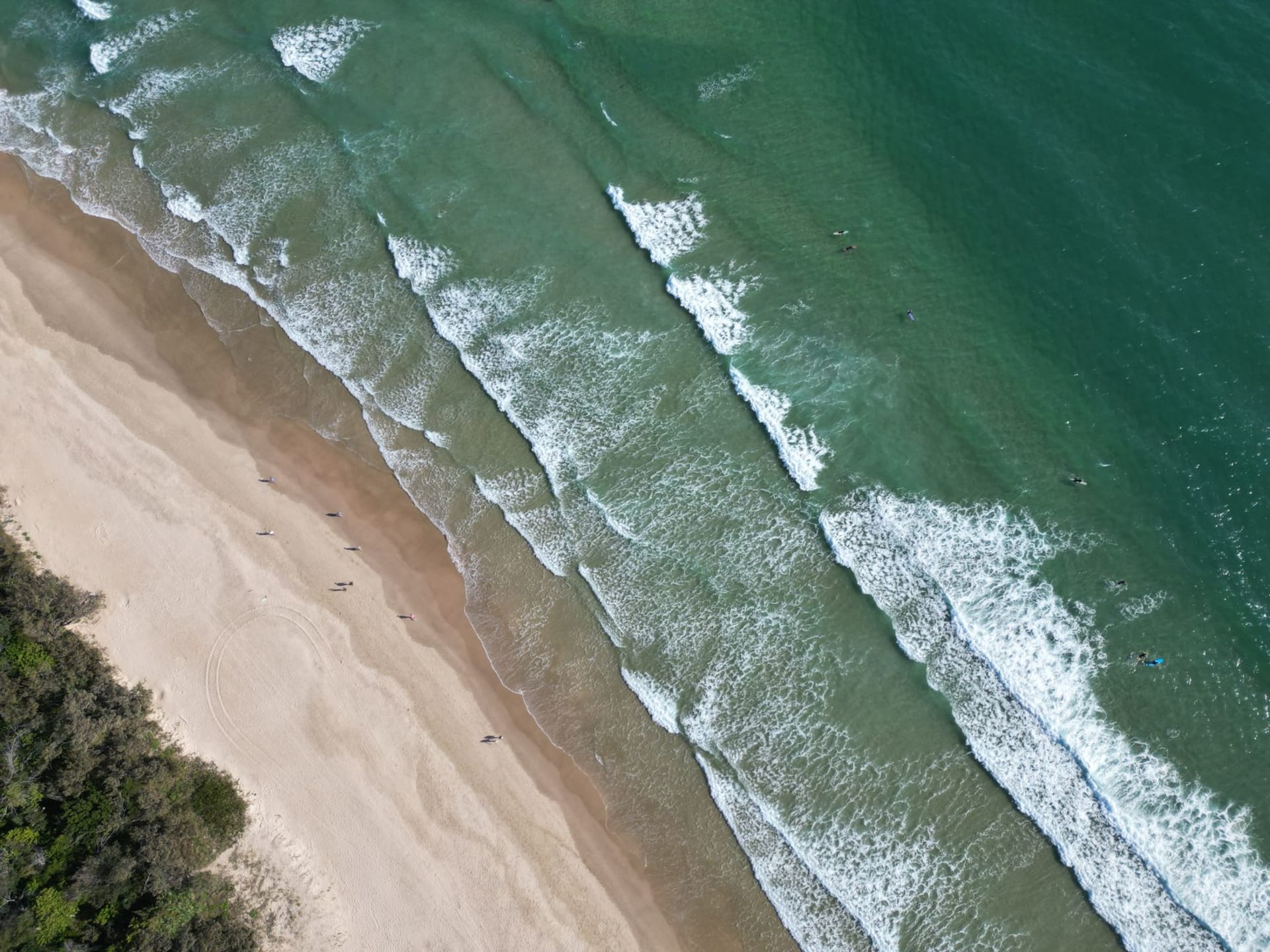
Main Beach, the crescent of sand below Hastings Street, manages the difficult trick of being simultaneously fashionable and functional. The surf here is gentler than the exposed north Queensland beaches — a beach break that’s forgiving enough for learners and consistent enough for the surfing lesson industry that operates along its southern end. The crowds in the summer holidays are significant, but the early mornings and late afternoons remain quiet in the way that good beaches reward the disciplined. The north Queensland custom of treating the coast as a morning gymnasium applies: swimmers doing laps in the gentle shore break, SUP hire opening before the coffee shops, joggers on the sand with the focused expressions of people who have discovered that running here is significantly better than running anywhere else they’ve ever been.
The Noosa Triathlon in October is worth timing your visit around if you don’t mind the accommodation premium — the town fills with athletes and the energy on Hastings Street in the three days surrounding the race has a particular quality, the kind produced by large numbers of physically fit people who are also, after the race, extremely willing to enjoy themselves.
When to go: September through November is the Noosa sweet spot — warm enough for swimming, cool enough for long walks, crowds not yet at summer peak. The Noosa Triathlon in late October adds energy without overwhelming the town. June and July are cool and clear — excellent for eating, walking, paddling, and appreciating how good the coffee is here without a queue.
Keep exploring
More from Queensland
 queensland
 North Stradbroke Island
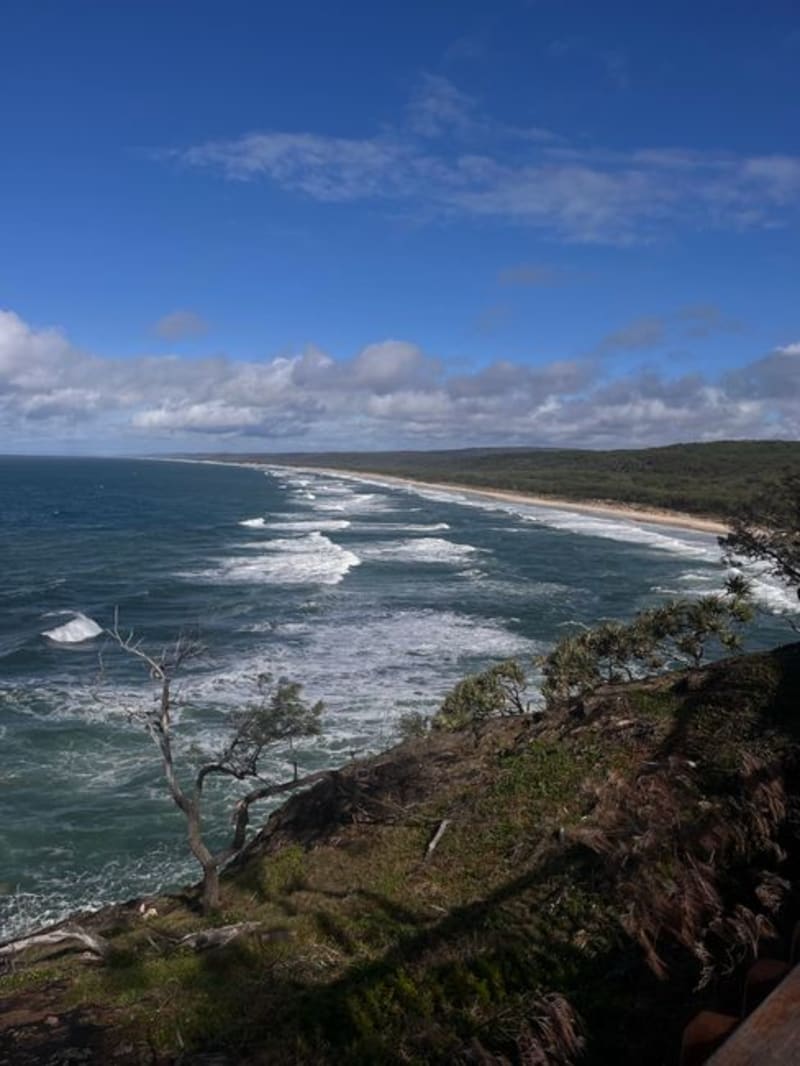
A sand island forty minutes off Brisbane where surf beaches, freshwater lakes and old mining scars share space with one of the best whale-watching points in the state.
Explore queensland
 Port Douglas
The quieter alternative to Cairns — a small peninsula town where Four Mile Beach meets the World Heritage rainforest at the end of a spectacular coastal drive.
Explore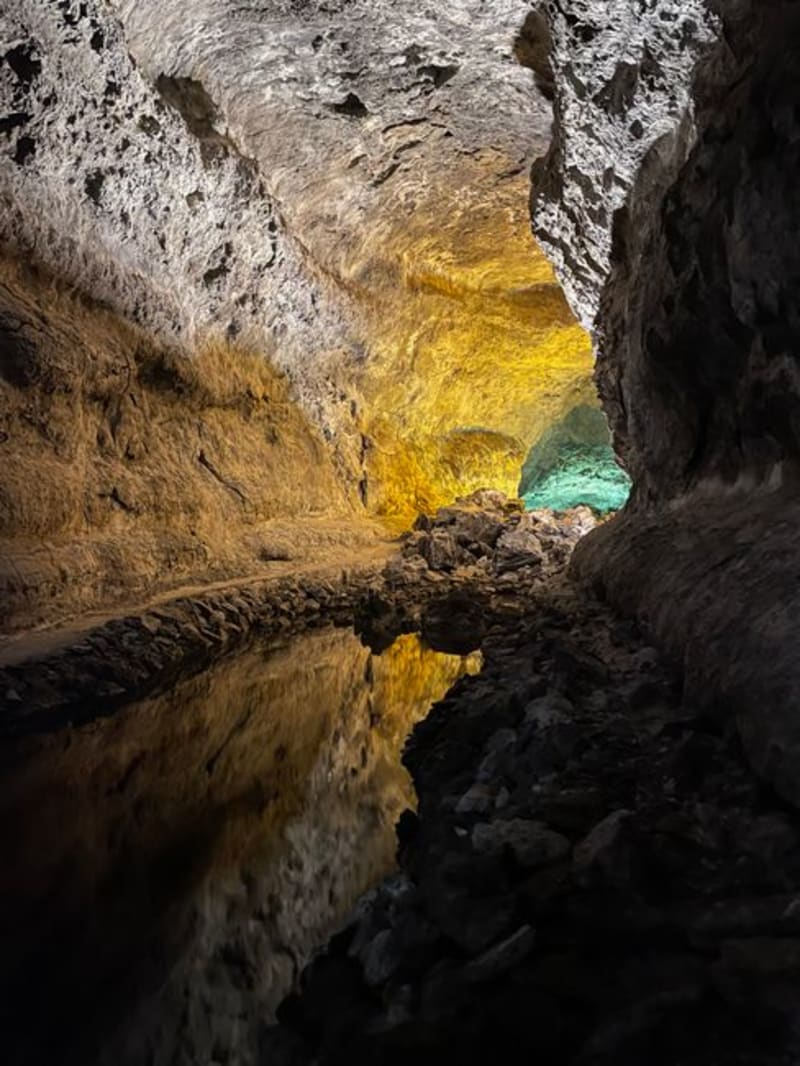 queensland
 Undara Volcanic National Park
A savanna landscape in Queensland's outback gulf country hiding one of the longest lava tube systems on earth, carved 190,000 years ago by a single volcano.
Explore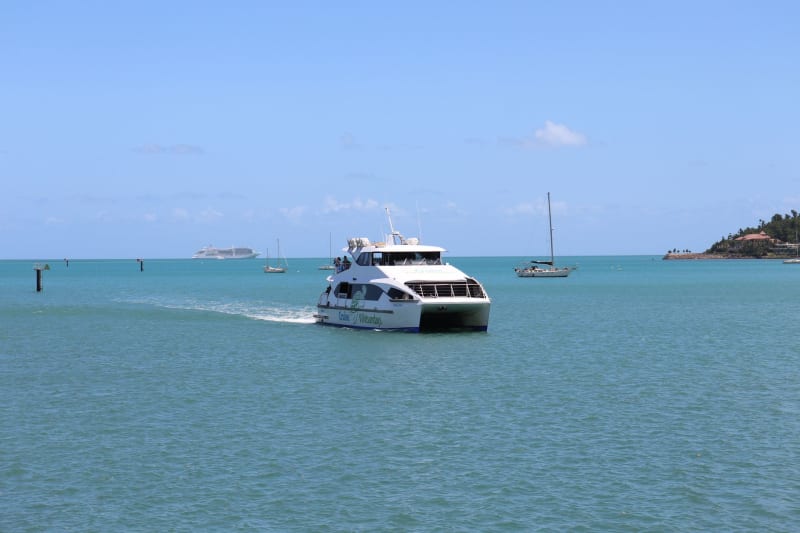 queensland
 The Whitsundays
Seventy-four islands scattered across the Coral Sea where the water is so improbably turquoise it looks colour-corrected.
Explore queensland
 Agnes Water and Town of 1770
The southernmost point of the Great Barrier Reef and Queensland's official birthplace, twinned into one unhurried coastal outpost with the best surf north of Noosa.
Explore queensland
 Airlie Beach
The mainland gateway to the Whitsundays — a compact, unpretentious sailing town where backpackers and yacht owners drink at the same bars.
Explore