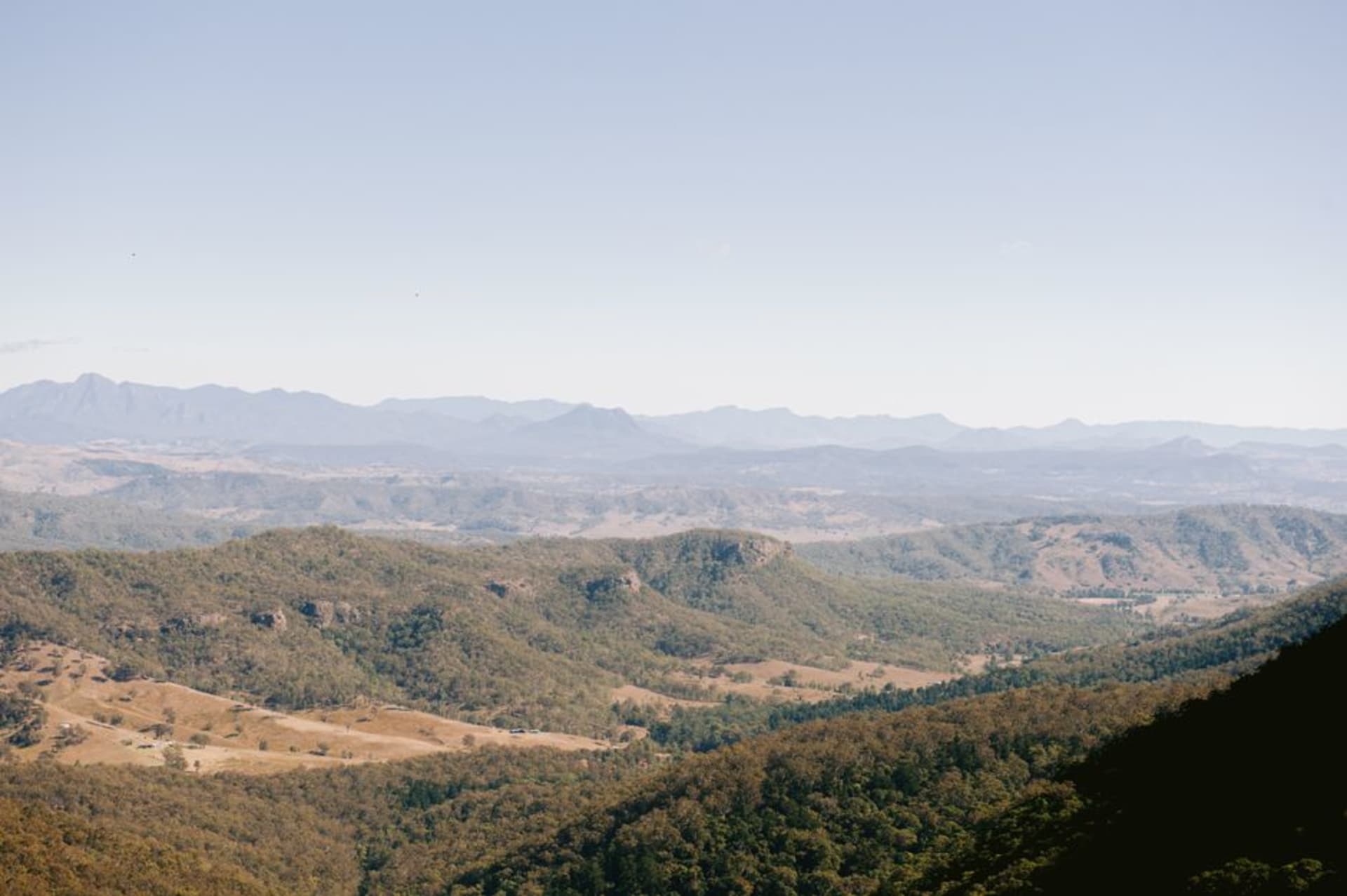
Ancient subtropical rainforest along the McPherson Range, thick with waterfalls, wildlife and the kind of quiet that makes the Gold Coast skyline feel like it's on another continent.
The drive up to Lamington from the coast takes you from beach towns and canal estates into hairpin bends through dairy country and then, abruptly, into rainforest so old and so dense it feels like a different climate rather than a different altitude. I stayed near Binna Burra, one of the two access points, in a timber cabin where the evening soundtrack was cicadas building to a wall of noise and then, just as suddenly, silence broken by something moving through the undergrowth that I chose not to investigate too closely.
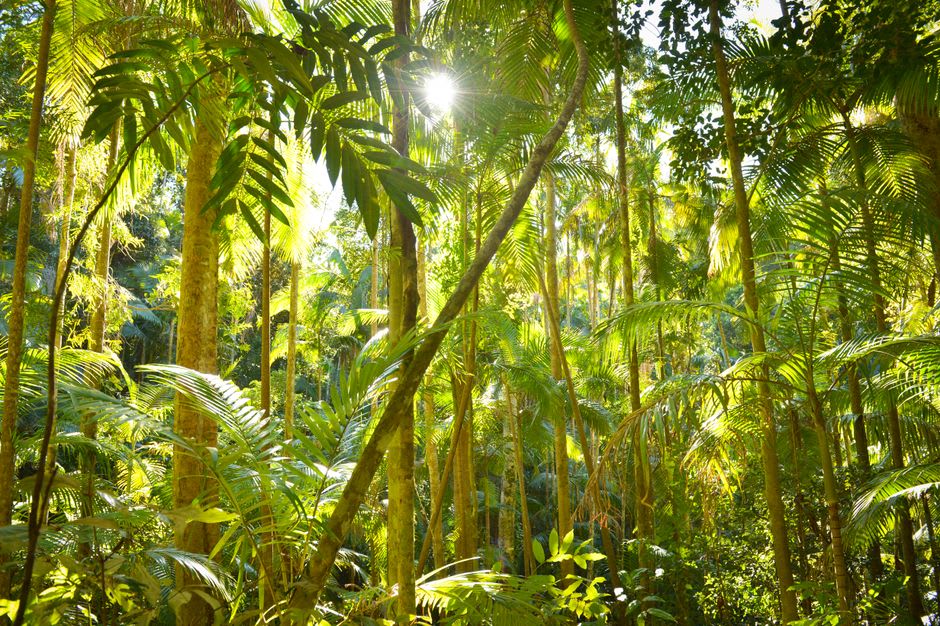
The park protects one of the largest remaining stands of subtropical rainforest in Australia, part of the Gondwana Rainforests World Heritage listing, and walking through it you understand why the designation exists — ancient Antarctic beech trees, some over three thousand years old, their trunks buttressed and moss-thick, growing alongside strangler figs that have slowly murdered their host trees over centuries. The Border Track between Binna Burra and O’Reilly’s runs twenty-one kilometres along the ridge that marks the Queensland–New South Wales line, through forest that shifts constantly between beech, palm and open eucalypt as the altitude and soil change underfoot. I did it as a long day walk and arrived at O’Reilly’s with legs that had opinions and a genuine reluctance to leave the forest behind.
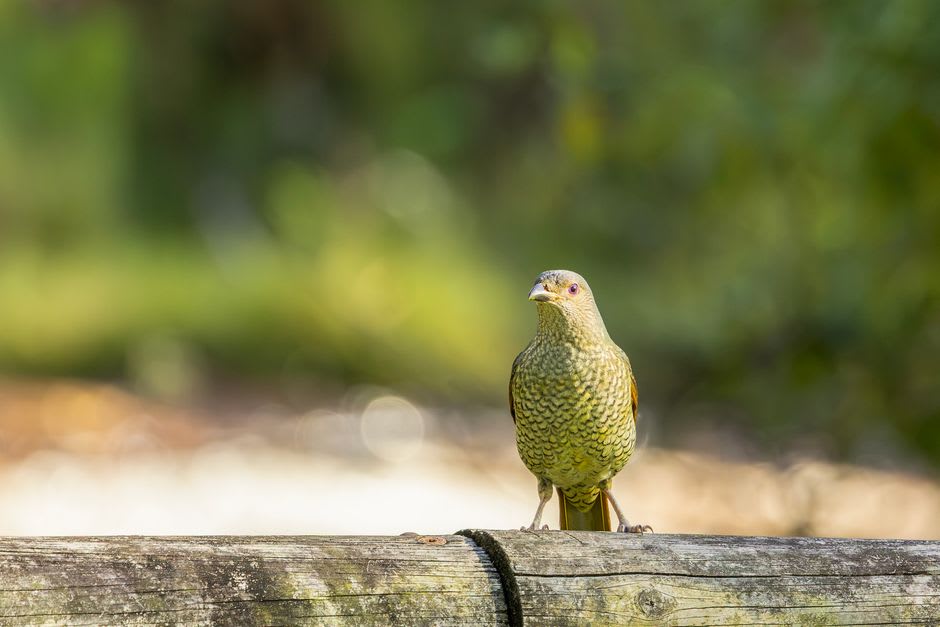
What Lamington does better than almost anywhere else in Australia is birds. The regent bowerbird, the male an improbable combination of black and gold, showed up at O’Reilly’s veranda within minutes of my arriving, apparently well aware that tourists mean fed crumbs, and the crimson rosellas were bold enough to land on my hand when I held out a palm of seed the staff had warned me not to do but I did anyway. At dusk the pademelons — small, secretive wallabies — come out along the forest edges, and if you’re patient and quiet a platypus can sometimes be spotted in the creek below Python Rock.
The canopy walk near O’Reilly’s — a series of suspension bridges strung between fig trees thirty metres up — gives you a rare horizontal view into a rainforest canopy most people only ever see from below, epiphytes and staghorn ferns growing on branches at eye level and the whole understorey suddenly visible from above.
When to go: April through October avoids the worst of the summer humidity and storms, and gives clearer views from the escarpment lookouts. Winter nights at altitude get genuinely cold, so pack for it even though you started the day at the beach.