Oceania
Queensland
"Queensland is where Australia stops trying to impress you and just becomes beautiful."
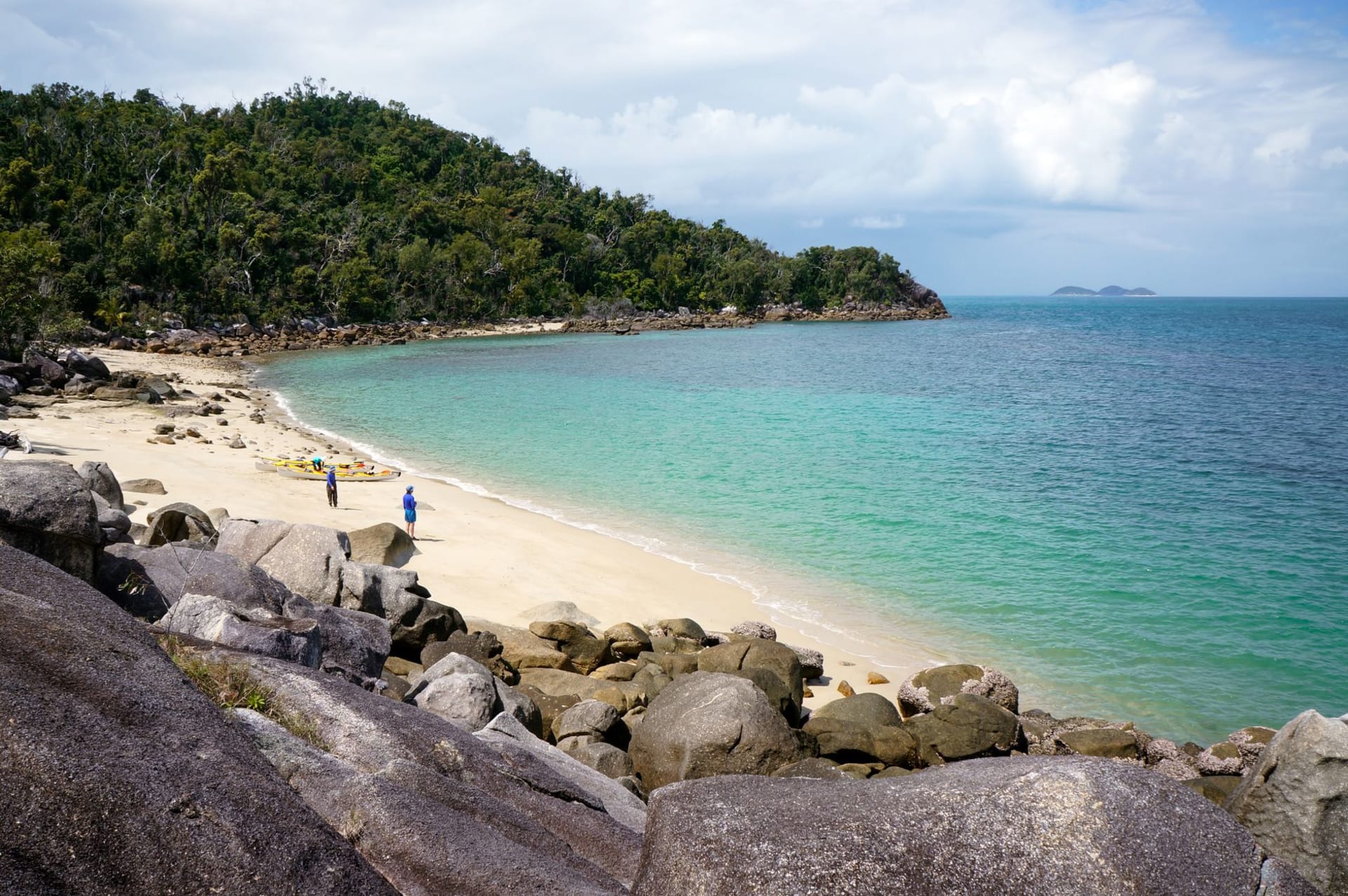
The first thing Queensland does is change the colour of the water. You fly in from Sydney or Melbourne, where the ocean is cold and muscular and dark, and suddenly there it is through the plane window — this impossible turquoise, the kind of blue-green that looks digitally enhanced until you’re standing in it, chest-deep, watching a parrotfish work a coral head three metres below your feet. That was my introduction to the Whitsundays, and it took about forty minutes before I understood why people cancel their return tickets.
Queensland operates in two registers that most visitors never reconcile. There’s the Gold Coast version — theme parks, high-rises, schoolies week, an Australian Las Vegas with better surf — and then there’s everything north of Cairns, where the Daintree Rainforest meets the Coral Sea in a collision of ecosystems that shouldn’t work but does. I spent a week driving the Captain Cook Highway between Port Douglas and Cooktown, pulling over at river crossings to watch freshwater crocodiles sun themselves, eating barramundi at roadside spots where the cook was also the only other customer. This is the Queensland that undoes you quietly, without making a fuss about it.
The Great Barrier Reef needs to be said plainly: go now. Not because it’s disappearing overnight, but because the outer ribbon reefs — the ones you reach by liveaboard out of Cairns, far from the tourist pontoons — are still as alive and overwhelming as anything on this planet. I descended my first time at night, with a torch, and the reef glowed and twitched and moved in every direction. Nothing in twelve years of travel had prepared me for that. The bleaching is real, the science is grim, but there is still extraordinary life there, and it deserves to be witnessed by people who will understand what we stand to lose.
When to go: May through September is the dry season in the tropical north — low humidity, no stinger jellyfish, clear water for diving. The shoulder months of April and October work well south of Cairns. Avoid December through March if you’re heading north: the wet season brings cyclone risk, the box jellyfish make beach swimming dangerous, and the heat is a physical presence, not a weather condition.
What most guides get wrong: They treat Queensland as a single destination, routing you through Cairns and the reef and calling it done. But the Cape York Peninsula — still largely dirt tracks, still crocodile rivers and isolated Aboriginal communities and sky so dark at night the Milky Way casts a shadow — is one of the last genuinely remote places in Australia, and it’s accessible to anyone willing to rent a proper 4WD and stop treating comfort as a non-negotiable.