A sandstone canyon deep in Queensland's central highlands, cut by a permanent creek and lined with Aboriginal rock art thousands of years old.
Getting to Carnarvon Gorge takes commitment, which is the first thing to understand about it. It’s roughly six hours’ drive from Brisbane, the last stretch on unsealed road through cattle country so flat and dry that the sudden appearance of a three-hundred-metre sandstone canyon, green and wet and improbable, feels like a geological trick. I arrived in the late afternoon and the light was already doing something extraordinary to the cliff faces — that deep ochre-orange that Australian sandstone does at the end of the day, streaked black where centuries of rain have run down from the plateau above.
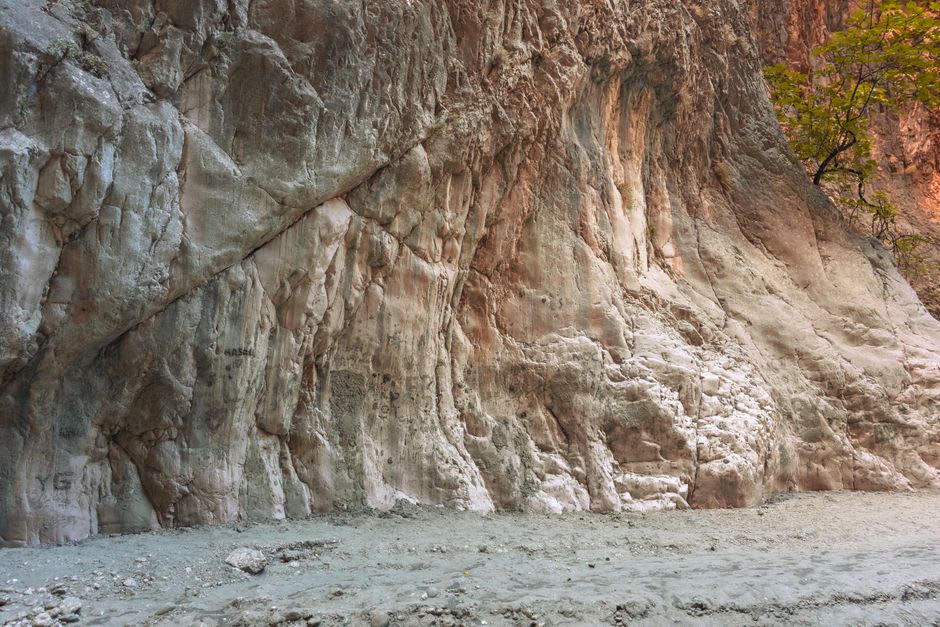
The main gorge walk follows Carnarvon Creek for about ten kilometres, crossing the water more than twenty times on a rock-hop track that never gets easier no matter how many times you do it, and branches off into a series of side gorges that are each worth the detour. The Amphitheatre is the one everyone talks about — a slot canyon you enter through a crack barely wide enough for shoulders, then climb a steel ladder into a cathedral of rock open to the sky, ferns growing from cracks in walls sixty metres high, the acoustics so good that a group ahead of me was singing and nobody thought it was strange. Ward’s Canyon, narrower and shadier, holds a colony of king ferns that have survived here since Gondwana, plants that look like something from before dinosaurs because, more or less, they are.
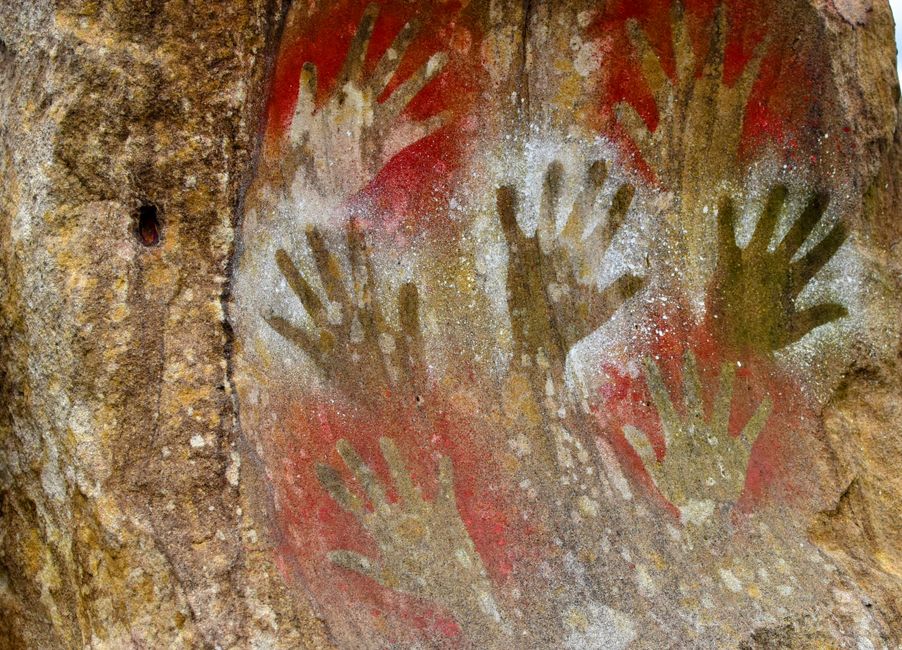
What stayed with me longest was the Aboriginal art at the Art Gallery site, a sandstone wall covered in ochre stencils — hands, boomerangs, message sticks — some estimated at over three thousand years old, left by the Bidjara, Karingbal and Kara Kara peoples for whom this gorge has always been significant country. Standing in front of that wall with the creek running behind me and cycads growing at the base of the cliff, the six-hour drive stopped being a cost and started being the entry fee for something genuinely rare.
The campground and the one lodge near the gorge mouth are basic by design — there’s no phone signal, the generators go quiet at a set hour, and the nights are properly dark, cold enough in winter that I was grateful for every layer I’d packed. Wallabies and possums move through camp after dark with the confidence of animals who know the humans here are temporary.
When to go: April through September is the dry season and the only sensible window — the creek crossings are manageable, the days are warm without being brutal, and the nights are cold but clear. The gorge can close entirely after summer rain floods the creek, so check conditions before the long drive out.
Keep exploring
More from Queensland
 queensland
 Cooktown
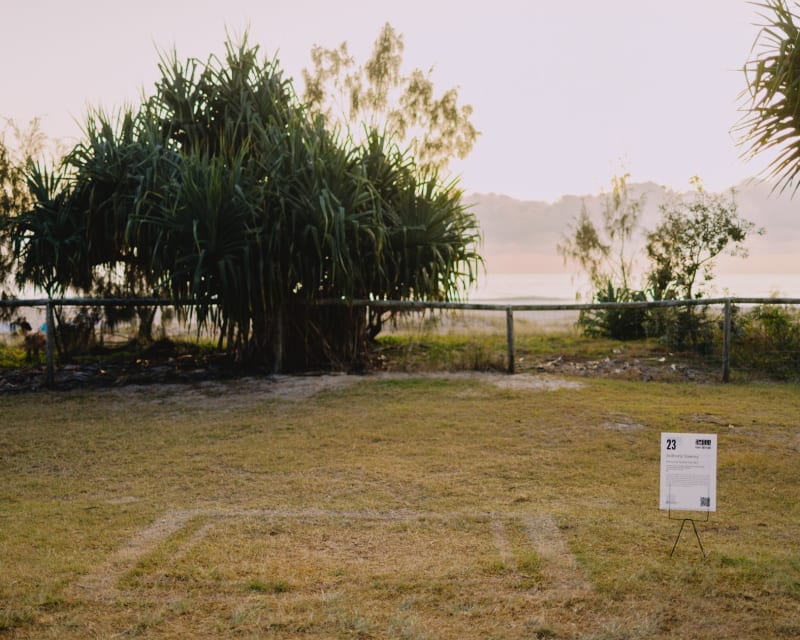
The end of the sealed road in Far North Queensland — a small river town with deep colonial history, a sky full of stars, and the distinct feeling of having arrived somewhere real.
Explore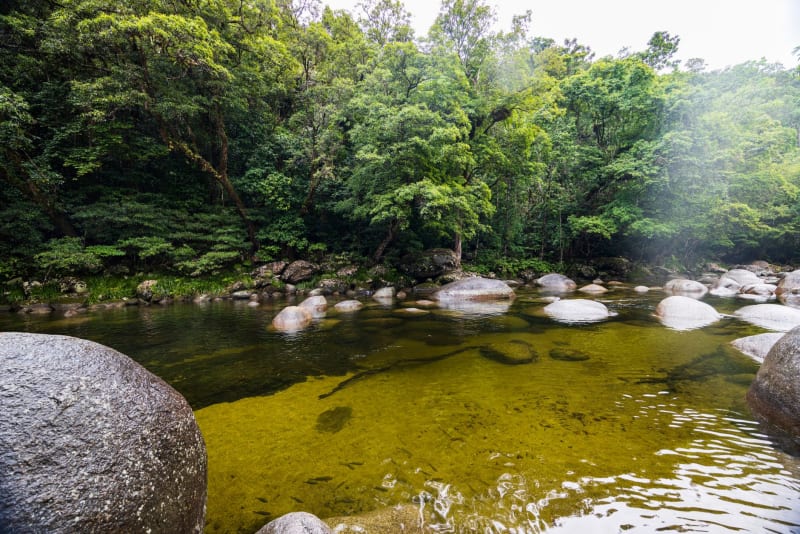 queensland
 Daintree Rainforest
The world's oldest surviving tropical rainforest, 135 million years uninterrupted, where the trees predate the continent they grow on.
Explore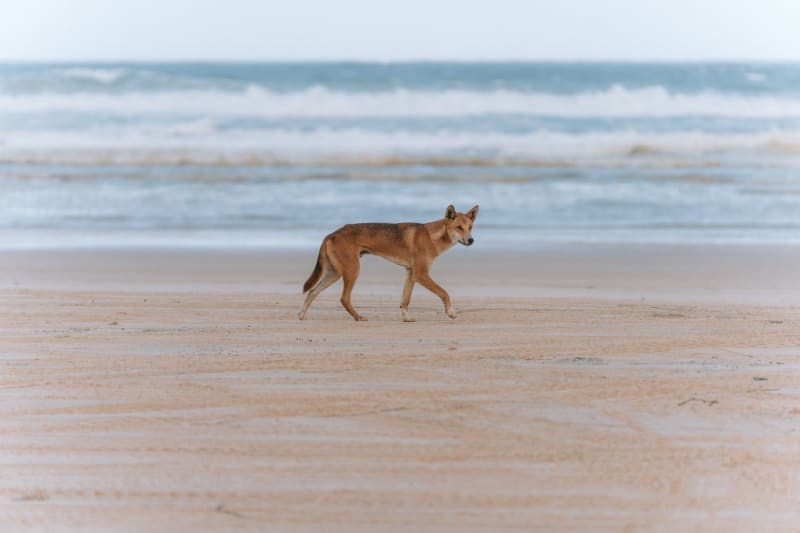 queensland
 Fraser Island (K'gari)
The world's largest sand island, where eucalyptus forests grow in pure silica, freshwater lakes perch above the sea, and the beach is the only road.
Explore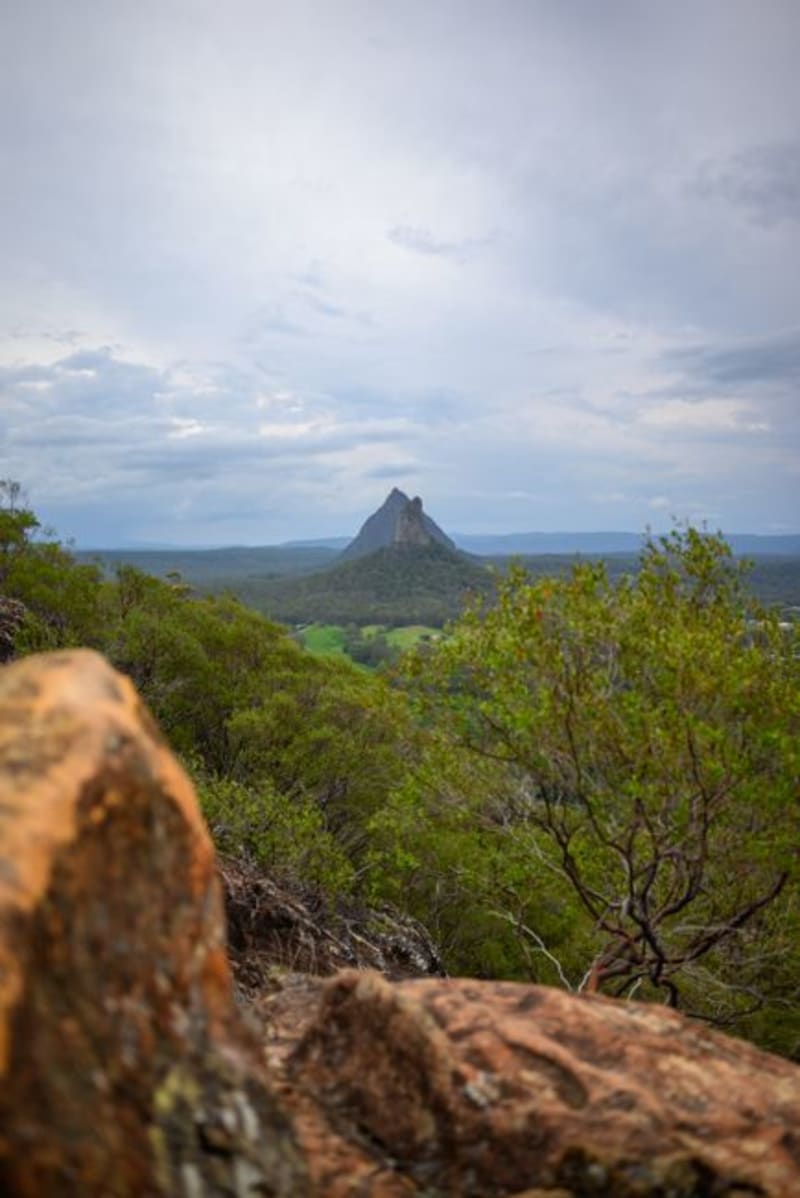 queensland
 Glass House Mountains
A cluster of volcanic plugs rising abruptly from the Sunshine Coast hinterland, named by Cook and climbed by everyone who's ever needed a reason to feel small.
Explore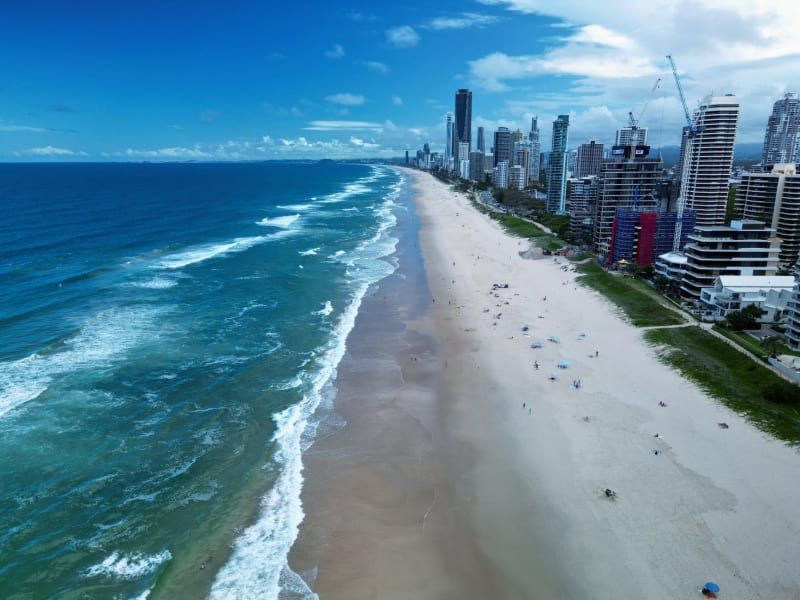 queensland
 Gold Coast
Queensland's unashamed pleasure machine — high-rises, consistent surf, and a hinterland rainforest that exists on its own terms forty minutes away.
Explore queensland
 Granite Belt (Stanthorpe)
Queensland's cool-climate wine country, high on the Great Dividing Range, where granite boulders, frost and Italian-migrant winemaking traditions produce a very un-tropical version of the state.
Explore