Sherbrooke
"Sherbrooke is what happens when an industrial city decides the river running through it was the whole point all along."
The unofficial capital of the Eastern Townships, a former mill city rebuilding itself around its rivers and its university.
Most people treat Sherbrooke as the place you pass through on the way to the lakes, and for years I did the same, refueling the car and continuing south without a second look. Lia talked me into stopping properly, and I’m glad she did, because Sherbrooke turned out to be one of those cities that reveals itself slowly and rewards the people willing to wait for it.
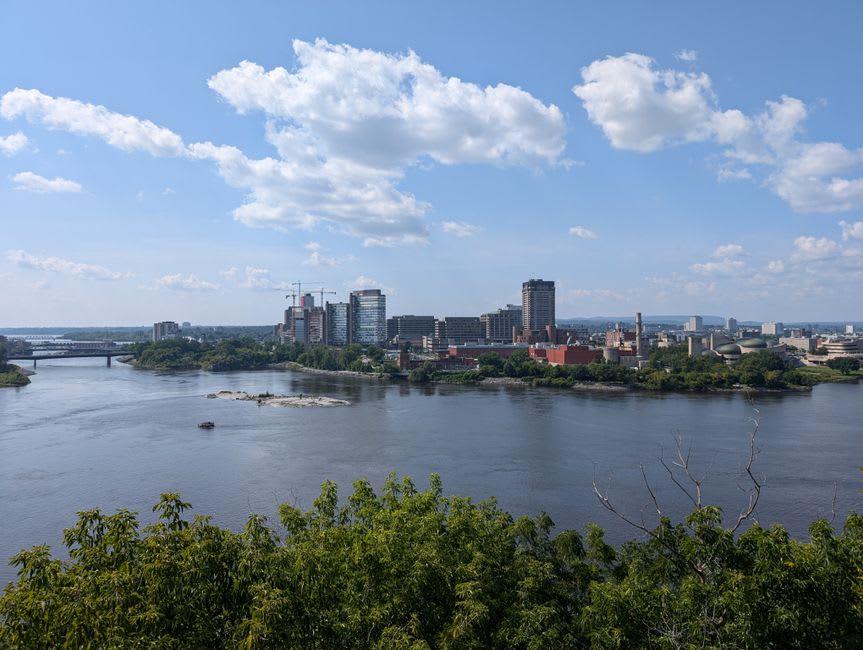
The city sits at the confluence of the Saint-François and Magog rivers, and it was built, like so many Quebec towns, on the industrial power those rivers provided — textile mills, foundries, a manufacturing base that thrived through the nineteenth and early twentieth centuries and then, as it did everywhere in North America, collapsed. What’s happened since is the interesting part. Sherbrooke has spent the last two decades reclaiming its riverfront, turning old mill buildings into galleries and breweries, cutting walking paths along the gorge where the Magog River drops through downtown in a series of dramatic rapids and small waterfalls that most visitors have no idea exist a block off the main commercial street.
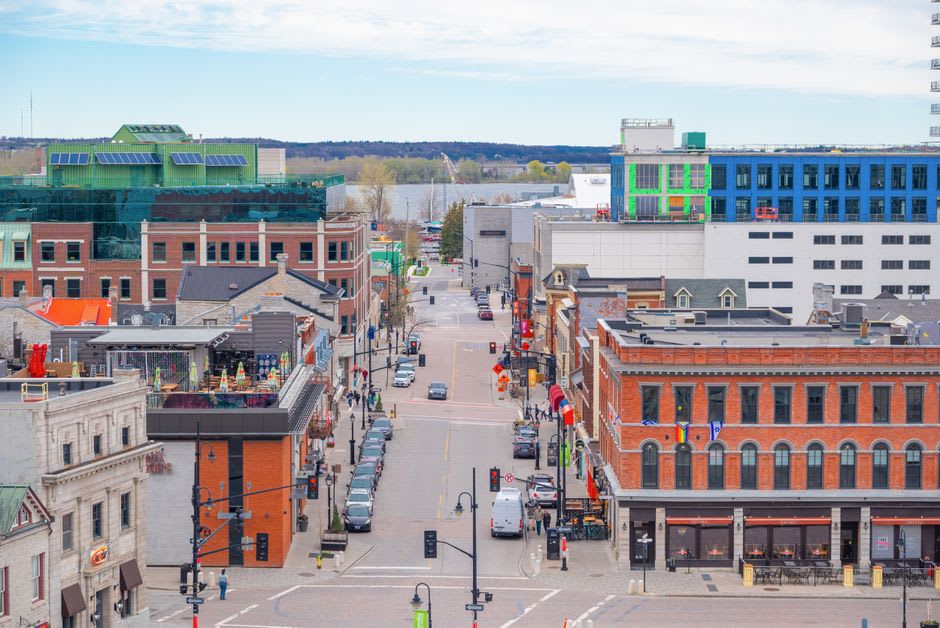
We spent an afternoon walking the Réseau Riverains, the path system that follows both rivers through the city, and I kept being surprised by how much white water was running through the middle of a mid-sized city — Sherbrooke has around 170,000 people, making it the largest urban center in the Townships, and yet the sound of rapids is audible from several downtown streets. There’s a mural project too, dozens of large-scale works painted on the sides of old industrial buildings, part of a deliberate effort to make the post-industrial landscape into something worth walking through rather than something to drive past.
The university brings a different energy — Université de Sherbrooke and Bishop’s University nearby keep the city younger than its factory-town history might suggest, and the result is a genuinely good restaurant and bar scene for a city this size, concentrated mostly around Rue Wellington and Rue King. We ate at a small bistro that sourced almost everything from Townships producers, including a cider from an orchard we’d later visit outside Dunham.
Sherbrooke isn’t a place you build a whole trip around, but as a base for exploring the wine route, the lakes, and the ski hills scattered through the surrounding hills, it’s underrated — real city amenities within twenty minutes of genuine countryside.
When to go: May through September for the riverfront paths and patio season along Wellington. Early October for foliage on the surrounding hills visible from the higher parts of downtown. Winter is functional rather than charming here — it’s a good base if you’re skiing nearby, less compelling as a destination in itself.
Keep exploring
More from Québec
 quebec
 Sucrerie de la Montagne
A working sugar shack in the woods of Rigaud where maple syrup gets boiled the old way and lunch arrives family-style until you physically cannot eat any more.
Explore quebec
 Sutton
A village at the foot of a ski mountain near the Vermont border, with a main street that feels handpicked and hiking trails that outlast the snow.
Explore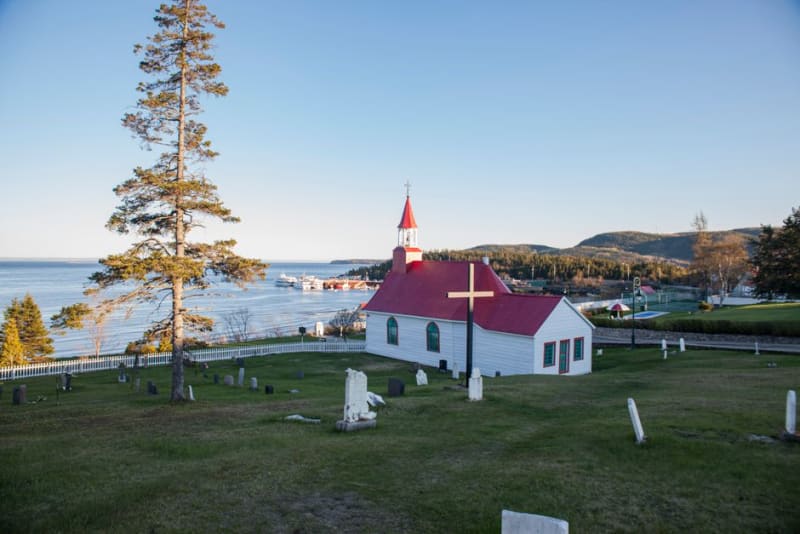 quebec
 Tadoussac
The village where the Saguenay fjord meets the St. Lawrence and turns the water into a whale feeding ground — one of the oldest trading posts in North America, still built around the tide.
Explore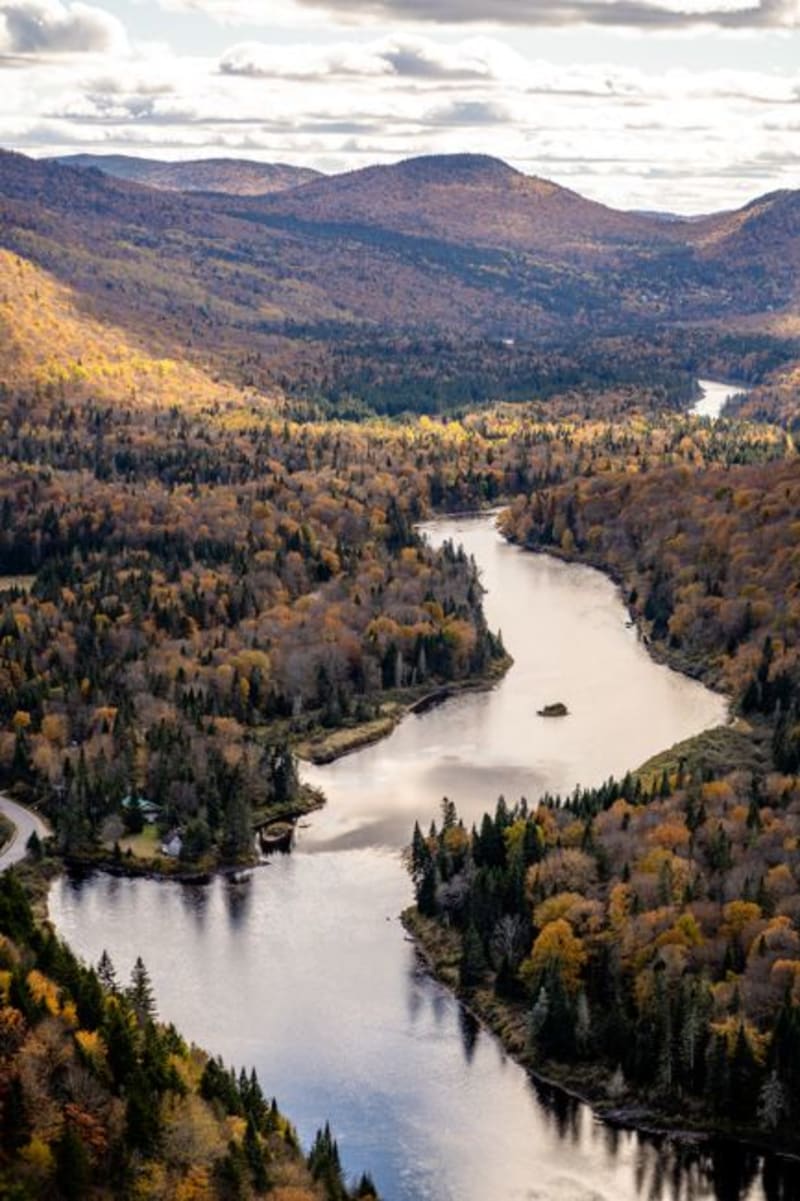 quebec
 Trois-Rivières
Québec's second-oldest city, wedged between the St. Maurice and St. Lawrence rivers, quietly carrying four centuries of paper mills, poetry, and stubborn survival.
Explore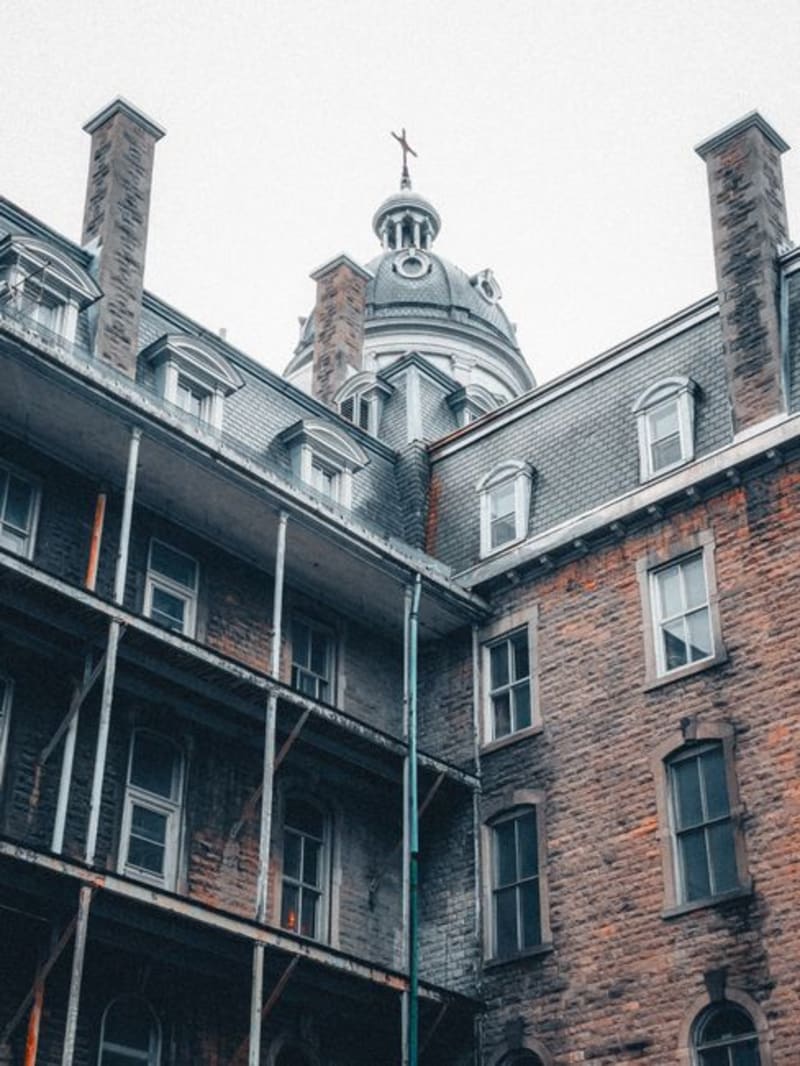 quebec
 Monastère des Ursulines
A cloistered convent founded in 1639 by a woman who crossed an ocean to teach, and whose school has never once stopped operating since.
Explore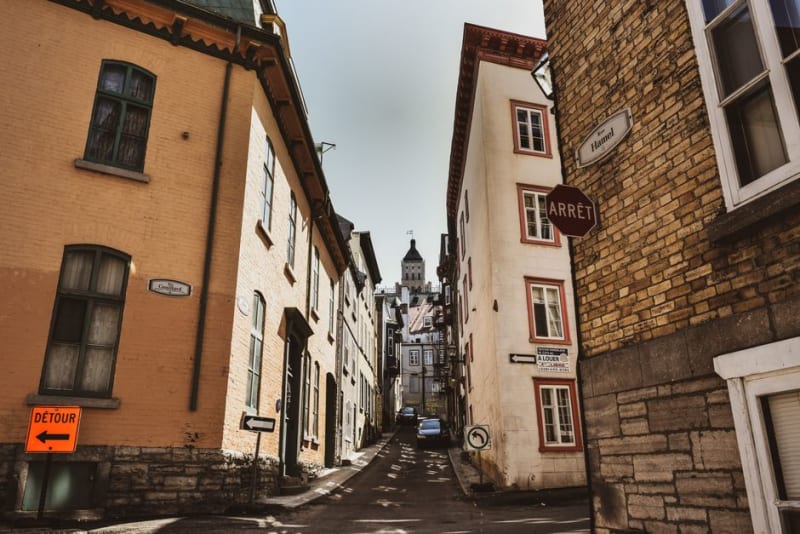 quebec
 Val-David
The Laurentians' artist colony — a village of potters, rock climbers, and one very good ceramics festival, built around a river gorge that's been drawing bohemians since the 1920s.
Explore