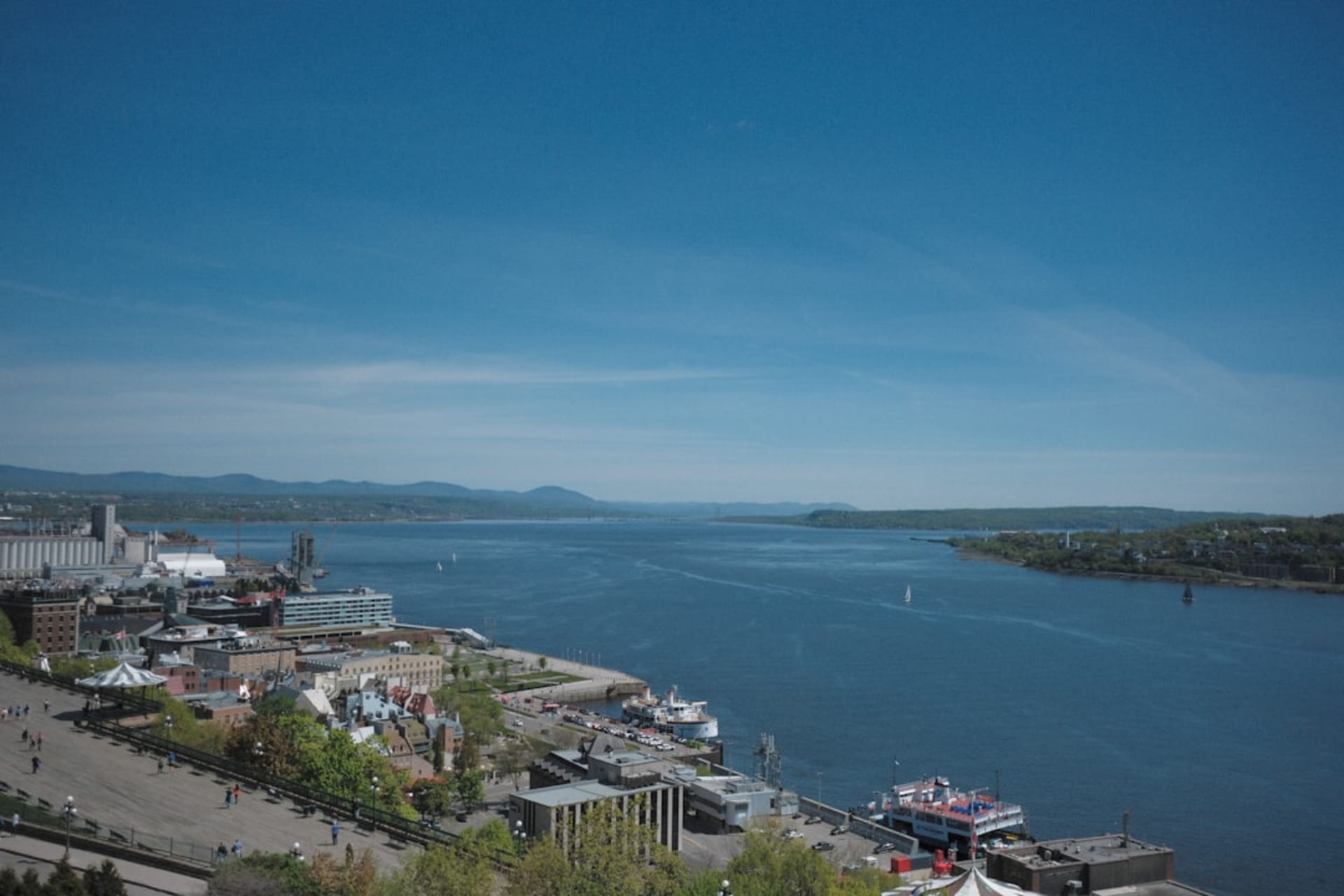
Shawinigan
"Shawinigan was built on a waterfall's electricity and never quite stopped being about power — you can feel the current in the town's bones."
A hydroelectric boomtown built around a waterfall, now telling its own industrial story with more honesty than nostalgia.
Shawinigan exists because of a waterfall, and it hasn’t let you forget it. The Shawinigan Falls on the St. Maurice River drop 45 metres over a granite ledge, and at the turn of the 20th century that drop was harnessed into one of the largest hydroelectric developments in the world, drawing aluminum smelters and chemical plants and an entire planned company town that grew, almost overnight, into a genuine industrial city. I came here mostly out of curiosity about the falls and left thinking about company towns and what happens to them after the industry that built them contracts.
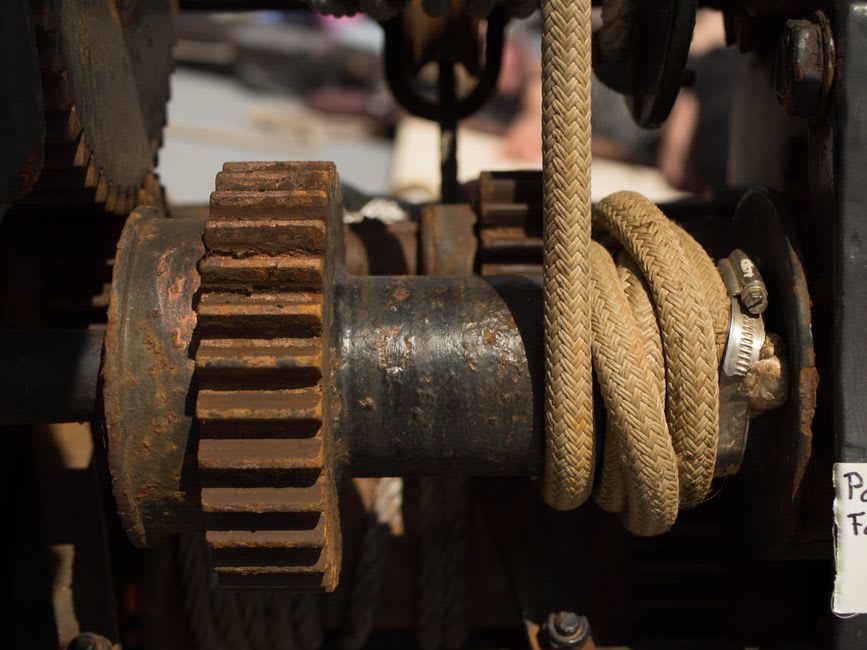
The Cité de l’Énergie sits right on the old industrial site, a museum and interpretation centre built around a genuine decommissioned power station, with a cable car that runs up a converted smokestack for a view over the falls and the town. I rode it with some skepticism — industrial tourism can tip into kitsch fast — but the museum’s honesty won me over: exhibits on the aluminum boom, on the labour history, on the pollution the river carried for decades and the slow work of cleaning it up. It doesn’t flatter the town’s past. It just tells it.
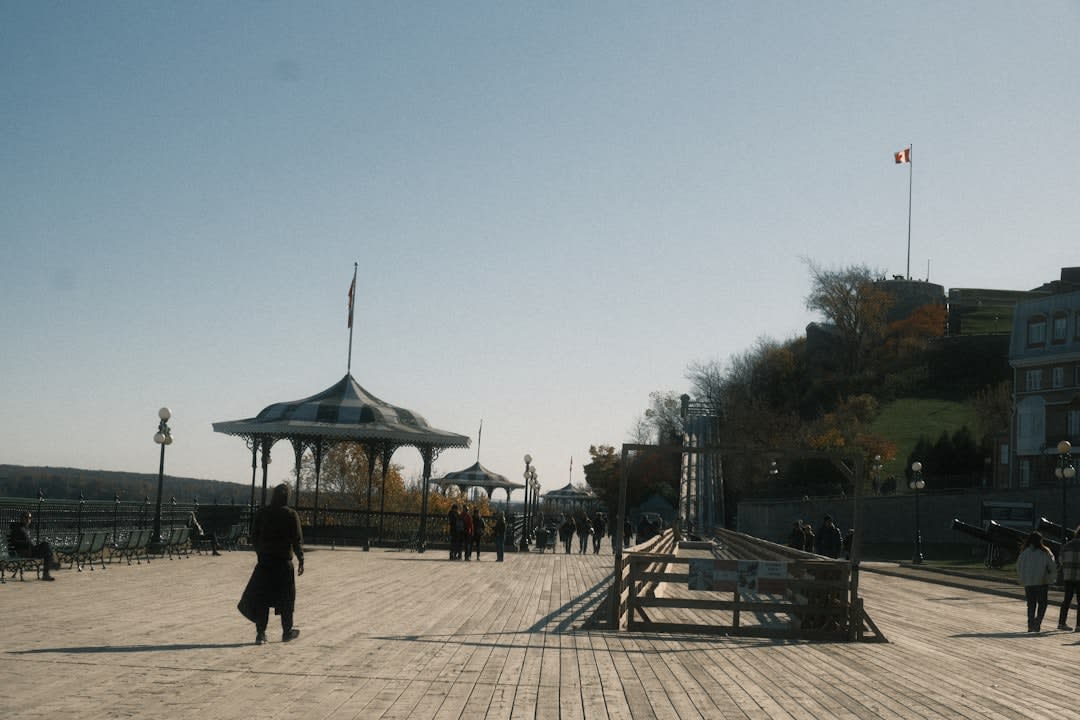
Downtown Shawinigan, a few minutes from the falls, has the particular texture of a mid-century industrial city working out its second act — a handful of good cafés and a genuinely excellent microbrewery, Trou du Diable, that’s become something of a pilgrimage site for craft beer people across the province. I had a smoked porter there that tasted faintly of the maple wood used to smoke it, sitting on a patio a few blocks from the river that used to power half the aluminum production in Canada.
Jean Chrétien, Canada’s former prime minister, is Shawinigan’s most famous export, and the town leans into it with a wry, self-aware pride rather than a museum-grade reverence. That tone — proud but not precious about its own history — is really the whole town in miniature. It’s not trying to be quaint. It’s just telling you what it built and what that building cost.
When to go: Summer for the falls at their fullest flow, usually best in June after spring melt. September for cooler hiking around the gorge trails. The Cité de l’Énergie is seasonal, generally open May through October — check ahead if visiting outside that window.