Sept-Îles
"Sept-Îles is proof that Quebec's north shore isn't empty — it's just organized around a different kind of scale."
The Côte-Nord's biggest town, an iron-ore port and Innu cultural hub sitting on one of the largest natural harbors in the world.
Sept-Îles took me by surprise, mostly because I’d arrived expecting a truck stop between the ferry terminal and the wilderness further east, and instead found a real town of about 25,000 people built around one of the largest natural bays in the world — a harbor sheltered by the seven small islands that give the town its name, deep enough to load the ore carriers that make this one of the busiest ports in Canada by tonnage. Driving in along Route 138 at dusk, the bay opened up on the right side of the road with the islands going dark blue against an orange sky, and it didn’t look like an industrial town at all. It looked like a place someone would choose to live for the water alone.
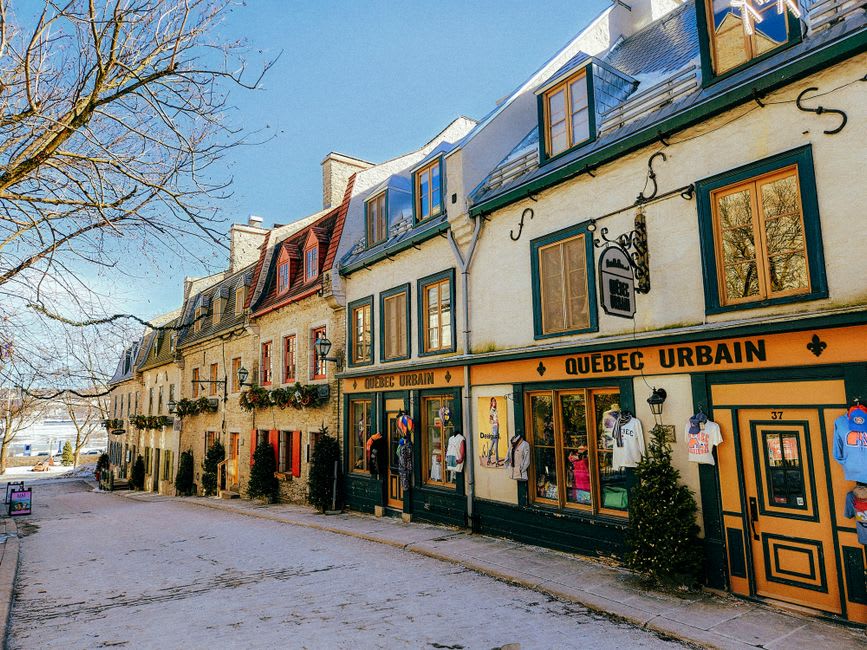
The town sits within Nitassinan, the traditional and unceded territory of the Innu, and Uashat mak Mani-utenam, one of the largest Innu communities in Quebec, is adjacent to Sept-Îles proper. The Musée Shaputuan downtown gave me a better understanding of Innu history and the nomadic caribou-hunting culture of the north shore than anything I’d read in advance — displays built around the seasonal round of a people who moved with the herds long before the mining and shipping economy arrived and reorganized the coastline around ports and rail lines. I left the museum thinking about how much of Quebec’s north shore story gets told from the mining-town angle and how rarely from the Innu one.
The waterfront boardwalk runs the length of the bay, past a marina, a scattering of good but unpretentious seafood restaurants, and a public beach that gets surprisingly warm in July given the town’s northern latitude. We ate fresh crab at a picnic table by the water and watched an ore carrier the length of several city blocks glide out through the channel between the islands, impossibly slow and impossibly large, the kind of scale that makes you recalibrate what an industrial port town can look like.
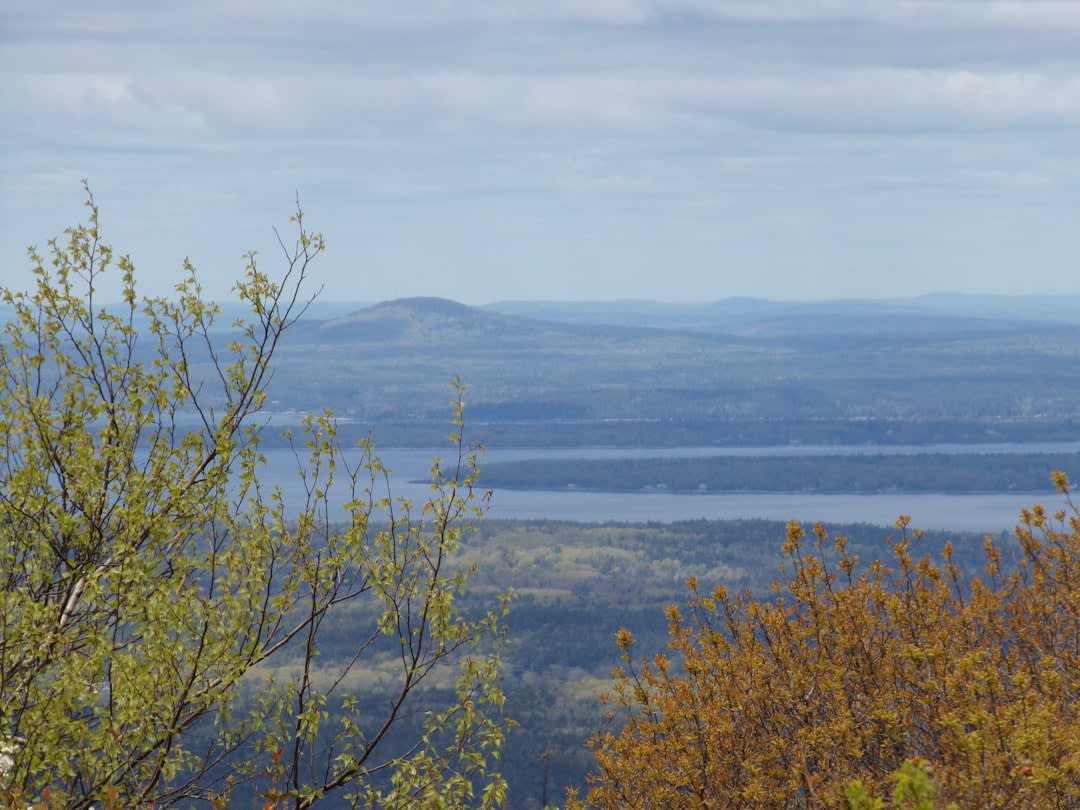
When to go: July and August for the mildest weather and the beach along the bay. Sept-Îles also works well as an overnight stop before continuing east along Route 138 toward Havre-Saint-Pierre and the Mingan Archipelago.
Keep exploring
More from Québec
 quebec
 Shawinigan
A hydroelectric boomtown built around a waterfall, now telling its own industrial story with more honesty than nostalgia.
Explore quebec
 Sherbrooke
The unofficial capital of the Eastern Townships, a former mill city rebuilding itself around its rivers and its university.
Explore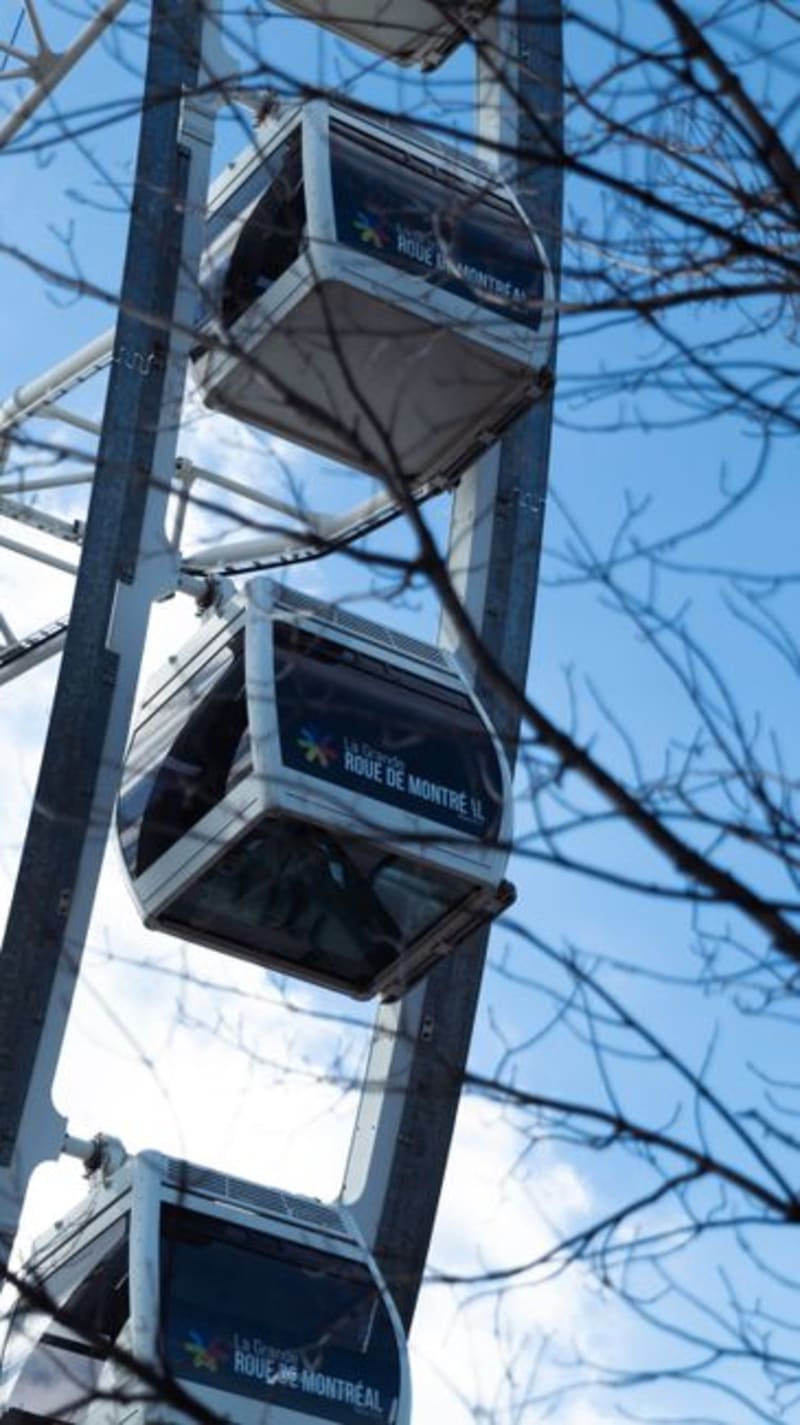 quebec
 Sucrerie de la Montagne
A working sugar shack in the woods of Rigaud where maple syrup gets boiled the old way and lunch arrives family-style until you physically cannot eat any more.
Explore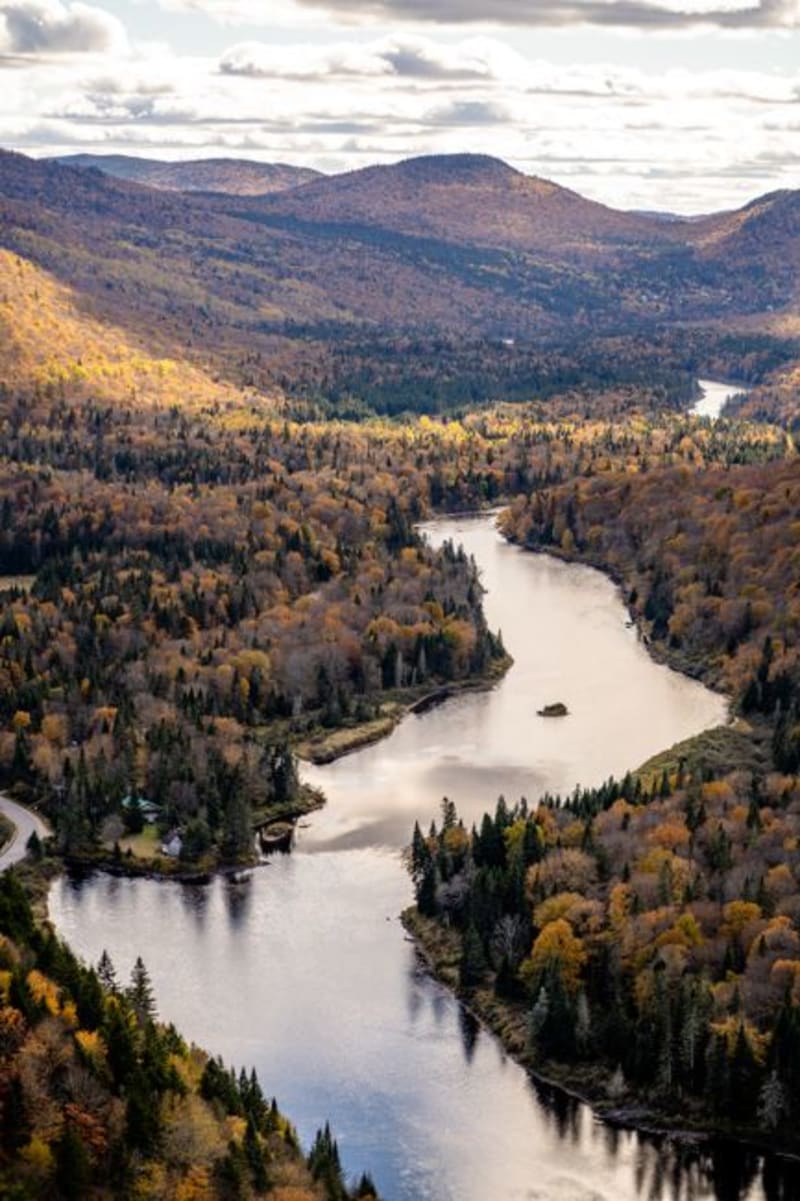 quebec
 Sutton
A village at the foot of a ski mountain near the Vermont border, with a main street that feels handpicked and hiking trails that outlast the snow.
Explore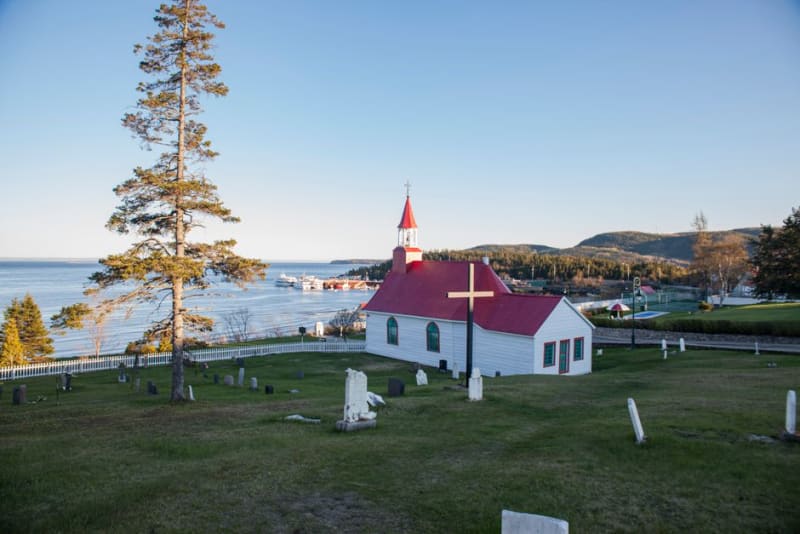 quebec
 Tadoussac
The village where the Saguenay fjord meets the St. Lawrence and turns the water into a whale feeding ground — one of the oldest trading posts in North America, still built around the tide.
Explore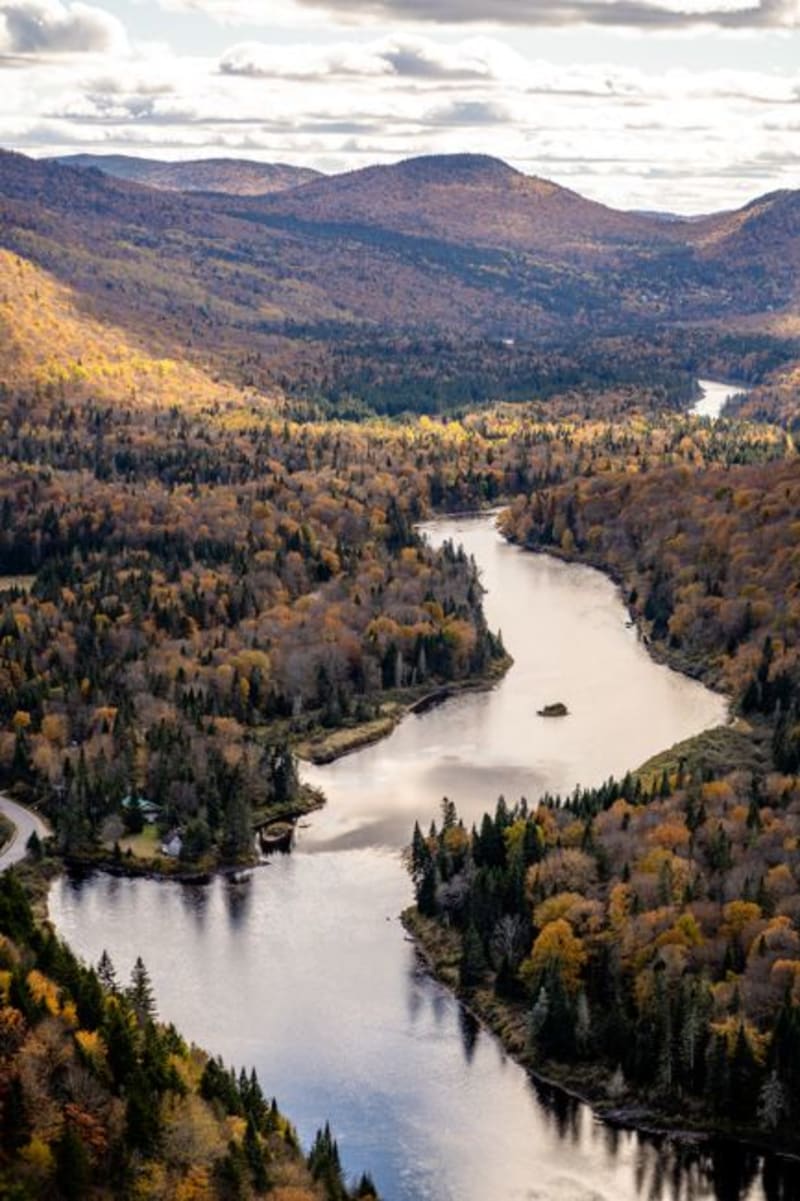 quebec
 Trois-Rivières
Québec's second-oldest city, wedged between the St. Maurice and St. Lawrence rivers, quietly carrying four centuries of paper mills, poetry, and stubborn survival.
Explore