Saint-Jean-Port-Joli
"In Saint-Jean-Port-Joli, wood carving isn't a tourist craft revival — it's the thing the village has quietly done, generation after generation, since before anyone thought to call it heritage."
The self-declared wood-carving capital of Quebec — a village of small workshops along the St. Lawrence where an entire craft tradition survives on tourists who barely know they're buying folk art.
We stopped in Saint-Jean-Port-Joli almost by accident, on the drive between Kamouraska and Quebec City, drawn in by a roadside sign advertising a wood-carving museum that I assumed would be a single dusty room. It is not a single dusty room. This stretch of Route 132 along the St. Lawrence has been Quebec’s centre of sculptural wood carving since the early twentieth century, when a handful of families — the Bourgault brothers chief among them — began carving religious and folk figures that eventually caught the attention of collectors and museums well beyond the province. That tradition never really stopped; it just kept training the next generation, and the village now holds dozens of studios and galleries, many still run by descendants of the original carving families, producing everything from devotional saints to abstract driftwood pieces.
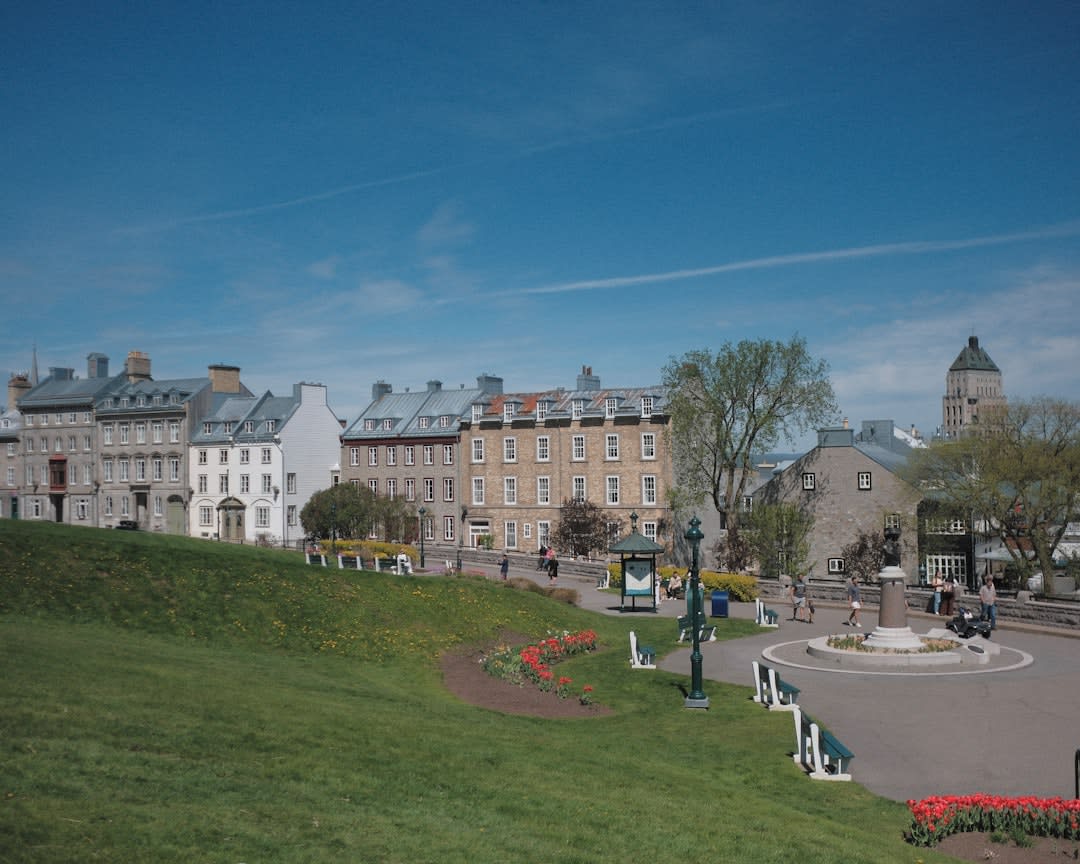
The Musée des Anciens Canadiens, attached to the old Bourgault family home, walks through the craft’s history with a seriousness I hadn’t expected from a village this size — full rooms of carved figures dating back a century, alongside contemporary work that ranges from traditional religious statuary to loose, almost expressionist wooden forms that could hang in any contemporary gallery. Lia, who has a low tolerance for gift-shop folk art, spent nearly two hours in there and came out having bought a small carved heron she still won’t tell me the price of.
Beyond the carving, the village sits directly on the St. Lawrence with a long public riverside path, views across to the north shore mountains, and a maritime museum devoted to the region’s shipbuilding history — this stretch of coast built and launched wooden schooners well into the twentieth century, and a restored hydrofoil, once used for St. Lawrence passenger service, sits on permanent display by the water.
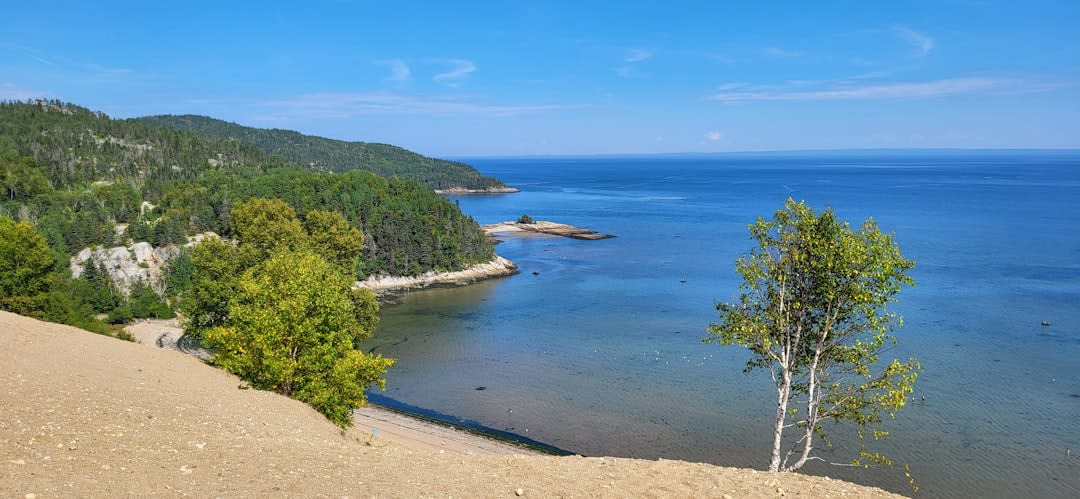
When to go: May through September, when the studios and museum keep full hours and the riverside path is at its best. The village makes an easy, worthwhile half-day stop for anyone driving the south shore between Quebec City and the Bas-Saint-Laurent.
Keep exploring
More from Québec
 quebec
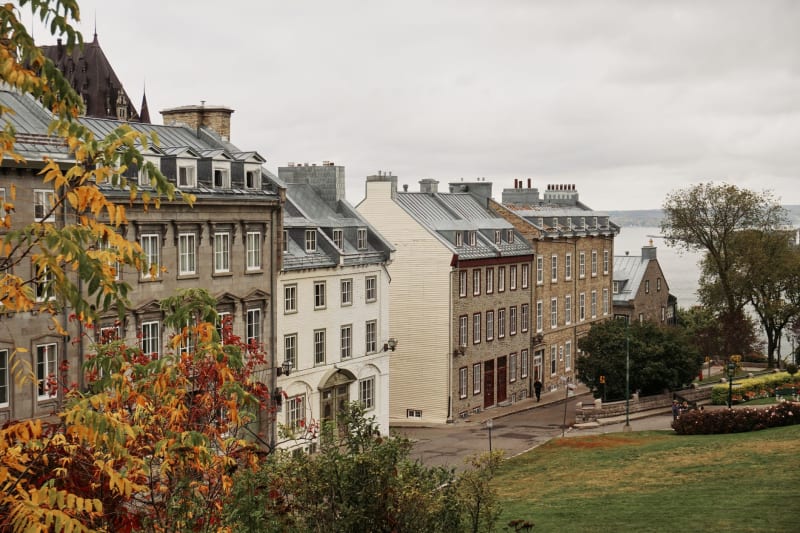
 Saint-Roch
The former working-class neighbourhood that became Quebec City's creative engine — without losing its rough-edged self-respect.
Explore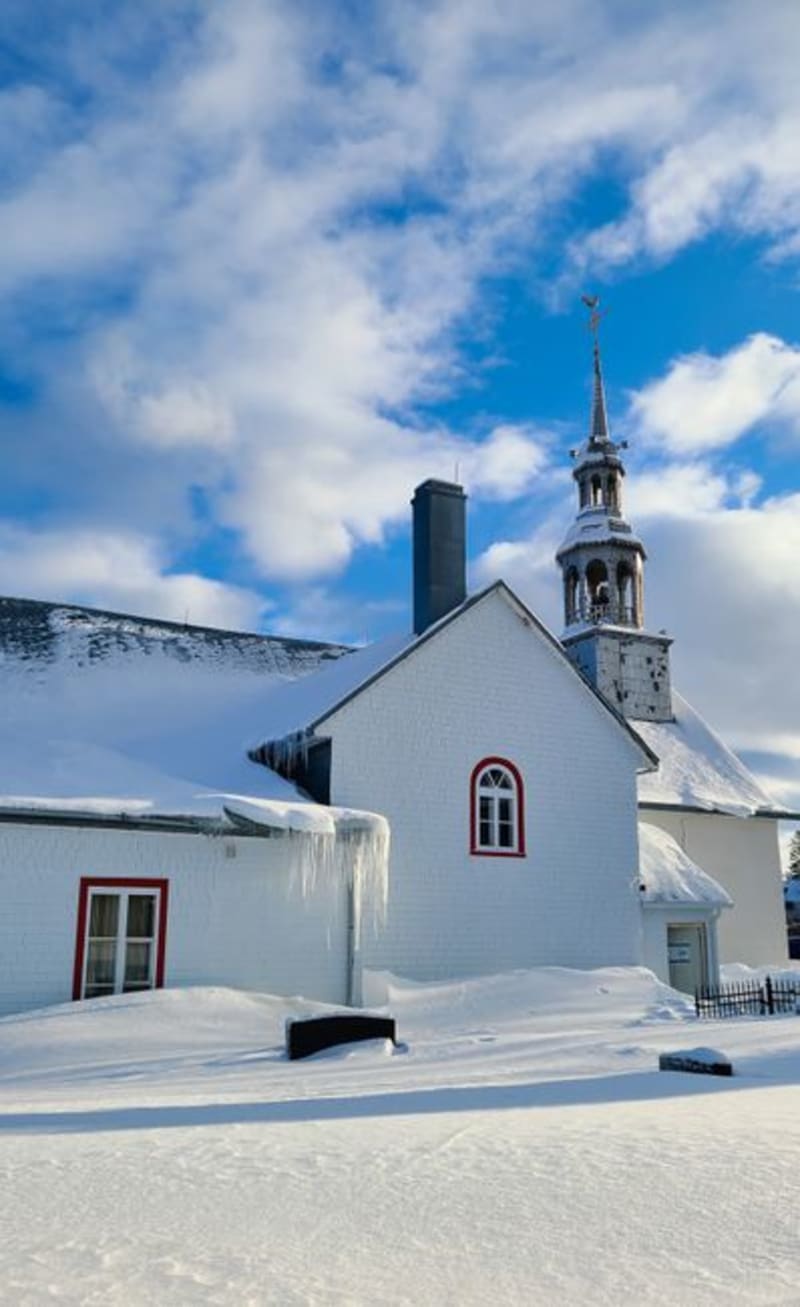 quebec
 Saint-Sauveur
The Laurentians' liveliest ski town, close enough to Montreal for a night trip and packed enough on weekends that half the point is the crowd itself.
Explore quebec
 Sainte-Adèle
A quieter Laurentian town of spas and lakeside inns, built into the folds of the hills and best known for turning relaxation into a genuine local industry.
Explore quebec
 Sainte-Agathe-des-Monts
The old resort capital of the Laurentians, built around a lake that Montreal's wealthy families have been summering on since the railway first arrived in 1892.
Explore quebec
 Sainte-Rose-du-Nord
A village of a few hundred people tucked into a cove on the Saguenay's north shore, routinely called one of the prettiest in Quebec, and quiet enough that it still feels like a discovery.
Explore quebec
 Sept-Îles
The Côte-Nord's biggest town, an iron-ore port and Innu cultural hub sitting on one of the largest natural harbors in the world.
Explore