Saint-Élie-de-Caxton
"Saint-Élie-de-Caxton is a village of 1,700 people that became a folk-tale universe — and it never once winked at you about it."
A tiny Mauricie village that became a folk-tale universe of its own thanks to one storyteller, and now sells that magic gently, without cynicism.
I hadn’t heard of Fred Pellerin before a Québécois friend in Mexico City insisted I had to go to his village, and I still find it slightly unbelievable that this works the way it does. Pellerin is a storyteller — a genuine, practicing oral storyteller, an art form I assumed was mostly historical — who grew up in Saint-Élie-de-Caxton, a village of under two thousand people in the Mauricie backcountry, and built an entire career, several albums, and a stage show around the folk tales and eccentric characters of his own town, real and invented tangled together until the distinction stops mattering.
The village itself, absent Pellerin, would be a pleasant but unremarkable rural crossroads: a white church, a general store, farmland running up against forested hills. What changes it is the layer he’s added — statues and small markers around town referencing characters from his stories, a bakery and general store, Le Magasin Général, that plays along with the mythology rather than undercutting it, and a genuine community pride in being the source material for something that’s toured across Québec and France. I bought bread there and the woman behind the counter told me, unprompted and completely straight-faced, a story about a local ghost that I’m fairly sure was one of Pellerin’s inventions repeated back as fact.

If you’re lucky enough to catch Pellerin performing — he still does shows in the village theatre and occasionally in a barn-turned-venue nearby — the experience is unlike anything else I’ve seen in Québec: one man, no props to speak of, holding a room in French for ninety minutes on the strength of rhythm and specificity alone. I didn’t catch a full show but heard a shortened version at a local event, and the crowd’s laughter had the particular texture of people who already knew the punchlines and wanted to hear them again anyway.
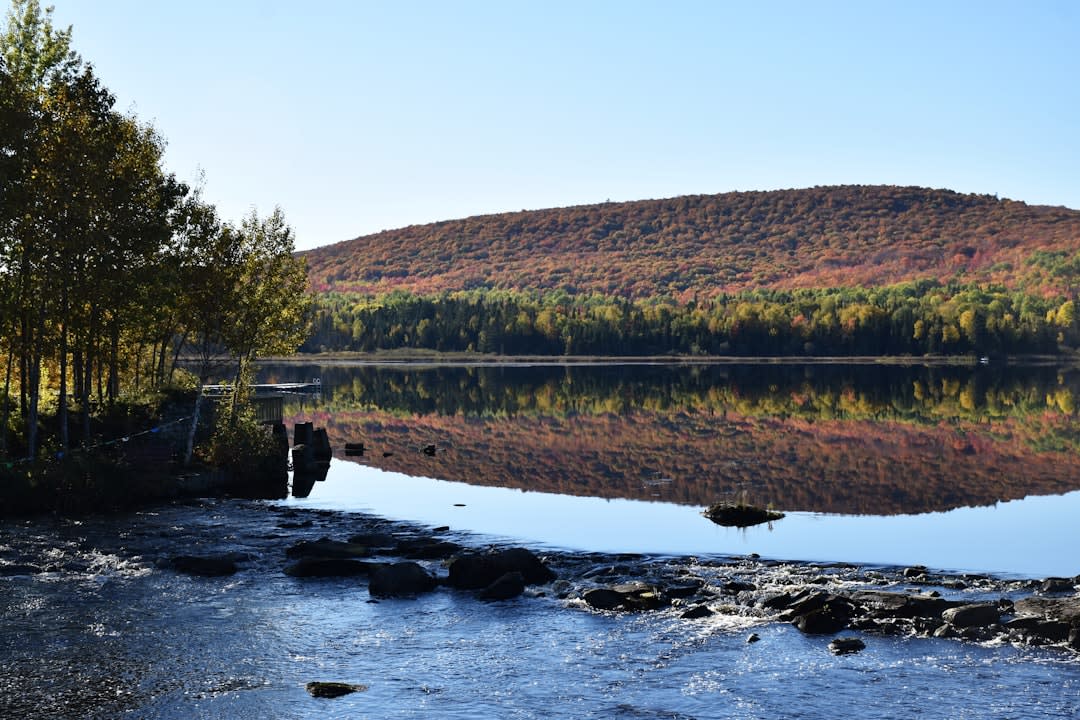
There isn’t a checklist of sights here in the conventional sense — this is a village you visit for atmosphere and story rather than monuments, and it rewards slowing down, buying bread you don’t need, and letting someone tell you something that may or may not be true.
When to go: Summer for the best chance of catching a Pellerin performance or local event, and for the surrounding countryside at its greenest. The village is small enough to see properly in half a day, easily combined with a stop in Shawinigan or Grand-Mère nearby.
Keep exploring
More from Québec
 quebec
 Saint-Jean-Port-Joli
The self-declared wood-carving capital of Quebec — a village of small workshops along the St. Lawrence where an entire craft tradition survives on tourists who barely know they're buying folk art.
Explore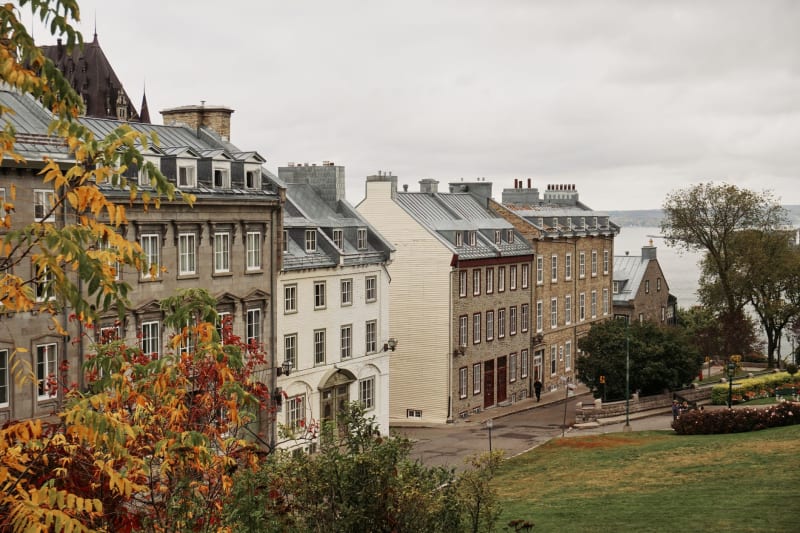 quebec
 Saint-Roch
The former working-class neighbourhood that became Quebec City's creative engine — without losing its rough-edged self-respect.
Explore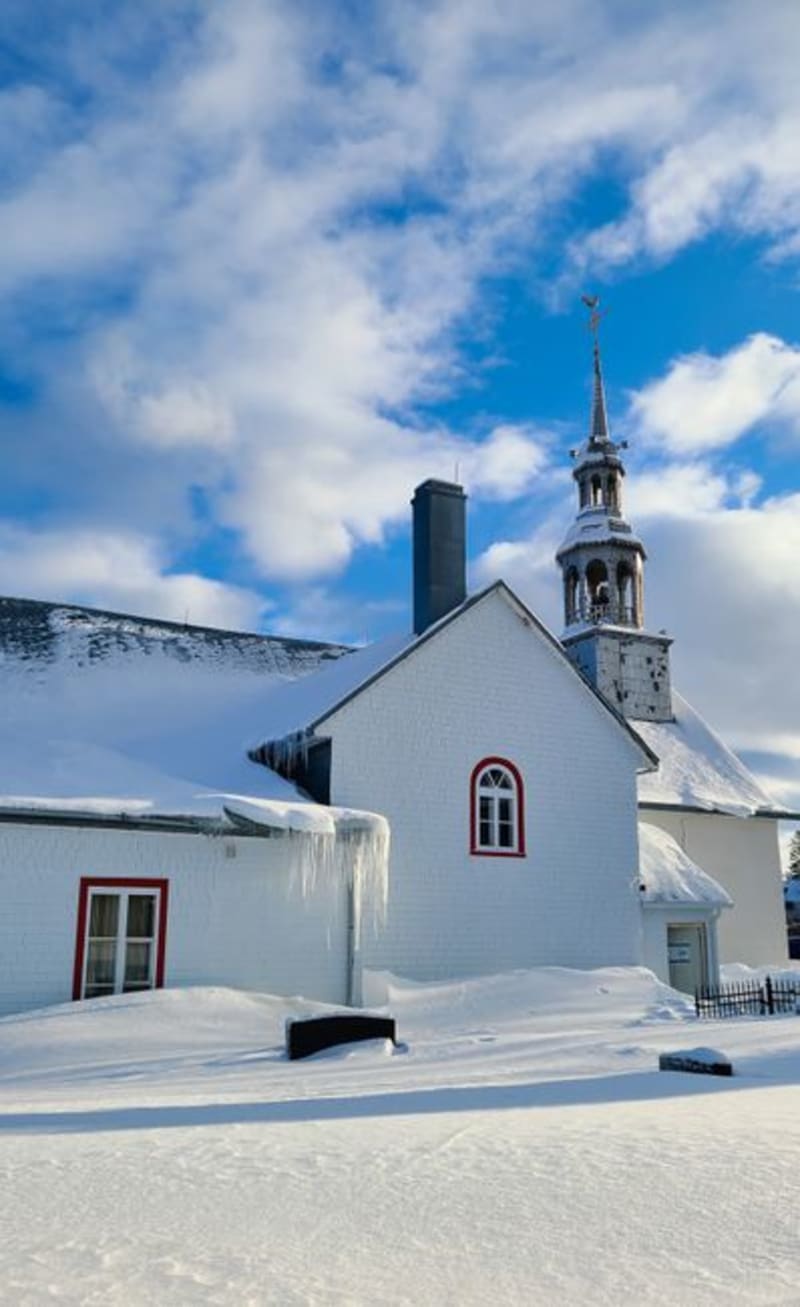 quebec
 Saint-Sauveur
The Laurentians' liveliest ski town, close enough to Montreal for a night trip and packed enough on weekends that half the point is the crowd itself.
Explore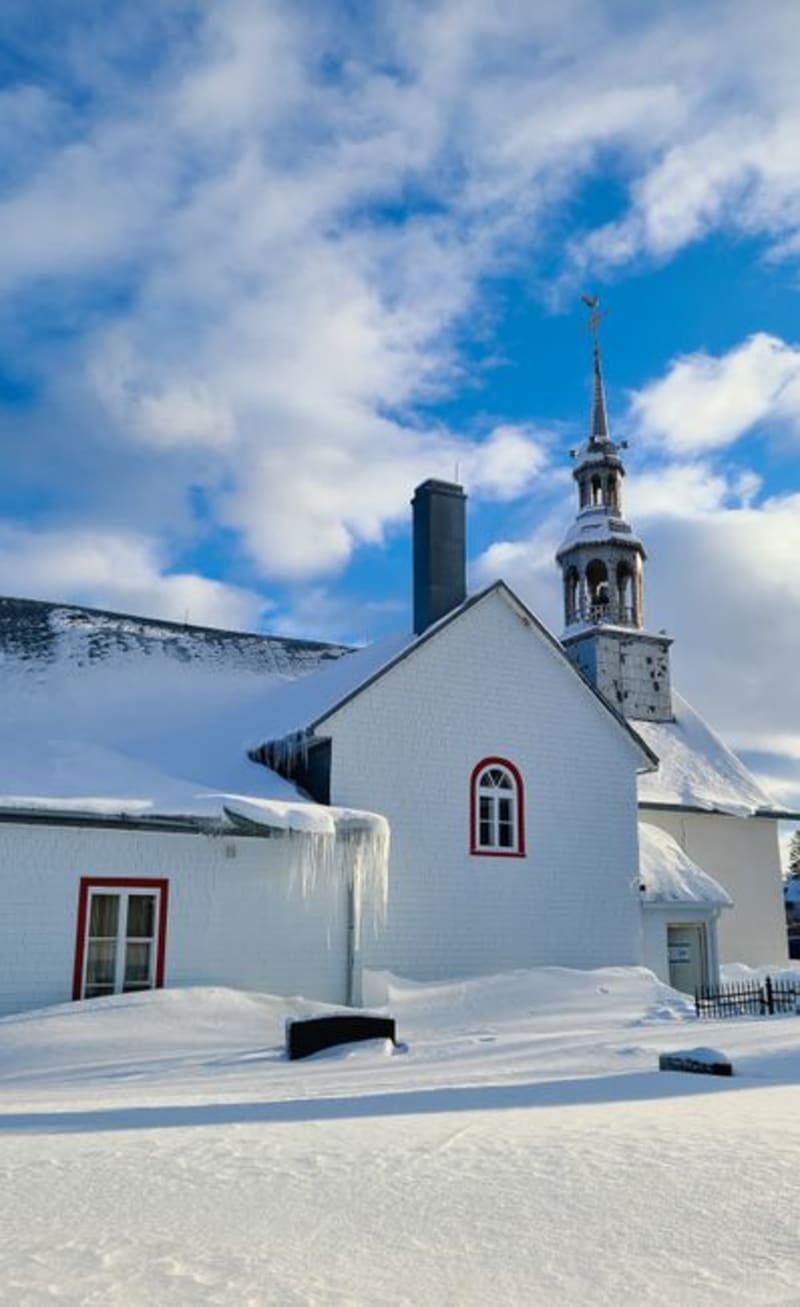 quebec
 Sainte-Adèle
A quieter Laurentian town of spas and lakeside inns, built into the folds of the hills and best known for turning relaxation into a genuine local industry.
Explore quebec
 Sainte-Agathe-des-Monts
The old resort capital of the Laurentians, built around a lake that Montreal's wealthy families have been summering on since the railway first arrived in 1892.
Explore quebec
 Sainte-Rose-du-Nord
A village of a few hundred people tucked into a cove on the Saguenay's north shore, routinely called one of the prettiest in Quebec, and quiet enough that it still feels like a discovery.
Explore