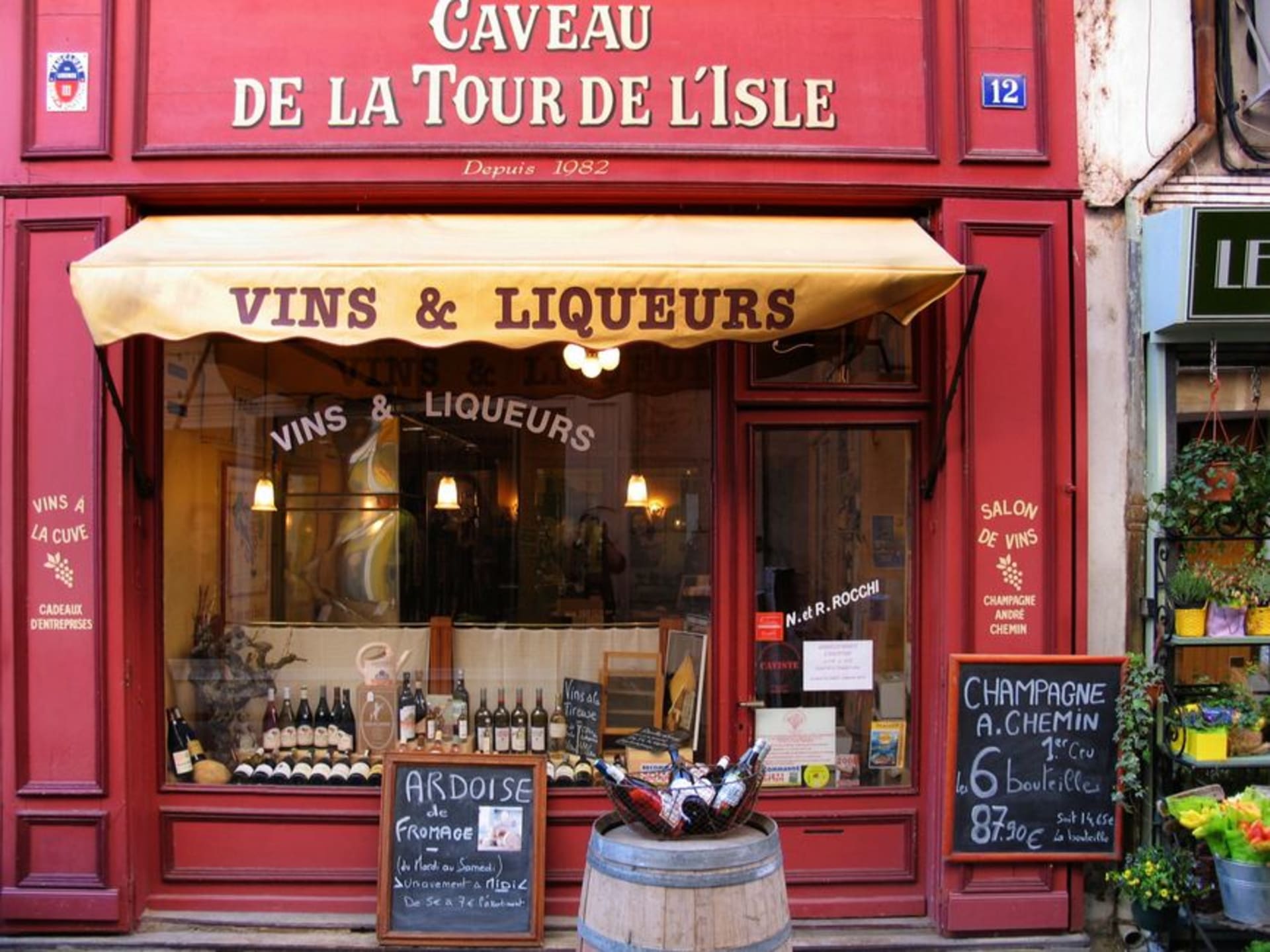
Route des Vins
"Nobody believes Quebec makes real wine until they've tasted it. I didn't either, until I did."
Quebec's wine route through Dunham, Stanbridge, and Frelighsburg — proof that serious wine can come from a place with six-month winters.
I’ll admit my skepticism going in. I grew up near Bordeaux, spent a childhood absorbing the unspoken assumption that serious wine requires centuries of tradition and a climate that doesn’t try to kill the vines every winter. Quebec has neither. And yet the Route des Vins, threading through the villages of Dunham, Stanbridge East, Frelighsburg, and Sutton in the southwestern Townships, produces wines that made me quietly revise my assumptions over the course of one long weekend.
The route runs along Route 202 and the small roads branching off it, connecting close to twenty vineyards across a stretch of maybe forty kilometers near the Vermont border. The industry here is young — most of these vineyards were planted in the 1990s and 2000s, once growers figured out which hybrid grape varieties (Vidal, Frontenac, Marquette, Seyval Blanc) could survive Quebec winters that regularly drop below minus twenty-five. What’s emerged is a genuinely distinctive style: crisp, high-acid whites that pair with the region’s cheese and charcuterie, and increasingly confident reds and ice wines that don’t apologize for what they are.
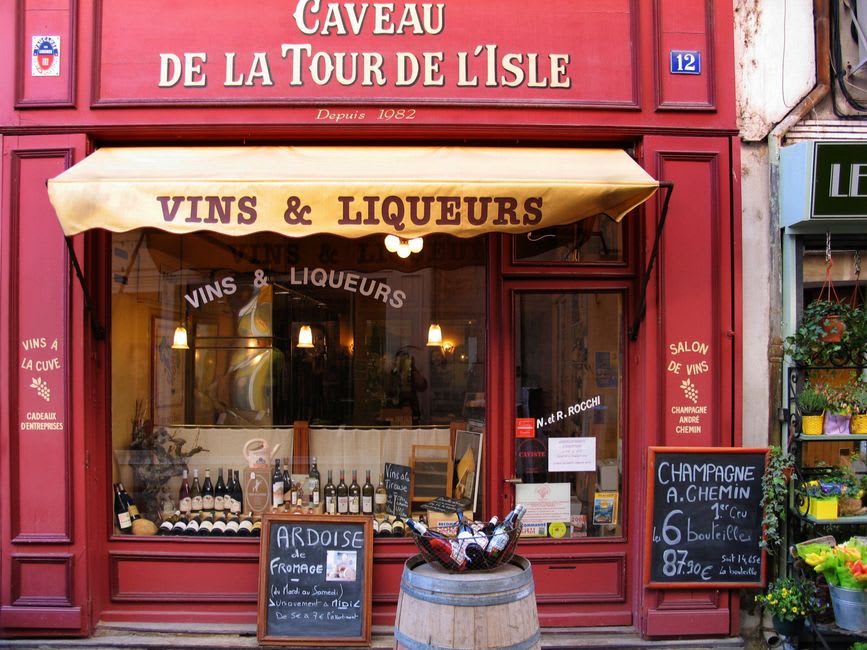
We spent the first afternoon in Dunham, the unofficial capital of the route, tasting at three vineyards within a few kilometers of each other and watching the harvest happening in real time — pickers moving through rows with buckets, trucks hauling grapes to be crushed within the hour. One winemaker, when I asked how she’d ended up making wine in a place this cold, laughed and said the same thing everyone here seems to say: that the challenge was the whole appeal, that anyone can make wine in Bordeaux. Frelighsburg, a few kilometers further, might be the prettiest village on the whole route — a cluster of heritage buildings around a covered bridge, with an old grist mill converted into a restaurant where we ate a meal built almost entirely from ingredients grown within sight of the table.
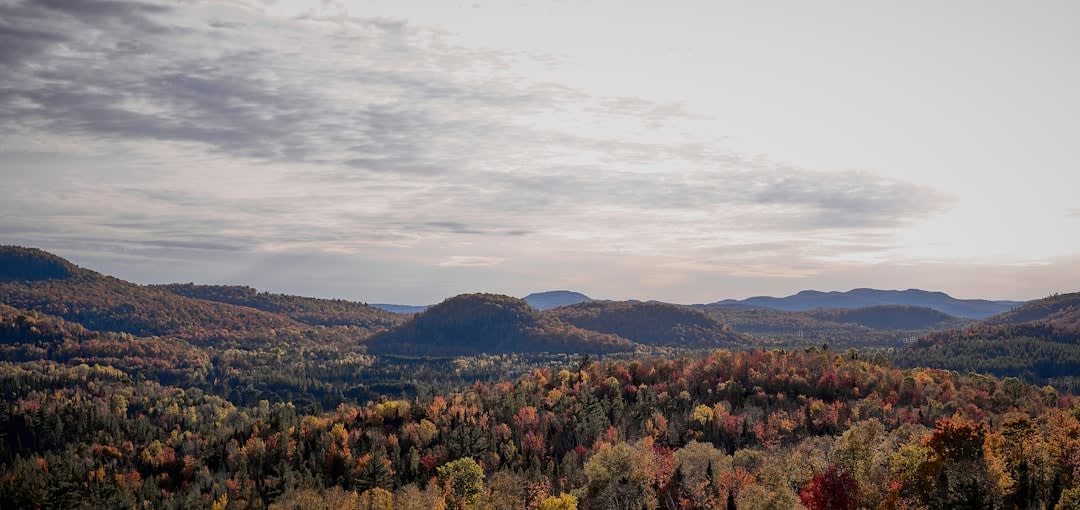
Lia, tasting her way through a flight of Vidal at a vineyard outside Stanbridge East, said something that stuck with me: that the wines tasted like the landscape they came from — cool, clear, a little sharp at the edges, unmistakably northern. I’d argue that’s the highest compliment you can give a young wine region, and the Townships have earned it.
When to go: Late September through October for harvest season, when most vineyards run tastings and some allow visitors to watch the picking. Ice wine producers harvest frozen grapes in December and January, worth timing a visit around if you can handle the cold. Many smaller vineyards close entirely from November through April, so call ahead outside the warm months.