
Le P'tit Train du Nord
"They tore up the tracks and left the exact same route through the mountains — just slower now, and better for it."
A 234-kilometre rail trail carved from an abandoned railway line, stringing together nearly every Laurentian village from Saint-Jérôme to Mont-Laurier.
Le P’tit Train du Nord used to be an actual railway — the line that, starting in the 1890s, first opened the Laurentians to Montreal and turned villages like Sainte-Agathe and Saint-Jovite into resort towns in the first place. The trains stopped running in 1989, and rather than let the corridor disappear, Quebec converted the entire 234-kilometre route into a linear park: a flat, wide, crushed-gravel trail that runs from Saint-Jérôme in the south all the way to Mont-Laurier in the north, passing directly through or beside nearly every town of consequence in the region along the way.
We rode a three-day stretch of it one September, starting in Saint-Jérôme and ending in Mont-Tremblant, staying in small auberges along the route each night and having our bags shuttled ahead by a local outfitter — a genuinely well-organized system that’s clearly been refined over years of cycling tourism. The trail’s rail-grade gentleness makes it accessible to almost anyone — the maximum incline anywhere on the route is barely noticeable, a legacy of the fact that steam trains couldn’t climb steep grades either — and that flatness, combined with the old rail bridges over rivers and gorges, makes for some of the most scenic easy cycling I’ve done anywhere.
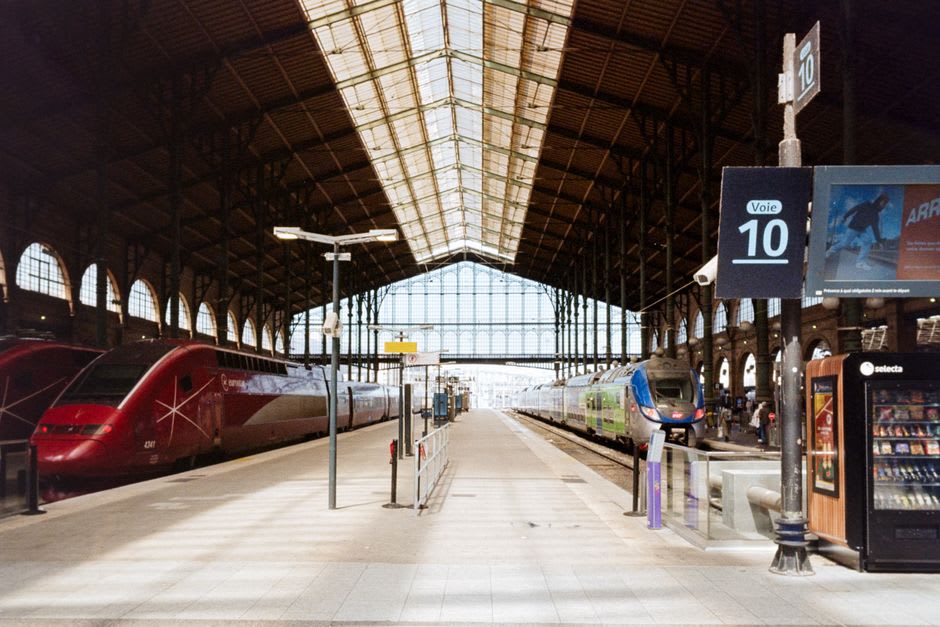
Old train stations along the route have mostly been converted into cafés, information points, or small museums, and there’s something genuinely moving about stopping at the restored station in Val-David or Sainte-Adèle and picturing the wealthy Montreal families who once arrived at these same platforms with steamer trunks, a century before Lia and I rolled through on rented hybrid bikes with panniers full of snacks. In winter, the same corridor becomes one of the longest groomed cross-country ski trails in North America, maintained in sections by local clubs.
The trail is, in a real sense, the connective tissue of the entire Laurentian tourism region — it’s the reason these villages exist in their current form, and riding it end to end is probably the single best way to understand how the whole region fits together.
When to go: June through September for cycling, with September offering cooler temperatures and the start of fall colour. Winter for cross-country skiing on the groomed sections, best from January through early March.