Parc National de Plaisance
"Plaisance is a wetland pretending to be an afterthought — over 280 bird species have figured out it's actually one of the best stopovers on the river."
A wetland delta on the Ottawa River where more bird species pass through than almost anywhere else in Quebec — and almost no one visits.
I found Parc National de Plaisance almost by accident, looking for something to do on the Outaouais side of the Ottawa River between Montebello and the Ontario border, and it turned out to be one of the better wetland parks I’ve visited anywhere. The park protects a wide delta where several small rivers — the Petite Nation and the Ottawa itself — spread into marsh, flooded forest, and open bay, creating exactly the kind of shallow, food-rich habitat migratory birds need. More than 280 species have been recorded here, which for a small provincial park is a remarkable number, and the reason becomes obvious once you’re paddling through the channels: the marsh grass alone supports an entire food web you can watch happening in real time.
We rented a canoe at the park’s put-in and spent a morning threading through the flooded silver maple forest that borders the open marsh — a genuinely strange landscape, tree trunks rising directly out of still water, the canopy filtering light down onto channels barely wider than the boat. Great blue herons stood motionless in the shallows at almost every bend, unbothered by the canoe passing within a few metres, and at one point a family of common terns worked the open water beside us, diving repeatedly for small fish. Spring and fall bring enormous numbers of waterfowl using the delta as a stopover on the Atlantic and Mississippi flyways — tundra swans in particular pass through in striking numbers during migration.
There’s an observation tower near the park entrance that gives a wide view over the whole delta, useful for orienting yourself before heading out on the water, and several short walking trails through the upland forest for anyone who’d rather stay dry.
When to go: Spring (April-May) and fall (September-October) for peak bird migration, when the numbers of waterfowl on the delta are highest. Summer is better for canoeing and calmer water levels, though bird activity is quieter.
Keep exploring
More from Québec
 quebec
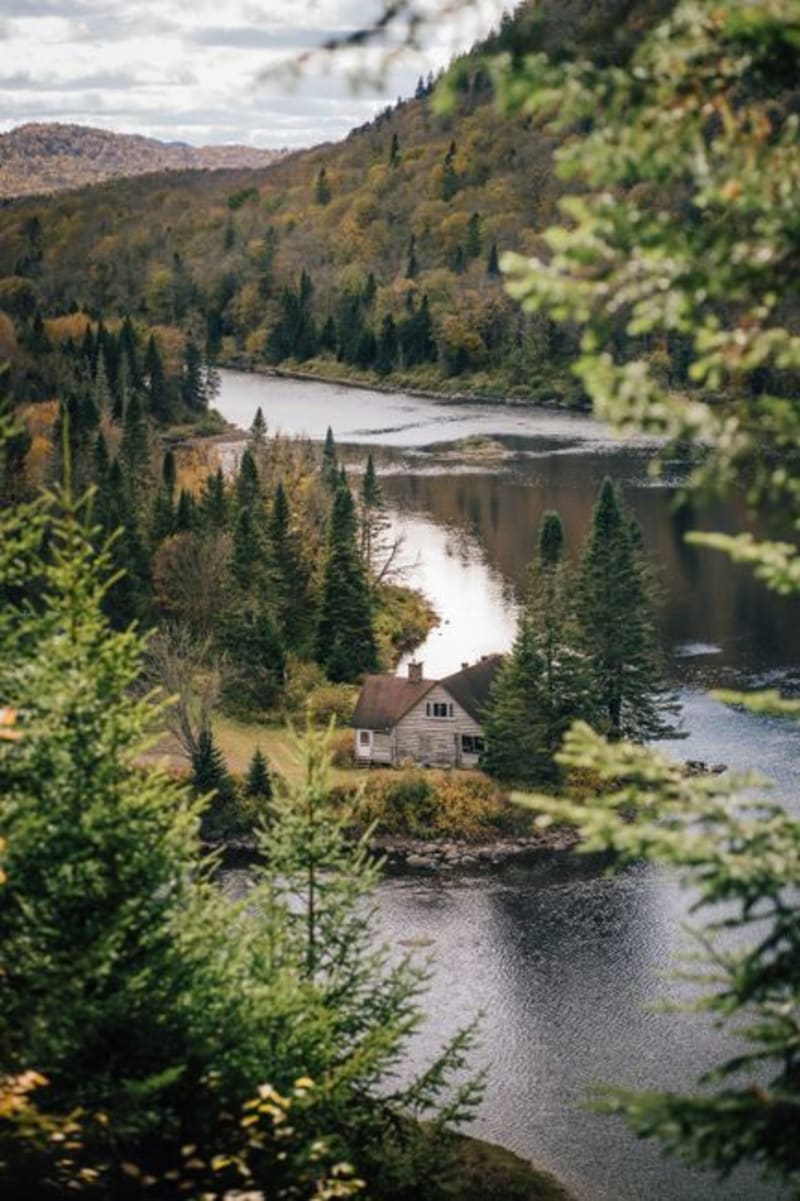
 Parc National de la Mauricie
A wilderness of lakes and rounded Laurentian hills two hours from Montréal, where canoe routes replace roads and the loons do most of the talking.
Explore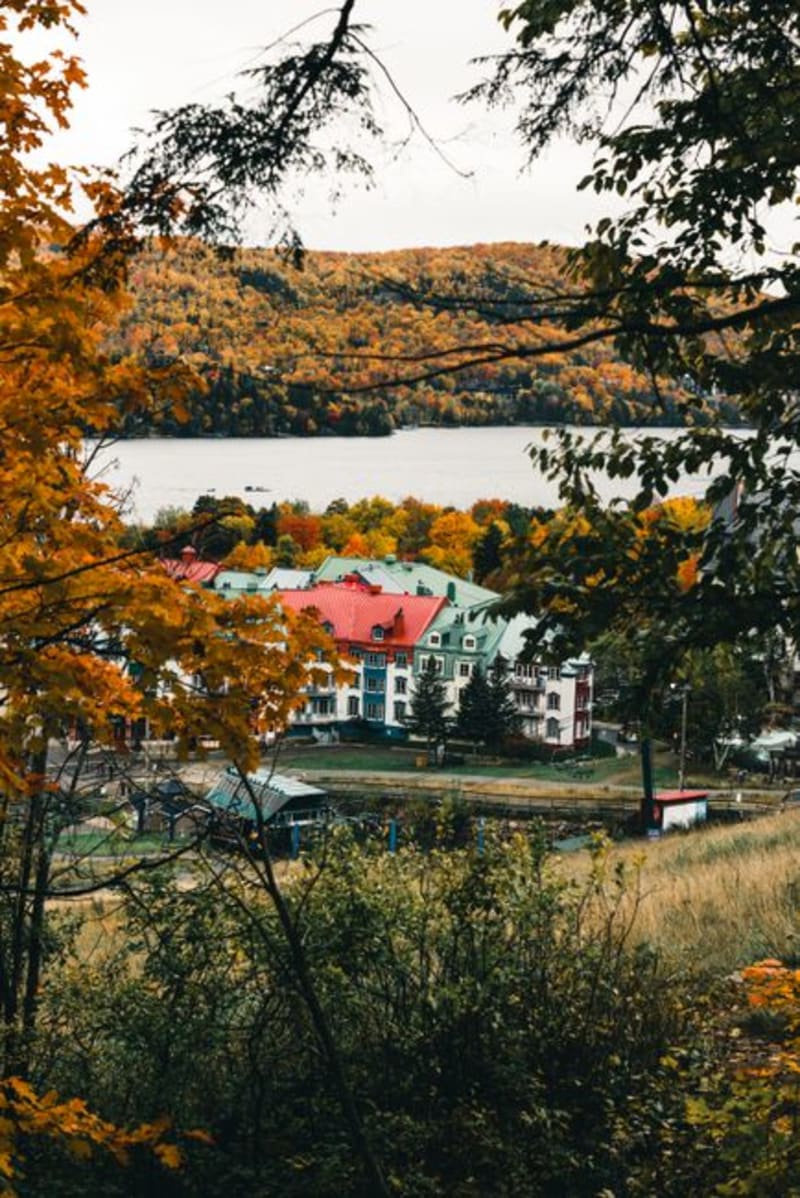 quebec
 Parc National du Mont-Tremblant
Quebec's oldest and largest provincial park — 1,500 square kilometres of lakes, moose, and canoe routes that make the ski resort thirty minutes away feel like a different planet.
Explore quebec
 Parc Oméga
A drive-through wildlife park in the Outaouais where wolves, elk, and wild boar approach the car uninvited.
Explore quebec
 Percé Rock
A limestone monolith punched clean through by the sea — the single most photographed piece of rock in Quebec, and it earns every frame.
Explore quebec
 Péribonka
The riverside village that inspired Quebec's founding literary myth of survival on the land — now a quiet stretch of farmland, museum, and one of the great wild blueberry regions in North America.
Explore quebec
 Le P'tit Train du Nord
A 234-kilometre rail trail carved from an abandoned railway line, stringing together nearly every Laurentian village from Saint-Jérôme to Mont-Laurier.
Explore