Old Montreal
"Old Montreal is what happens when a fur-trading outpost decides, four centuries later, to become beautiful on purpose."
Cobblestones, grey stone, and four hundred years of river commerce — the neighbourhood that makes Montreal feel, for a few blocks, like a European port city that wandered north.
Lia and I took the metro to Place-d’Armes on our first full day in Montreal and came up the stairs directly into the shadow of Notre-Dame Basilica, which felt like a rude and wonderful surprise — no gradual approach, just suddenly this immense grey-stone church filling the entire sky. That’s Old Montreal’s trick, I’d learn over the following days: it doesn’t announce itself gradually the way Quebec City does from the river. It just appears, block by block, cobblestone by cobblestone, wedged between the financial towers and the St. Lawrence.
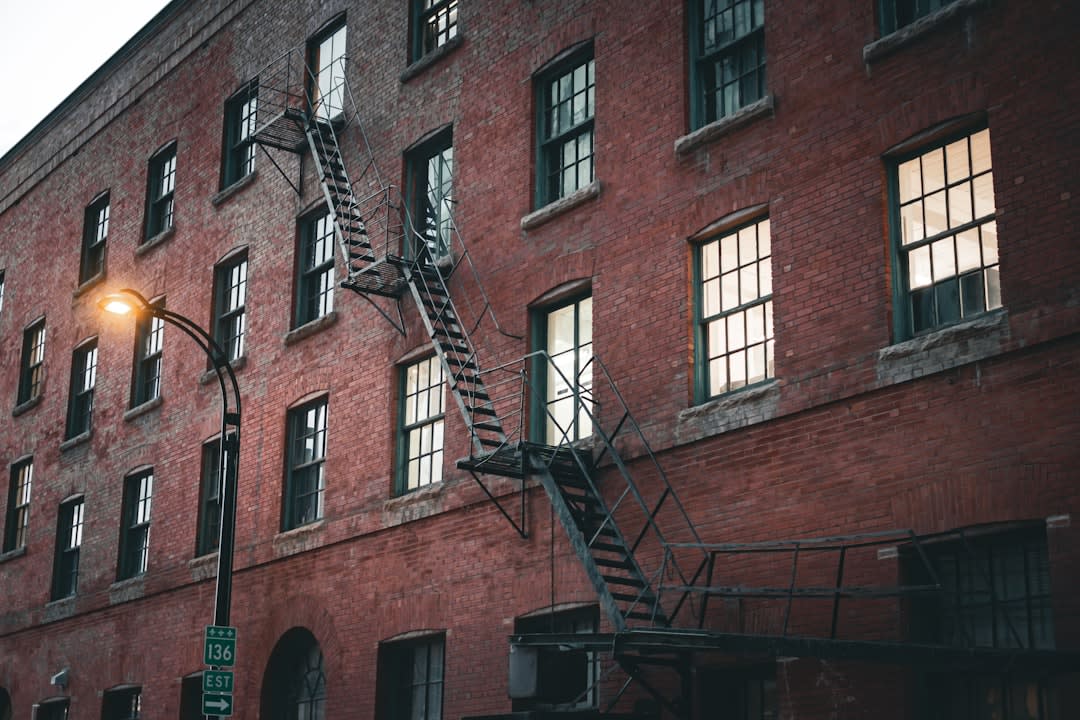
We spent a full morning just walking Rue Saint-Paul end to end, the oldest commercial street in the city, its 18th and 19th-century stone warehouses now holding art galleries, maple-syrup shops aimed squarely at tourists, and a handful of genuinely excellent restaurants that locals still bother with. Place Jacques-Cartier, sloping down toward the river, was full of street performers and horse-drawn calèches when we passed through, which I found more charming than I expected to — there’s a version of touristic excess that tips into being simply pleasant, and this was it. Lia bought a small watercolour from a painter set up near the fountain, still rolled up in a tube in our closet in Mexico.
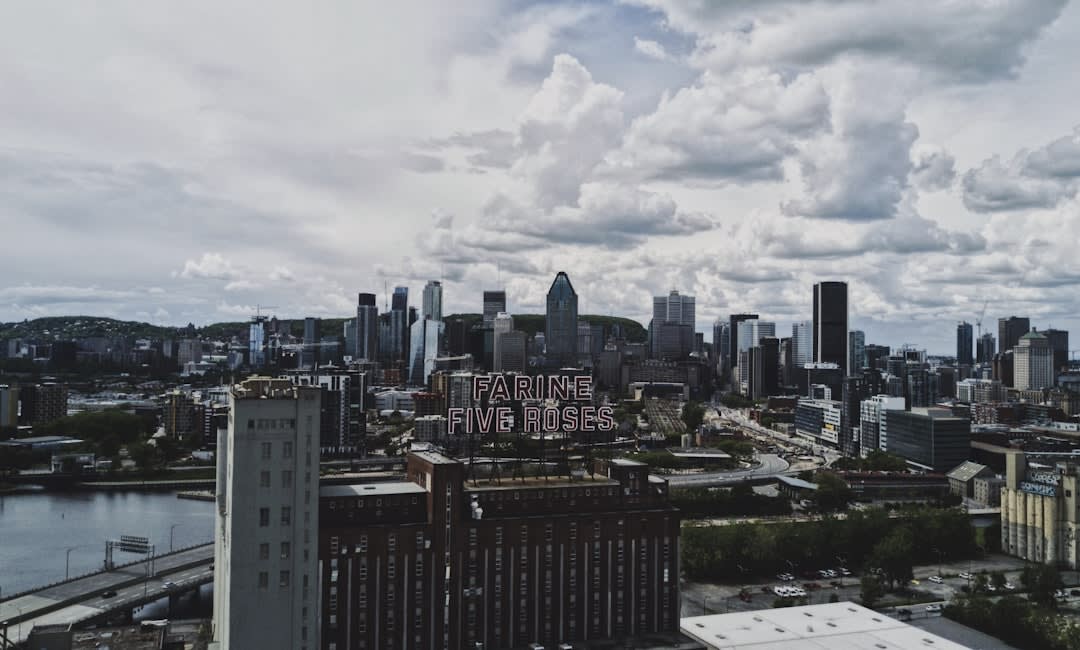
What surprised me most was how much working city survives underneath the postcard version. The Marché Bonsecours, its silver dome visible from half of Old Montreal, was Canada’s parliament building for a few years in the 1840s before it became a market — it’s craft boutiques now, but the bones of the building still carry that improbable civic weight. And down at the Old Port, container ships still occasionally dock a few hundred metres from where tourists eat ice cream, the two economies of the city existing in the same view without apparent friction.
We ate our best meal in Old Montreal almost by accident — a bistro on a side street off Place Royale (Montreal has its own smaller Place Royale, easy to confuse with Quebec City’s) that had no menu translated into English and a chalkboard special of bavette with a red wine reduction that Lia still brings up unprompted, months later. That’s the neighbourhood’s real gift: it looks entirely built for tourists, and then rewards the people who wander one street further than the postcard requires.
When to go: June through September for terrace weather and the full performance of Place Jacques-Cartier, though the crowds peak hard in July and August. Early morning, before 9am, is the only time to see the cobblestones empty — worth setting an alarm for at least once.