Notre-Dame Basilica
"I've been in a lot of churches. Notre-Dame is the first one that made me stop talking entirely."
A church interior so blue and gold and overwhelming it stopped every conversation Lia and I were having mid-sentence — Montreal's most theatrical piece of architecture.
We walked into Notre-Dame Basilica expecting a church and found something closer to a theatre set. The interior is deep blue and gold, lit by hundreds of small bulbs rather than the grey daylight most Gothic cathedrals rely on, with wooden carvings and stained glass depicting not biblical scenes but Montreal’s own founding history — an unusual choice that makes the building feel less like an import from Europe and more like a city telling its own origin story in wood and gilt. Lia, who grew up going to church every Sunday and has seen more religious architecture than most art historians, stood in the centre aisle for a full minute without saying anything, which for her is a rare event.
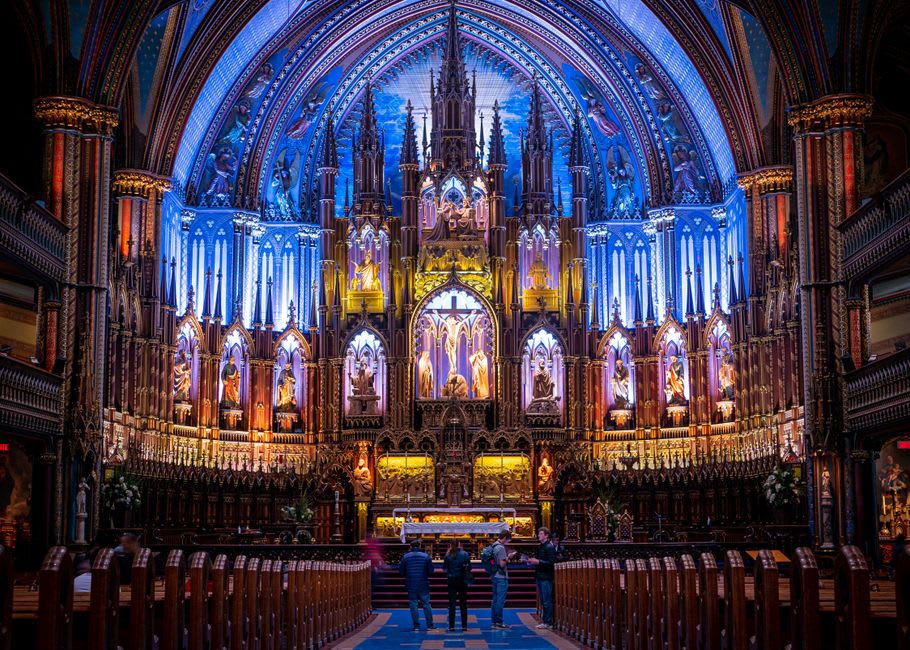
The basilica was built in the 1820s and 30s by an Irish-American architect named James O’Donnell, who was so moved by the project that he converted to Catholicism on his deathbed so he could be buried in its crypt — the only person allowed that honour, and a detail that tells you something about the building’s ability to convert the unconvinced. The pipe organ, nearly 7,000 pipes, still gets played for concerts and recitals, and we happened onto a rehearsal one afternoon, the sound filling the whole nave in a way that made the hair on my arms stand up in a manner I did not expect from a Tuesday.
Behind the main sanctuary sits the Sacred Heart Chapel, rebuilt after a 1978 fire and finished with a strikingly modern bronze altarpiece that clashes with the Gothic Revival shell around it in a way I found more moving than jarring — proof the building has kept being added to rather than frozen as a museum piece. It’s also, still, a working parish and a popular wedding venue, Celine Dion among the notable brides, which gives the whole space a slightly showbiz undercurrent that somehow doesn’t cheapen it.
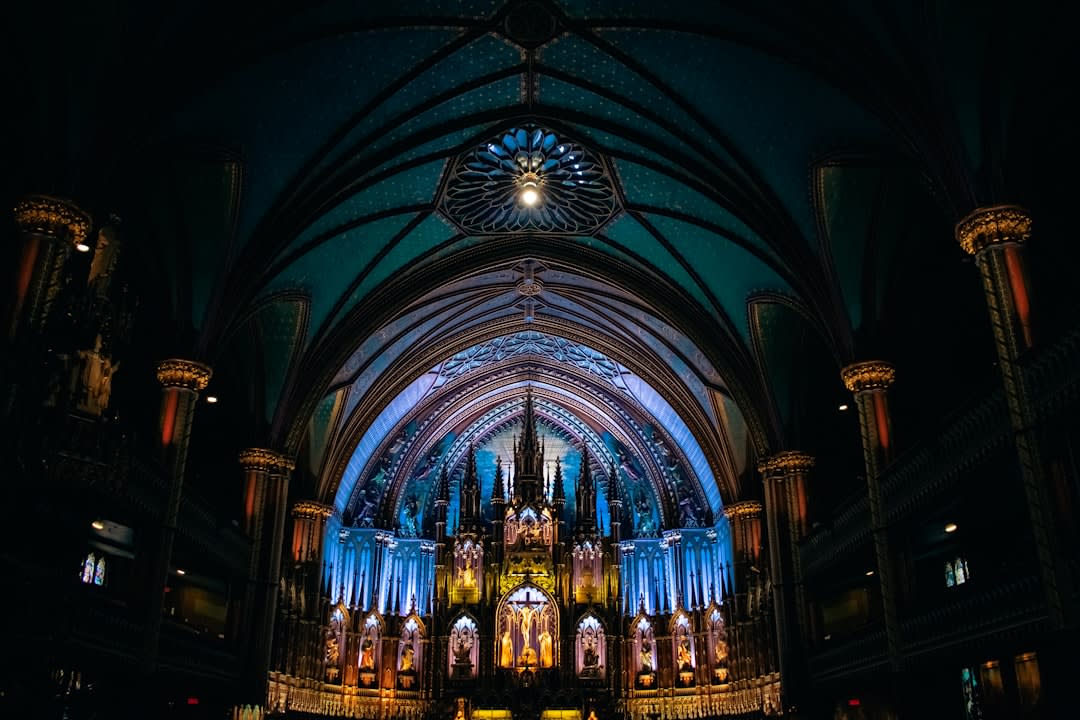
In the evenings, the basilica runs a sound-and-light show called Aura, projected across the vaulted ceiling and pillars with a score that leans more ambient-electronic than liturgical. I went in skeptical of a light show inside a 19th-century church and came out won over — it uses the architecture rather than fighting it, and lying back in a pew watching colour move across four-hundred-year-old stone carvings felt like a genuinely new way to experience an old building.
When to go: Year-round, though check ahead for weddings and services that close parts of the interior to visitors. The Aura light show runs most evenings outside the summer off-season — check current listings before planning a night visit.
Keep exploring
More from Québec
 quebec
 Oka
A national park of sand dunes and marshland at the Laurentians' southern gateway, anchored by a working Trappist monastery and a Kanien'kehá:ka community with a complicated, essential history.
Explore quebec
 Old Montreal
Cobblestones, grey stone, and four hundred years of river commerce — the neighbourhood that makes Montreal feel, for a few blocks, like a European port city that wandered north.
Explore quebec
 Old Port of Montreal
The working waterfront turned public playground — cyclists, ice skaters, and the occasional container ship, all sharing the same stretch of the St. Lawrence.
Explore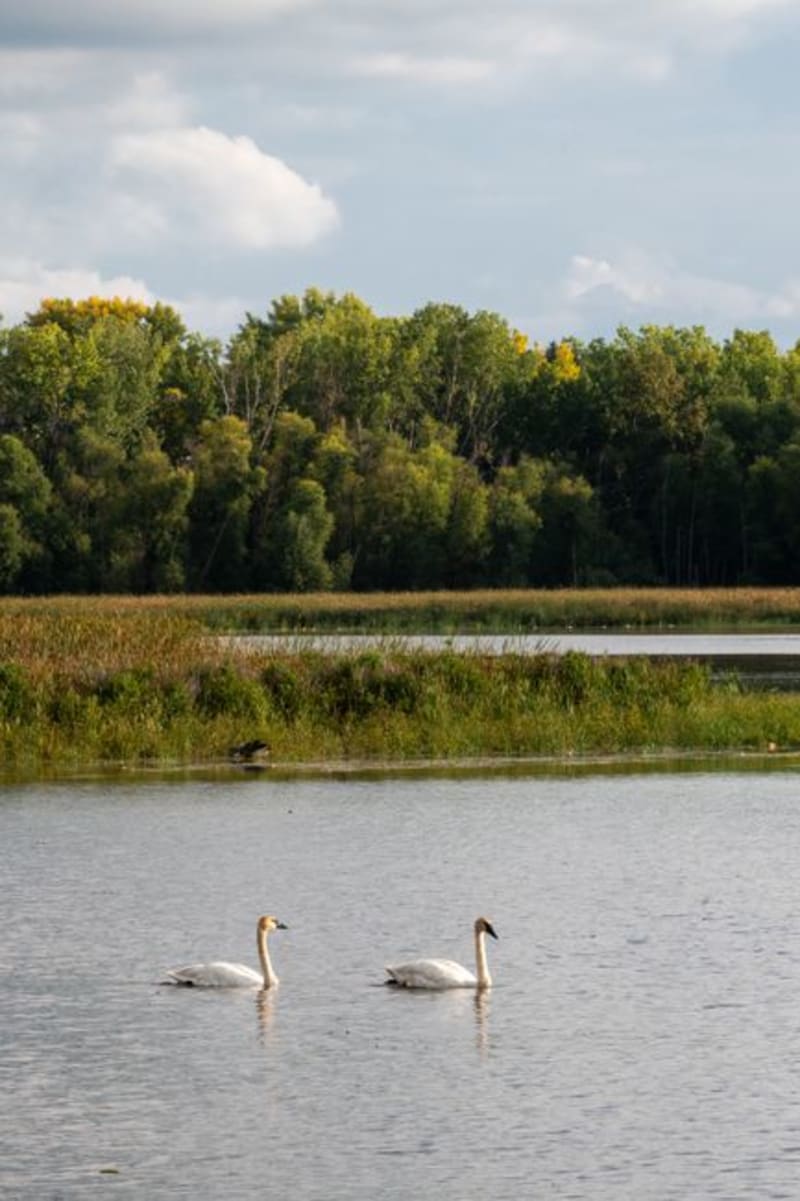 quebec
 Parc National de Plaisance
A wetland delta on the Ottawa River where more bird species pass through than almost anywhere else in Quebec — and almost no one visits.
Explore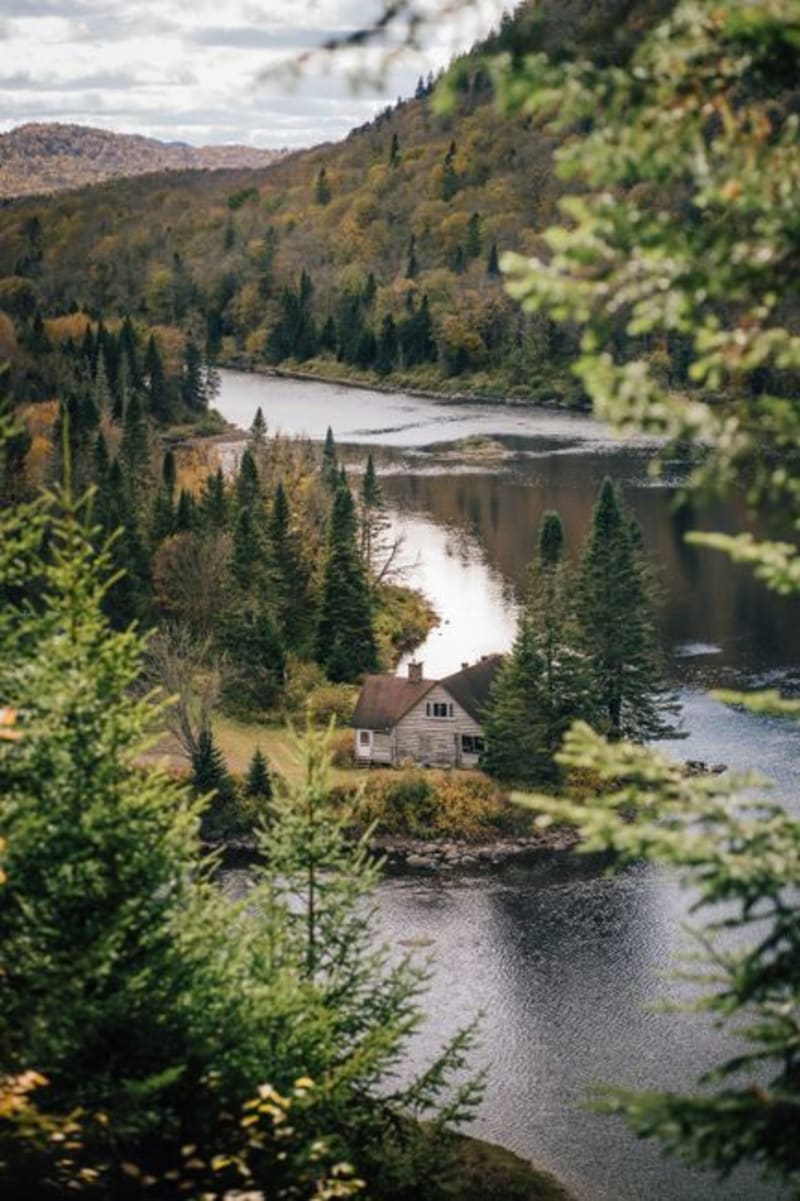 quebec
 Parc National de la Mauricie
A wilderness of lakes and rounded Laurentian hills two hours from Montréal, where canoe routes replace roads and the loons do most of the talking.
Explore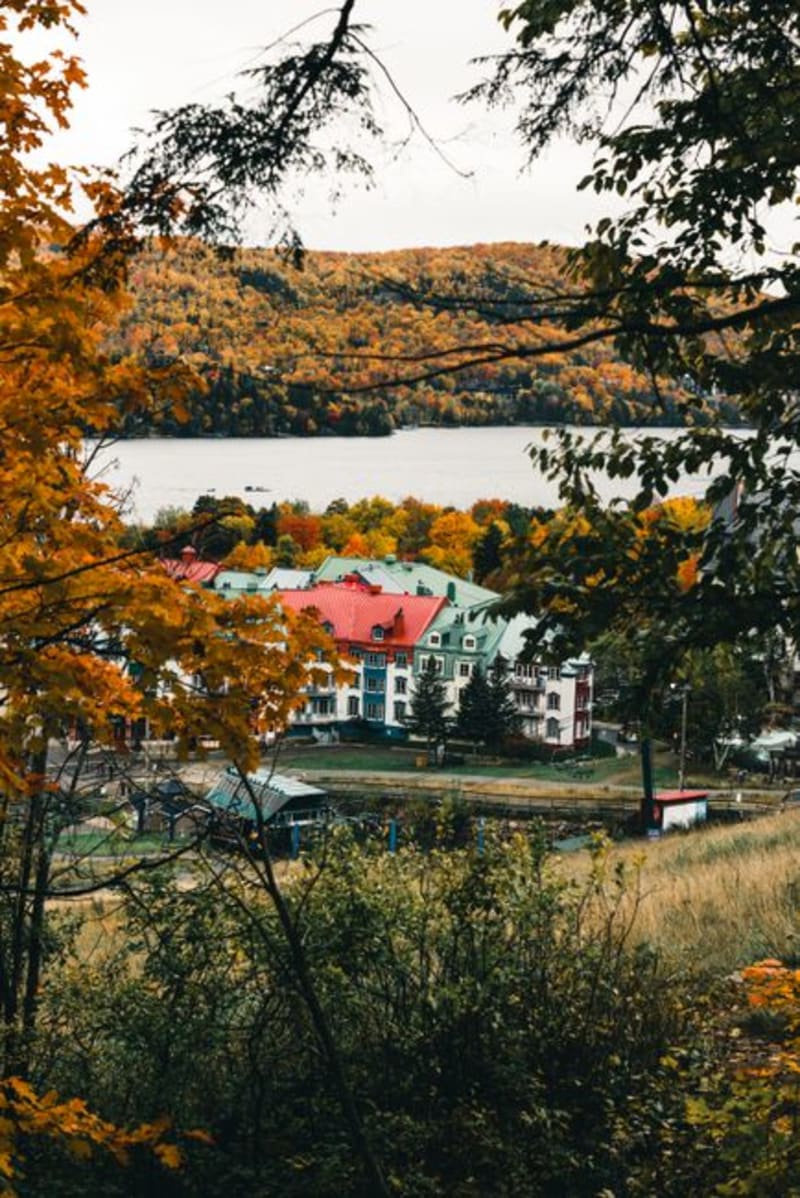 quebec
 Parc National du Mont-Tremblant
Quebec's oldest and largest provincial park — 1,500 square kilometres of lakes, moose, and canoe routes that make the ski resort thirty minutes away feel like a different planet.
Explore