Musée Canadien de l'Histoire
"Douglas Cardinal built this museum to look like the land itself was still moving — glacial curves facing down Parliament Hill from across the water."
The largest indoor collection of totem poles on earth, housed in a building shaped like the land it faces, directly across the river from Parliament Hill.
The Canadian Museum of History sits on the Gatineau side of the river, and its architecture is the first thing that gets you — Douglas Cardinal, the Métis architect who designed it, shaped the building’s limestone facade into rolling, glacial curves meant to evoke the landforms carved by the retreat of the ice age, softened rock rising in waves toward the water. It faces Parliament Hill directly across the Ottawa River, and the two buildings — one rigid Gothic Revival stone, one flowing organic curve — read almost like an argument about what a national building should look like. I stood on the riverside terrace for a while just looking between them before going inside.
Inside, the Grand Hall is the centerpiece: a soaring glass-walled space, six storeys high, housing the largest indoor collection of totem poles in the world — nearly a dozen monumental poles from Pacific Northwest Coast nations, arranged along a recreated shoreline of longhouse facades under natural light pouring through the glass wall facing the river. The scale of the poles is hard to convey in photographs; standing beneath one that’s been carved and raised to tell a specific family’s history, thirty feet overhead, is a different experience than seeing it reproduced in a book. The Canadian History Hall, one floor up, covers 15,000 years of human presence in the territory now called Canada, and does something I hadn’t seen a national museum attempt before — it starts the story with Indigenous nations as the baseline, not the preamble, before European contact enters the narrative partway through.
The Canadian Children’s Museum, a separate wing within the same building, is genuinely well done if you’re travelling with kids — an immersive, hands-on world-tour exhibit that Lia and I wandered through with more enthusiasm than the target age group probably warranted.
When to go: Year-round, though weekday mornings avoid the school group crowds that fill the Grand Hall by midday. Pair it with a walk along the Gatineau riverside promenade, which gives the best angle on the building’s curved exterior against the river.
Keep exploring
More from Québec
 quebec
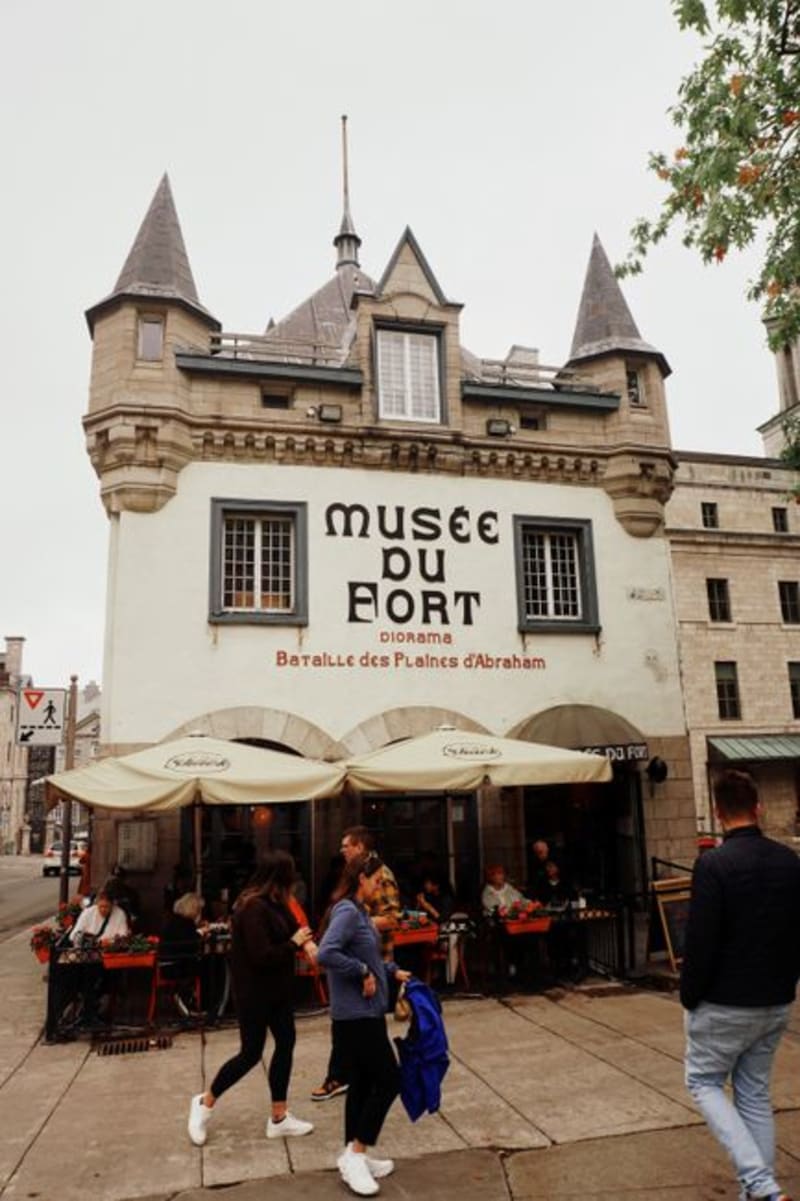
 Musée de la Civilisation
A modern museum built into the Old Port that treats Québécois identity as an ongoing argument rather than a settled story.
Explore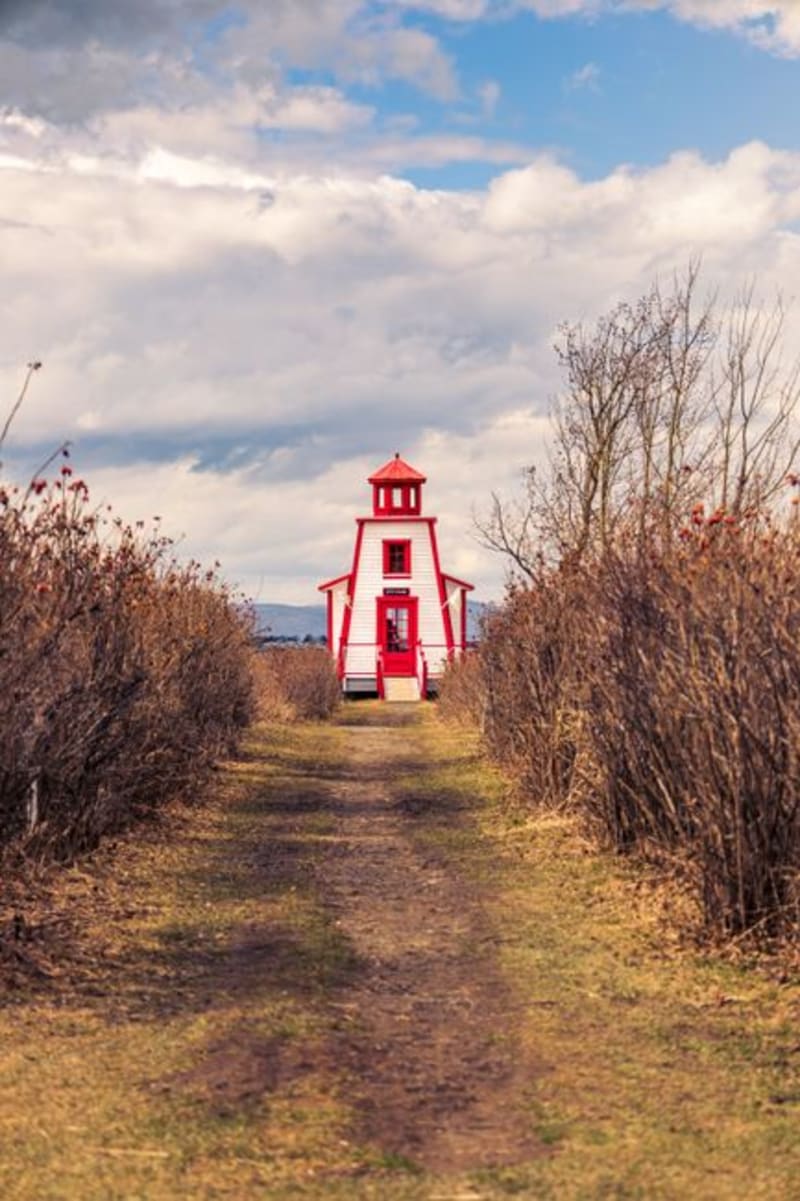 quebec
 Natashquan
The village where paved Route 138 simply stops — birthplace of Gilles Vigneault and gateway to the roadless Lower North Shore.
Explore quebec
 North Hatley
A village of gabled summer mansions at the head of Lake Massawippi, equal parts New England resort town and rural Quebec.
Explore quebec
 Notre-Dame de Québec Basilica
The oldest parish north of Mexico, rebuilt from ash more than once, and still the gravitational center of Catholic New France.
Explore quebec
 Notre-Dame Basilica
A church interior so blue and gold and overwhelming it stopped every conversation Lia and I were having mid-sentence — Montreal's most theatrical piece of architecture.
Explore quebec
 Oka
A national park of sand dunes and marshland at the Laurentians' southern gateway, anchored by a working Trappist monastery and a Kanien'kehá:ka community with a complicated, essential history.
Explore