Matapédia Valley
"The Matapédia Valley is the Gaspé that isn't on the coast road — and after a week of cliffs and gulls, the river quiet felt like an exhale."
An inland river valley the coastal Gaspé crowds mostly skip — covered bridges, world-class Atlantic salmon water, and a quieter pace than the coast road.
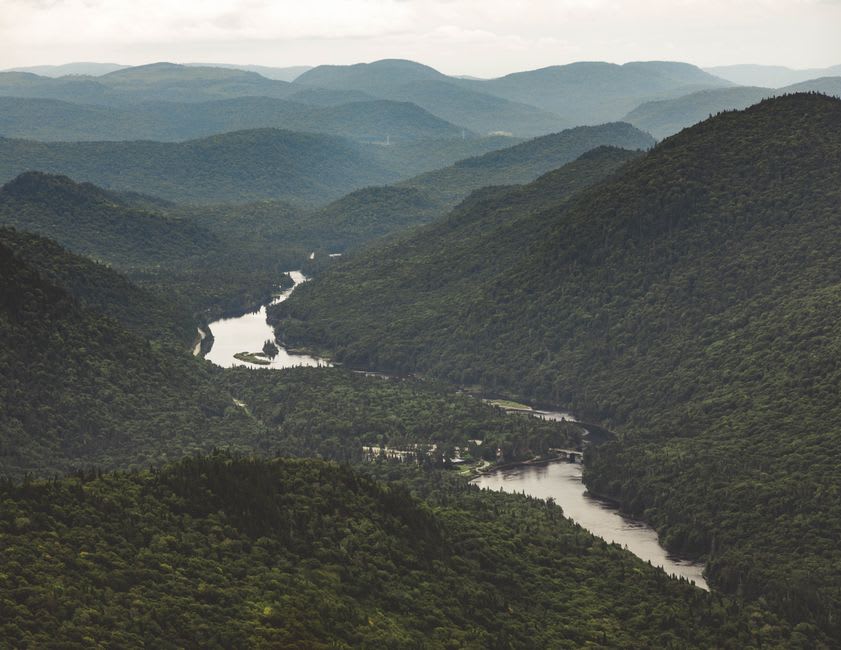
Most people who drive the Gaspé peninsula do the coastal loop and never dip inland, which I understand — the cliffs and fishing towns are the obvious draw — but cutting through the Matapédia Valley on the way back toward Rivière-du-Loup gave me a different, and in some ways more restful, version of the region. The valley follows the Matapédia River as it winds south from Amqui toward the Restigouche, through farmland and forested hills, past a scattering of red-painted covered bridges that Quebec’s Ministry of Transport has kept in careful repair specifically because they’ve become minor local landmarks.
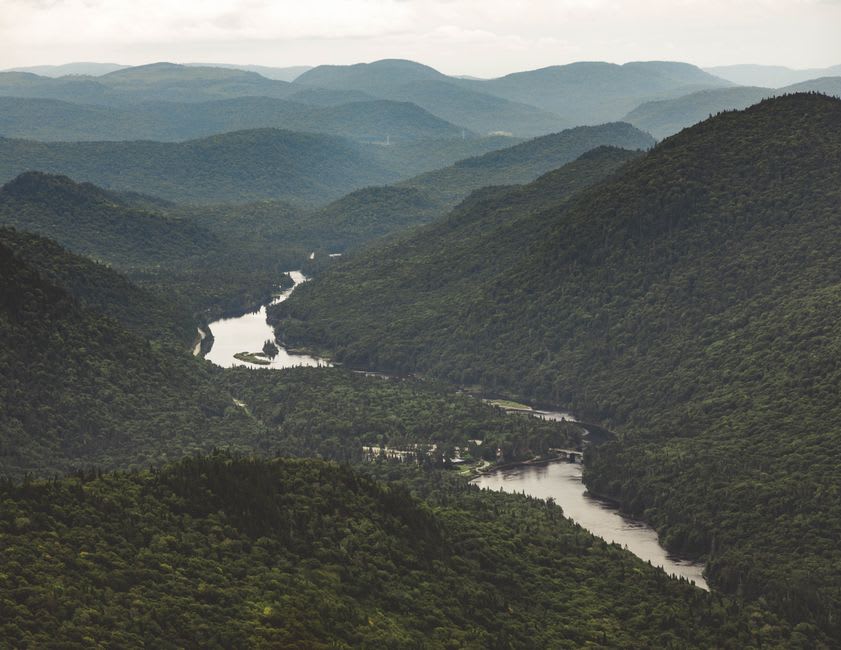
The valley’s real claim to fame among people who know it is the fishing. The Matapédia and its tributary the Causapscal are considered among the best Atlantic salmon rivers in eastern Canada, storied enough that fishing lodges here have hosted anglers for well over a century — the Matapédia was already famous for salmon in the 1800s, when wealthy sportsmen from Montreal and the northeastern United States began building private fishing camps along its banks. We stopped at the Site d’interprétation Matamajaw in Causapscal, a preserved historic salmon club, and watched from a viewing platform as a salmon actually cleared a small falls mid-river, which Lia declared the most purely satisfying thing she’d seen all trip, camera aside.
The pace of the valley is markedly slower than the coast — small dairy farms, church spires in every village, the road tracing the river rather than the sea. We stayed a night in Amqui and ate at a diner that served a version of poutine with a local cheese curd distinct from the ones we’d had in Percé, sharper and saltier, which the owner attributed with visible pride to her cousin’s dairy up the valley.
When to go: June through September for the salmon run and warmest weather; fall brings good colour along the river without the coastal crowds. The valley makes a natural, quieter alternative route back from the peninsula if you’ve done the coast road on the way out.
Keep exploring
More from Québec
 quebec
 Miguasha
A UNESCO fossil cliff holding the best-preserved record on Earth of fish learning to walk out of the water — 380 million years compressed into one small park.
Explore quebec
 Mile End
Bagels, indie record stores, and a rivalry over wood-fired ovens that Lia and I took far too seriously — Montreal's most self-aware neighbourhood.
Explore quebec
 Mingan Archipelago
A scatter of limestone islands sculpted by the sea into monoliths that look like ruins of a civilization that never existed.
Explore quebec
 Mont Orford
A national park built around a single mountain, doing double duty as a ski hill in winter and a hiking and arts destination the rest of the year.
Explore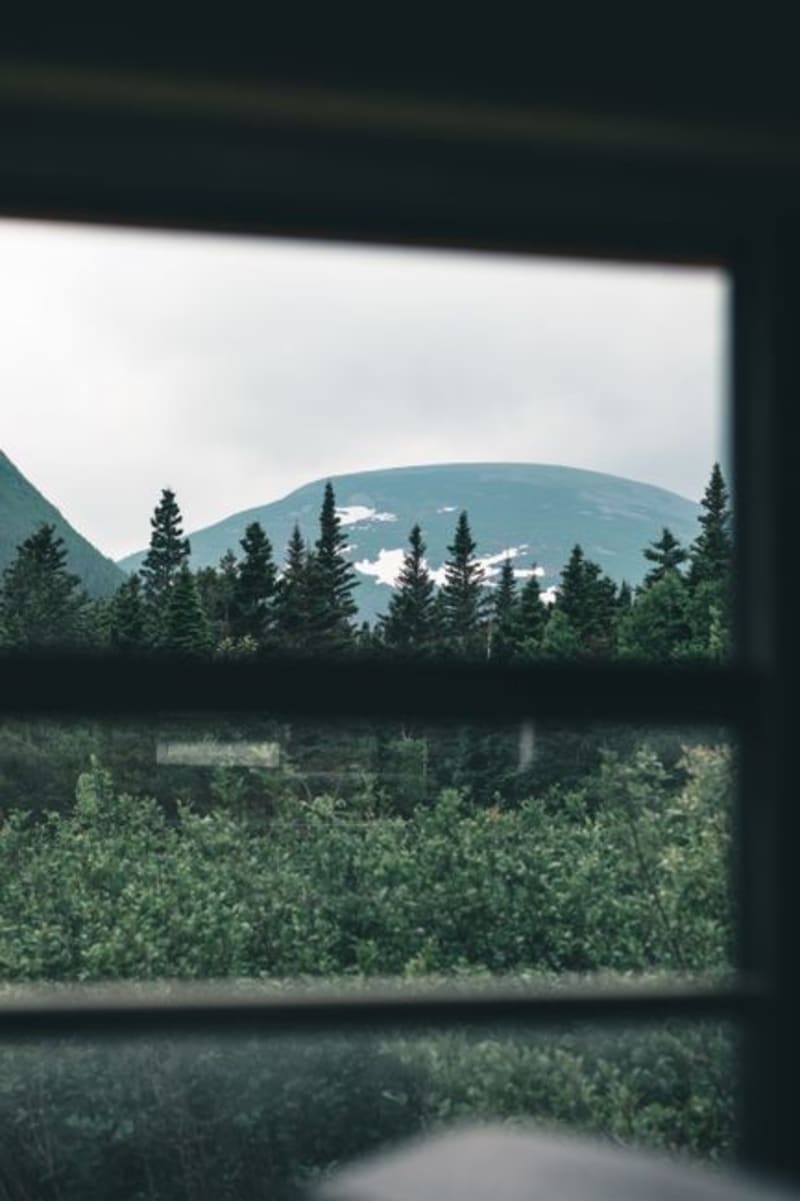 quebec
 Mont-Sainte-Anne
Quebec City's home mountain — a ski hill by winter and one of the continent's foundational mountain-biking destinations by summer, twenty minutes from the walled city and worlds away from it.
Explore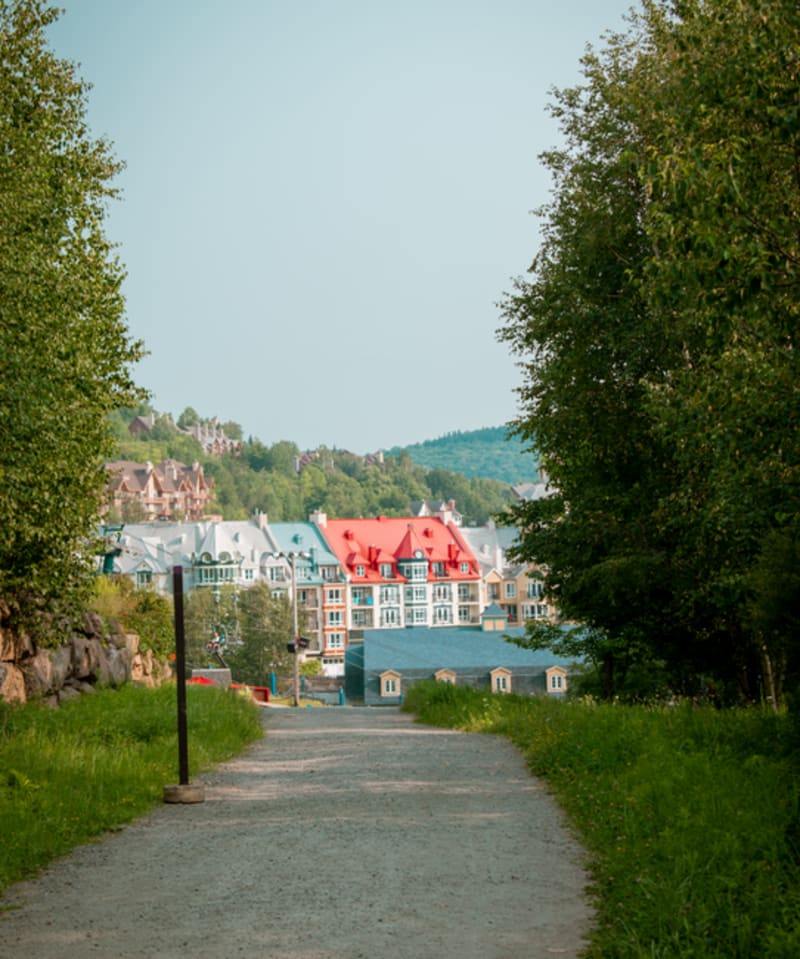 quebec
 Mont-Tremblant
The Laurentians' flagship resort village, where a pedestrian cobblestone town stacks itself against a mountain that turns into 96 ski runs every winter.
Explore