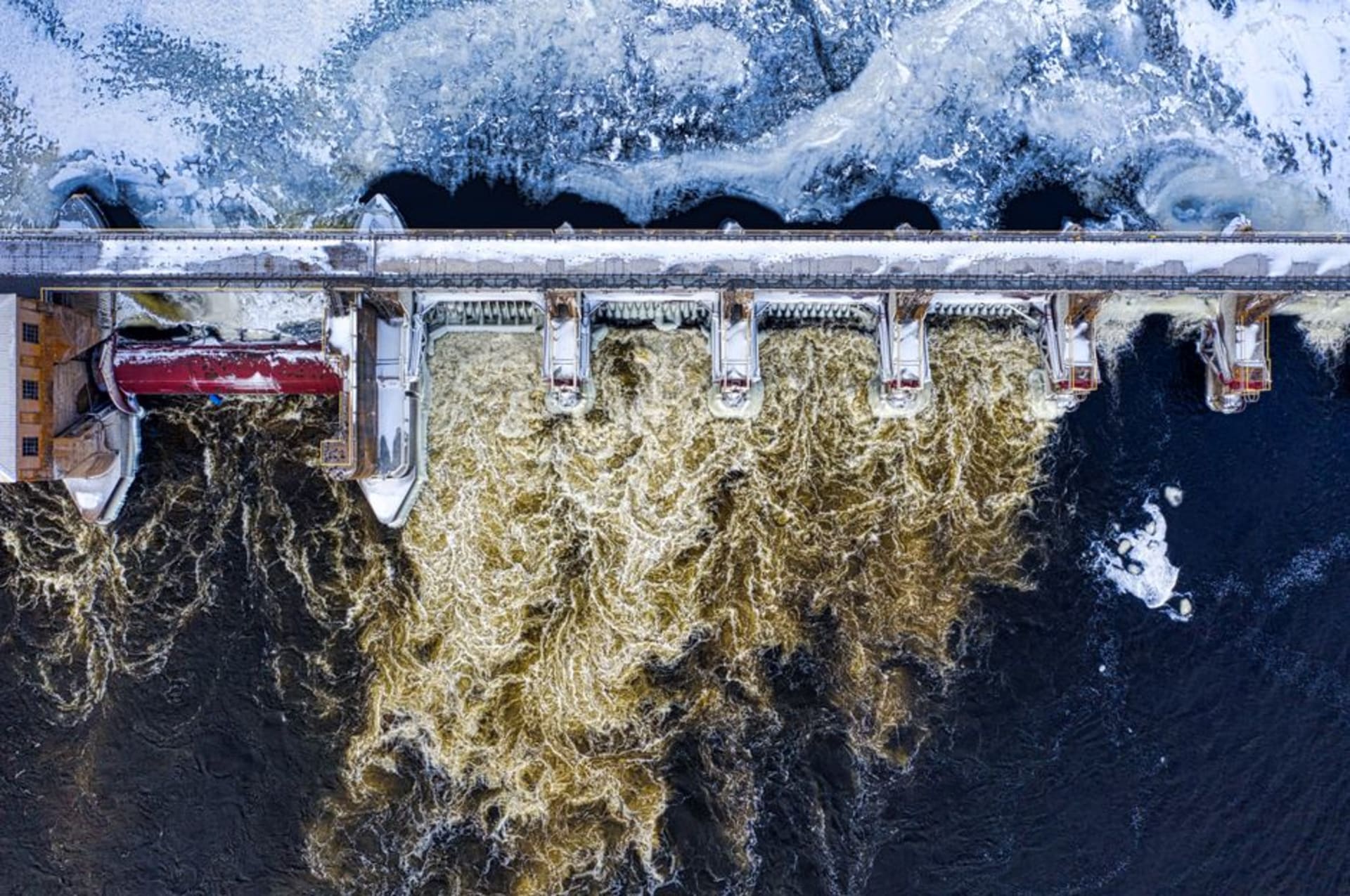
Manic-5 (Daniel-Johnson Dam)
"Manic-5 is what happens when Quebec decides to prove a point about hydroelectricity, and the point is: enormous, and slightly terrifying, and genuinely beautiful."
The largest multiple-arch buttress dam on Earth, standing alone in the boreal forest hundreds of kilometres north of anything — an engineering monument that reads more like a cathedral.
Getting to Manic-5 is most of the experience. From Baie-Comeau on the north shore, Route 389 runs 214 kilometres north into increasingly empty boreal forest, past black spruce and the odd moose crossing sign that starts to feel less like decoration and more like a real warning the further you go. There’s no cell signal for long stretches, and the road itself has a history of being rough enough that rental car agreements sometimes exclude it — we checked twice before committing. Then, with no real warning, the forest opens onto the Manicouagan reservoir and the Daniel-Johnson Dam appears: 214 metres wide, 1,314 metres long, fourteen concrete buttresses arcing between them in a shape that reads as far more like architecture than infrastructure. It is, still, the largest multiple-arch buttress dam in the world, completed in 1968 as the centrepiece of Hydro-Québec’s massive push into northern hydroelectric power.
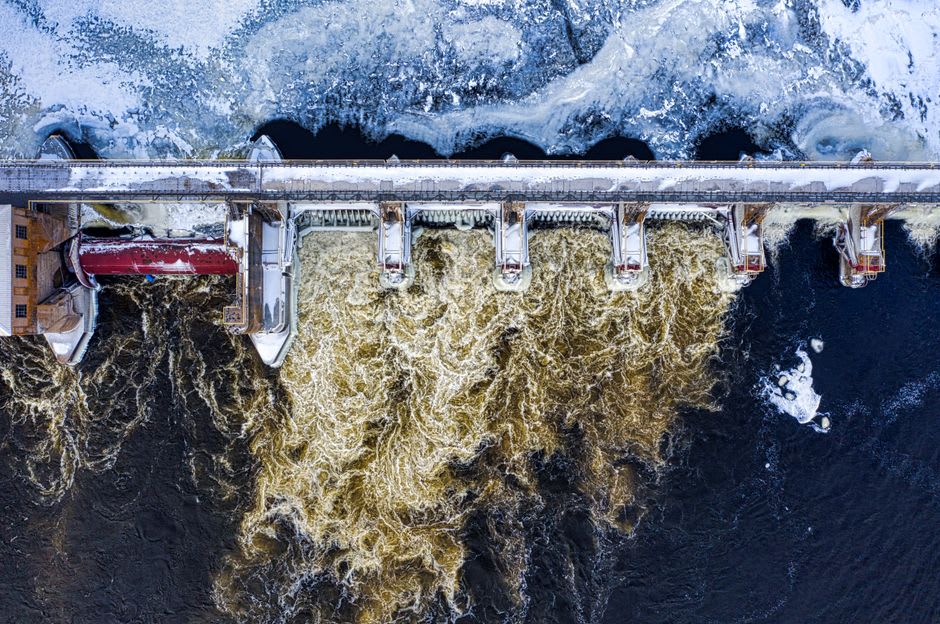
Hydro-Québec runs free guided tours into the dam itself, and we took one, descending through corridors bored into the structure to the base of the arches, standing at a point where the sheer scale of poured concrete above and around us made conversation feel unnecessary. Our guide, an engineer by training, walked us through the numbers with the patience of someone who has given this tour hundreds of times and still finds it genuinely remarkable — the volume of concrete used here would, he said, build a two-lane highway from Montréal to well past Vancouver. Lia, who studies structures for a living in a much smaller way, kept asking follow-up questions about the load calculations that the guide clearly appreciated; most visitors just want the photo.
The Manicouagan reservoir itself is the flooded remnant of an ancient impact crater, one of the largest confirmed on Earth, visible from space as a near-perfect ring — you can’t see the full shape from the ground, but knowing it’s there while standing at the water’s edge adds a strange charge to an already strange place. The nearest town, Manic-Cinq, exists purely to service the dam; there’s a small hotel for visitors and staff, and beyond that, nothing but forest and reservoir in every direction.
When to go: June through September, when Route 389 is most reliably passable and the visitor centre runs regular tours. Fill your tank in Baie-Comeau before setting out — services along the road are minimal, and the drive alone takes the better part of a day each way.
Keep exploring
More from Québec
 quebec
 Maniwaki
The last real town before the Outaouais gives way to boreal wilderness — a logging capital with an Algonquin community at its edge.
Explore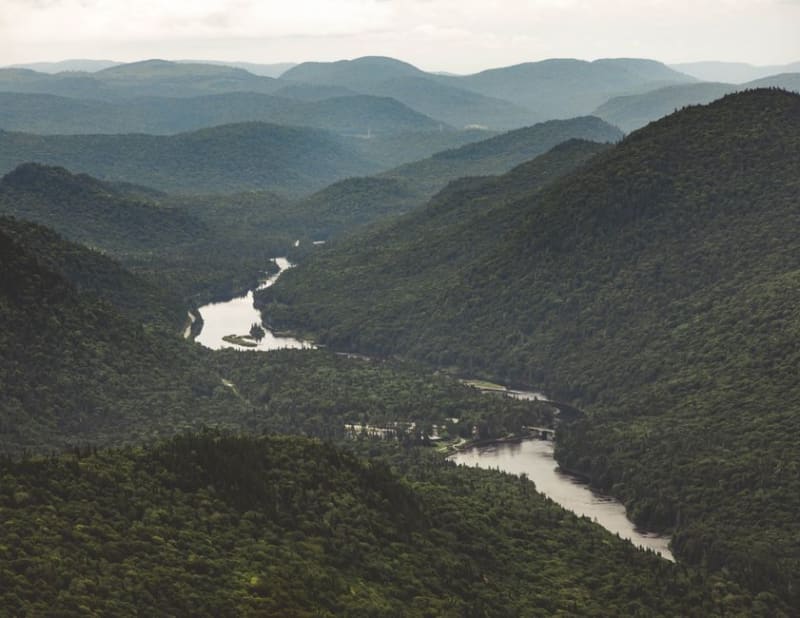 quebec
 Réserve Faunique Mastigouche
A vast wildlife reserve of over 400 lakes in the Mauricie backcountry, built for anglers and moose-watchers rather than sightseers passing through.
Explore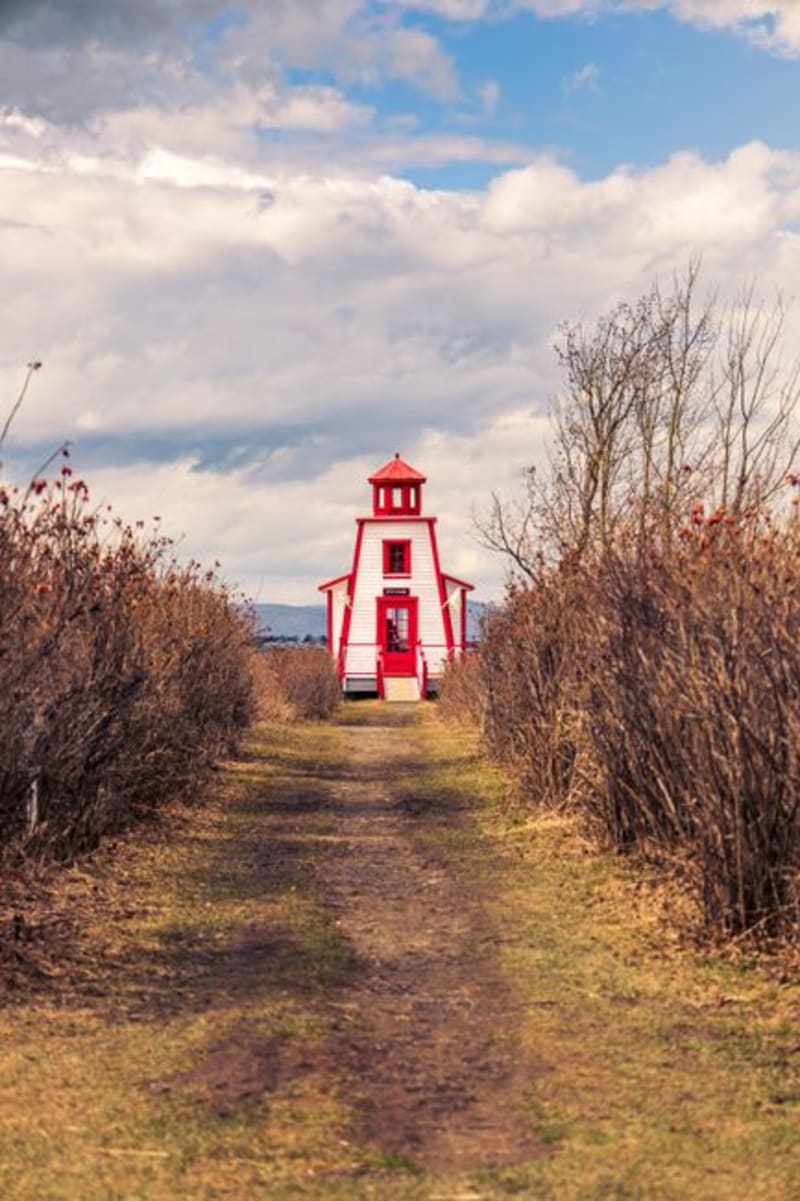 quebec
 Matane
The self-declared shrimp capital of Quebec, and the ferry town where the Gaspé peninsula's north shore properly begins.
Explore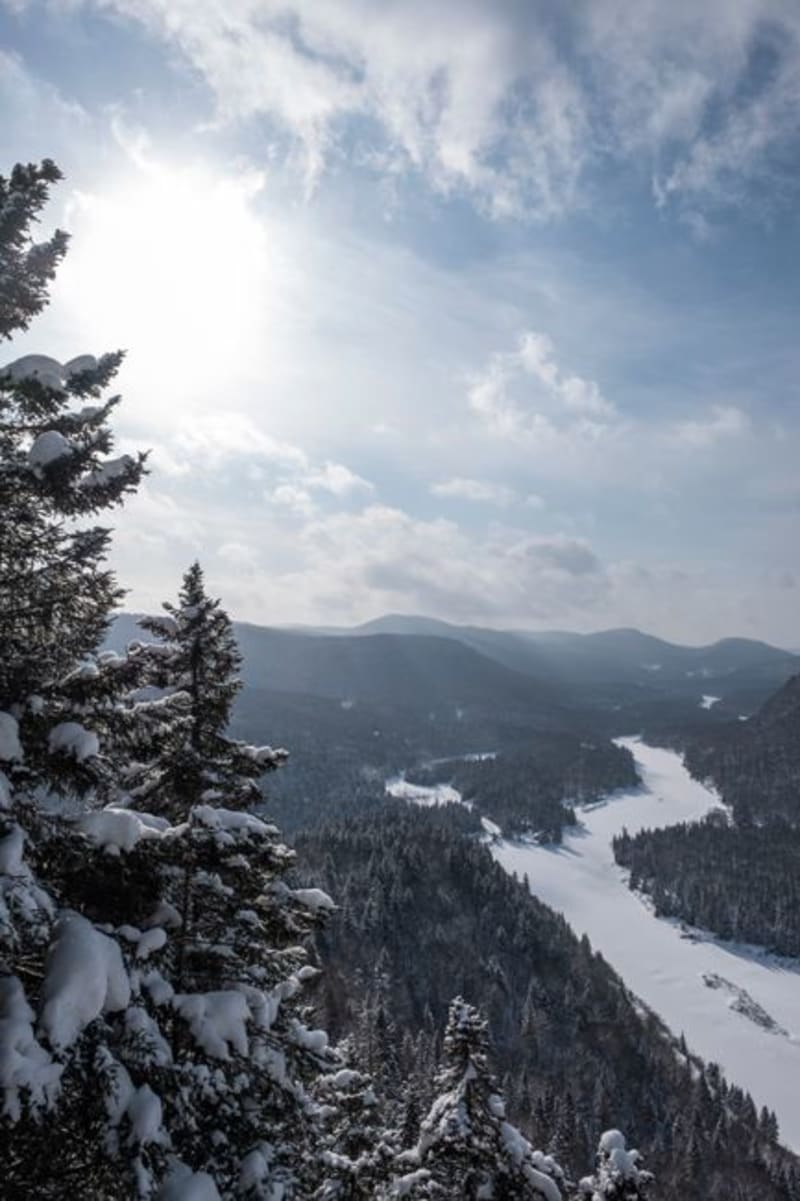 quebec
 Matapédia Valley
An inland river valley the coastal Gaspé crowds mostly skip — covered bridges, world-class Atlantic salmon water, and a quieter pace than the coast road.
Explore quebec
 Miguasha
A UNESCO fossil cliff holding the best-preserved record on Earth of fish learning to walk out of the water — 380 million years compressed into one small park.
Explore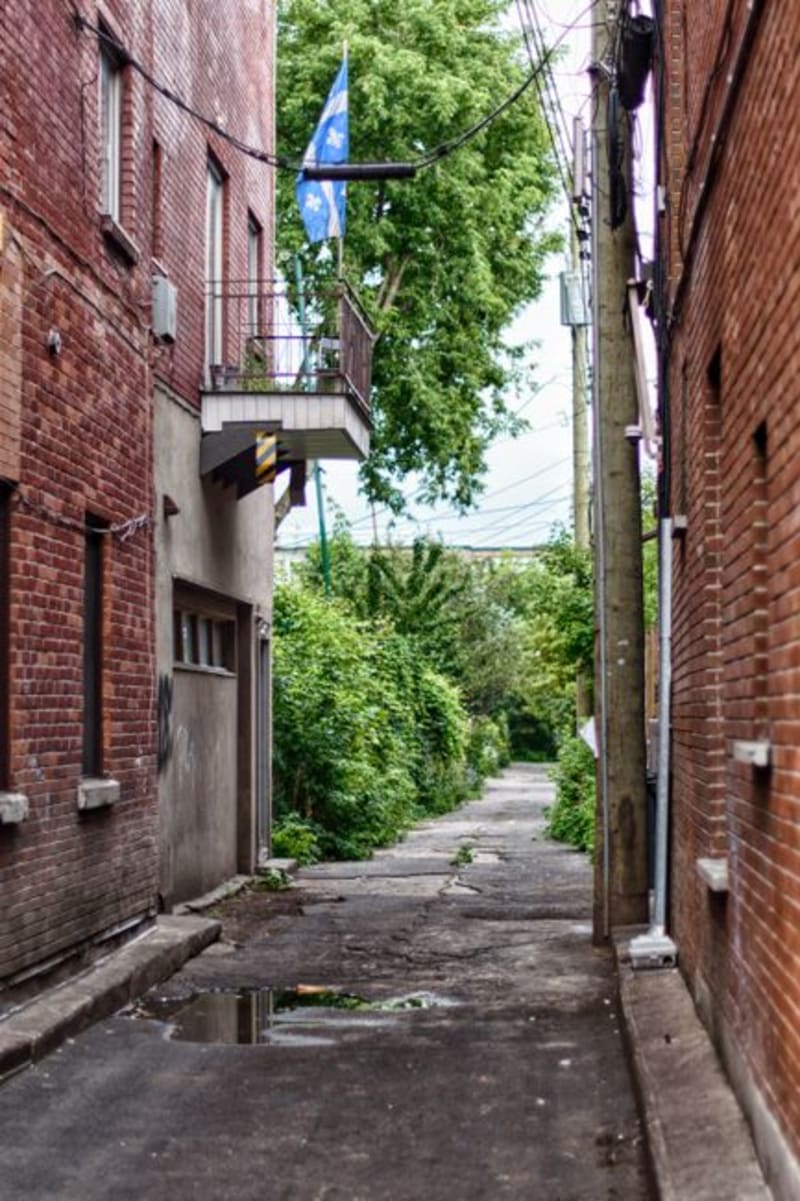 quebec
 Mile End
Bagels, indie record stores, and a rivalry over wood-fired ovens that Lia and I took far too seriously — Montreal's most self-aware neighbourhood.
Explore