Little Italy Montreal
"Little Italy is the one neighbourhood in Montreal where the espresso argues with you if you get it wrong."
Espresso poured with total seriousness, bocce games that never seem to end, and a neighbourhood that never fully let go of the old country.
Café Italia, on Boulevard Saint-Laurent, is the kind of place that makes you feel judged the moment you order — not unkindly, just with the total confidence of a room that has been making the same espresso the same way since 1955 and sees no reason to discuss it further. We stood at the bar because the handful of tables were all occupied by old men who seemed to have been there since opening, watching football on a television mounted high in the corner, and the espresso, when it came, justified every ounce of the shop’s confidence. Lia, who takes her coffee more seriously than I do most things in life, declared it the best she’d had outside Italy itself, and she does not say that lightly.
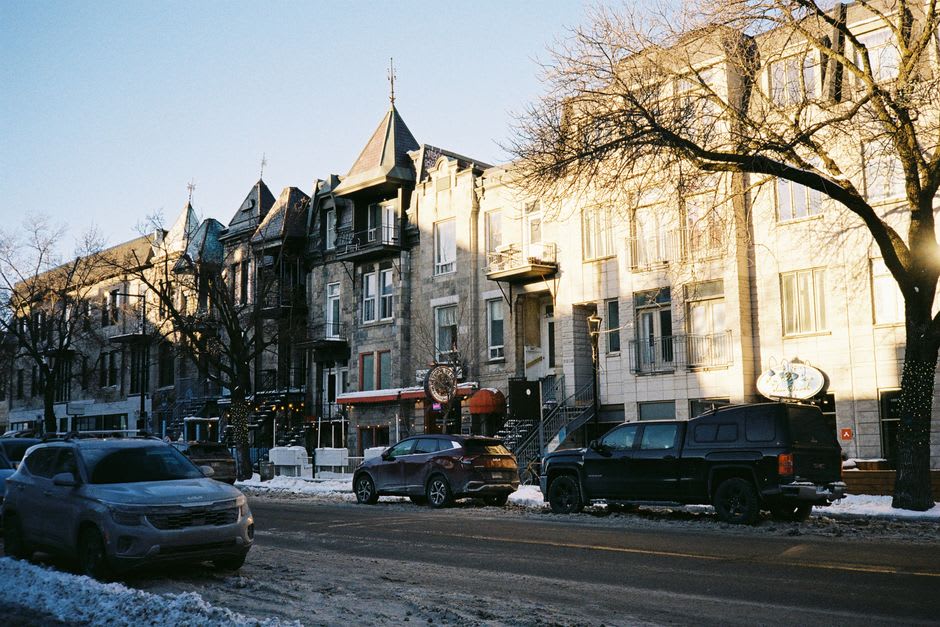
The neighbourhood grew up around waves of Italian immigration through the early and mid-20th century, and while much of Montreal’s Italian population has since moved further out to Saint-Léonard, the commercial heart around Saint-Laurent and Dante has stayed stubbornly, wonderfully itself — cheese shops with wheels of parmesan the size of car tires, butchers hand-tying sausages in the window, a hardware store that still sells bocce balls as a normal retail item. We watched a group of men playing bocce in the small park by the Église Notre-Dame-de-la-Défense on a weekday afternoon, the game moving at a pace that suggested nobody involved had anywhere else to be, ever.
The church itself, Notre-Dame-de-la-Défense, holds a ceiling fresco that caused a genuine scandal when it was painted in 1933 — Mussolini depicted on horseback among the religious figures, a detail the parish has since contextualized rather than removed, and one the guide who let us in explained with a kind of weary, practiced patience that suggested she’d fielded the question a thousand times before us.
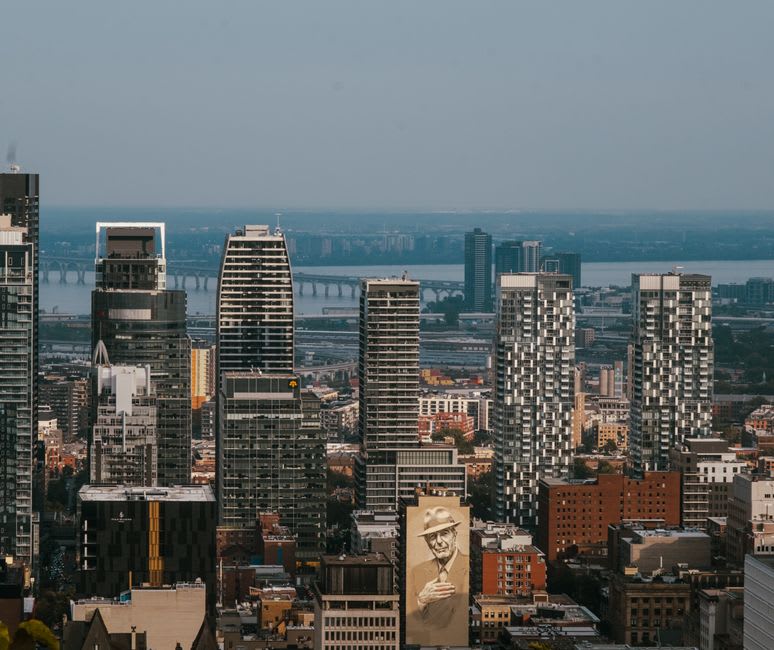
Jean-Talon Market borders the neighbourhood directly, and the two blur into each other without any clear seam — market vendors are Little Italy shopkeepers, and Little Italy shopkeepers shop at the market, the whole area running on a food economy so tightly wound together that it’s hard to say where one ends and the other begins.
When to go: Year-round for the cafés and grocers, though a warm afternoon between May and September is best for watching bocce in the park and eating gelato outside rather than standing at a counter.
Keep exploring
More from Québec
 quebec
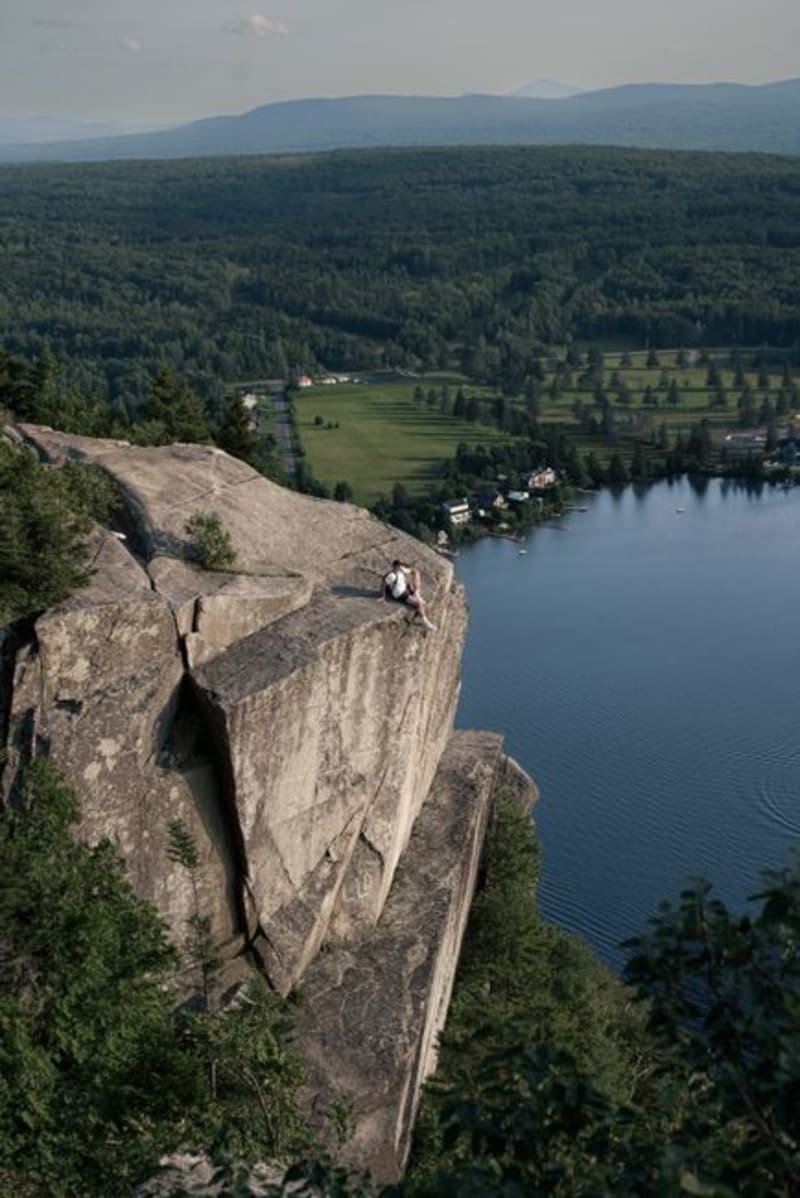
 Magog and Lake Memphremagog
A lake that crosses the US border, a lakeside town built for strolling, and a Benedictine abbey making cheese on the far shore.
Explore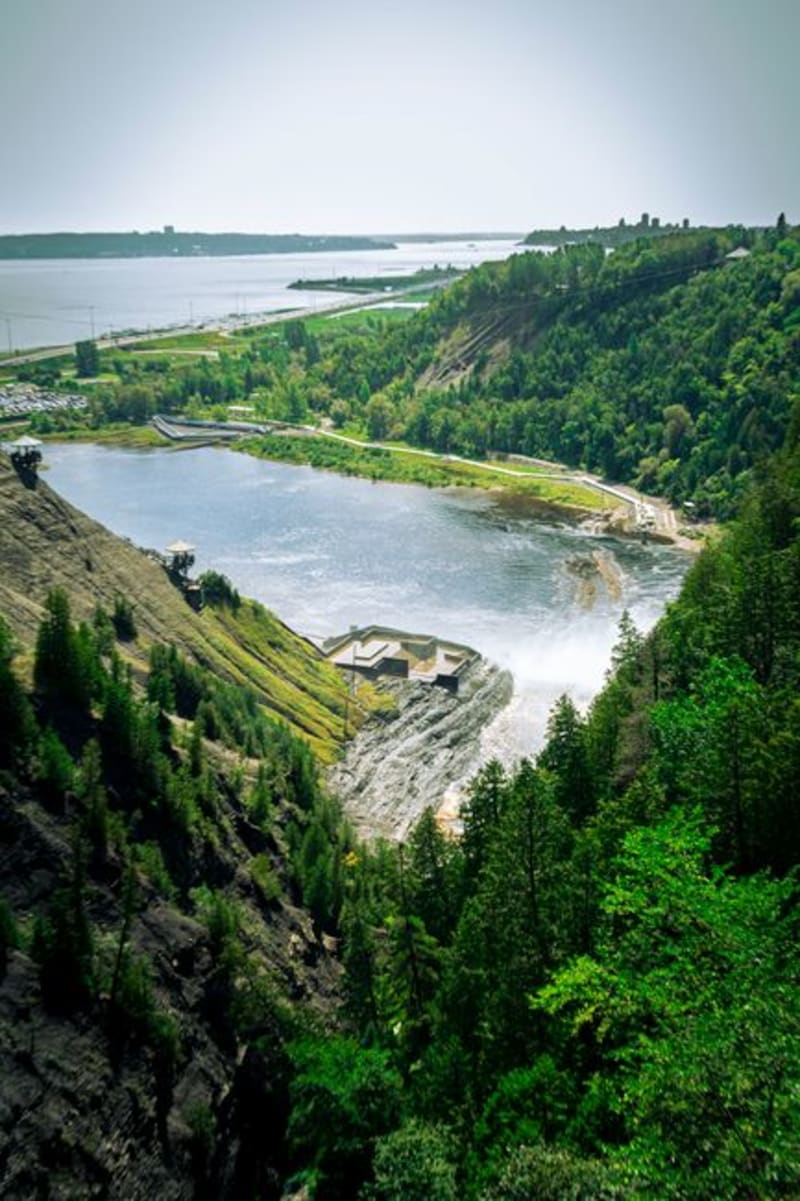 quebec
 Manic-5 (Daniel-Johnson Dam)
The largest multiple-arch buttress dam on Earth, standing alone in the boreal forest hundreds of kilometres north of anything — an engineering monument that reads more like a cathedral.
Explore quebec
 Maniwaki
The last real town before the Outaouais gives way to boreal wilderness — a logging capital with an Algonquin community at its edge.
Explore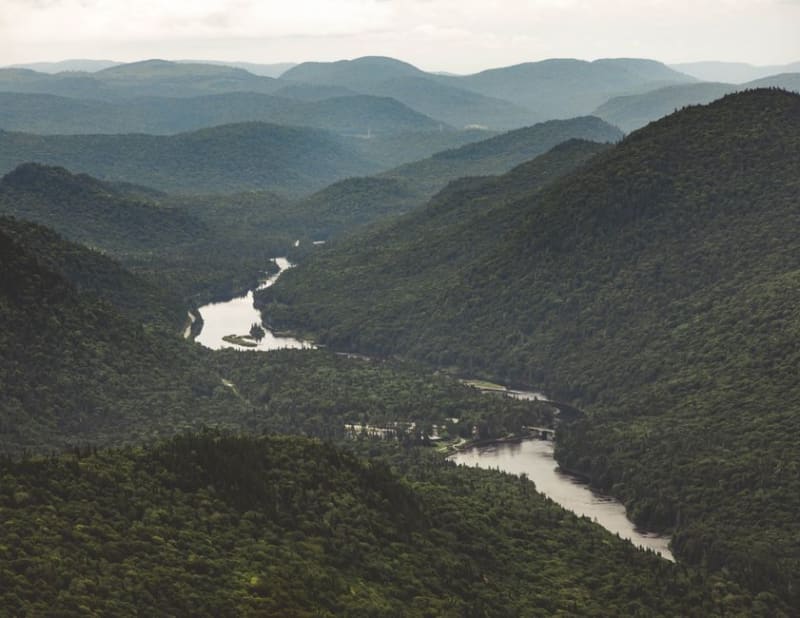 quebec
 Réserve Faunique Mastigouche
A vast wildlife reserve of over 400 lakes in the Mauricie backcountry, built for anglers and moose-watchers rather than sightseers passing through.
Explore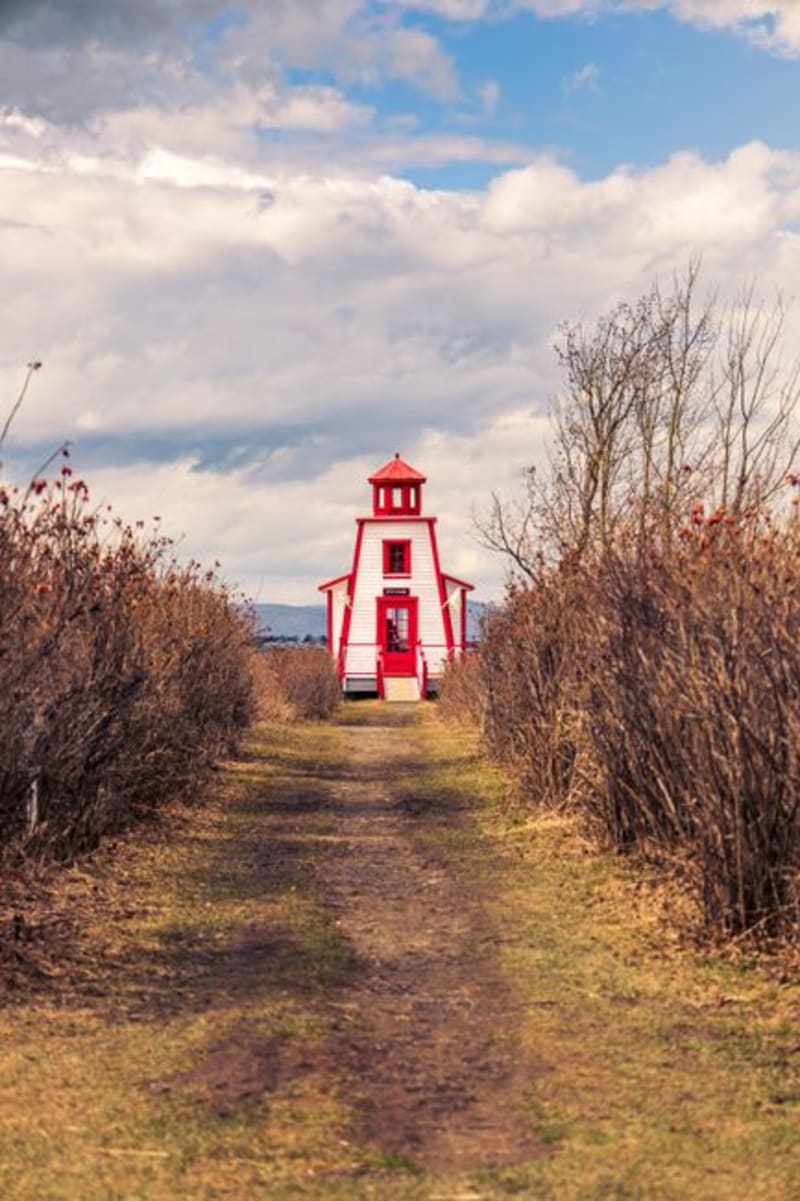 quebec
 Matane
The self-declared shrimp capital of Quebec, and the ferry town where the Gaspé peninsula's north shore properly begins.
Explore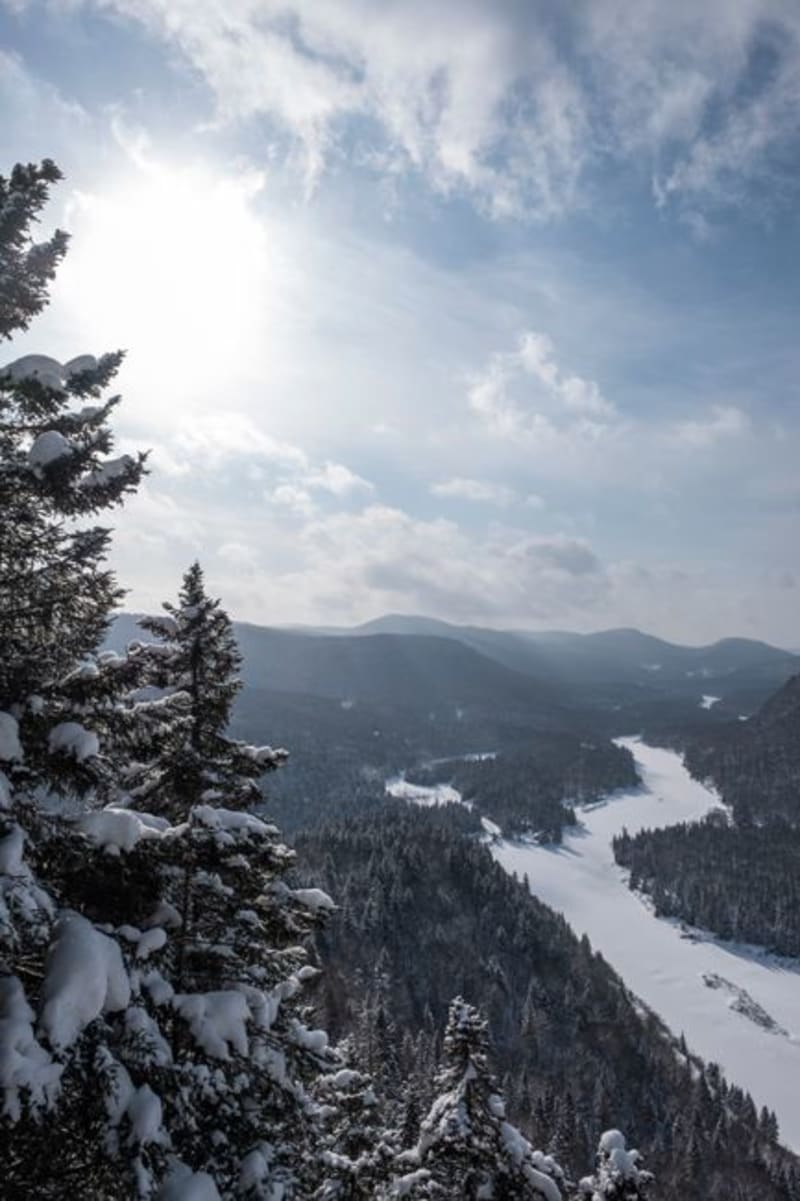 quebec
 Matapédia Valley
An inland river valley the coastal Gaspé crowds mostly skip — covered bridges, world-class Atlantic salmon water, and a quieter pace than the coast road.
Explore