Lac-Saint-Jean
"Lac-Saint-Jean is big enough that you forget it's a lake, and the locals seem to prefer it that way."
A freshwater sea ringed by sand beaches and blueberry fields, with a culture — and a fish — entirely its own, tucked behind the Laurentians an hour north of the Saguenay fjord.
Lia asked me, somewhat reasonably, why we were driving toward a lake when we’d spent the previous three days chasing whales along a fjord. I didn’t have a great answer until we actually arrived at Lac-Saint-Jean and stood on the beach at Saint-Gédéon looking out at water with no opposite shore in sight — genuinely lake-sized in the way Lake Michigan is lake-sized, a body of water that behaves like an inland sea, complete with actual sand beaches and, on a windy afternoon, actual whitecaps. The lake covers over a thousand square kilometres and sits in a basin carved by the same glacial forces that shaped the Saguenay, which it feeds by way of the river of the same name.
The regional culture here is distinct enough from the rest of Quebec that locals refer to themselves as Jeannois with real specificity, and the food reflects it: tourtière du Lac-Saint-Jean, a much larger and more rustic version of the dish found elsewhere in the province, baked for hours in a deep dish with cubed meats and potatoes rather than ground filling, and the ouananiche — a landlocked salmon found almost nowhere else — which shows up smoked, grilled, and served with a local pride that borders on defensiveness when you suggest it tastes like trout.
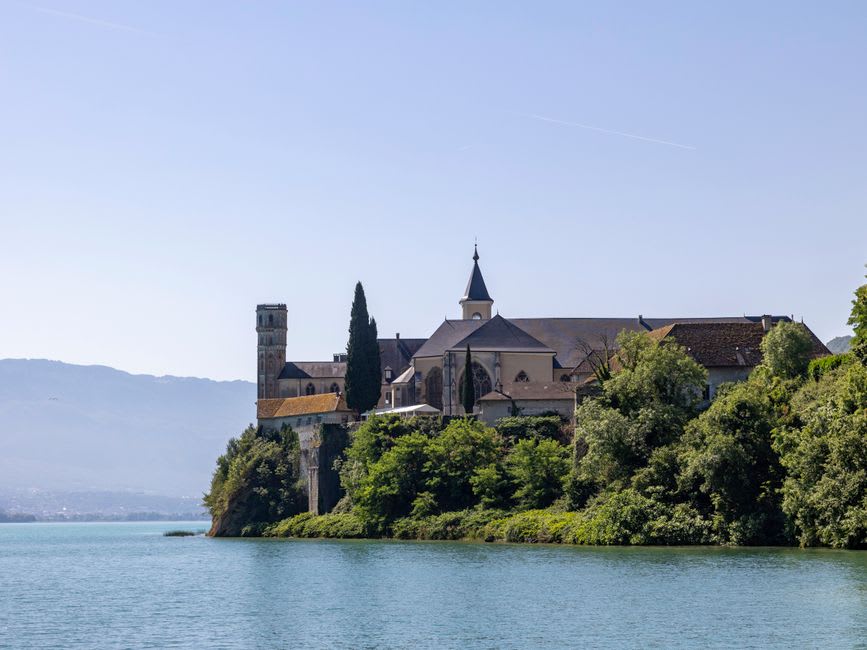
We circled a portion of the lake on the Véloroute des Bleuets, a cycling route that rings the entire lake for over 250 kilometres, passing through blueberry country that gives the route its name — Lac-Saint-Jean produces a disproportionate share of Quebec’s wild blueberries, and every second roadside stand in July and August sells them by the basket, along with blueberry wine, blueberry pie, and a blueberry beer that was better than I expected it to be. The section we rode, between Saint-Gédéon and Métabetchouan, ran along the shoreline through farmland with the lake visible almost the entire way, flat and easy and shockingly scenic for how little attention it gets outside the region.
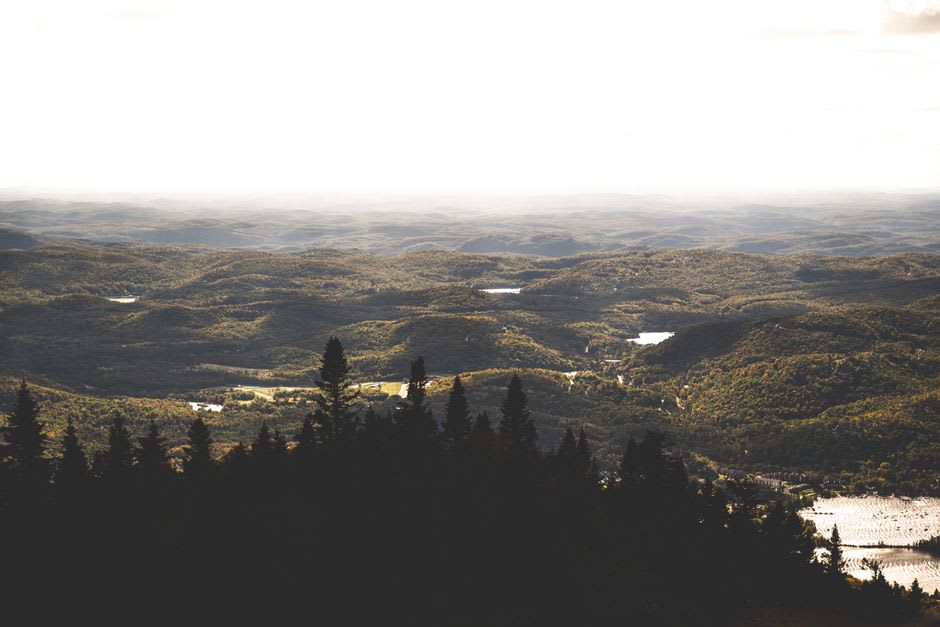
The beaches themselves are the real surprise if you’ve only heard of Lac-Saint-Jean as a fishing destination — long stretches of pale sand at Saint-Gédéon, Sainte-Monique, and Roberval that feel more like a Great Lakes shoreline than anything most people associate with Quebec, warm enough for actual swimming by mid-July, when the shallow water heats up faster than you’d expect this far north.
When to go: July and August for swimming, cycling the Véloroute des Bleuets, and peak blueberry season. Early September for quieter beaches and the start of the ouananiche fishing season.
Keep exploring
More from Québec
 quebec
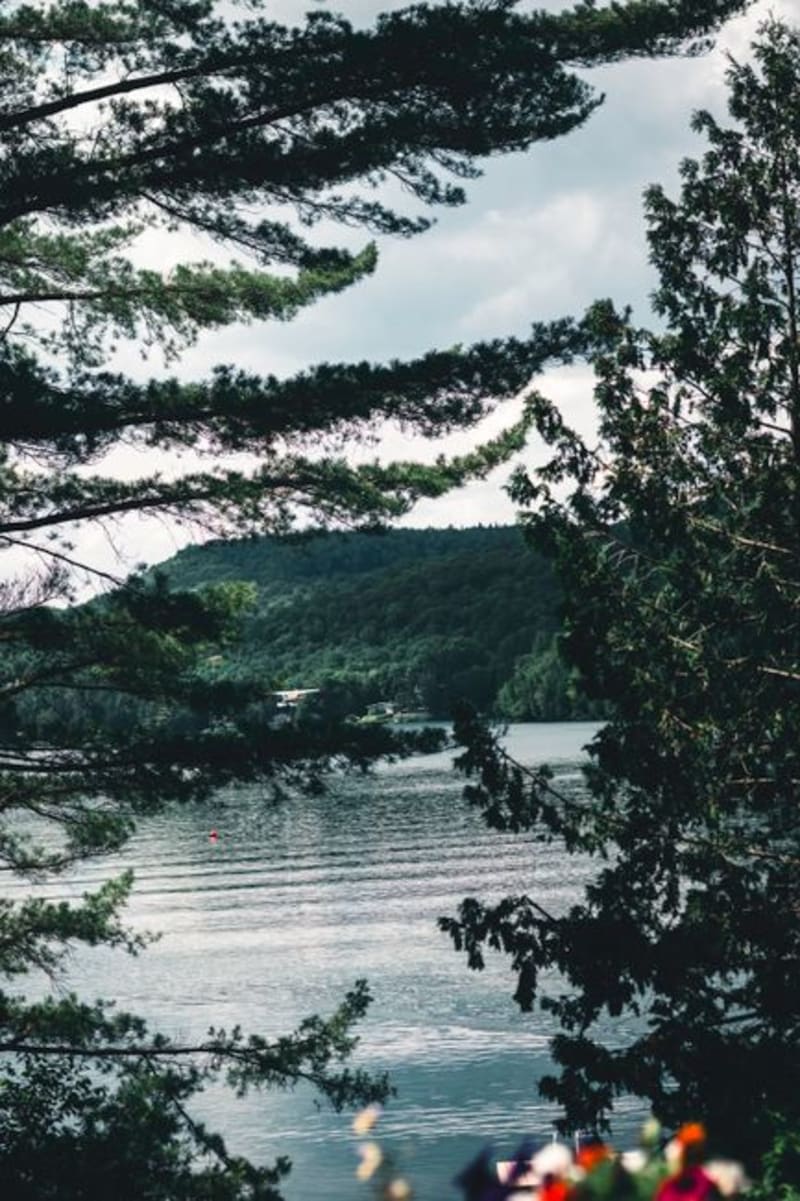
 Lake Massawippi
A long glacial lake ringed by Victorian summer estates and quiet forest — the Eastern Townships at their most unhurried.
Explore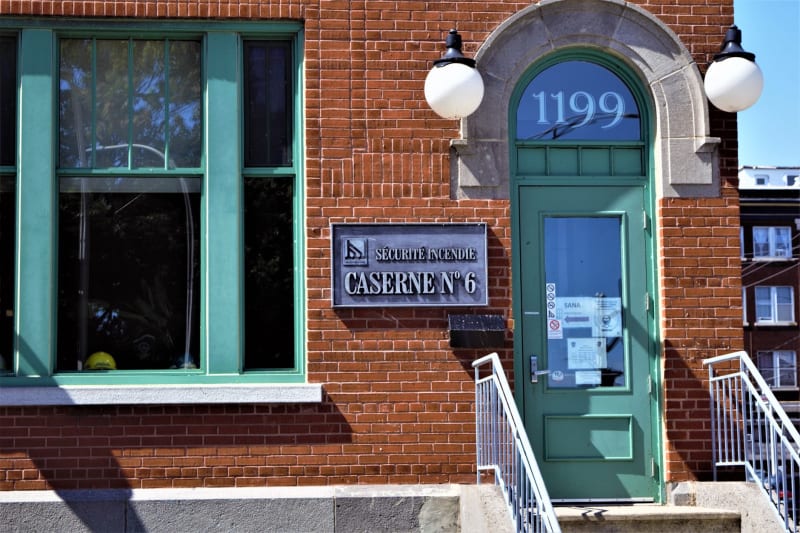 quebec
 Limoilou
The neighbourhood Quebec City forgot for 40 years and then rediscovered — now it has the best Saturday market in the province.
Explore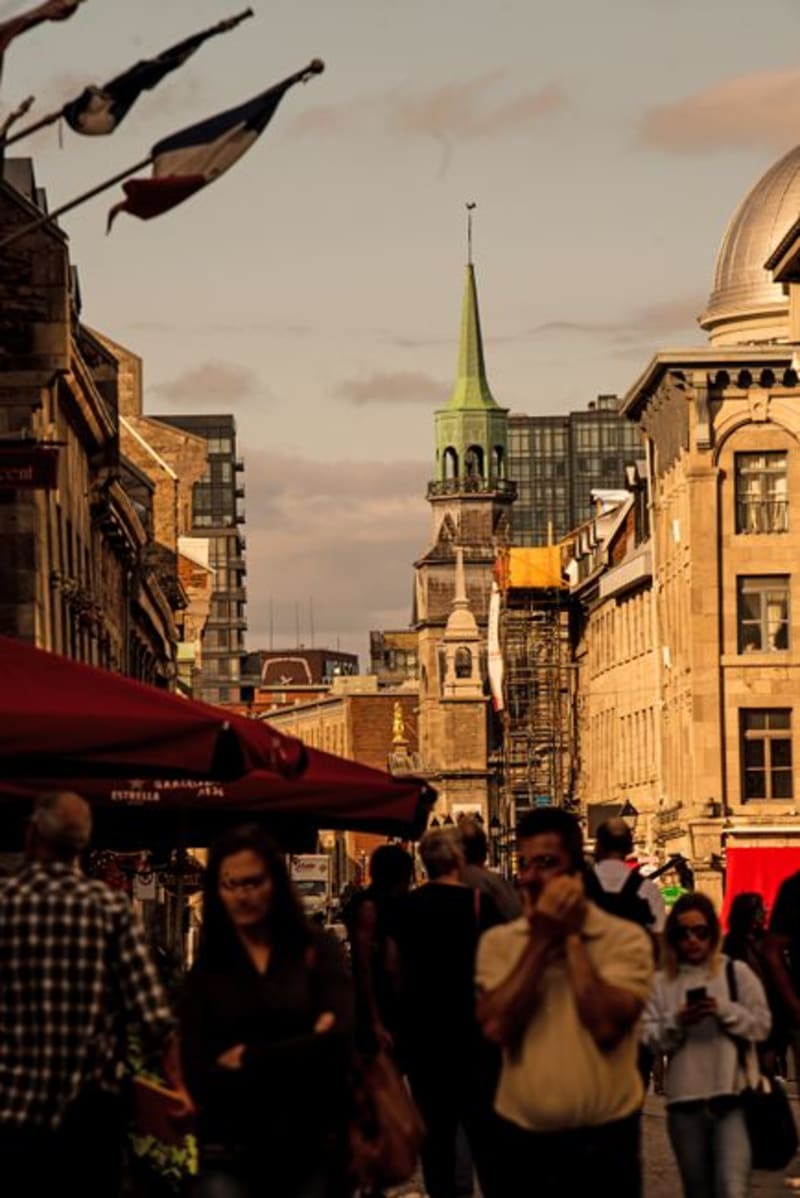 quebec
 Little Italy Montreal
Espresso poured with total seriousness, bocce games that never seem to end, and a neighbourhood that never fully let go of the old country.
Explore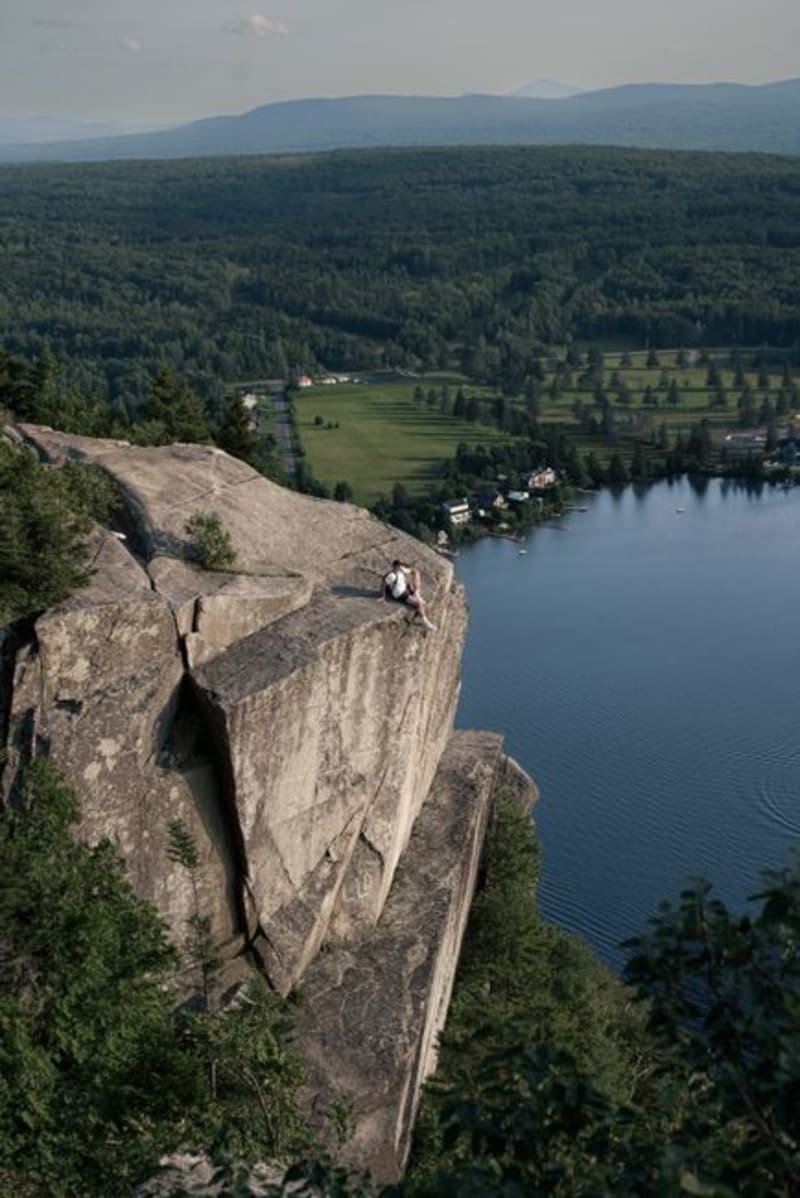 quebec
 Magog and Lake Memphremagog
A lake that crosses the US border, a lakeside town built for strolling, and a Benedictine abbey making cheese on the far shore.
Explore quebec
 Manic-5 (Daniel-Johnson Dam)
The largest multiple-arch buttress dam on Earth, standing alone in the boreal forest hundreds of kilometres north of anything — an engineering monument that reads more like a cathedral.
Explore quebec
 Maniwaki
The last real town before the Outaouais gives way to boreal wilderness — a logging capital with an Algonquin community at its edge.
Explore