Havre-Saint-Pierre
"Havre-Saint-Pierre is where the paved road starts to feel optional, and the town has made its peace with that."
The last real town before Route 138 runs out — gateway to the Mingan Archipelago and a fishing community that still runs on its own schedule.
By the time we reached Havre-Saint-Pierre, we’d been driving Route 138 east for the better part of two days, watching the towns get smaller and further apart and the forest close in tighter on both sides of the road. Havre-Saint-Pierre is the last town of real size before the highway becomes a much lonelier proposition toward Natashquan, and it wears that status comfortably — a fishing and mining community of about 3,000 people, founded by Acadian settlers from the Magdalen Islands in the 1850s, which explains why the Magdalen Islands’ accent and surnames turn up again this far along the coast.
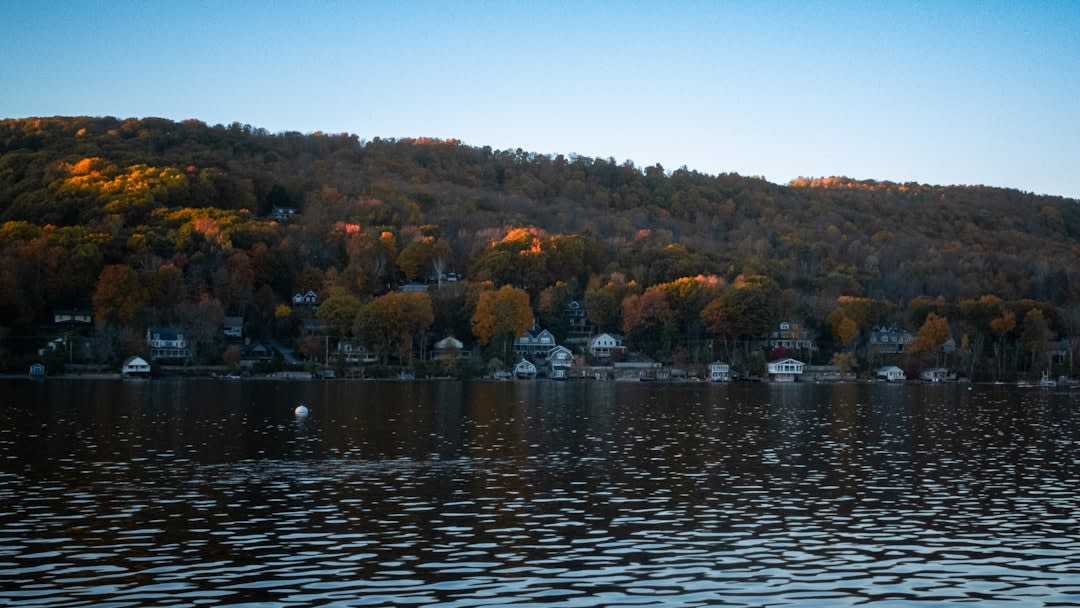
The town functions primarily as the launch point for boat tours into the Mingan Archipelago, and the harbor fills each morning in season with tour operators and the last of the day’s departing fishing boats overlapping in the same narrow channel. We spent an evening walking the waterfront boardwalk while the light went long and gold over the water, past ilmenite mining infrastructure that supplies one of the region’s other major industries — the area sits on some of the largest titanium ore deposits in the world, a fact that surprised me given how quiet and unindustrial the town otherwise feels.
What I liked most about Havre-Saint-Pierre was its unhurried confidence. There’s a small grocery store, a hardware store, a couple of solid seafood restaurants, and almost nothing aimed at tourists beyond the boat tour offices — no souvenir strip, no manufactured charm. Lia bought fresh scallops from a stand by the harbor that the vendor had pulled that morning, and we ate them on a bench watching the tide go out, which felt like the correct way to experience a town whose entire identity runs on the rhythm of the water.
When to go: June through September for Mingan Archipelago tour departures and the mildest coastal weather. It also makes a sensible overnight stop before or after the long, sparsely serviced stretch of Route 138 toward Natashquan.
Keep exploring
More from Québec
 quebec
 Hôtel de Glace
A hotel built entirely of ice and snow, rebuilt from nothing every winter and melted back into the river every spring — the most impermanent luxury I've ever paid for.
Explore quebec
 Île d'Orléans
An island that has refused modernity with such determination that its strawberries taste like an argument against supermarkets.
Explore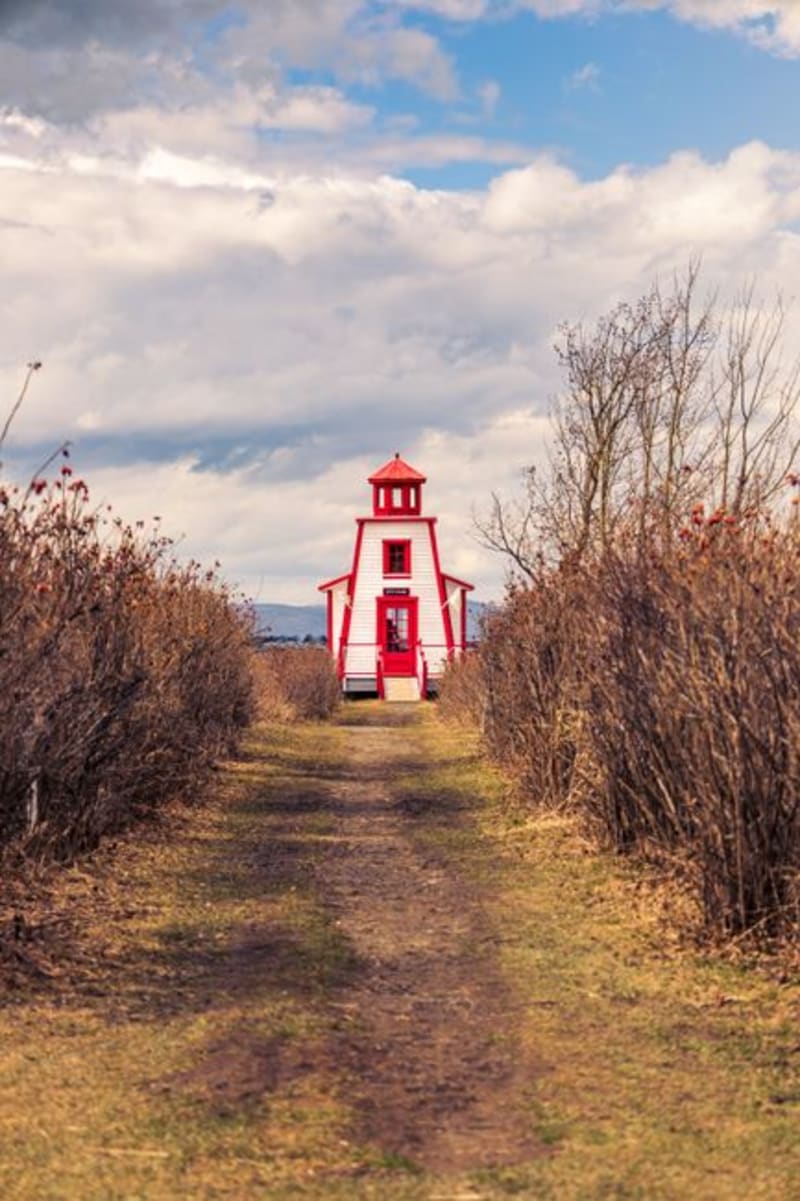 quebec
 Île d'Entrée
The one inhabited Magdalen Island with no bridge or causeway to the rest — an English-speaking fishing community of about a hundred people, reached only by boat.
Explore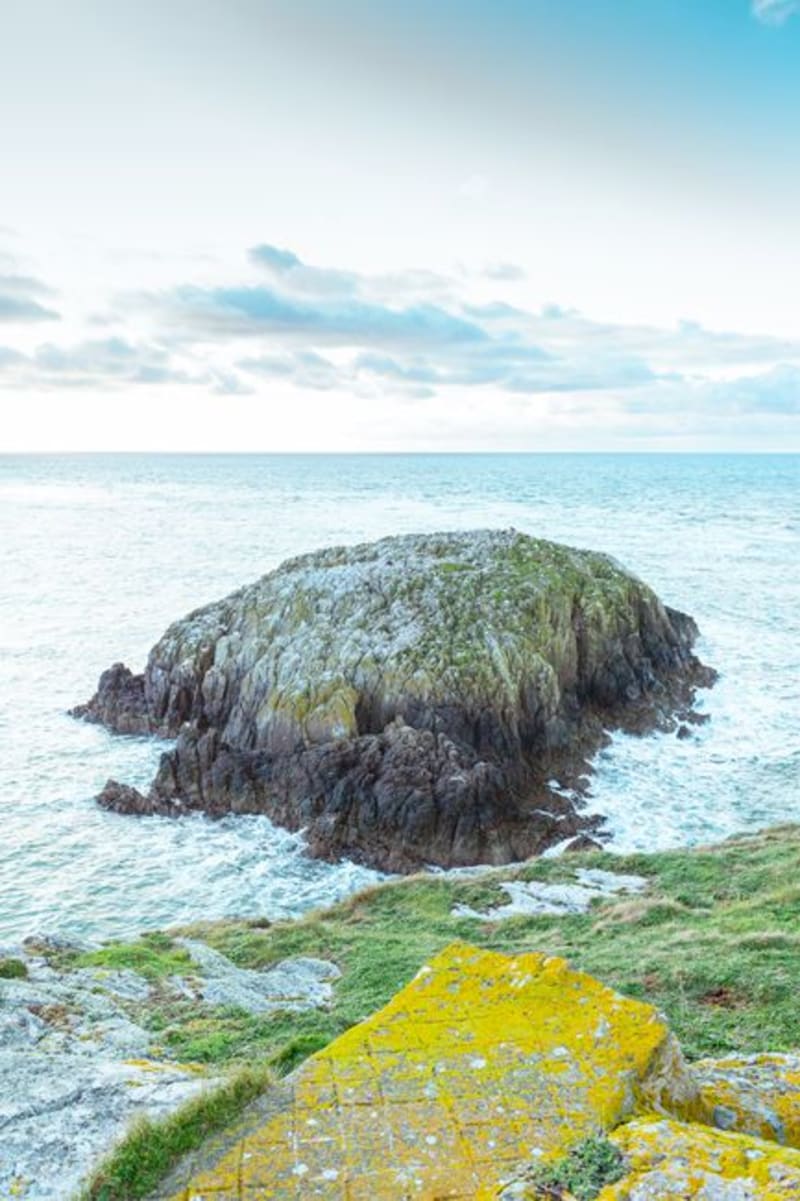 quebec
 Isle-aux-Coudres
A small island in the St. Lawrence where two working windmills and a handful of bakers still turn local grain into bread the way this island has for three centuries.
Explore quebec
 Jean-Talon Market
North America's largest open-air market and the best argument I know for why Montreal's food culture doesn't need Old Montreal's restaurants to prove itself.
Explore quebec
 Kamouraska
A village so small and so photogenic that Quebec's landscape painters treat it as a genre unto itself — low tide here turns the St. Lawrence into a mile of silver mudflats and driftwood.
Explore