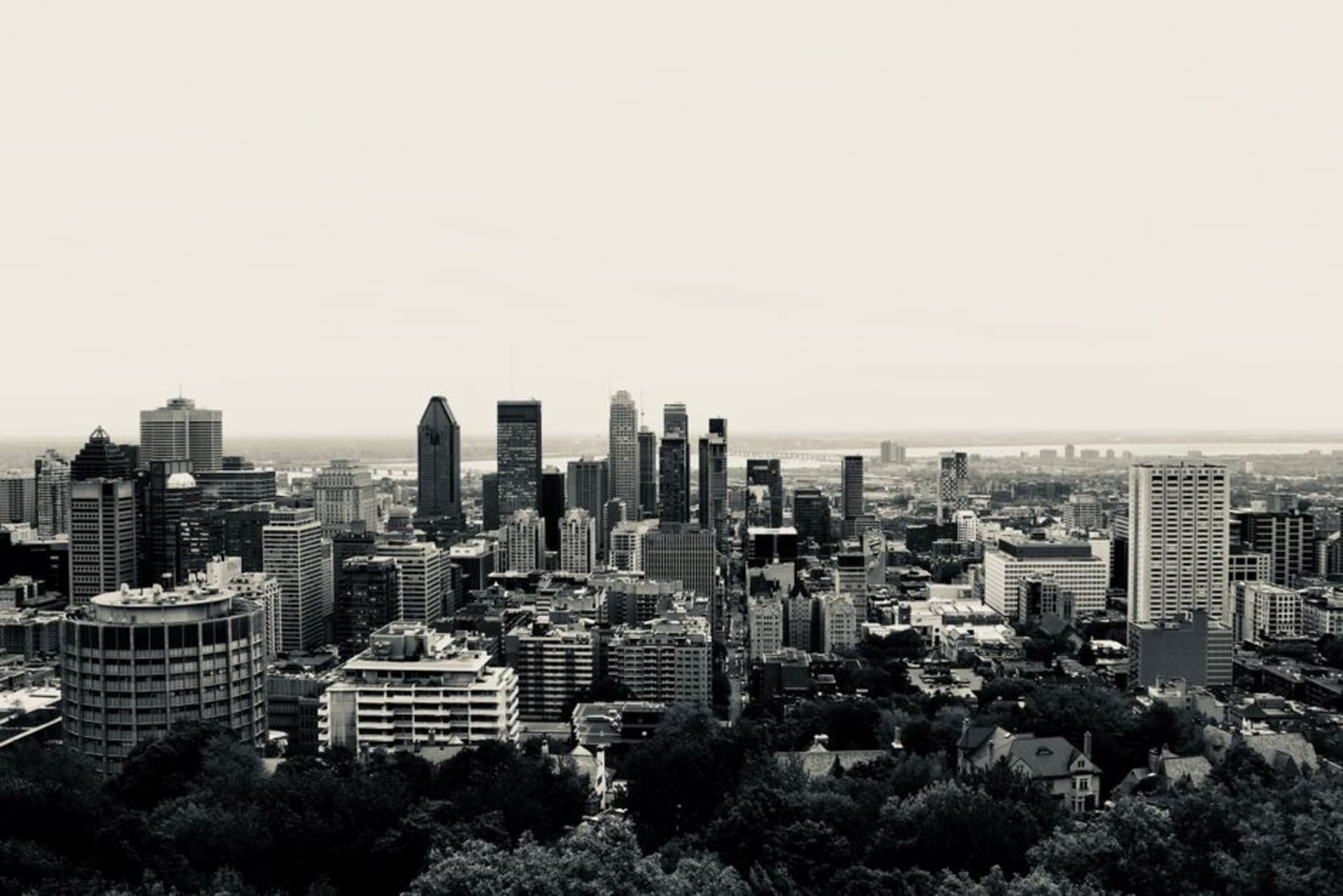
Griffintown
"Griffintown is Montreal admitting, in brick and glass, that it's not finished becoming itself yet."
Old Irish-immigrant rail yards turned condos and breweries — Montreal's fastest-changing neighbourhood, and proof the city can reinvent itself without losing its accent.
We rented bikes and rode the Lachine Canal path through Griffintown on a warm evening, and it was one of those rides where the landscape keeps arguing with itself every few hundred metres — a converted 19th-century foundry now holding a craft brewery, then a block of glassy new condo towers, then a stretch of genuinely derelict rail infrastructure still waiting its turn, then a dog park full of young professionals in workout clothes. Griffintown has been redeveloping faster than almost anywhere else in the city for the past decade, and riding through it felt like watching a neighbourhood mid-sentence, unsure yet how it’s going to finish the thought.
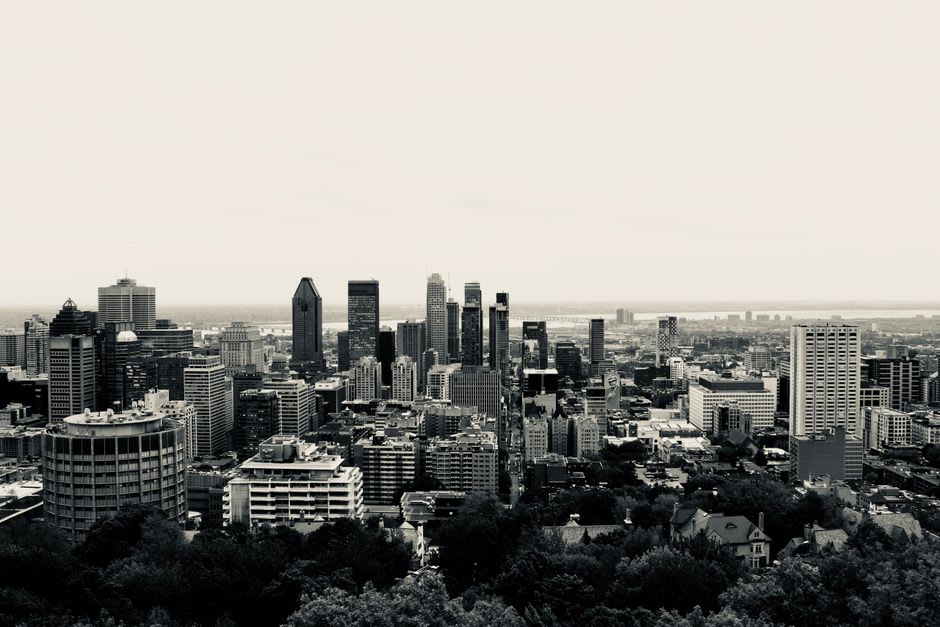
The neighbourhood’s history runs deeper than the condos suggest — it was Montreal’s original Irish immigrant quarter, built up around the Lachine Canal’s 19th-century factories and foundries, dense and poor and hard-living enough that its nickname among some historians was simply “the Griff.” Most of that housing stock was demolished through mid-century urban renewal, leaving Griffintown a strange gap in the city for decades — industrial, half-empty, mostly parking lots — before the current wave of towers filled it back in. A small black iron fountain and a handful of plaques near Rue Ottawa mark the old Irish presence, easy to miss unless you’re looking, which felt like exactly the kind of quiet erasure that happens when a neighbourhood gets rebuilt this fast.
We stopped at Notre-Dame-de-Bon-Secours, a squat little church that survived the demolitions, and then continued to Brasserie Harricana on Ottawa Street for dinner, a brewery in a converted warehouse with a tank room visible through glass behind the bar and a menu that leaned hard into elevated pub food. The beer was excellent, the space loud in the specific way new breweries in old buildings always seem to be, and the crowd was almost entirely under thirty-five, which told its own story about who actually lives here now.
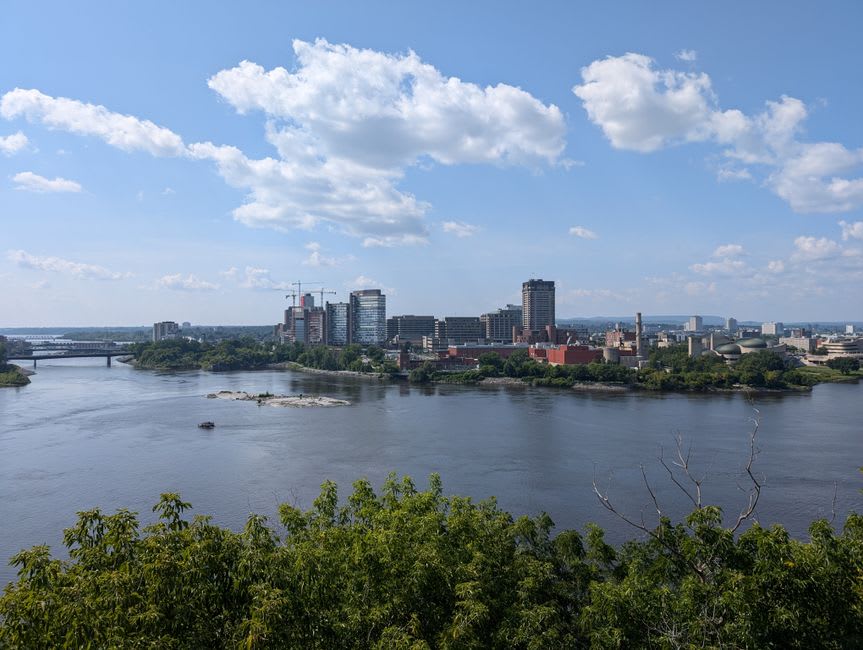
The canal path itself, connecting Griffintown to the Old Port in one direction and Verdun and Lachine in the other, is the neighbourhood’s real asset regardless of how the condo boom eventually settles — flat, shaded in stretches, and busy with cyclists and runners at almost any hour from May through October.
When to go: May through September for the canal path and outdoor brewery patios. The neighbourhood is still very much under construction in places, so expect some blocks to feel unfinished even in peak season.