Grand-Mère
"Grand-Mère takes its name from a rock shaped like an old woman's profile — the town has the same quality of something worn gently by time."
A former paper-mill town named for a rock that looks like an old woman's face, now better known for its suspended footbridge and quiet river trails.
The rock that gives Grand-Mère its name used to sit in the middle of the St. Maurice River, a granite formation that early French settlers thought resembled the profile of an old woman — grand-mère, grandmother. When the hydroelectric dam went in during the early 1900s, the river level rose and the rock would have been submerged, so engineers cut it free and moved it to a park on the riverbank, where it still sits today, oddly touching in its relocated permanence. I went specifically to see a rock and ended up staying most of a day for the town around it.
Grand-Mère grew up as a paper-mill company town, similar in outline to Shawinigan a few kilometres downstream, but it’s smaller and quieter, and the mill closed for good in the early 2000s, leaving a town that’s had to figure out a slower identity. The best thing it’s done with that: the pedestrian suspension bridge across the St. Maurice gorge, built originally for mill workers and now a genuinely thrilling walk, swaying gently over whitewater with sightlines up and down a river valley thick with forest.
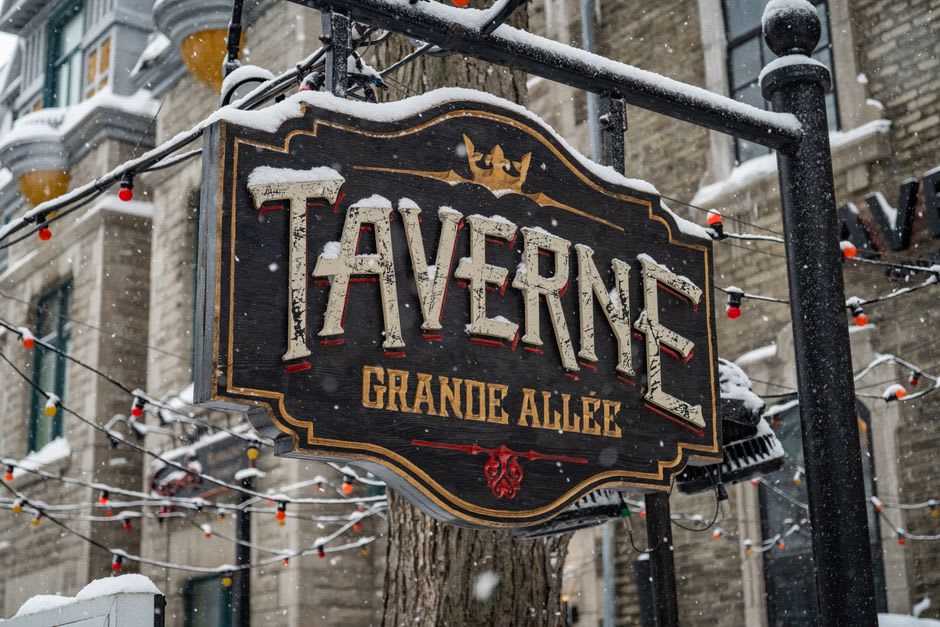
I hiked a section of the riverside trail network that follows the old mill’s transport routes, now converted to walking and biking paths, past the shell of the former paper mill — much of it demolished, some of it left standing as an odd industrial ruin half-reclaimed by birch saplings growing through the concrete. There’s a strange, specific melancholy to a mill town after the mill closes, but Grand-Mère doesn’t wallow in it; local acreage has gone to a golf course, a beach on the reservoir, and a genuinely pleasant small downtown with a bakery I’d return for on its own merits.
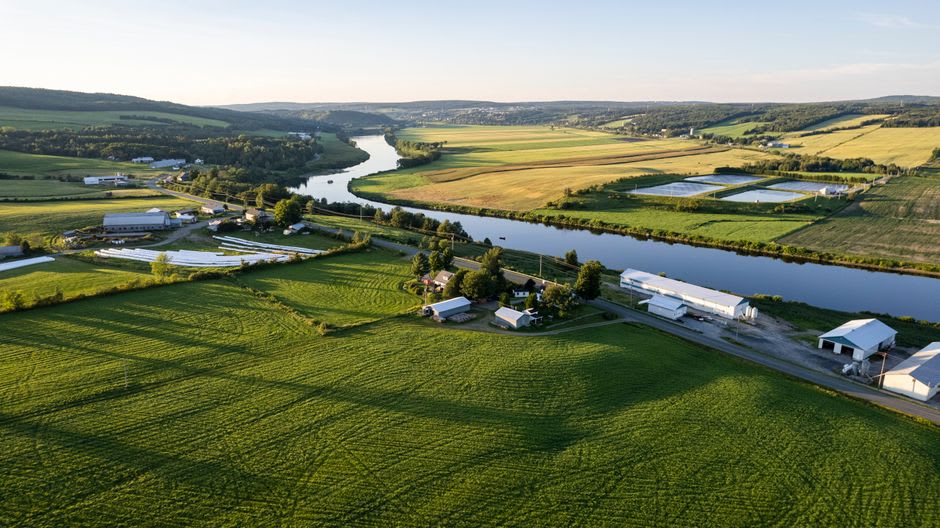
What I liked most here was the scale — Grand-Mère doesn’t ask anything of you. No must-see checklist, no crowds, just a river gorge, a relocated rock with a good story, and a town quietly getting on with things after its industrial peak.
When to go: Late September to mid-October for fall colour along the gorge trail and suspension bridge, among the best in the Mauricie region. Summer for the reservoir beach and golf course. The suspension bridge is open year-round but can ice up in winter — check conditions before crossing.
Keep exploring
More from Québec
 quebec
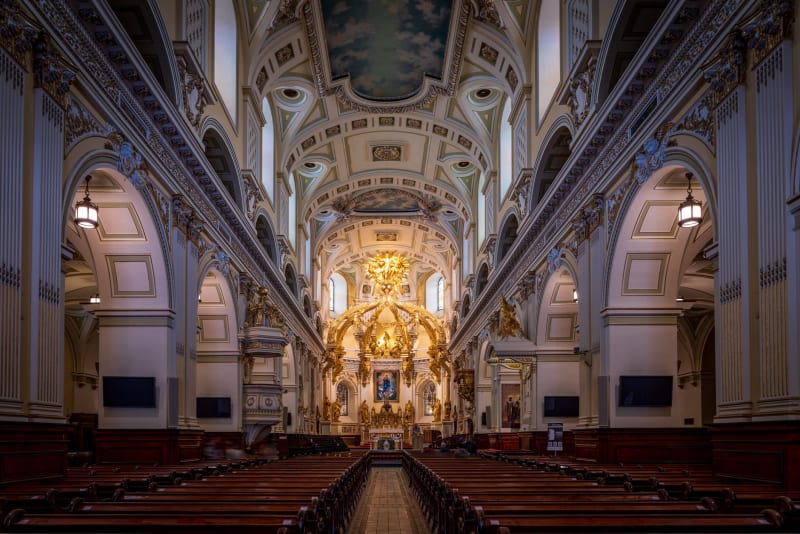
 Grande Allée
Quebec City's grand boulevard, where Victorian mansions and summer terrasses operate as one long, unapologetic party.
Explore quebec
 Grande-Entrée
The lobster capital of the Magdalen Islands, where the northernmost tip of the archipelago runs out into dunes, seal colonies, and the province's biggest lobster fleet.
Explore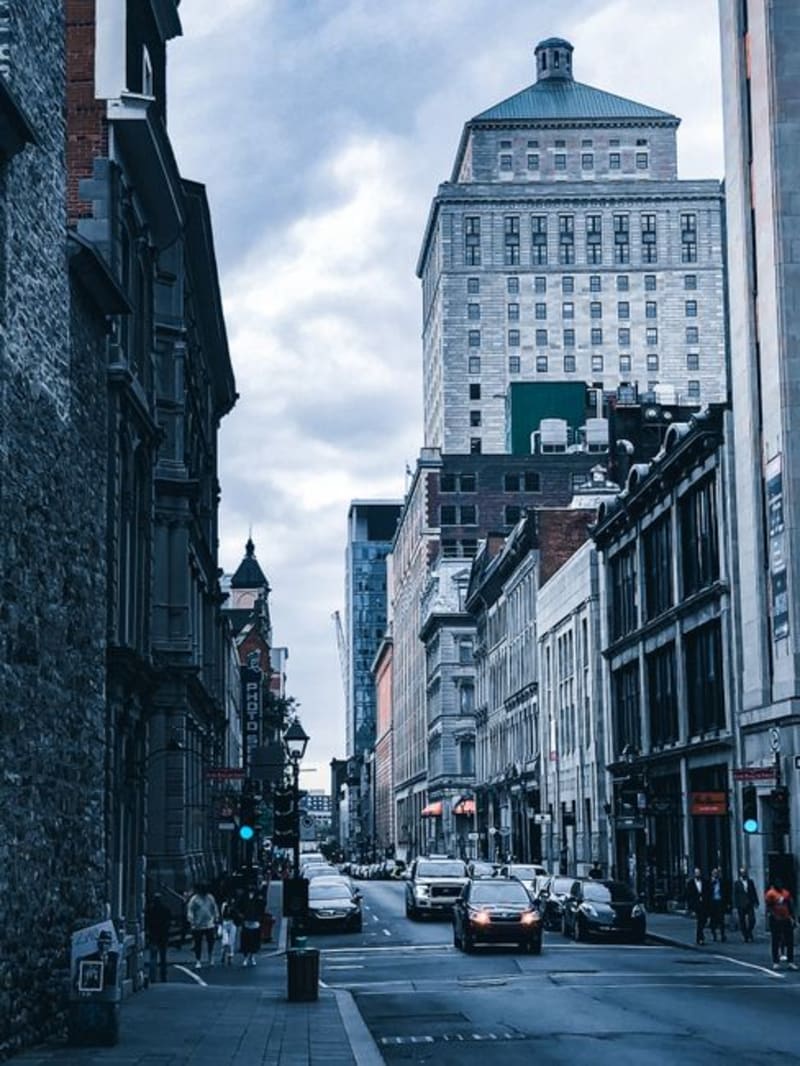 quebec
 Griffintown
Old Irish-immigrant rail yards turned condos and breweries — Montreal's fastest-changing neighbourhood, and proof the city can reinvent itself without losing its accent.
Explore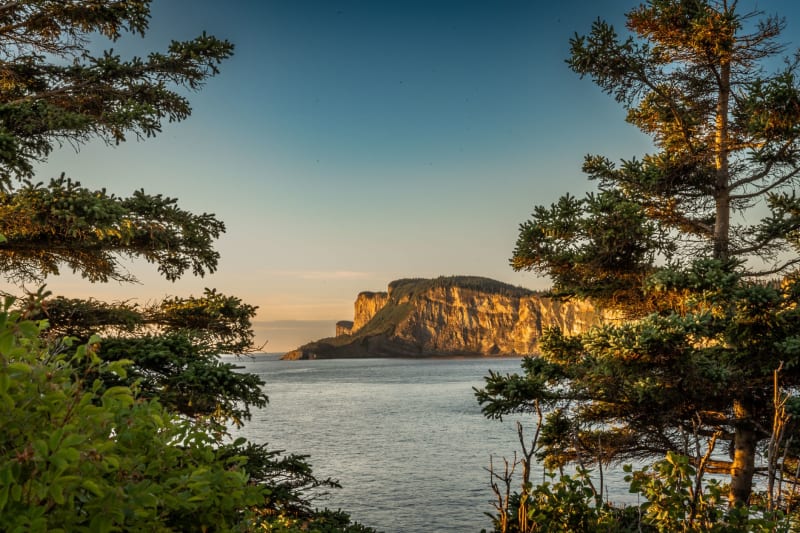 quebec
 Grosse Île
The quarantine island in the St. Lawrence where 5,000 Irish immigrants are buried — haunted quietly, as history tends to be.
Explore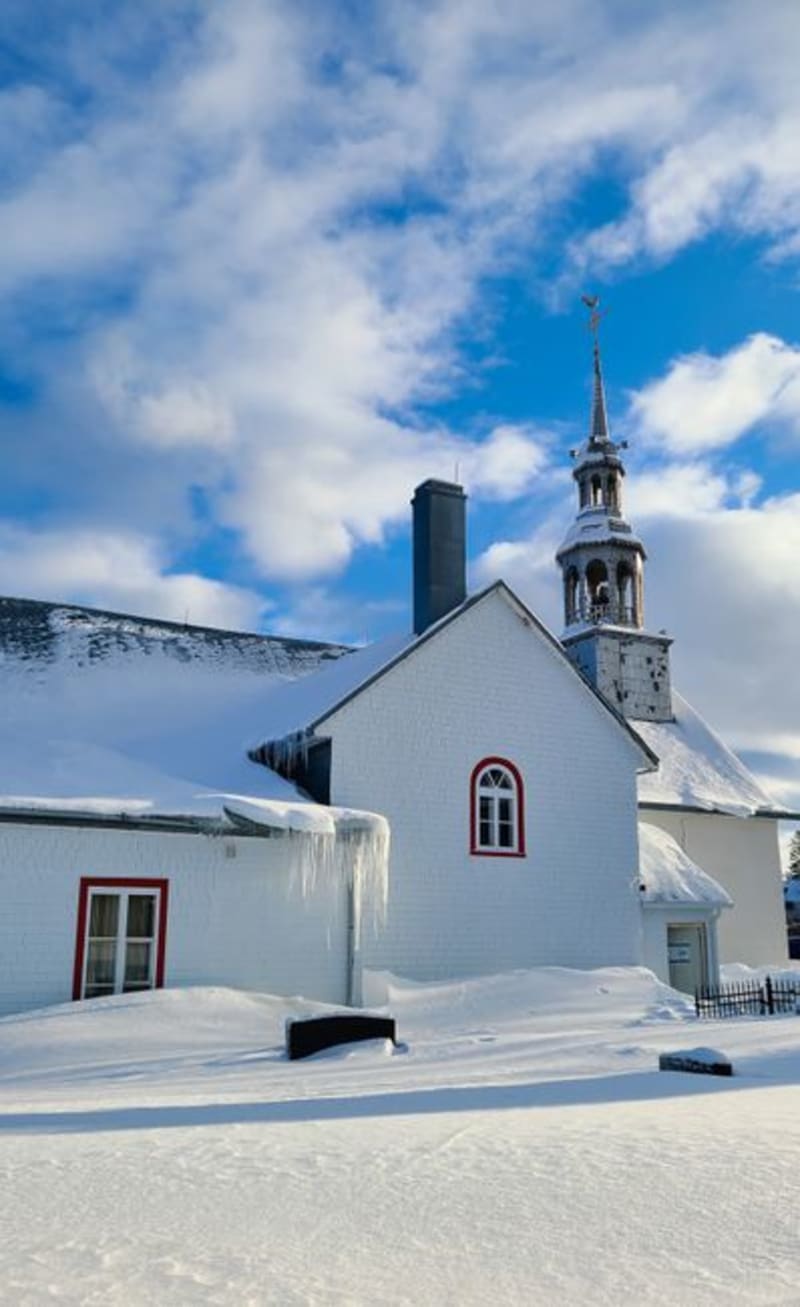 quebec
 Havre-Aubert
The oldest and southernmost of the Magdalen Islands, where a fishing hamlet called La Grave has been quietly refusing to modernize for three centuries.
Explore quebec
 Havre-Saint-Pierre
The last real town before Route 138 runs out — gateway to the Mingan Archipelago and a fishing community that still runs on its own schedule.
Explore