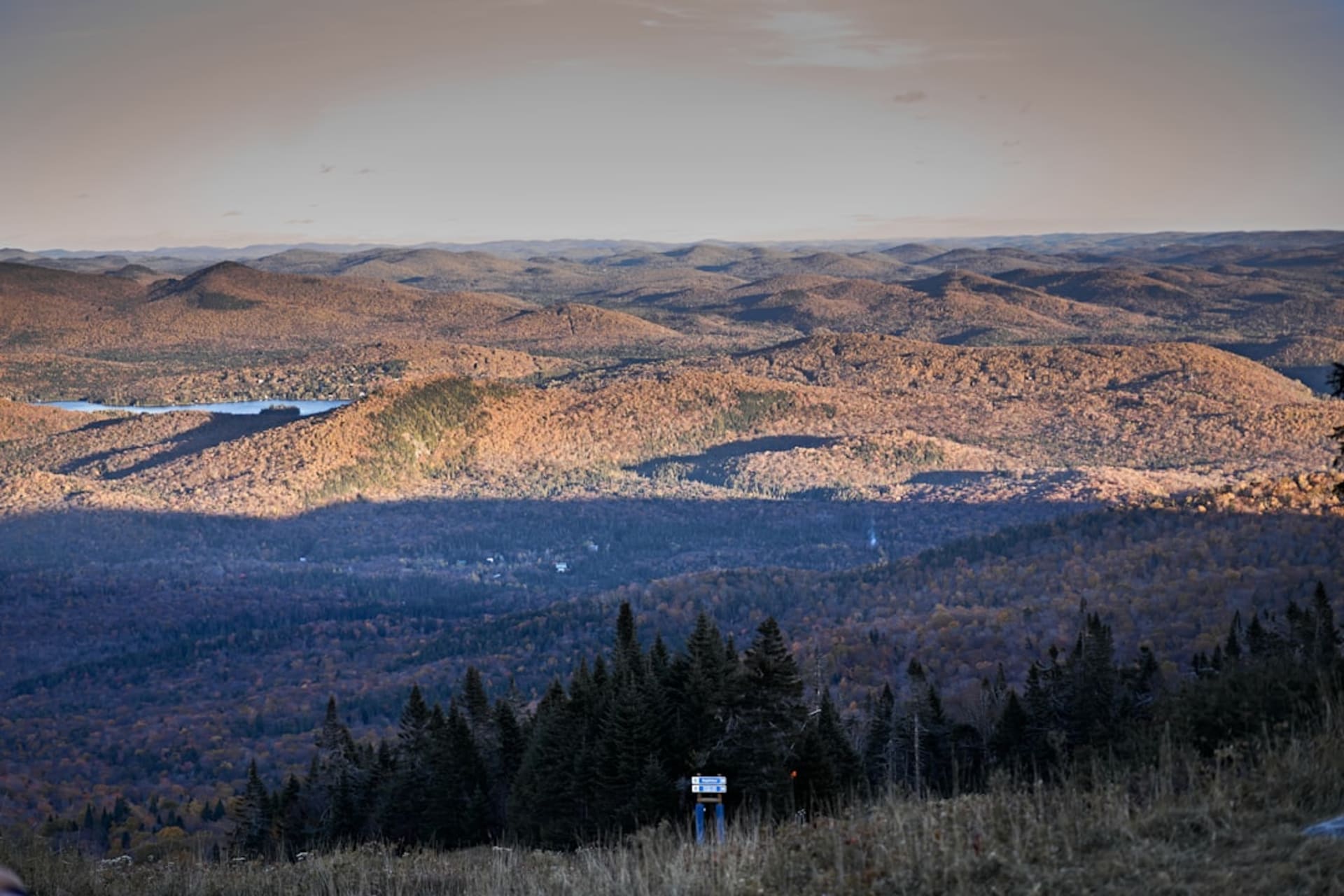
Cap-Chat
"Cap-Chat is a town that looked at its own worst weather and turned it into an industry."
The windiest town on the Gaspé coast, and proud of it — home to a wind-energy museum and one of the tallest vertical-axis turbines ever built.
Le Nordet — the fierce northeast wind that batters this stretch of the Gaspé coast for a good part of the year — is the reason Cap-Chat exists in its current form, and also the reason it’s worth a stop that most people driving the coast road skip entirely. The wind here is strong and reliable enough that Quebec built one of its major wind-energy testing programs on the hills above town, including, for years, Éole, a vertical-axis turbine that stood as the tallest of its design in the world at 110 metres — a strange, elegant, egg-beater-shaped machine visible from the highway long before you reach the town itself.
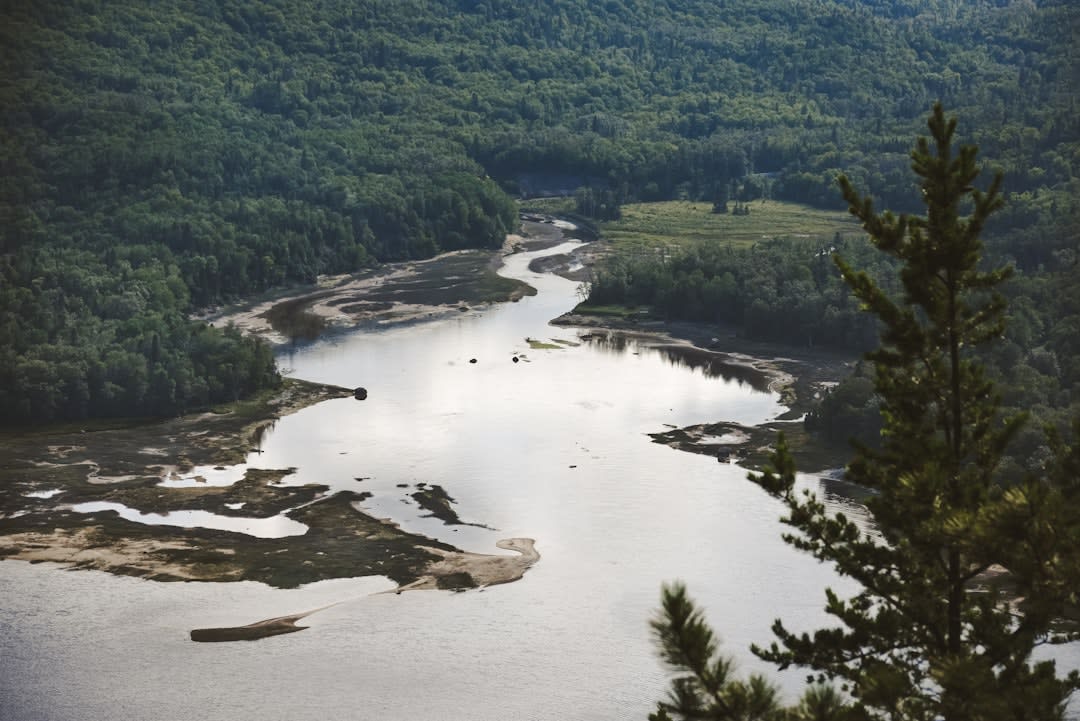
We stopped at the Site d’Éole interpretation centre, which walks through the history of wind research on this coast since the 1970s and the reasoning behind siting it here specifically — Cap-Chat and the surrounding ridge catch wind off the gulf with almost no obstruction, funnelled by the geography of the peninsula’s north shore. The vertical-axis turbine itself was decommissioned some years back after mechanical issues, but it still stands as a landmark, and the ridge around it now hosts a working wind farm of more conventional horizontal turbines, turning steadily against a backdrop of the St. Lawrence far below.
The town’s name, more prosaically, comes from a cat-shaped rock formation along the shore — cap-chat literally meaning “cat’s cape” — and the rock is still pointed out at the eastern edge of town, though I’ll admit it required more imagination than the wind turbines to appreciate. What I liked most about Cap-Chat was the honesty of it: a small fishing and forestry town that took its harshest natural feature and built a genuine, functioning industry and a bit of civic pride out of it, rather than treating the wind as merely something to survive.
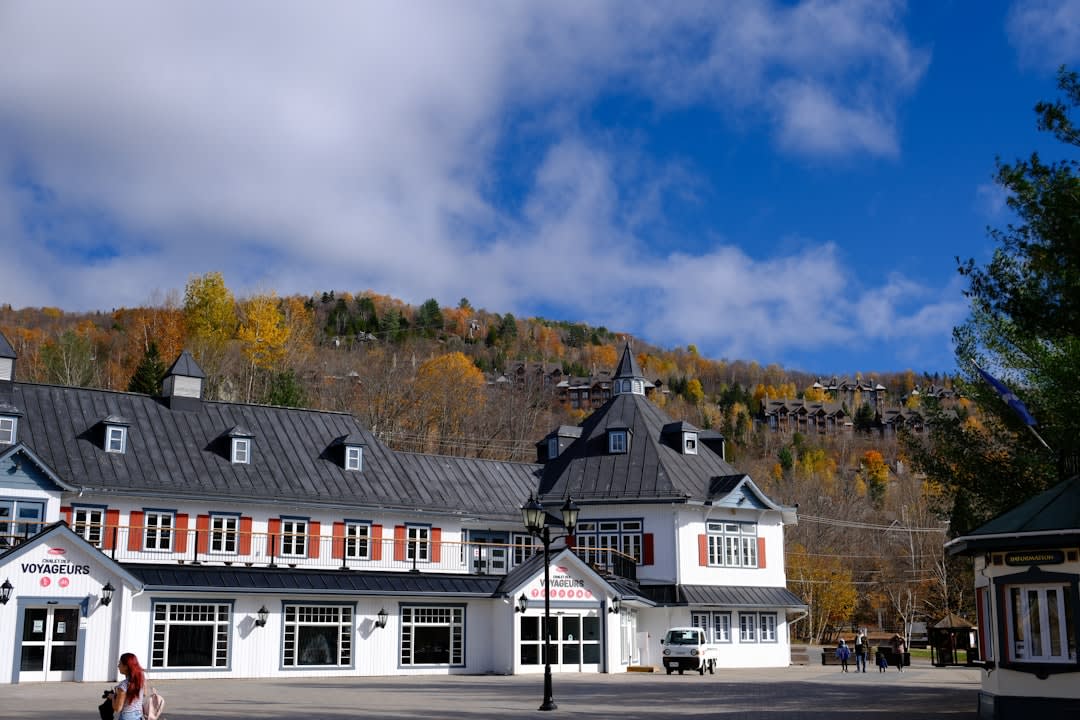
When to go: Year-round for the wind — that’s rather the point — though the interpretation centre keeps regular hours June through September. Pair a stop here with the drive between Matane and Sainte-Anne-des-Monts; it fits naturally into the coastal route.