Montreal Botanical Garden
"I didn't expect a botanical garden to be one of the most moving things I saw in Montreal. It was."
Ten thousand plant species and a Chinese garden built by artisans flown in from Shanghai — one of the largest botanical gardens in the world, and one of Montreal's quietest surprises.
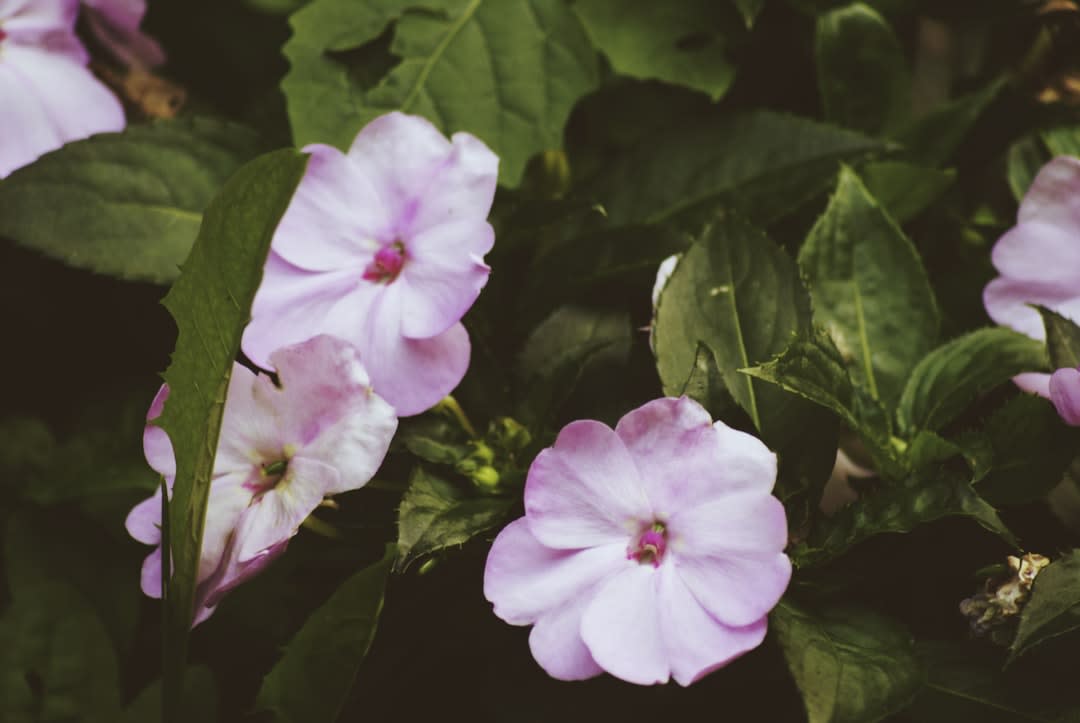
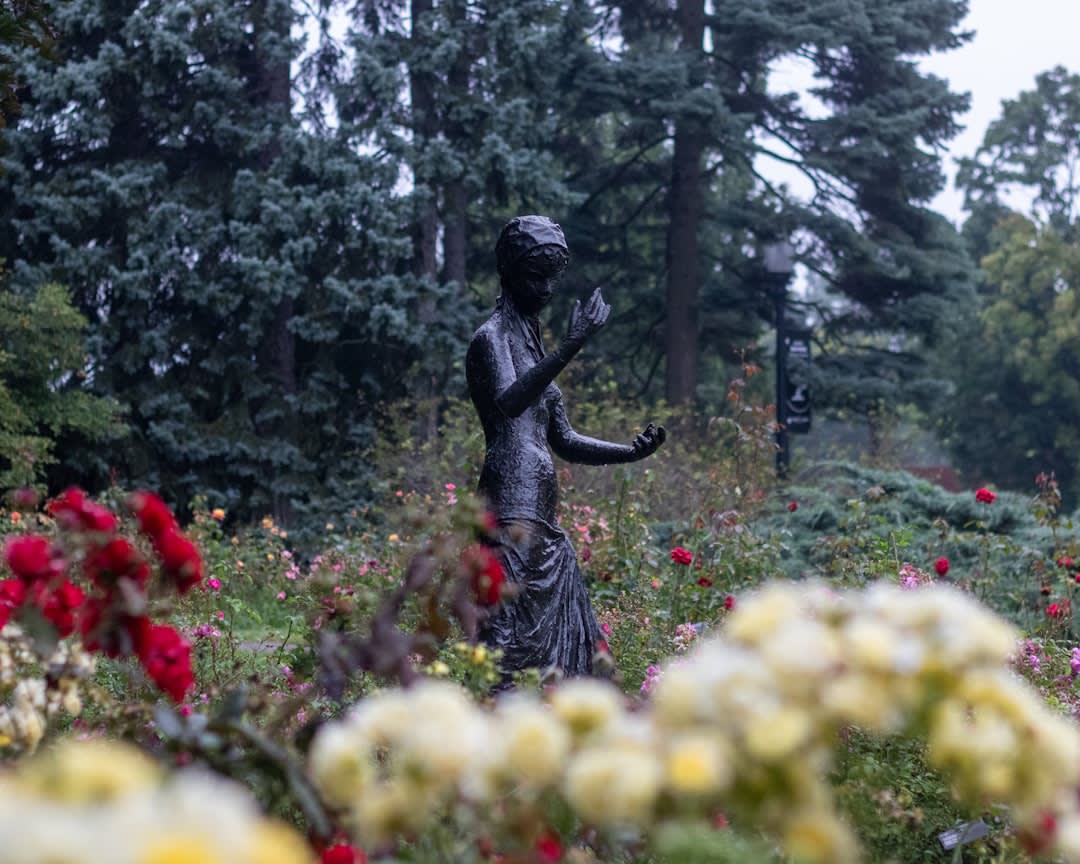
We went to the Montreal Botanical Garden expecting a pleasant hour among the flowerbeds and stayed most of the day, which seems to be the standard experience for anyone who underestimates the size of the place — over 75 hectares and roughly ten thousand plant species, making it one of the largest botanical gardens on earth, tucked in beside the Olympic Stadium as though the two attractions had simply agreed to share a neighbourhood. The Chinese Garden, Jardin de Chine, was the one that stopped us longest: built in the 1990s with pavilions, rockwork, and artisans brought in directly from Shanghai, it’s modelled on the private gardens of the Ming dynasty and feels, walking through its covered walkways beside the still ponds, entirely transported rather than merely themed.
We came back a second time in September specifically for the Magic of Lanterns festival, when the Chinese Garden fills with enormous illuminated lantern sculptures — dragons, pagodas, entire mythological scenes rendered in silk and wire and LED — and the whole garden takes on a completely different character after dark, families and couples and groups of teenagers all wandering the same paths under the glow. Lia, who is generally unmoved by festival lighting displays on principle, admitted this one got her, particularly a sculpture of cranes mid-flight that seemed to be lit from within rather than lit up.
The Japanese Garden next door, quieter and more austere, felt like a deliberate palate cleanser after the Chinese Garden’s theatricality — raked gravel, a single perfect maple, a teahouse where we sat for twenty minutes doing absolutely nothing, which is exactly what the space seems designed to demand of you. The First Nations Garden further along traces the plant knowledge and land relationships of Quebec’s Indigenous nations, and reading the interpretive panels there, after the imported spectacle of the other gardens, felt like the most honest and rooted part of the whole visit.
The greenhouses, ten interconnected pavilions holding everything from desert cacti to a full tropical rainforest canopy, are worth the visit alone on a grey Montreal winter day — we ducked in during a February cold snap and left an hour later in actual sweat, which after a week of subzero temperatures felt like a genuine gift.
When to go: Late June through September for the outdoor gardens at their fullest, and specifically September for the Magic of Lanterns festival in the Chinese Garden. The greenhouses are a warm refuge worth visiting any time in winter.
Keep exploring
More from Québec
 quebec
 Bromont
A mountain town built for motion — mountain biking in summer, skiing in winter, and a water park in between for anyone who needs a break.
Explore quebec
 Cap-Chat
The windiest town on the Gaspé coast, and proud of it — home to a wind-energy museum and one of the tallest vertical-axis turbines ever built.
Explore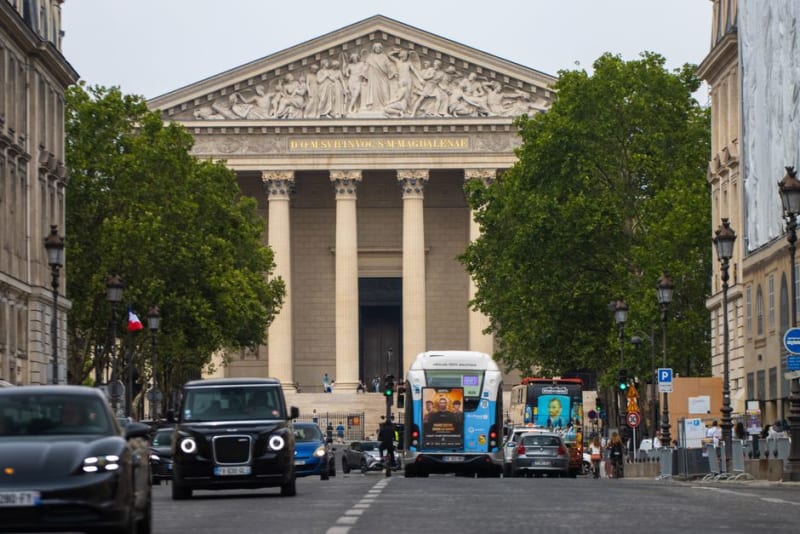 quebec
 Cap-de-la-Madeleine
A riverside pilgrimage site where a 17th-century chapel and a modern basilica sit side by side, and a bridge of ice once changed a nation's faith.
Explore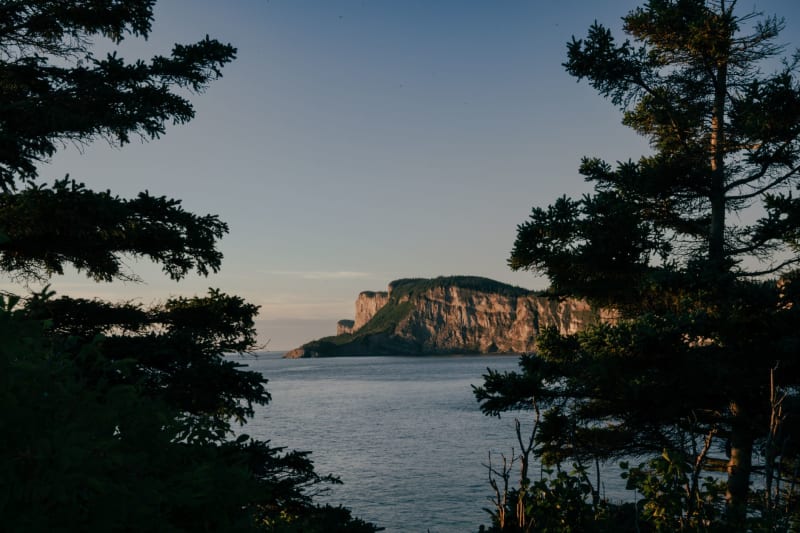 quebec
 Cap Tourmente
The wildlife reserve where 50,000 snow geese descend twice a year, turning the tidal flats white in a spectacle that is almost incomprehensibly loud.
Explore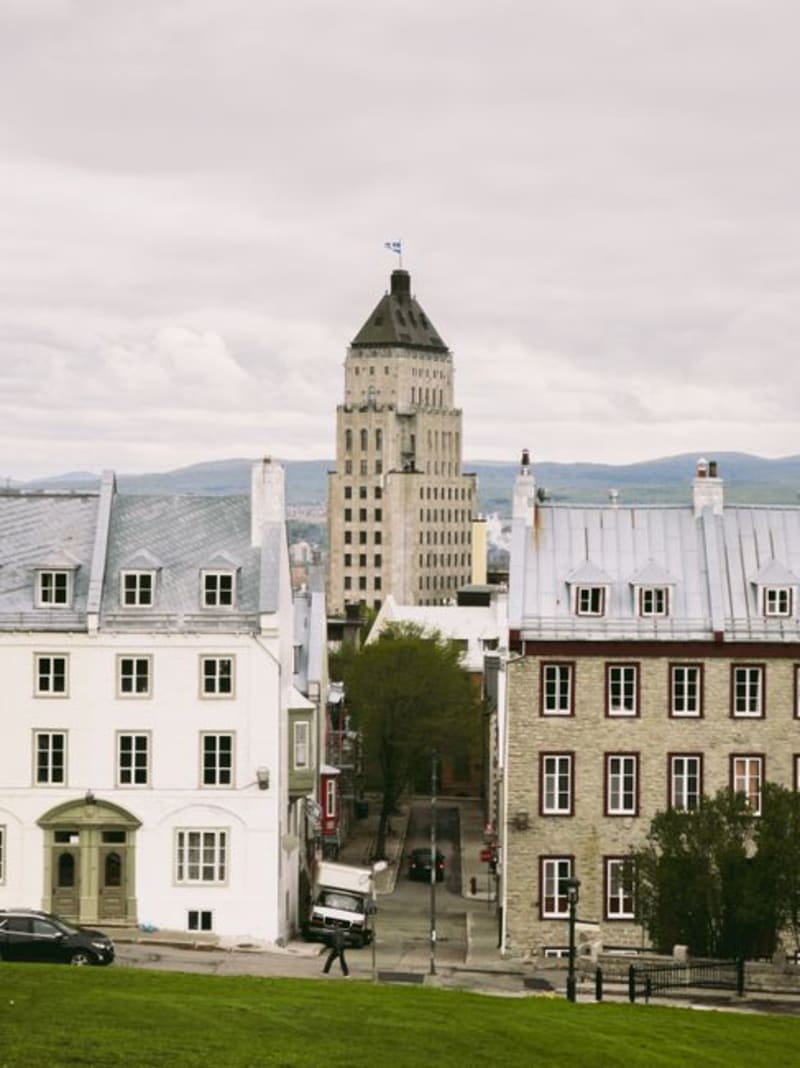 quebec
 Carleton-sur-Mer
A sandbar town on the warmest bay in the Gulf of St. Lawrence, with a mountain behind it that hands you the whole Baie des Chaleurs in one view.
Explore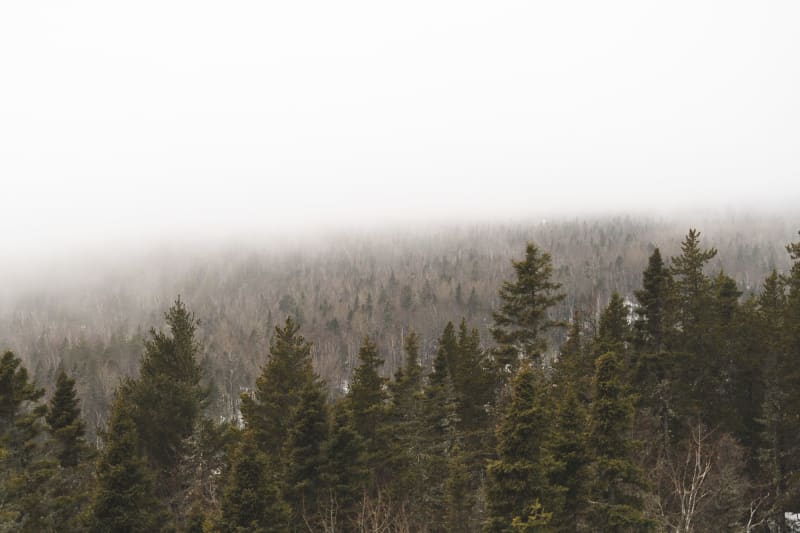 quebec
 Charlevoix
A biosphere reserve carved by a meteorite and draped in maple forest — the landscape here has the ambition of geology, not scenery.
Explore