Baie-Sainte-Catherine
"The ferry across the Saguenay is free, five minutes long, and has probably shown more people their first whale than any paid tour in the province."
The quiet southern gateway to the Saguenay fjord, where the free ferry crossing to Tadoussac doubles as one of the best budget whale-watching excursions in Quebec.
I almost drove past Baie-Sainte-Catherine entirely, which would have been a mistake. It sits on the south shore of the Saguenay’s mouth, the last village on Highway 138 before the free ferry crosses to Tadoussac, and most people treat it as a formality — a place to queue for the boat and nothing more. I stopped for gas and ended up staying two nights, mostly because the woman at the dépanneur told me, without much drama, that belugas came into the bay “most mornings” and I decided to test that claim.
She was right. I walked down to the Pointe-Noire interpretation centre at sunrise and watched a small pod of belugas working the shallows just off the point, close enough that I didn’t need binoculars. Pointe-Noire sits at the exact spot where the Saguenay’s cold water column meets the St. Lawrence, and Parks Canada runs an interpretation centre here specifically because the sightings are so reliable — this is one of the few places on the continent where you can watch beluga whales from dry land with real consistency, no boat required.
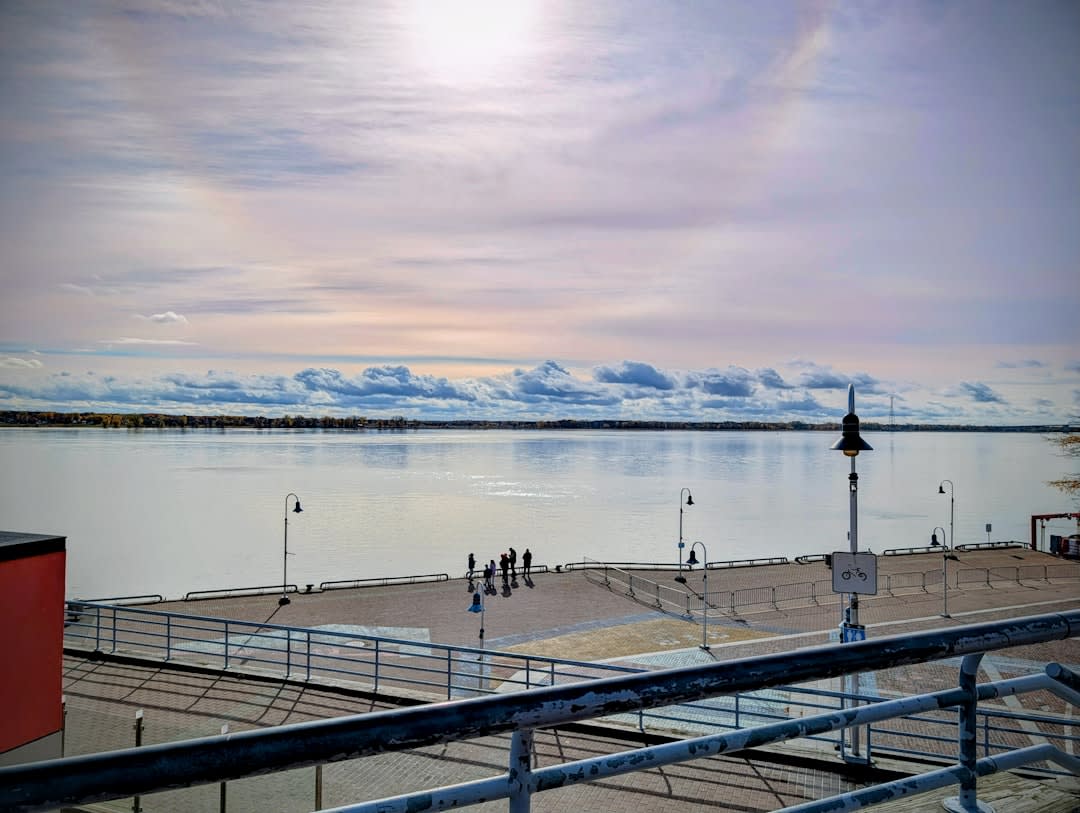
The ferry itself is the other reason to linger. It’s free, runs continuously, takes about ten minutes to cross the mouth of the fjord, and functions as an accidental whale-watching cruise for anyone paying attention — I’ve now crossed it four times and seen a whale from the deck on three of them. The crossing gives you the clearest view there is of where the Saguenay fjord actually begins: a wall of black rock dropping straight into water that the geologists say is over 275 metres deep at points, carved by a glacier that had no interest in gentle slopes.
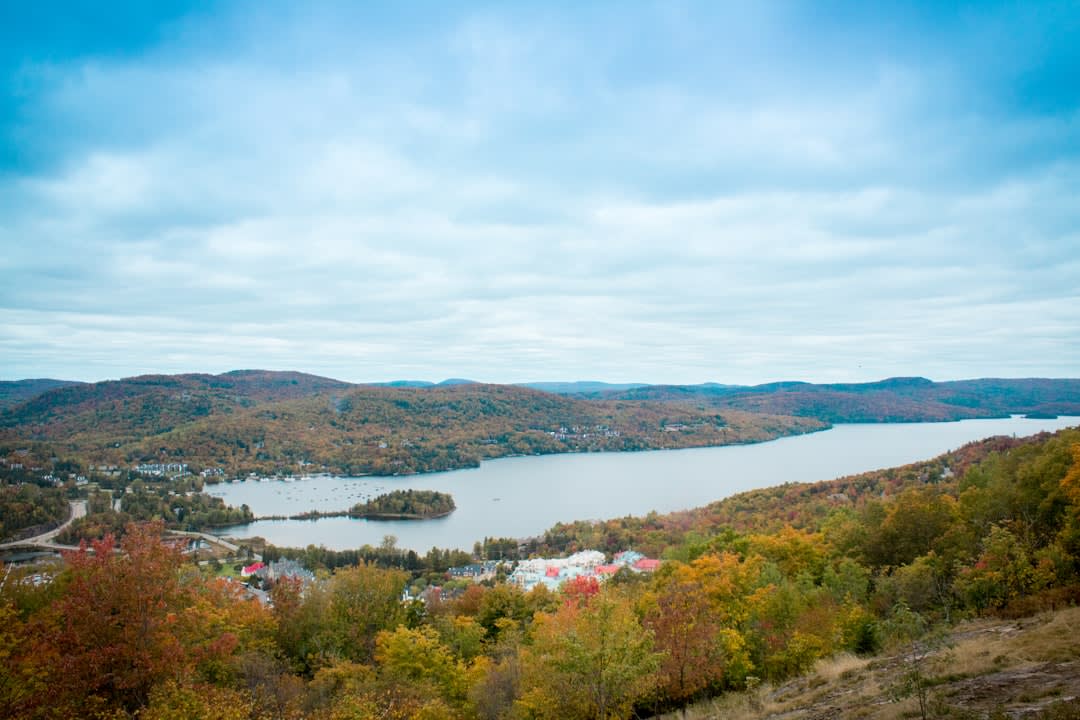
Beyond the ferry and the whales, the village is small and unbothered by its own significance — a handful of auberges, a marina, and a coastal trail along the St. Lawrence that gives long views east toward the widening estuary. It’s the kind of place that works precisely because almost nobody stops here on purpose.
When to go: Late June through September for the most reliable beluga sightings at Pointe-Noire. Arrive early morning, when the water is calmer and the whales tend to feed closer to shore before boat traffic picks up.
Keep exploring
More from Québec
 quebec
 Batiscan
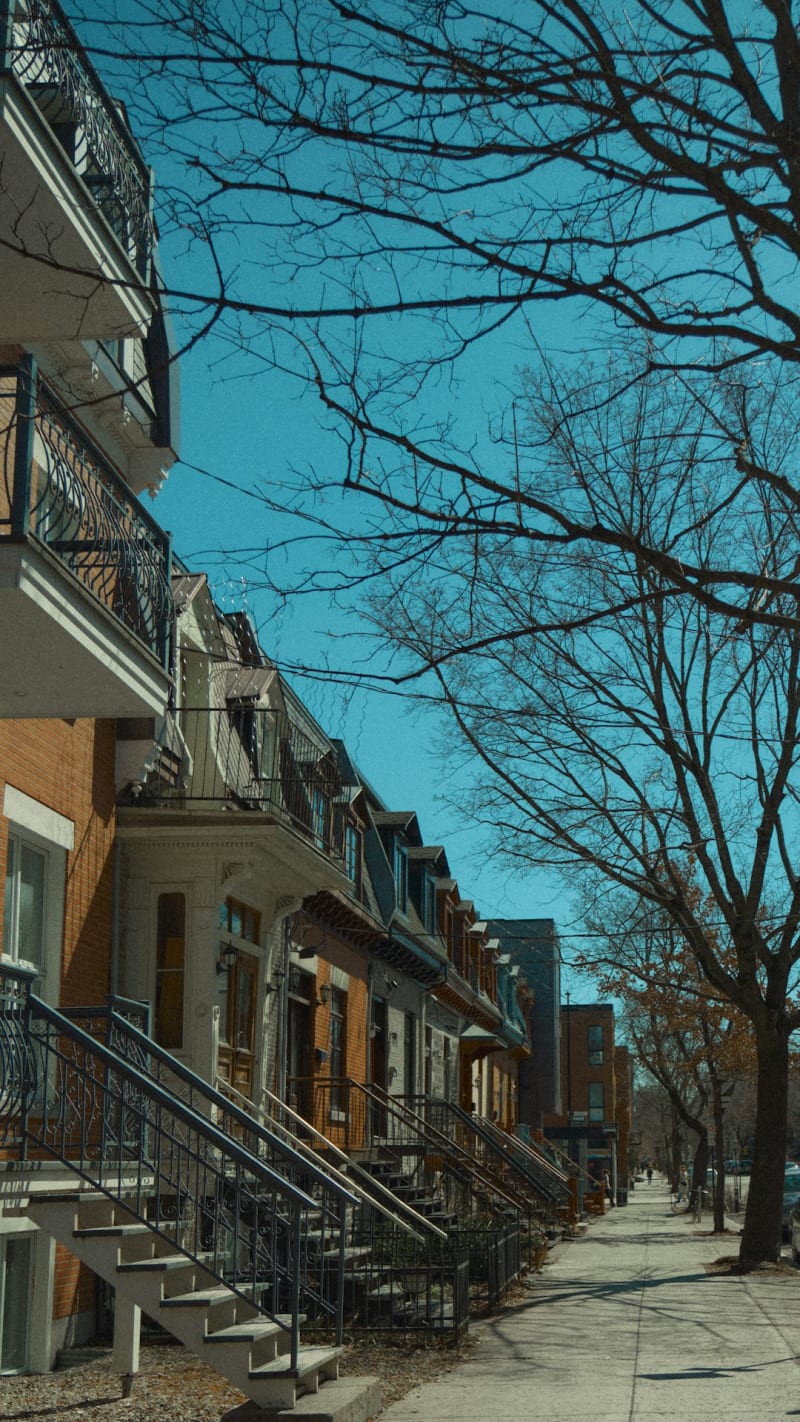
A sleepy riverside seigneurie between Trois-Rivières and Québec City where a 1696 presbytery preserves the daily texture of New France better than any museum reconstruction.
Explore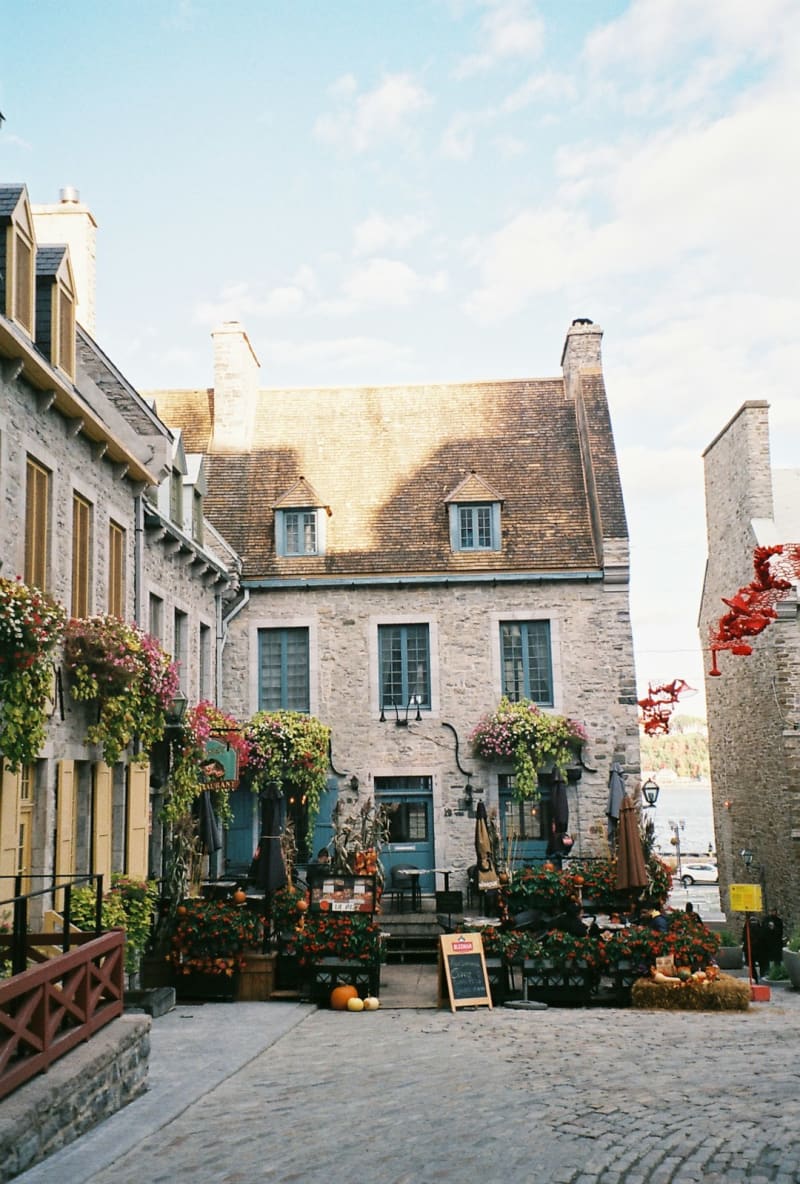 quebec
 Belle-Anse
A gallery of wind-carved red sandstone arches and pillars on the Magdalen Islands' northern shore that locals treat as a Tuesday-evening walk and everyone else treats as a pilgrimage.
Explore quebec
 Île Bonaventure
One of the largest and most accessible northern gannet colonies on earth — 100,000 birds on a single cliff face, and the smell reaches you before the sight does.
Explore quebec
 Montreal Botanical Garden
Ten thousand plant species and a Chinese garden built by artisans flown in from Shanghai — one of the largest botanical gardens in the world, and one of Montreal's quietest surprises.
Explore quebec
 Bromont
A mountain town built for motion — mountain biking in summer, skiing in winter, and a water park in between for anyone who needs a break.
Explore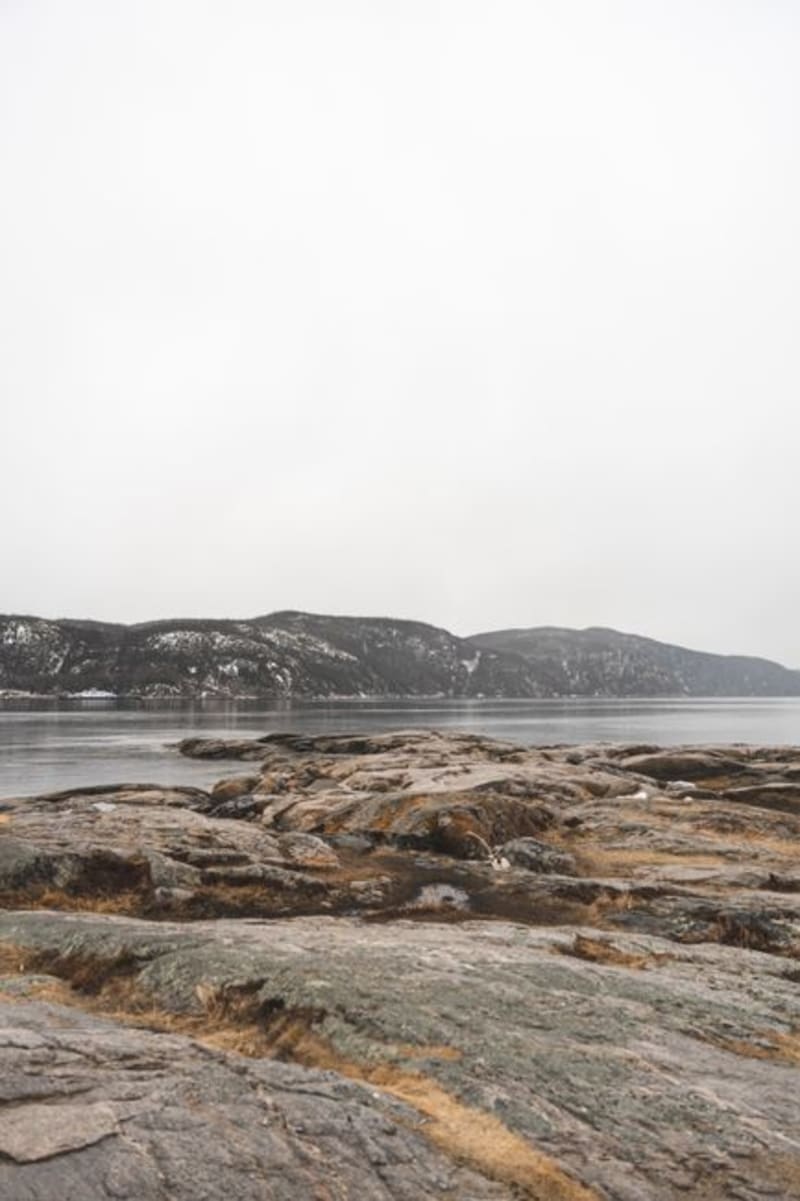 quebec
 Cap-Chat
The windiest town on the Gaspé coast, and proud of it — home to a wind-energy museum and one of the tallest vertical-axis turbines ever built.
Explore