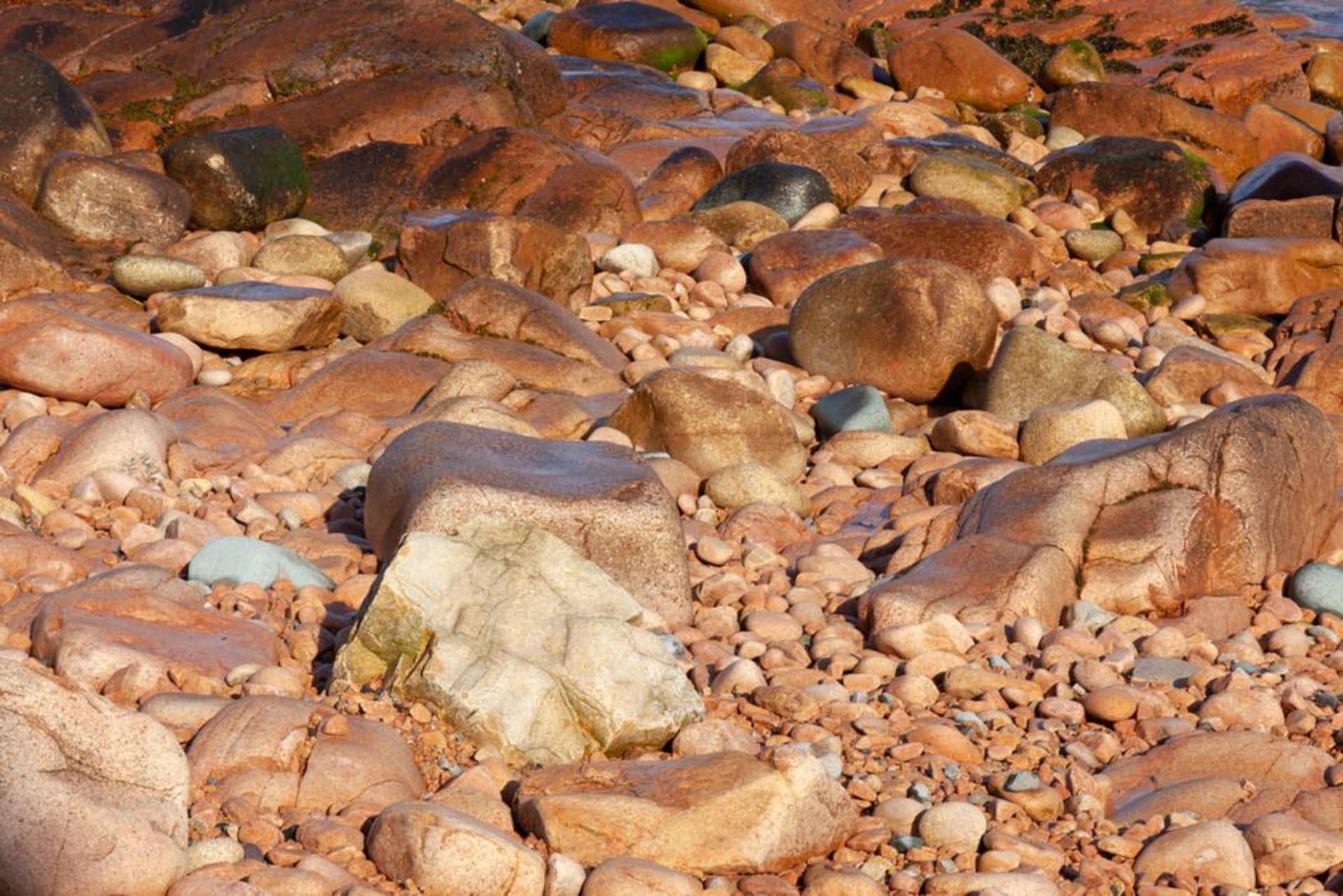
Île d'Anticosti
"Anticosti has 160,000 white-tailed deer and about 220 human residents — the ratio tells you everything about the island's temperament."
An island the size of a small country in the mouth of the St. Lawrence, home to more deer than people and a coastline littered with shipwrecks.
Getting to Anticosti Island requires either a small plane from Sept-Îles or Havre-Saint-Pierre or a considerably longer ferry crossing, and both options put a filter on who ends up there, which is part of why the island still feels so unclaimed. Anticosti sits at the mouth of the St. Lawrence, roughly the size of Prince Edward Island but home to fewer than 250 permanent residents, most of them in the single village of Port-Menier. The rest of the island belongs to boreal forest, limestone canyons, and an estimated 160,000 white-tailed deer — descendants of 220 animals introduced in 1896 by a French chocolate magnate who bought the entire island as a private hunting reserve and stocked it accordingly. The deer have no natural predators here and have shaped the island’s ecology completely; you see them constantly, along roadsides, at forest edges, entirely unbothered by cars.
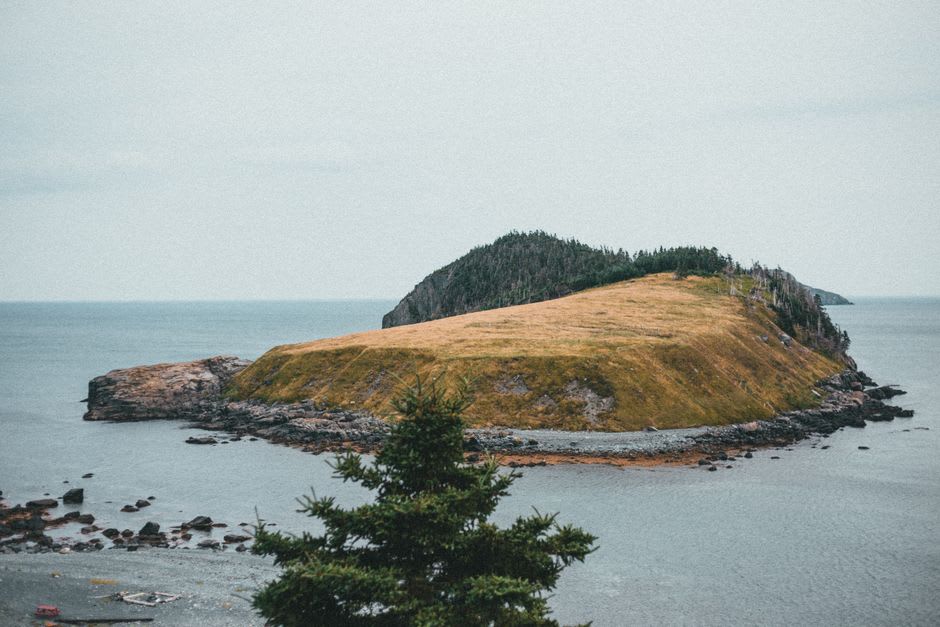
The island’s other identity is as a graveyard for ships — more than four hundred vessels have wrecked on Anticosti’s reefs and shoals over the centuries, earning it the nickname “Cemetery of the Gulf,” and rusted hulks are still visible from several beaches at low tide. But the landscape that actually stopped me was the Vauréal River canyon, a limestone gorge carved over millennia that opens suddenly out of otherwise flat boreal forest, its walls streaked ochre and grey, a waterfall dropping 76 metres at its head. Parc national d’Anticosti protects the canyon and much of the island’s eastern half, and walking to the canyon rim after an hour of unremarkable spruce forest felt like a magic trick — nothing in the approach prepares you for the drop.
Port-Menier itself is small enough to see in an afternoon: a general store, a museum devoted to the island’s chocolate-baron history and its fossil beds (Anticosti’s limestone holds some of the best-preserved Ordovician fossils on the continent), and a harbor where the ferry and float planes come and go on schedules that everyone treats as approximate.
When to go: Late August through September for deer rutting season and the best canyon-hiking weather. Book flights well ahead — service is limited and weather-dependent, and the island has very little lodging outside Port-Menier.