Turi
"Turi grows some of the best cherries in Italy and exports nearly all of them, so you have to actually go there to understand what the fuss is about."
A quiet cherry-growing town in the Terra di Bari countryside, surrounded by orchards and masserie, with a historic center built almost entirely from the region's pale local stone.
We arrived in Turi in early June, which turned out to be exact timing rather than luck, because the cherry harvest was in full swing and the roads into town were lined with stalls selling crates of the region’s famous ferrovia variety, dark red and enormous, sold by growers who had clearly picked them that same morning. Lia bought two kilos before we’d even found parking, and by the time we left the trunk held considerably more.
The town itself sits amid an unbroken landscape of cherry orchards stretching in every direction, interspersed with the low white masserie that manage most of the harvest — Turi’s cherries are, we learned from a grower who insisted on giving us an impromptu orchard tour, largely destined for export to northern Europe, which means most people eating them have never actually seen where they grow. Walking between the rows with him, the trees heavy enough with fruit to bow their branches toward the ground, felt like being let in on a slightly absurd secret: a whole regional economy built around a fruit most of its customers will never connect to this particular patch of Puglia.
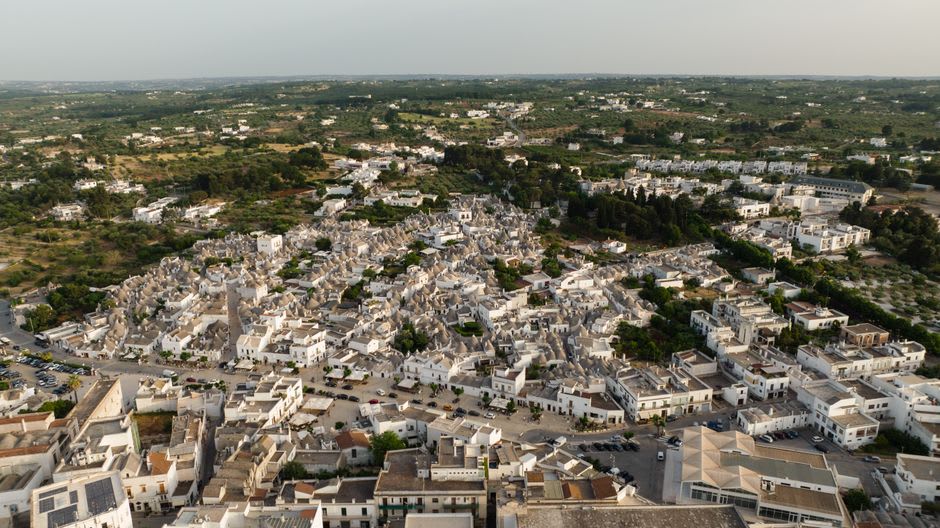
The historic center is modest and built almost uniformly from the pale local stone, a compact grid of streets around a Baroque church, and we spent an easy hour wandering it before returning to the countryside for lunch at a masseria that had turned part of its cherry-drying shed into an informal dining room. We ate cherry-stuffed something — I never got the full name of the dish, something between a tart and a savory pastry — alongside grilled meats from the farm and a rosé that the owner said paired better with the cherries than any wine he’d tried, a claim we tested at length and found entirely credible.

Driving out with a trunk full of fruit that would not survive the rest of the trip intact, I thought about how many of Puglia’s inland towns work this way — organized entirely around a single crop or product, invisible to the wider world that consumes what they grow.
When to go: Late May through June for the cherry harvest, when the orchards are at their most productive and the town holds informal tastings and sales along the roadside. Outside harvest season, the countryside is quieter but the masserie restaurants still operate.
Keep exploring
More from Puglia
 puglia
 Ugento
An ancient Messapian town whose Torre San Giovanni frazione delivers a laid-back Ionian beach scene without the Instagram fame of its Salento neighbours.
Explore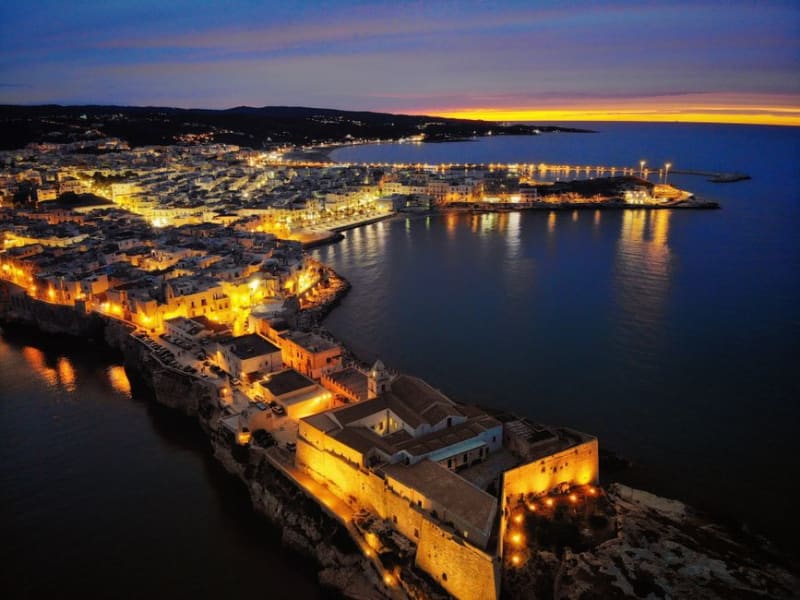 puglia
 Vieste
The Gargano's coastal capital — a white old town on a limestone spur, a sea stack rising offshore, and beaches that curve away in both directions for as far as you can walk.
Explore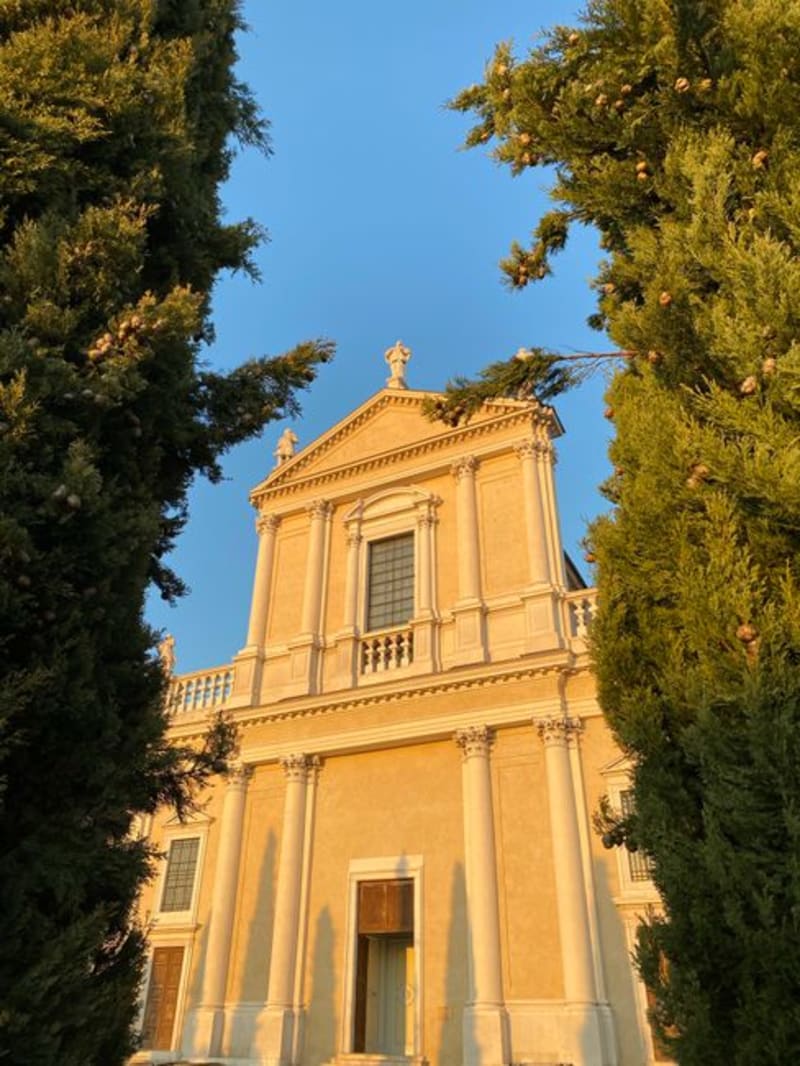 puglia
 Acquaviva delle Fonti
A countryside town in the Terra di Bari known for its cured meats and its Wednesday livestock market, ringed by farmland and the masserie that supply the region's butchers.
Explore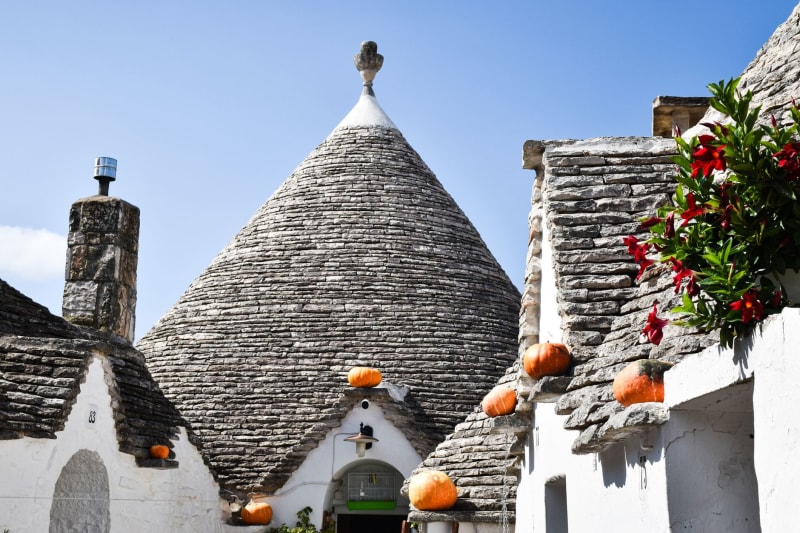 puglia
 Alberobello
The only town in Europe where the houses look like something a child drew from memory — and somehow it works completely.
Explore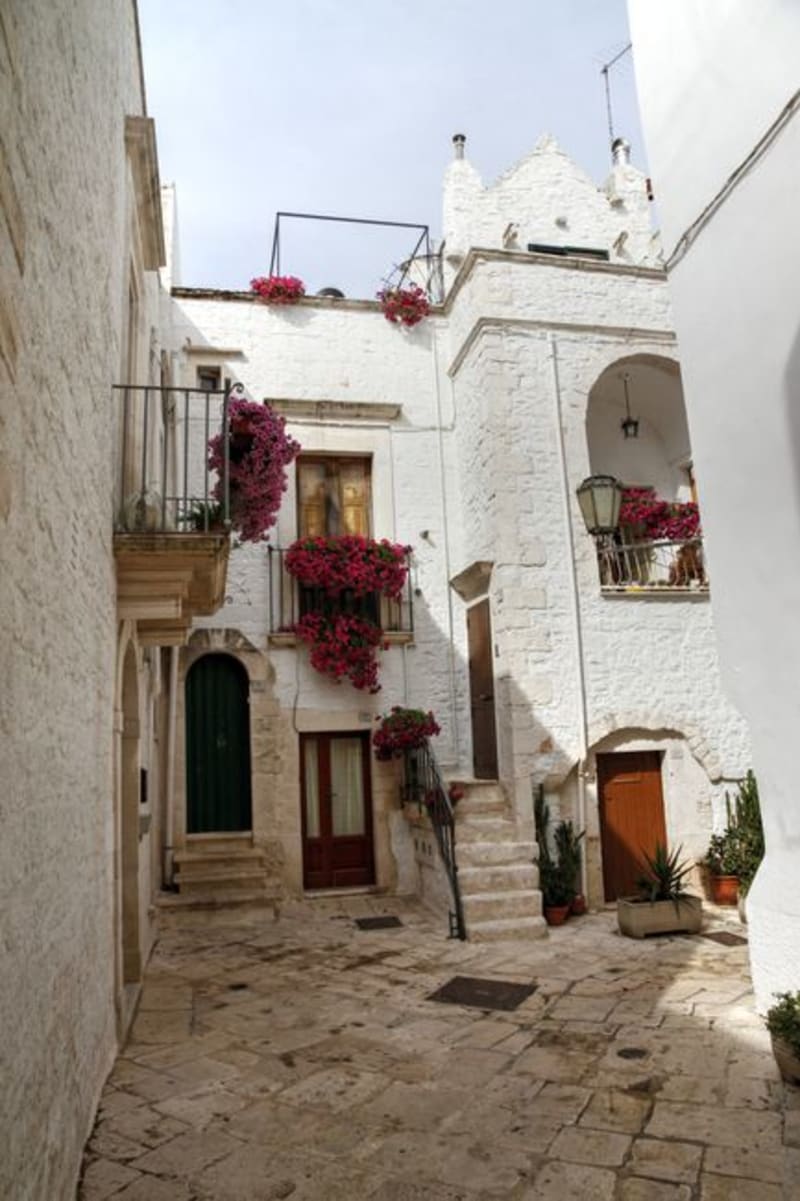 puglia
 Altamura
Home of the DOP bread so good it has its own protected designation, a Norman-Swabian cathedral, and a 250,000-year-old Neanderthal skeleton found in a cave nearby.
Explore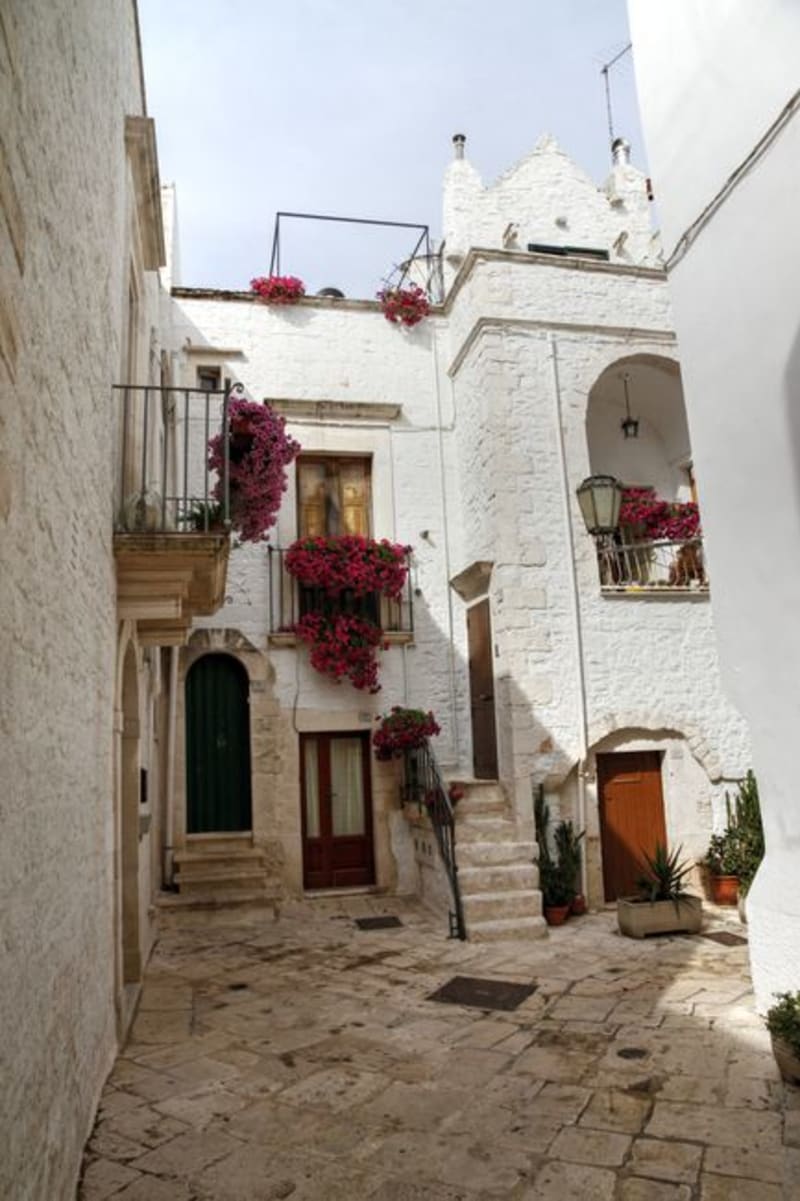 puglia
 Andria
The city that gave the world burrata, still made a few kilometres away in Murgia dairies, and the gateway to the octagonal fortress of Castel del Monte.
Explore