Specchia
"Specchia is small enough to walk end to end in twenty minutes, and I spent three hours doing it anyway."
One of Italy's officially designated 'most beautiful villages,' a hilltop borgo in the deep Salento built almost entirely from pale local stone.
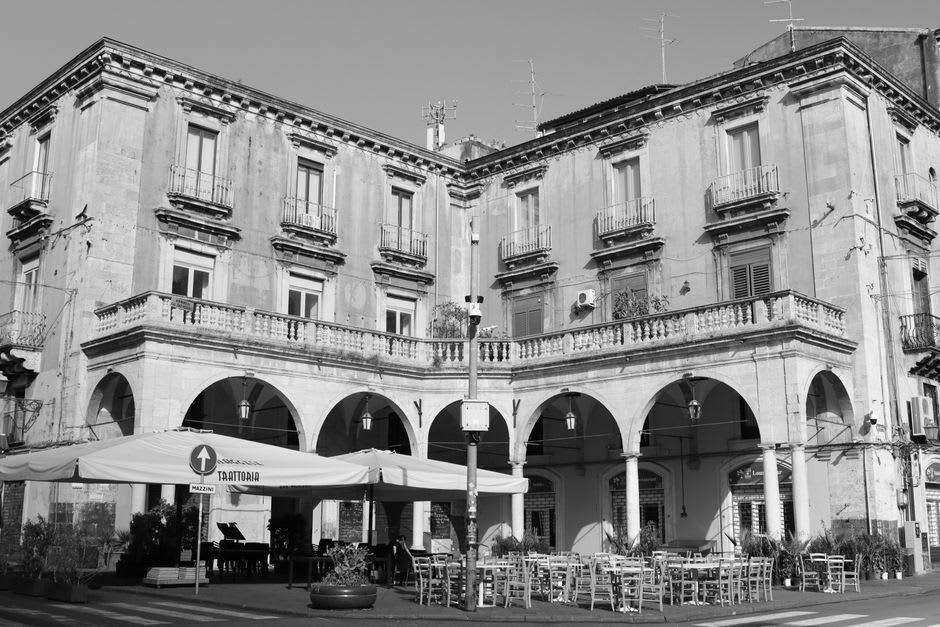
Specchia belongs to the official list of Borghi più belli d’Italia — the most beautiful villages in Italy — a designation that, having now visited a fair number of towns carrying it, I’ve learned to trust more than most travel superlatives. It sits inland in the deep Salento, roughly equidistant from the Adriatic and Ionian coasts, on a low rise that gives it views across olive groves in every direction without qualifying as anything so dramatic as a hilltop in the Tuscan sense. What it has instead is a completely coherent built environment: every wall, every archway, every stepped alley constructed from the same pale local limestone, weathered to a warm honey colour that seems to hold the last of the day’s light for an extra hour after sunset.
We arrived in the early evening, which turned out to be the correct time — the day-trip buses that pass through around midday were gone, and the streets belonged to residents sitting in doorways and a handful of cats claiming the warm stone steps as their own. The centre revolves around the Palazzo Risolo, a fortified medieval residence later converted into a Baroque palazzo, and the adjoining church, both facing a small square that never once, in the hour we spent there, felt like it was performing for visitors.
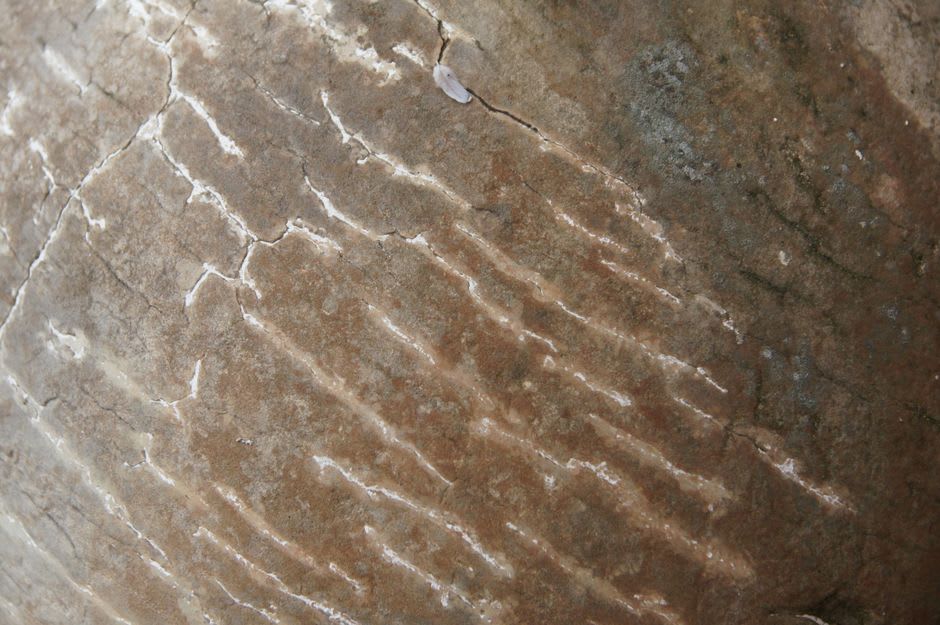
What makes Specchia specific rather than generically pretty is the network of underground olive oil mills — frantoi ipogei — carved into the rock beneath the town, some dating back centuries, used historically to press olives at a stable year-round temperature. One has been restored and opened as a small museum, and descending into it felt like stepping into the actual mechanism of how this region survived on olive cultivation long before tourism existed as an economic option. The stone presses, worn smooth by generations of use, told a more concrete story about Puglia’s relationship to its olive trees than any amount of Instagrammed groves had managed to.
Lia found a small enoteca off the main square that doubled as a wine bar after dark, run by a couple who’d moved back to Specchia after years in Milan — a pattern we noticed repeated in several of these interior Salento towns, young Puglians returning rather than leaving, betting on the quiet version of the region over the coastal one. We drank a glass of Negroamaro from a vineyard the owner’s cousin managed a few kilometres away, and talked about how little of what we’d read online about Salento had mentioned this town at all, despite it being, by any reasonable measure, one of the loveliest places we’d stood in all week.
When to go: April through June and September through October offer the most comfortable walking weather and the fullest evening atmosphere in the square. Specchia works well as a half-day stop from either coast, and it’s genuinely pleasant even in the height of summer since it lacks a beach to draw crowds away from its own streets.
Keep exploring
More from Puglia
 puglia
 Taranto
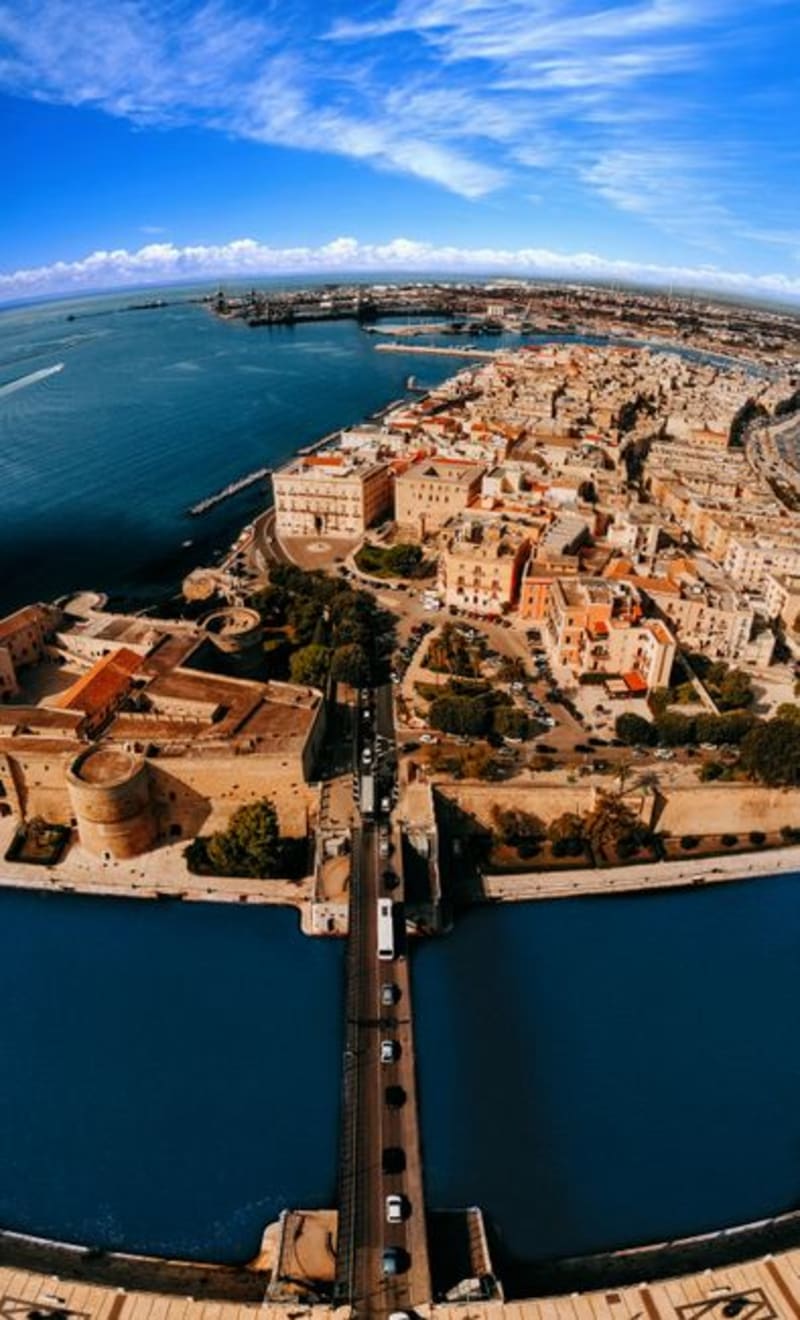
The city of two seas, where mussel farms fill an inland saltwater lagoon and a Spartan colony's old town sits crumbling and gorgeous on its own island.
Explore puglia
 Torre dell'Orso
An Adriatic cove famous for its twin sea stacks known as the Two Sisters, backed by an Aragonese watchtower and a pine-shaded beach.
Explore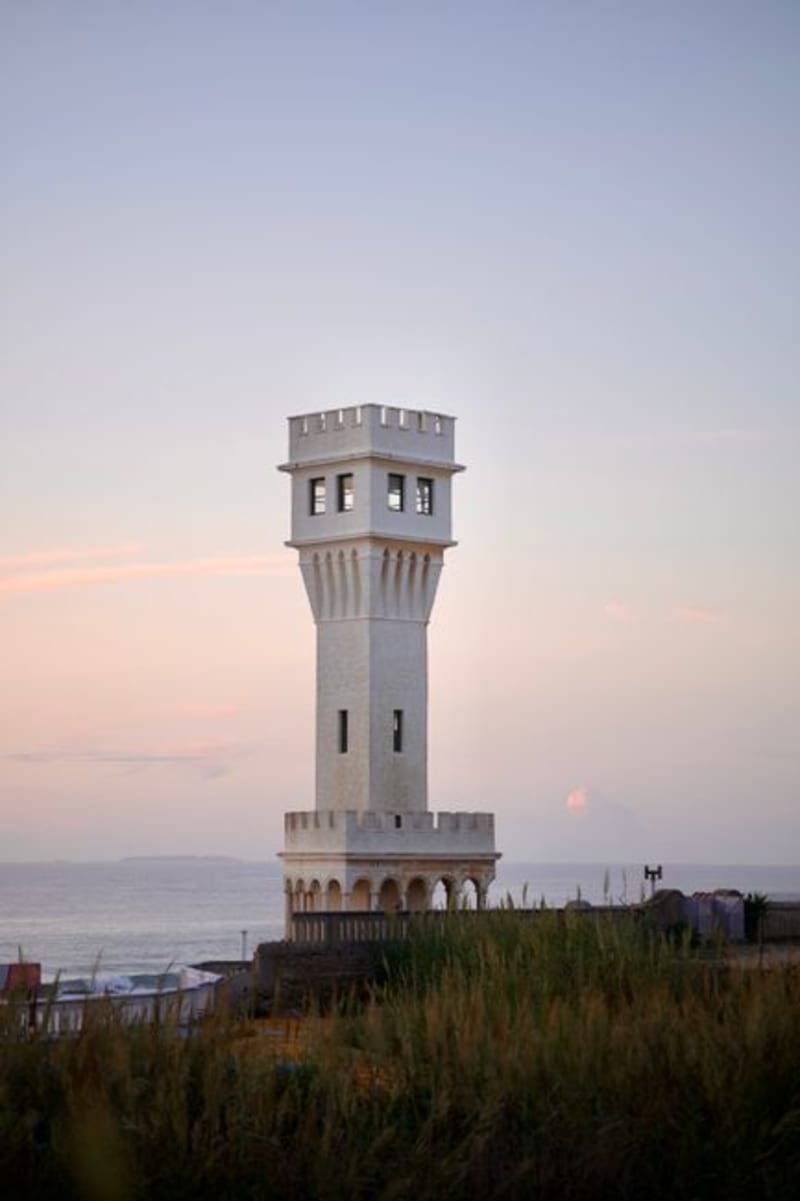 puglia
 Torre Guaceto
A protected coastline of dune, macchia, and clear shallow water between Brindisi and Ostuni — one of the few stretches of Puglia's Adriatic that development never reached.
Explore puglia
 Torre San Giovanni
A low-key Ionian beach town near Ugento, marked by its sixteenth-century watchtower and lighthouse, and by some of the calmest, most swimmable water in southern Salento.
Explore puglia
 Torremaggiore
A Tavoliere farm town built around the ruins of Fiorentino, the vanished imperial city where Frederick II died — a ghost settlement now marked only by a single standing arch in an empty field.
Explore puglia
 Trani
A port city with a Romanesque cathedral built directly on the sea — one of the most quietly perfect architectural scenes in southern Italy.
Explore