
Santeramo in Colle
"Santeramo in Colle sits high enough on the Murgia that the wind never quite stops, which the locals insist is why the wheat here makes better bread."
A high Murgia countryside town known for its bread and pasta-making tradition, ringed by wheat fields, drystone walls, and masserie that have shifted from sheep farming to agritourism.
Santeramo in Colle sits at one of the higher points of the Murgia plateau, and you feel the elevation less in the climb — the roads up are gradual — than in the wind, which arrived the moment we stepped out of the car and did not let up for the rest of the day. A woman running the masseria we stayed at that night told us, with total conviction, that the wind is precisely why the local wheat produces such good bread and pasta: something about the grain drying slowly under constant air movement, developing a flavor the calmer coastal towns can’t manage. I have no way to verify this. The bread was, in fact, extraordinary.
The town itself is workmanlike rather than picturesque, built for the practical business of managing the surrounding wheat fields and, historically, large flocks of sheep that grazed the open Murgia pastureland. Its historic center has a handful of unassuming churches and a scattering of old bakeries still working with wood-fired ovens, one of which let us watch the whole process — dough proofed in wicker baskets, scored by hand, slid into an oven old enough that nobody working there could tell us its age with any confidence.
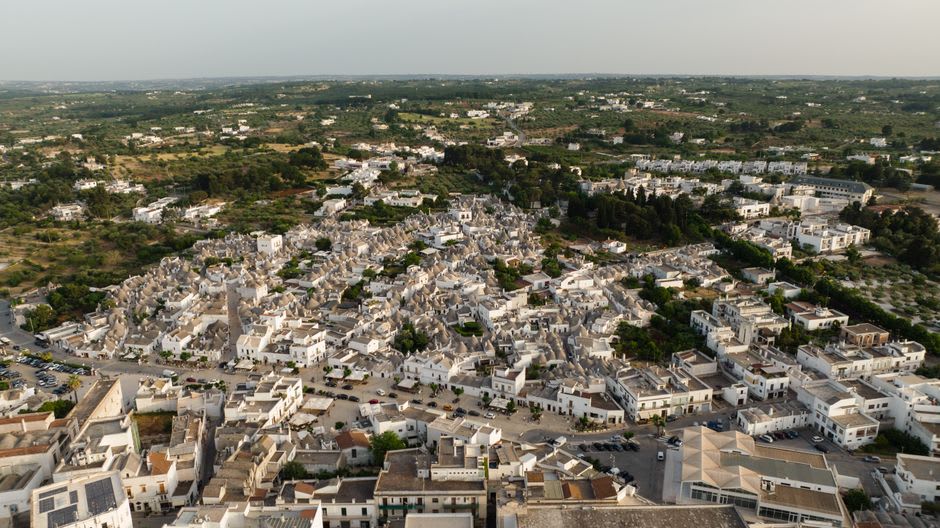
The countryside around the town is stitched together with drystone walls in the classic Murgia style, dividing fields that once held grazing sheep and now, in a number of cases, host masserie that have pivoted toward agritourism as the sheep economy has thinned. We stayed at one such place, a converted farmhouse with thick walls that kept the wind entirely out despite its constant presence in the yard, and ate dinner that night of orecchiette with the local wheat, a lamb stew that the owner said used a recipe passed down from a grandmother who had run actual flocks here, and bread from the bakery we’d visited that afternoon, still faintly warm.
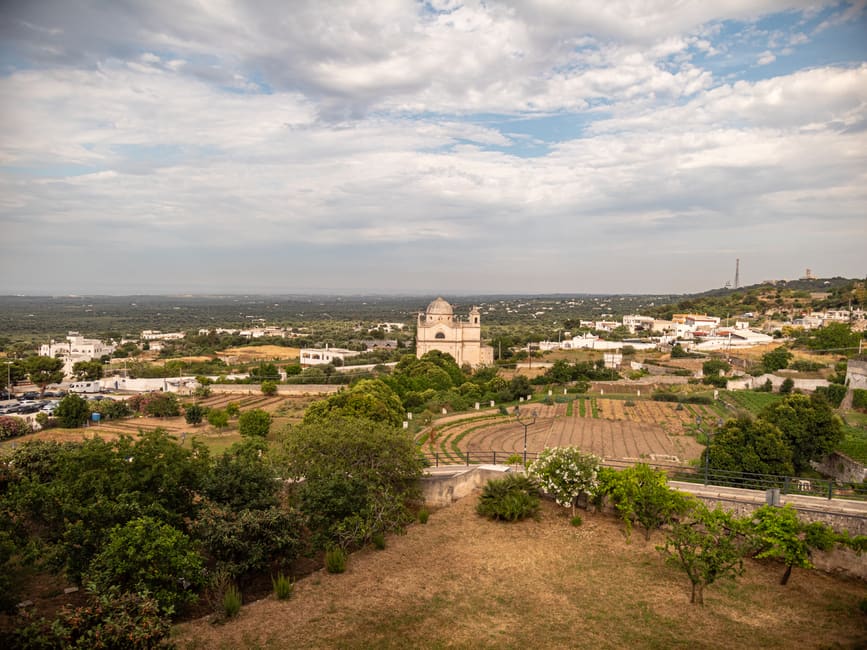
We left the next morning with the wind still going and a paper sack of bread that lasted, remarkably, the rest of the week without going stale — a fact I choose to believe supports the wind theory rather than disprove it.
When to go: June for the wheat harvest, when the countryside turns gold and the bakeries are at their busiest. The wind is a near-constant regardless of season, so pack a layer even in summer.