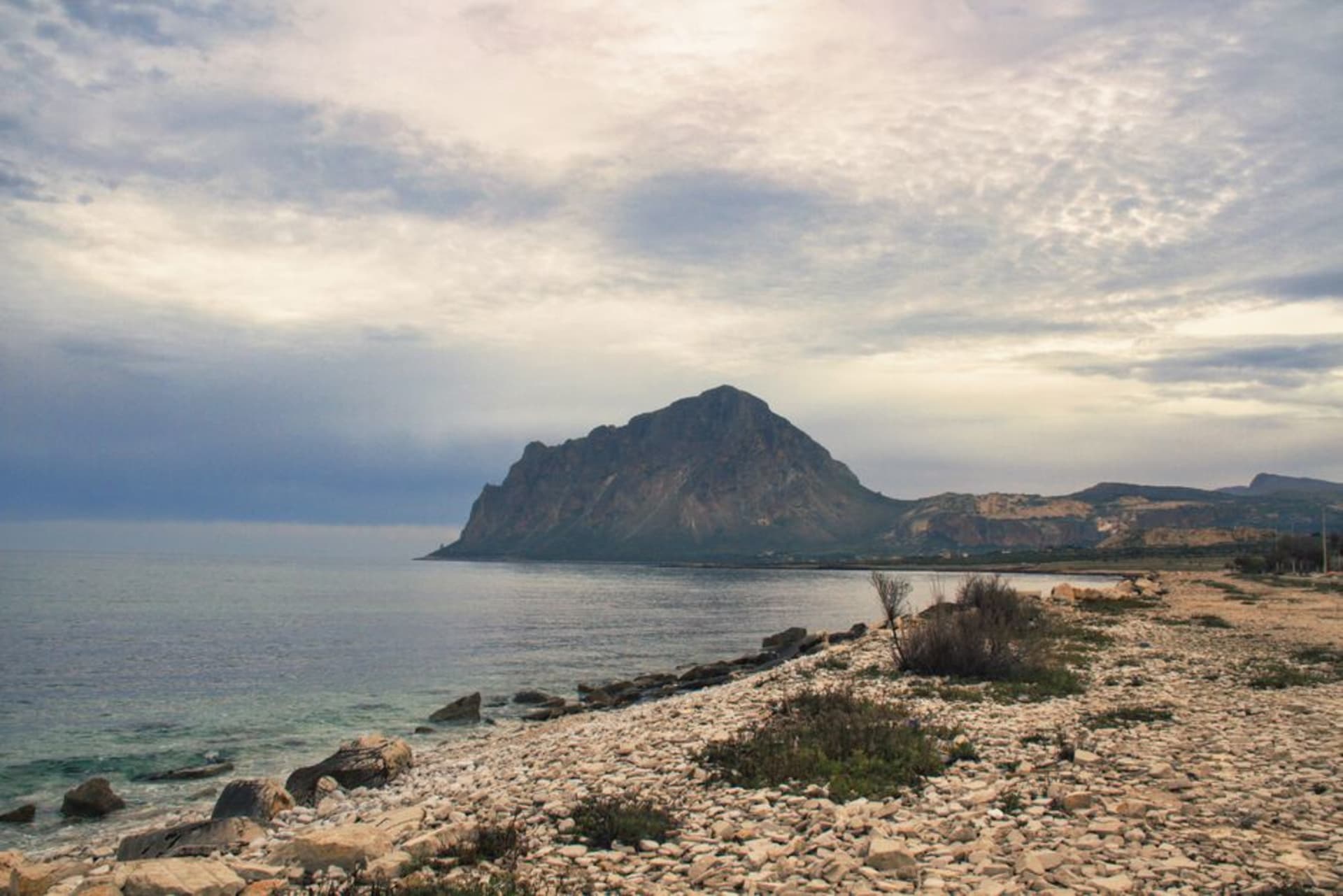
San Vito dei Normanni
"The Dolmen di Chianca is five thousand years old, sits in an unremarkable olive grove, and has no ticket booth — just a gate you push open yourself."
A modest inland town near Ostuni with a Norman castle at its centre and one of Puglia's most striking megalithic dolmens hidden in the olive groves outside it.
We ended up in San Vito dei Normanni chasing a single line I’d read in an old academic paper about megalithic monuments in southern Italy, mentioning a dolmen near the town almost in passing. The Dolmen di Chianca turned out to be one of the largest and best-preserved megalithic dolmens in Italy, a stone burial chamber assembled around 3500 to 2000 BC, and it sits — astonishingly, given its age — in the middle of a working olive grove a short drive outside town, accessible through a small gate with no staff, no signage beyond a modest plaque, and no fee.
Standing beside it, three large flat stones balanced to form a chamber taller than either of us, older than the pyramids by some estimates, with olive trees planted casually around it as if it were an outbuilding rather than one of the oldest human-made structures in the region, was a stranger feeling than most of the historical sites we’d visited in Puglia. Lia put her hand on the capstone and said it felt warmer than it should, which was almost certainly just the sun, but neither of us argued with the feeling.
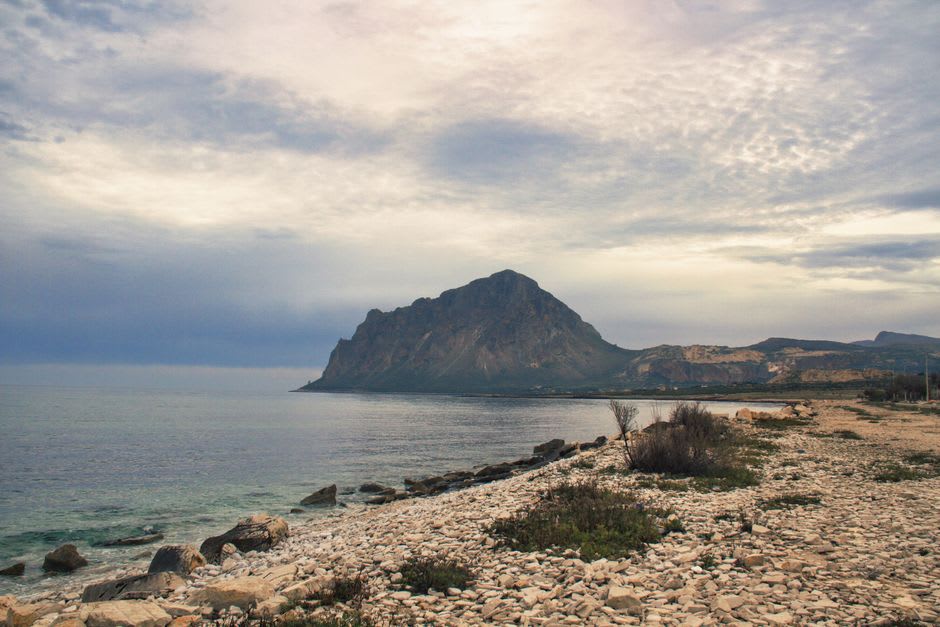
The town itself, back from the dolmen, centres on a genuinely handsome Norman castle — square, fortified, with rounded corner towers — that dominates the main piazza and gives the town its name. It has been restored well enough to host exhibitions and a small museum inside, without losing the blunt, defensive character that made it useful in the first place. We had lunch at a café across the piazza, orecchiette again, the castle walls throwing a long shadow across the tables by early afternoon, and a slow parade of locals crossing the square on errands that seemed to have no urgency at all.
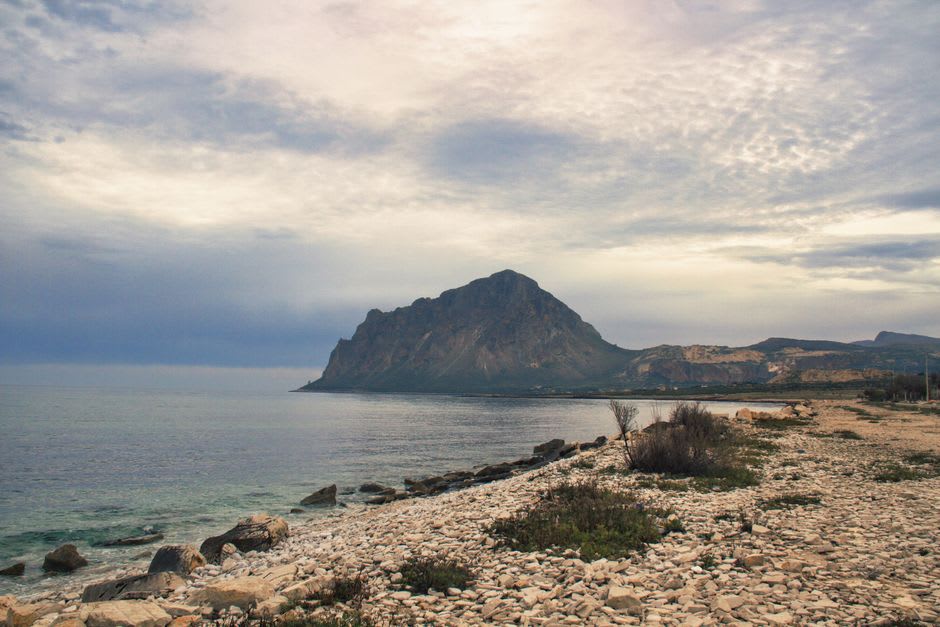
San Vito dei Normanni isn’t a destination anyone builds an itinerary around, and that’s more or less why it worked for us — a half-day detour from Ostuni that ended up containing five thousand years of history and not a single other tourist.
When to go: Any season works for the dolmen and castle, both outdoor-adjacent and low on shade — spring or early autumn mornings are most comfortable for walking out to the olive grove. Pair it as a half-day trip from Ostuni or Fasano.
Keep exploring
More from Puglia
 puglia
 Sannicandro di Bari
A modest countryside town in the Terra di Bari with a moated Swabian castle at its heart, surrounded by vineyards and the working masserie of the surrounding plain.
Explore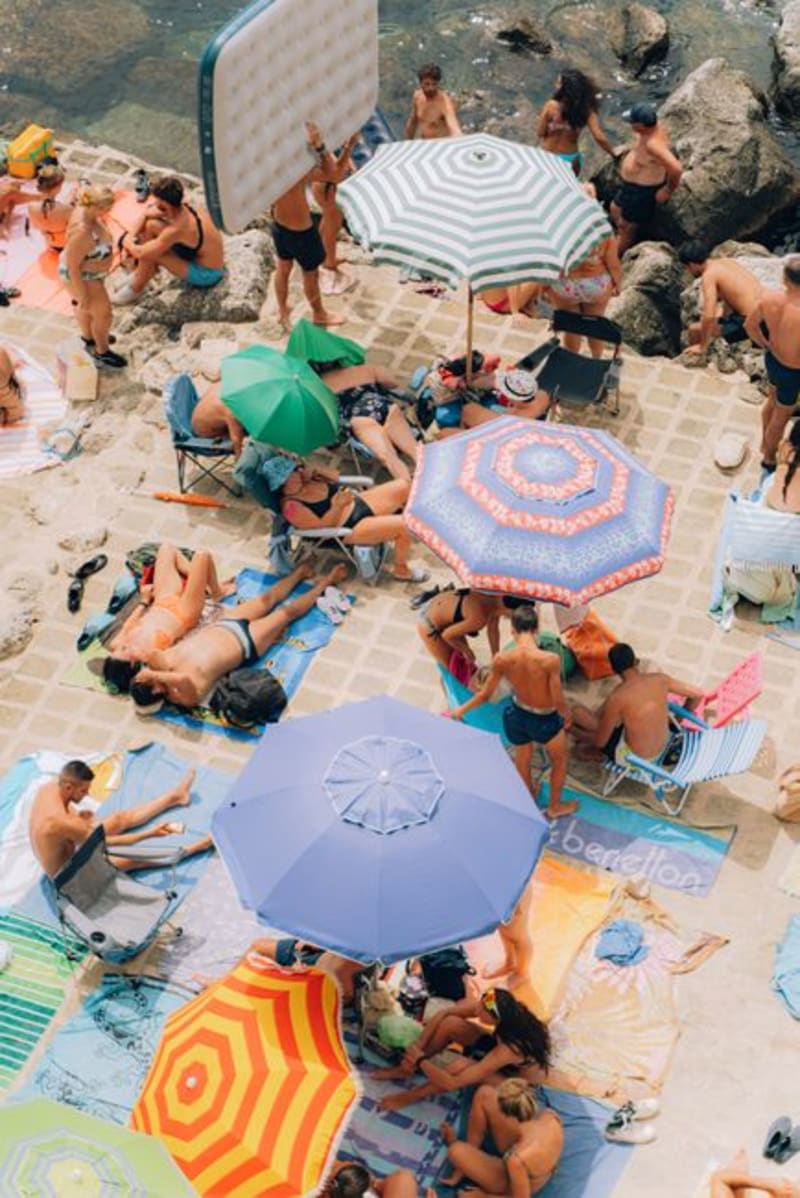 puglia
 Santa Cesarea Terme
A thermal spa town built above sulphur caves on Salento's Adriatic cliffs, where the sea itself steams faintly and the architecture went unapologetically Moorish.
Explore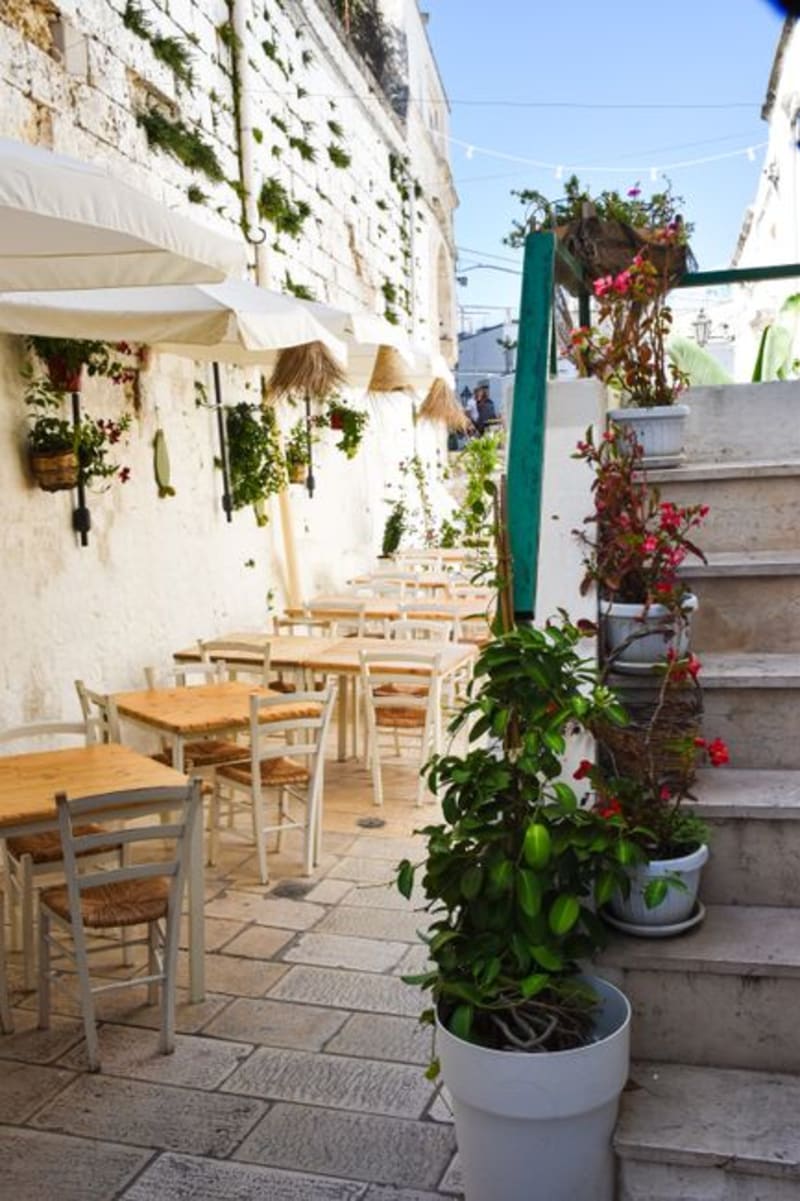 puglia
 Santa Maria al Bagno
A quiet Ionian marina near Nardò with pastel villas, a small rocky harbour, and a set of murals telling a Jewish refugee story most visitors to this coast never hear.
Explore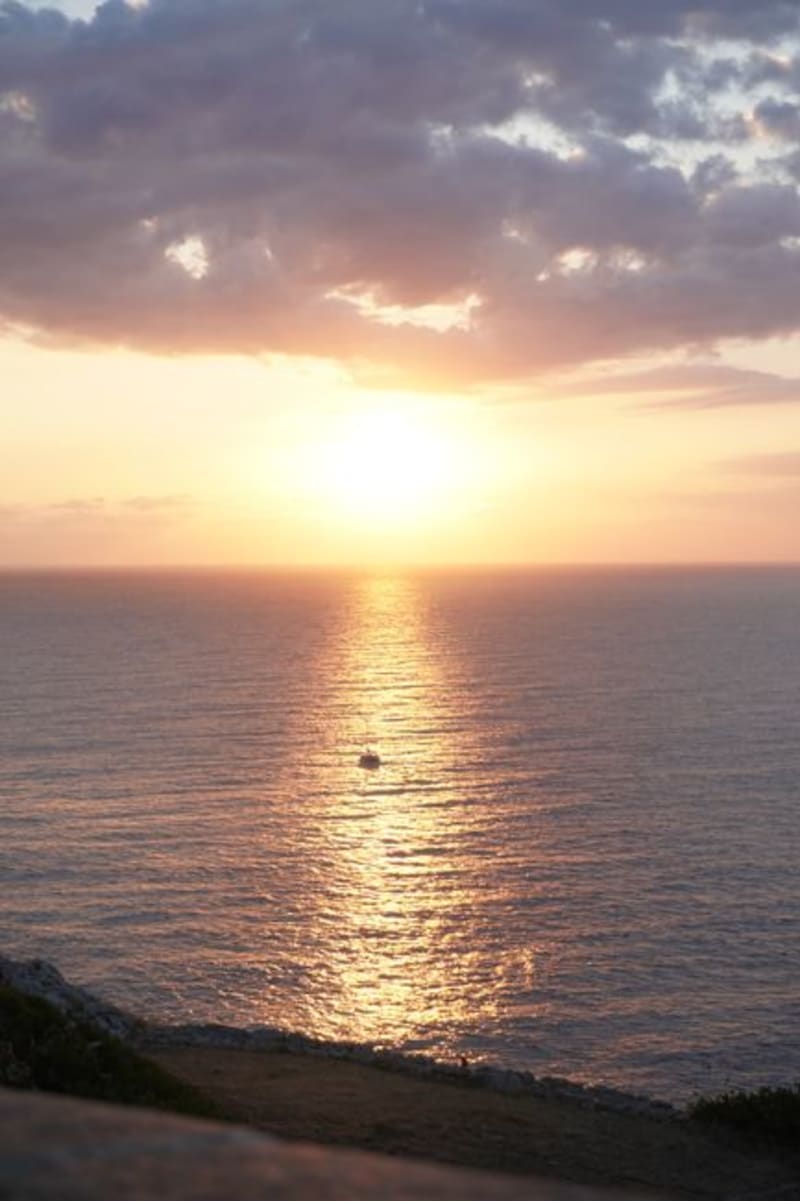 puglia
 Santa Maria di Leuca
The literal end of Italy, where the Adriatic and Ionian seas meet beneath a lighthouse and a sanctuary, and the road simply stops.
Explore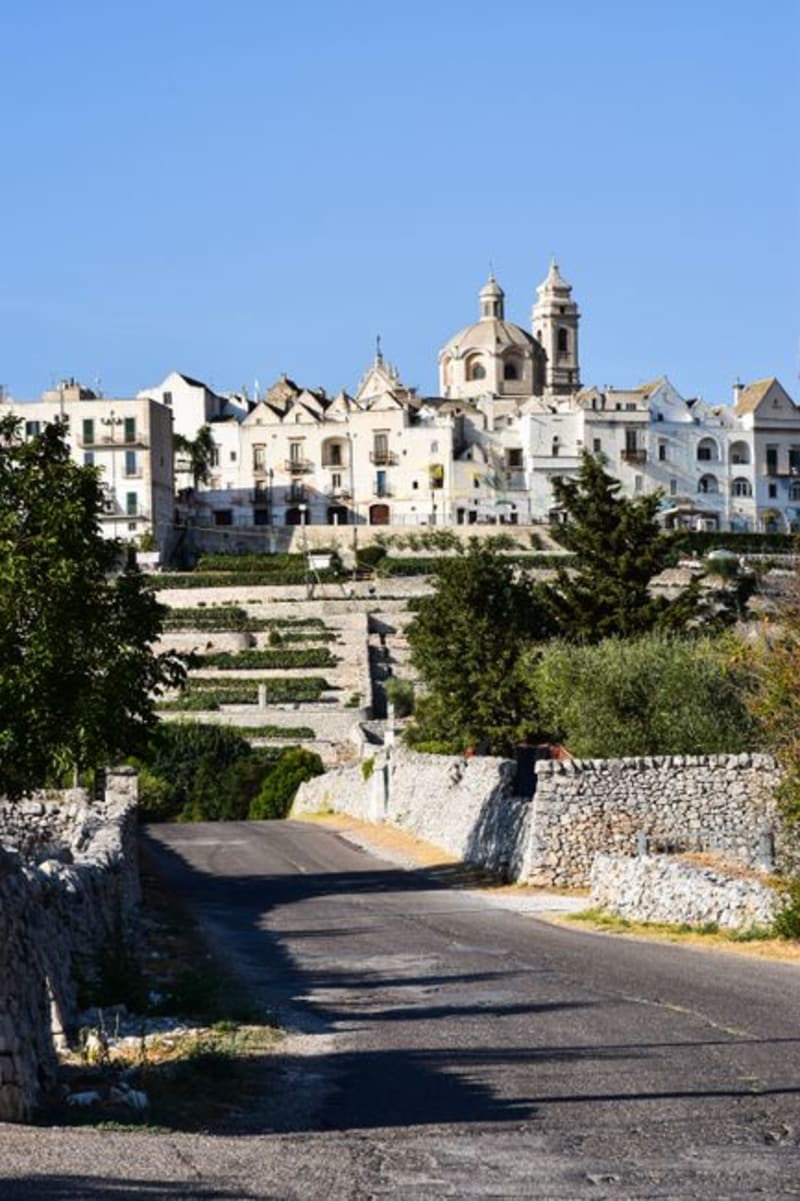 puglia
 Santeramo in Colle
A high Murgia countryside town known for its bread and pasta-making tradition, ringed by wheat fields, drystone walls, and masserie that have shifted from sheep farming to agritourism.
Explore puglia
 Saturo
A quiet stretch of the Ionian coast near Leporano where Greek colonists first landed millennia before Taranto existed, and the ruins now sit yards from a public beach.
Explore