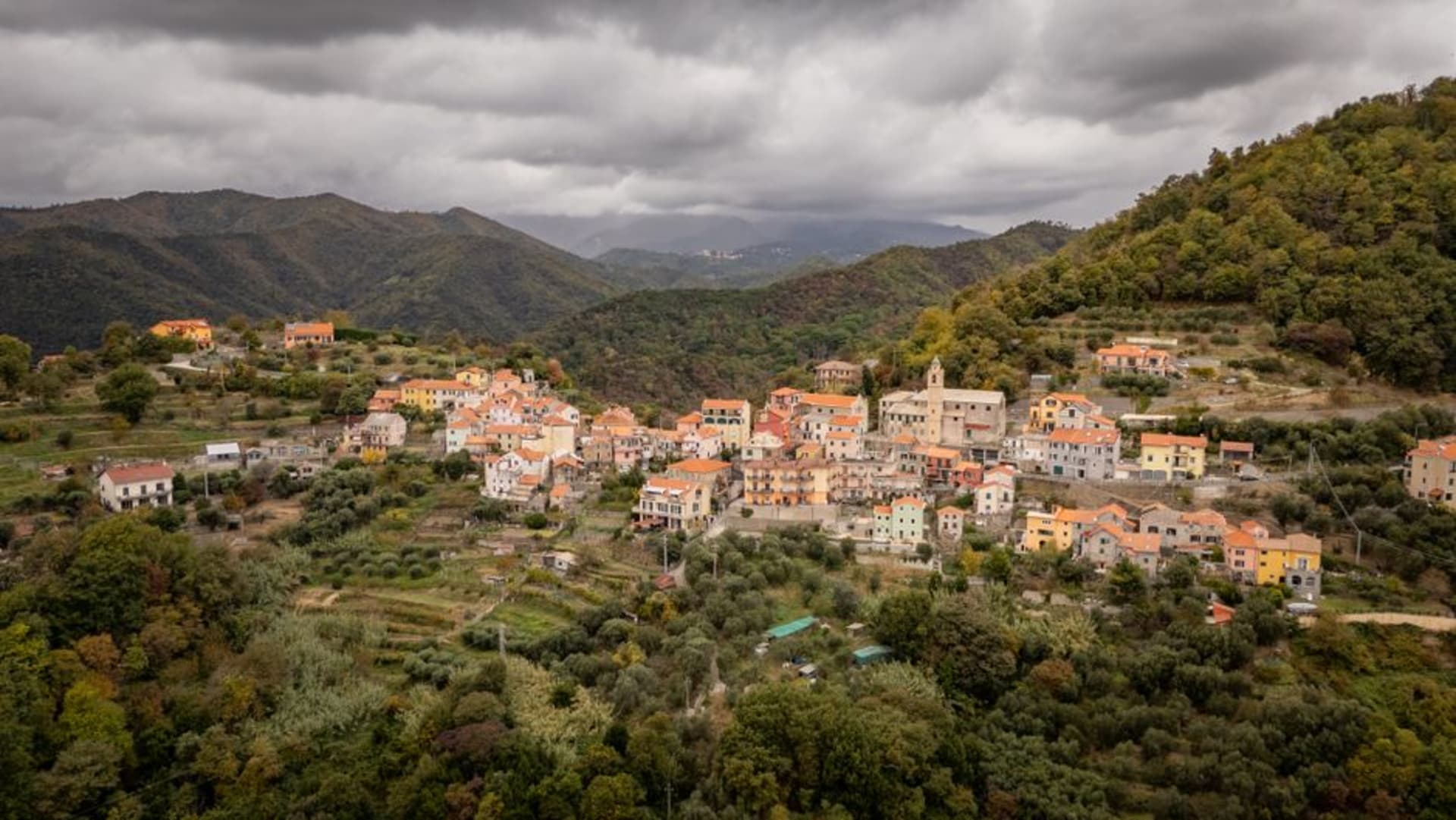
San Marzano di San Giuseppe
"In San Marzano di San Giuseppe the wine labels are Italian but the church liturgy is still partly Albanian — this is a stranger, richer Puglia than the postcards show."
An Arbëreshë town founded by Albanian refugees, now home to one of Puglia's most respected Primitivo cooperatives and a wine culture with a foreign accent.
I did not expect to hear Albanian in a Puglia wine town, and I certainly did not expect to hear it inside a Byzantine-rite Catholic church, but San Marzano di San Giuseppe is one of a handful of Arbëreshë communities scattered across southern Italy, founded by Albanian refugees fleeing Ottoman expansion in the fifteenth century and still holding onto a distinct language, liturgy, and identity more than five hundred years later. The parish priest, after a Sunday service conducted partly in Arbëreshë, told us with obvious pride that the community had kept its own customs largely intact even as it became, in every practical sense, thoroughly Pugliese.
That fusion shows up most clearly in the wine. San Marzano’s cooperative winery is one of the most respected Primitivo producers in the region, working vineyards planted on the same red clay and limestone that runs through Manduria a few kilometres away, but with a house style that leans slightly more restrained — fruit-forward without tipping into the jammy density some Primitivo can reach in a hot vintage. We tasted a range at the cooperative’s tasting room, starting with an easy-drinking rosato and working up to a riserva aged in oak that a young winemaker, trained partly abroad and back home to modernise the family cooperative, described as an attempt to show international markets that Primitivo could be structured and age-worthy rather than just big and simple.
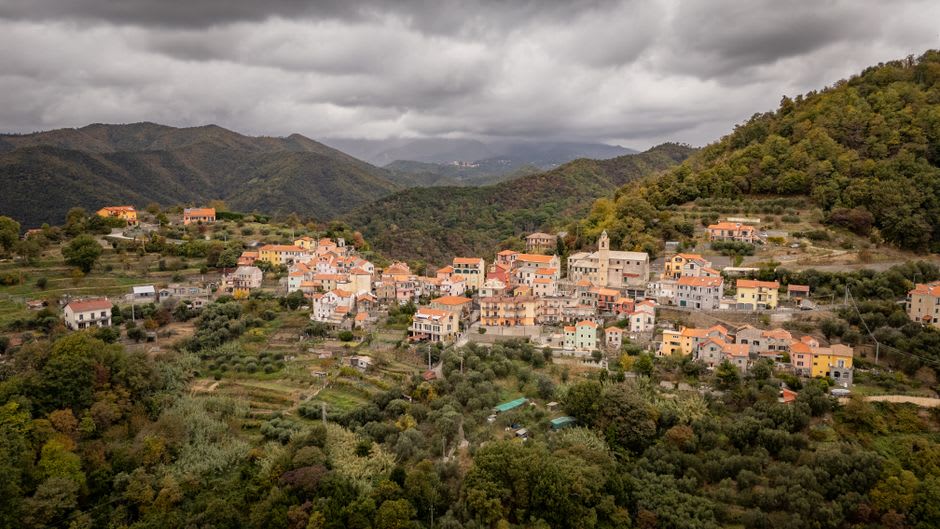
The town’s centro storico carries physical traces of its Albanian founding too, though subtler than I expected — a memorial plaque, street names, an icon inside the church rendered in a style closer to Orthodox iconography than the Baroque saints found in most Salento churches. We wandered it on a quiet weekday afternoon, past a bakery selling a version of taralli that the owner insisted used a recipe passed down through Arbëreshë families rather than the standard Pugliese version, though to my untrained palate the difference was subtle at best.
Lia, whose own family history includes displacement across borders, found the town more moving than I initially did — the idea that a community could hold onto its language and its liturgy for half a millennium while also fully becoming part of the place that took it in, expressed even in something as ordinary as a bottle of wine sold under an Italian appellation but made by people who still, on Sundays, pray in a language older than the vines.
When to go: September for the harvest at the cooperative winery. The town’s Arbëreshë religious festivals, held at various points through the year, are worth checking ahead for if that history particularly interests you.