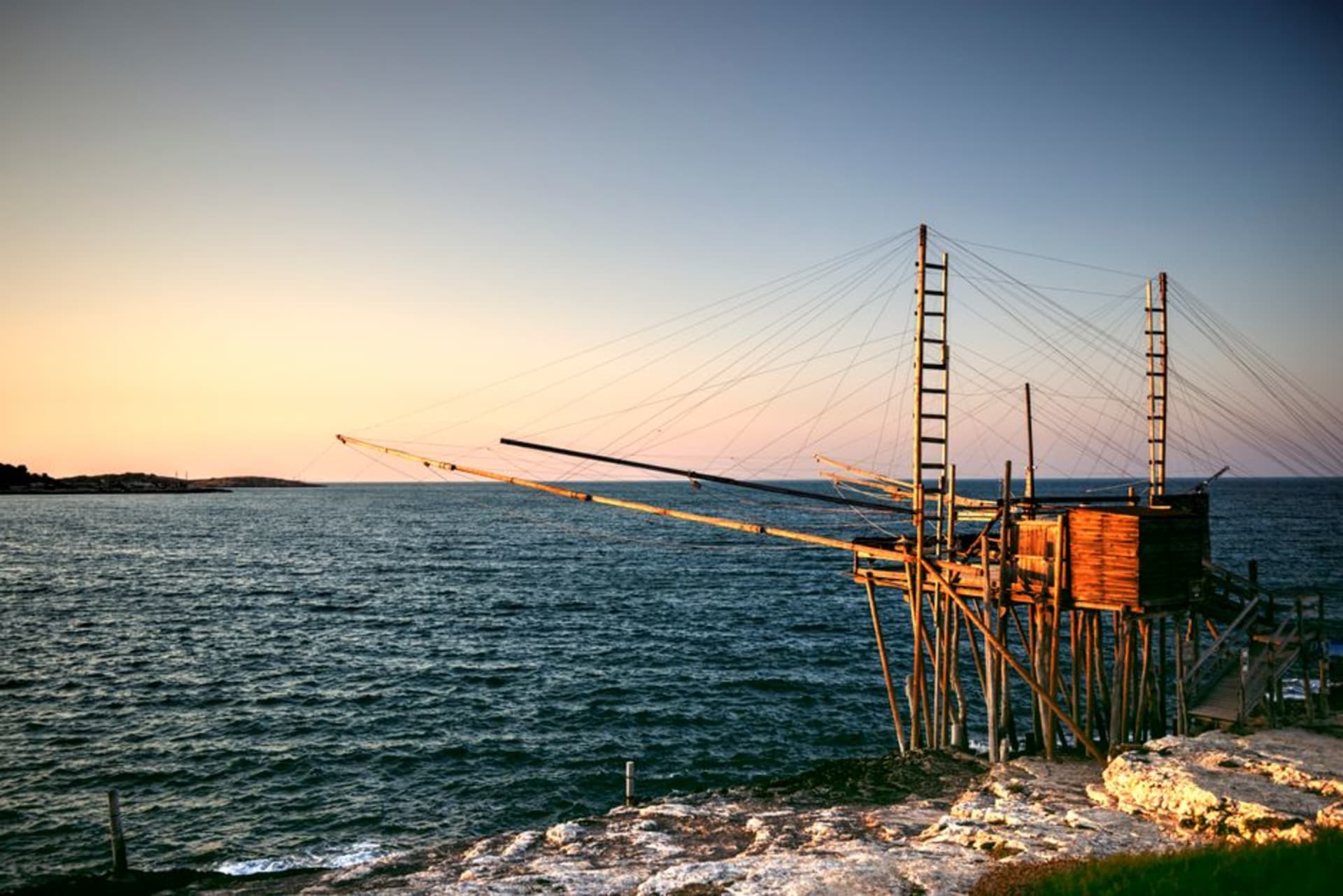
San Giovanni Rotondo
"Whatever you believe, San Giovanni Rotondo asks you to sit with the fact that millions of people believe something with total conviction."
A pilgrimage town built around the friary of Padre Pio, where a modern Renzo Piano church shares the hillside with the humble cell where the saint lived and bled for fifty years.
I’m not a religious person, and I want to be upfront about that before describing San Giovanni Rotondo, because I went in expecting to feel like a tourist at someone else’s ceremony and came away with something closer to respect. This is one of the most visited pilgrimage sites in the Catholic world — more annual visitors than Assisi, some years more than Lourdes — built entirely around Padre Pio, the Capuchin friar who lived here for over fifty years, reportedly bore the stigmata, and died in 1968 having become, in the decades since, one of modern Italy’s most fervently venerated saints.
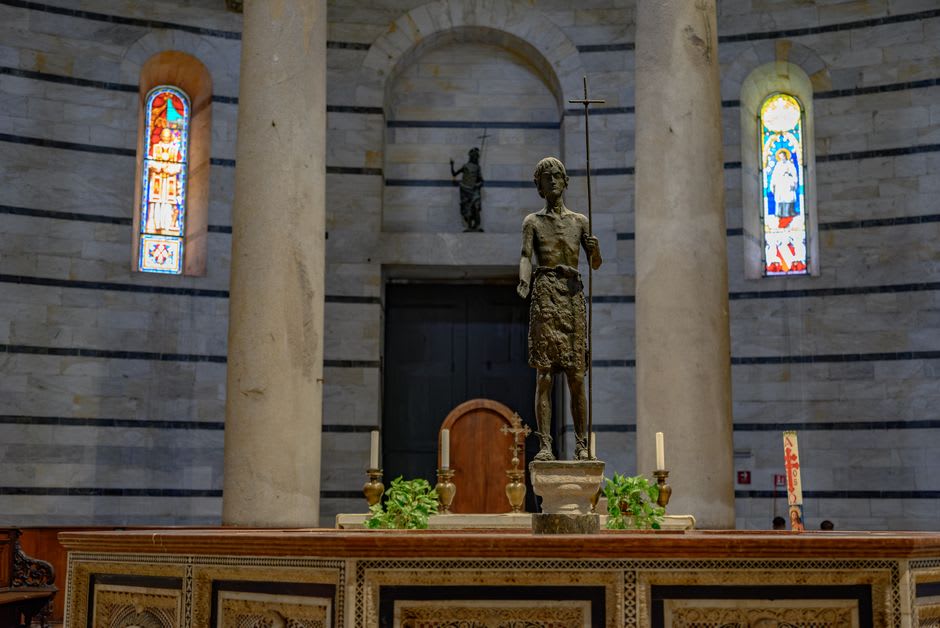
The old church, small and Baroque and dim, sits beside Renzo Piano’s enormous new pilgrimage church completed in 2004 — a sweeping fan of golden stone arches that can hold seven thousand people, engineered specifically to manage crowds on the scale this town regularly receives. Walking between the two buildings, ancient devotion and contemporary architecture separated by fifty meters of piazza, tells you almost everything about how this cult of personality scaled from a rural friary to a global pilgrimage industry within a single lifetime.
Lia and I joined the queue into the crypt beneath the old church, where Padre Pio’s body lies in a glass tomb, and I found myself unexpectedly moved — not by belief, which I don’t have, but by the density of feeling in the room: elderly Italian women weeping quietly, a family from the Philippines who had clearly saved for years to make this trip, a busload of Polish pilgrims singing softly in the queue behind us. Whatever is or isn’t true about the miracles, the town holds something real for the people who come.
Above the church, the friary cell where Padre Pio lived is preserved much as it was — spare, narrow, a single window looking out over the Gargano foothills he apparently rarely left in fifty years. The Casa Sollievo della Sofferenza, the hospital he founded, still operates as one of southern Italy’s major medical centers, funded originally by donations from pilgrims and still, in its way, part of the same story.
We ate afterward at a simple trattoria full of pilgrim groups rather than tourists — hearty, plain Pugliese cooking, a lot of lamb given the town’s position at the edge of the Gargano’s pastoral hill country — and I left thinking less about religion specifically than about how much San Giovanni Rotondo had rearranged my sense of what devotion looks like at scale.
When to go: Late September, around the anniversary of Padre Pio’s death, brings the largest and most intense crowds — remarkable to witness but not restful. For a calmer visit, aim for spring or early autumn on an ordinary weekday, when the crowds thin and the town’s own quiet, mountain-edge character comes through.