Ruvo di Puglia
"Ruvo di Puglia produced some of the finest painted vases in the ancient Mediterranean and almost nobody outside archaeology circles has heard of it."
A quiet Murge hill town famous for the red-figure vases its ancient necropolis produced by the thousand, and a cathedral rose window that outclasses towns ten times its size.
I went to Ruvo di Puglia for a museum, which is not usually how I choose where to spend an afternoon, but the Museo Archeologico Nazionale Jatta had been recommended twice by people whose taste I trust, and I’m glad I listened. This small hill town in the Murge, inland from Bitonto and Molfetta, sat atop one of the richest archaeological sites in southern Italy — an ancient Peucetian and later Hellenized settlement whose necropolis has yielded thousands of extraordinary painted vases, many of them red-figure ceramics imported from or inspired by Attic Greece, dating from the sixth to the third century BC.
The Palazzo Jatta, a private nineteenth-century collection now a national museum, holds the best of what was found, including the Talos Vase — a large krater depicting the bronze giant Talos from Greek mythology, considered one of the finest examples of Apulian red-figure pottery anywhere. Standing in front of glass cases of vases this old, this intact, this beautifully painted, in a town of barely 25,000 people with no tour buses outside, gave me the same feeling I get in the better rooms of much larger, more famous museums — except here I could stand as close as I wanted for as long as I wanted without anyone behind me waiting their turn.
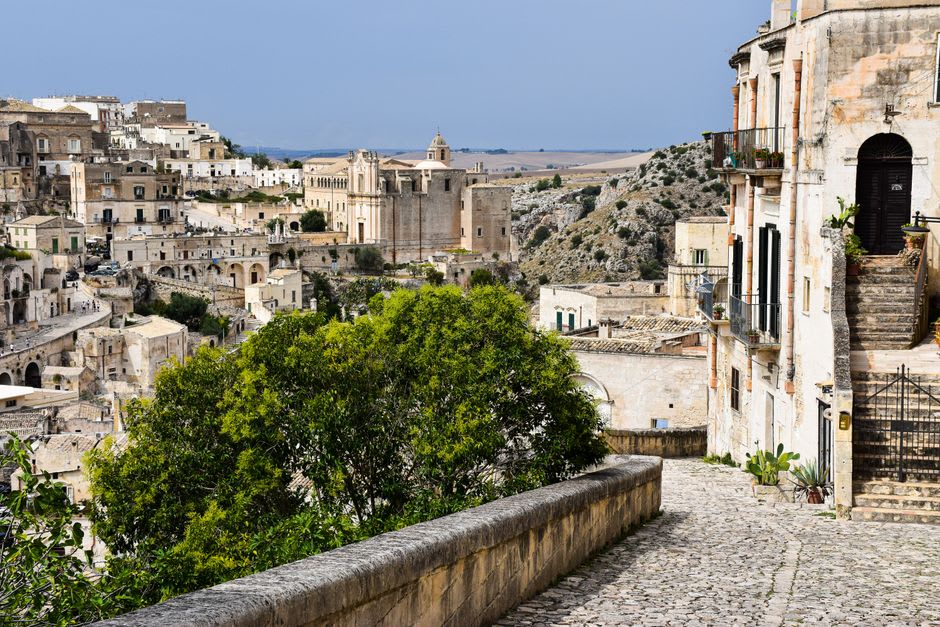
Above ground, the Cattedrale di Santa Maria Assunta is another of the region’s Apulian-Romanesque cathedrals, and its rose window — tall, deeply recessed, framed by an elaborate carved arch of interlaced patterns — is genuinely one of the best I saw anywhere in Puglia, cathedral towns twice its size included. I walked the old center around it in the early evening, the streets narrow and largely empty, stopping at a small enoteca where the owner poured me a glass of a local Nero di Troia, a grape variety I associate specifically with this stretch of the Murge, dense and a little rustic, and talked to me for twenty minutes about the vases in the museum with more enthusiasm than most professional guides manage.
The town’s economy today runs mostly on olive oil and wine rather than tourism, and it shows in the pace of the place — shops close for the full riposo, cafes are patronized almost entirely by locals, and the main square fills up only in the evening, when the whole town seems to walk out simultaneously for the passeggiata. I sat on a low wall near the cathedral watching families and old couples circle the piazza and felt, again, that particular pleasure of finding a place that has not yet organized itself around visitors.
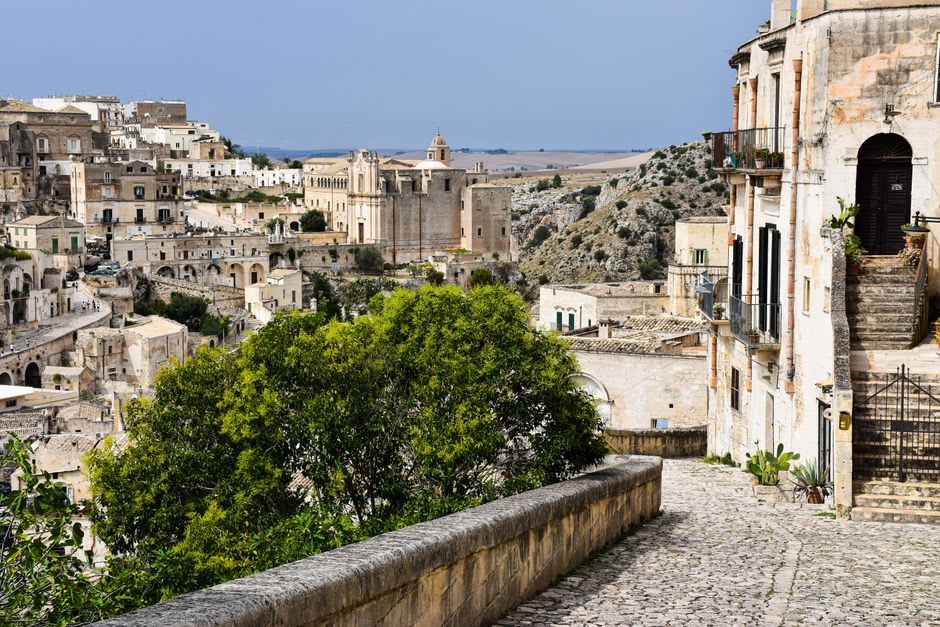
When to go: Spring and autumn for comfortable walking weather and the best light on the cathedral’s carved stone. The museum is a year-round draw regardless of season, and being indoors makes Ruvo a reasonable stop even in the height of summer heat.
Keep exploring
More from Puglia
 puglia
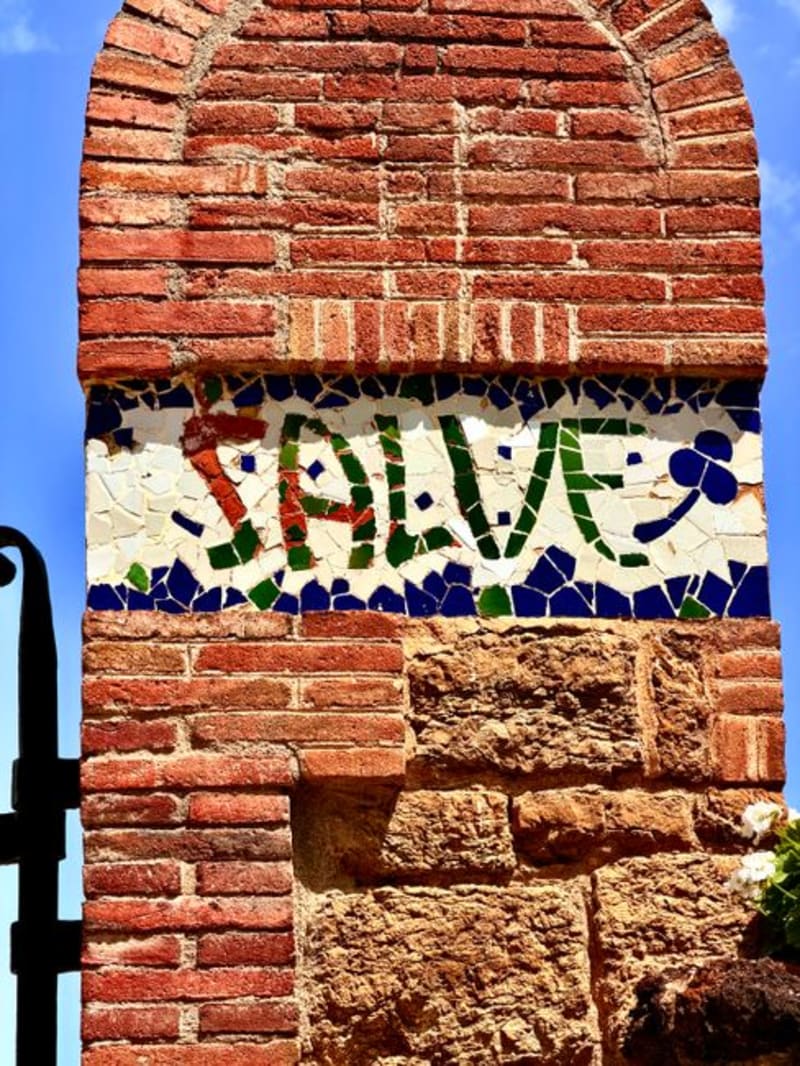
 Salve
A small inland Salento town whose territory reaches the Ionian at Pescoluse and Torre Pali, offering a quieter home base than the coast itself.
Explore puglia
 Sammichele di Bari
A small fortified countryside town on the edge of the Murgia plateau, known for its Baroque gate, its capocollo cured meat, and the quiet farmland that surrounds it on every side.
Explore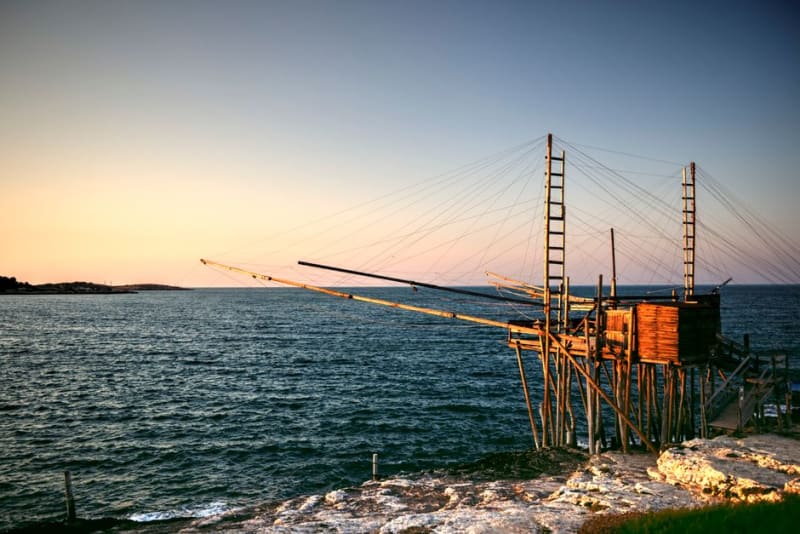 puglia
 San Foca
A small Adriatic fishing marina near Melendugno that turns into one of Salento's most relaxed summer bases, with cliffside swimming spots just up the coast.
Explore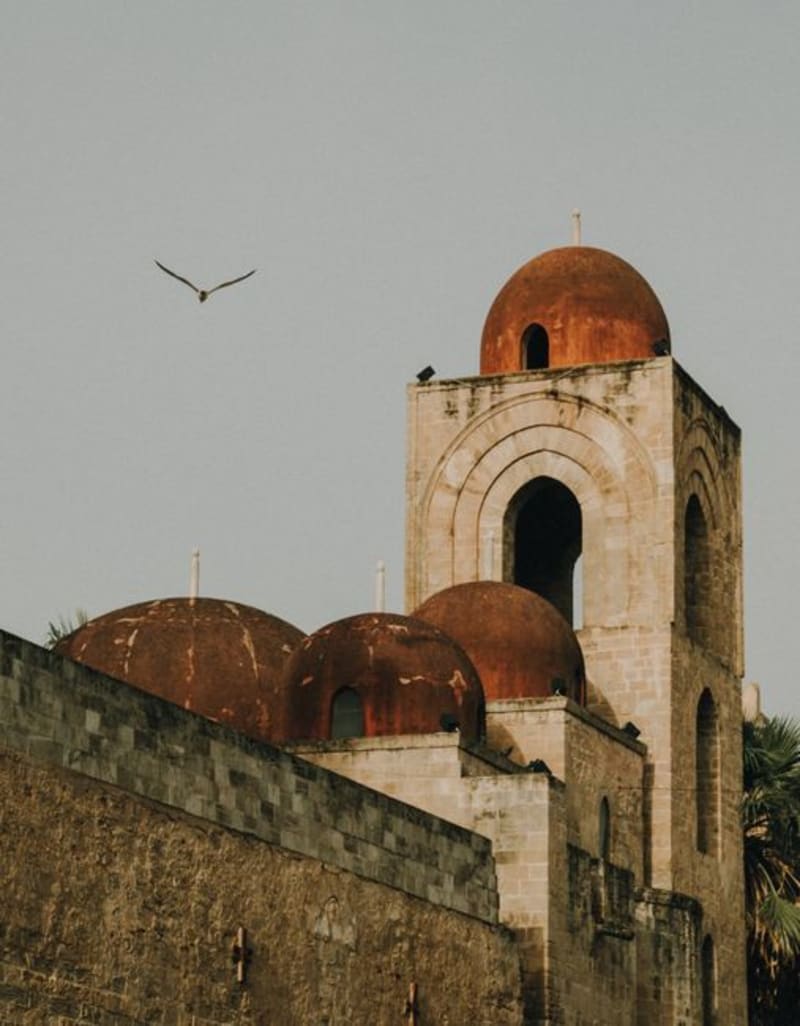 puglia
 San Giovanni Rotondo
A pilgrimage town built around the friary of Padre Pio, where a modern Renzo Piano church shares the hillside with the humble cell where the saint lived and bled for fifty years.
Explore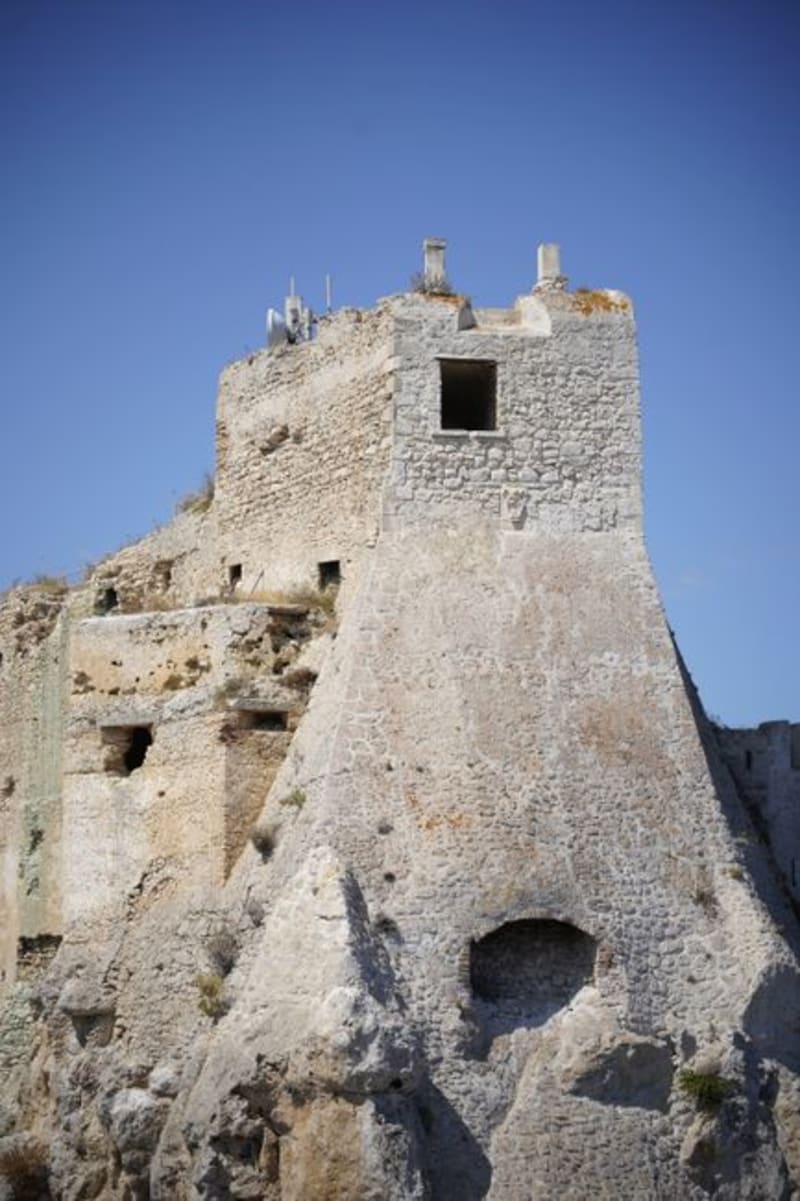 puglia
 San Marzano di San Giuseppe
An Arbëreshë town founded by Albanian refugees, now home to one of Puglia's most respected Primitivo cooperatives and a wine culture with a foreign accent.
Explore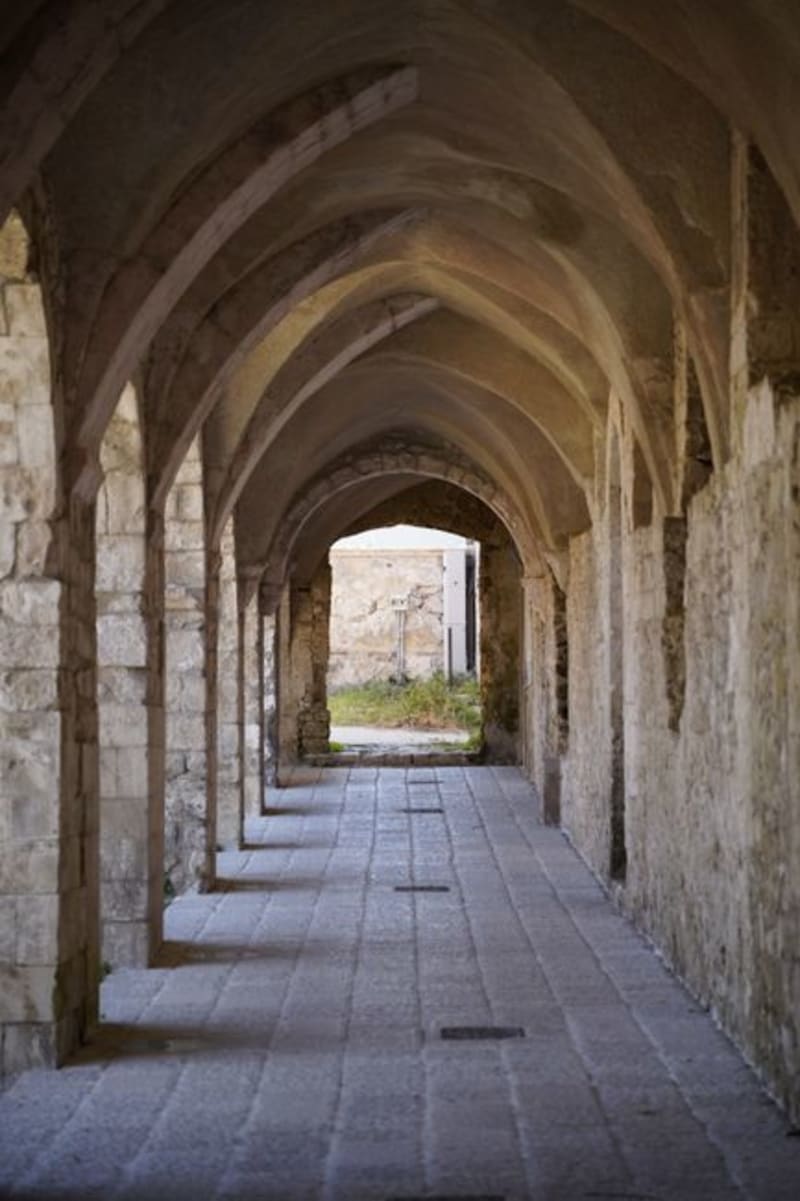 puglia
 San Severo
The unglamorous capital of Puglia's largest wine-producing zone, on the flat Tavoliere plain, where the cantine outnumber the tourists by a wide margin.
Explore