Rutigliano
"Rutigliano makes whistles shaped like roosters and has done for eight hundred years — nobody there thinks this needs an explanation, and after a day in town, neither do I."
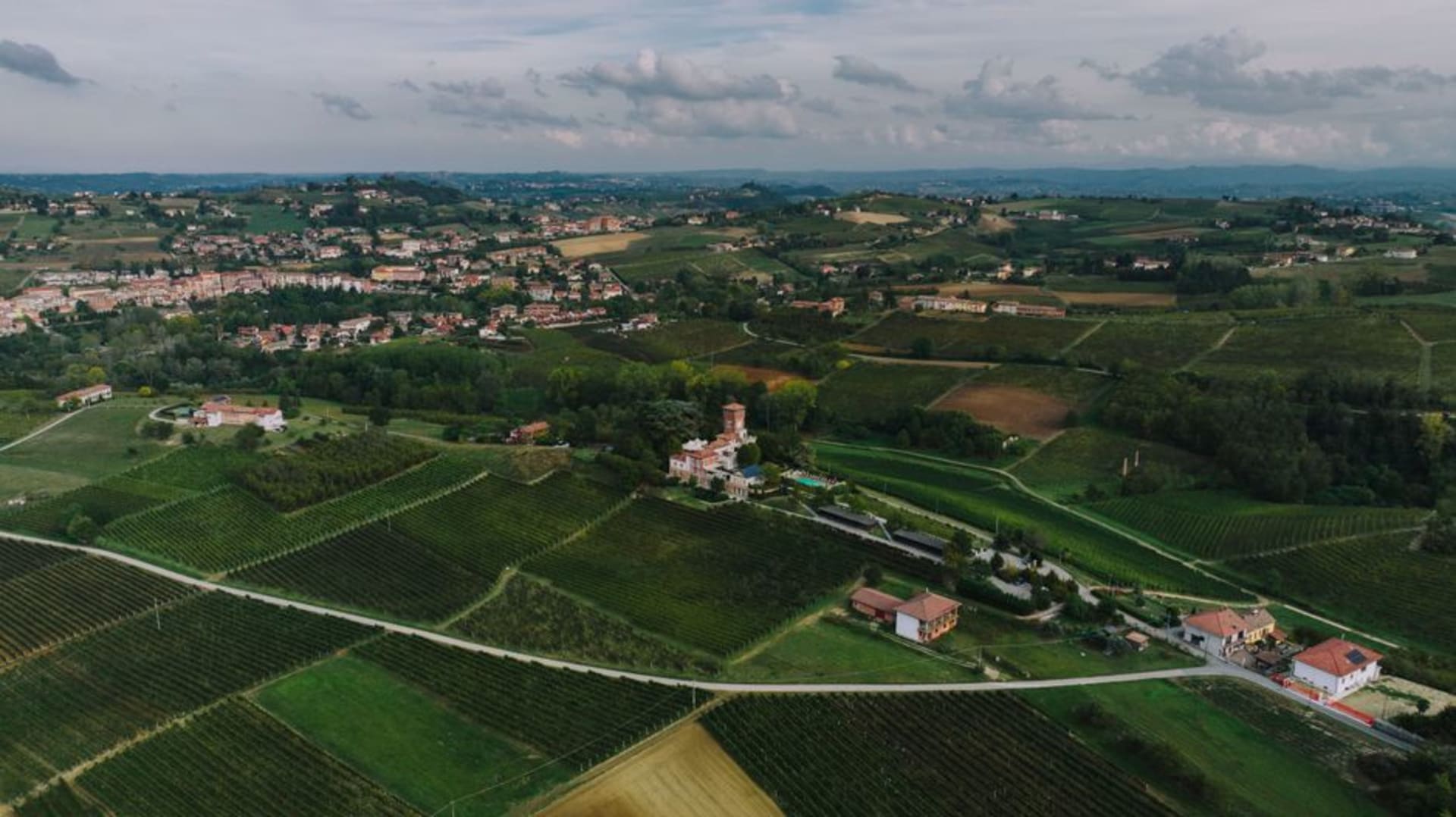
A Terra di Bari countryside town famous for its terracotta whistles and ceramics tradition, surrounded by vineyards and almond groves that come alive every August for the harvest festival.
I’ll admit the whistles are what got us there. Somewhere in my scattered research on Puglia’s smaller towns I read that Rutigliano has been producing terracotta fischietti — whistles, usually shaped like roosters — since the medieval period, an entire town’s minor economy built around a single, oddly specific craft, and I could not let that pass without investigating. Lia thought this was a strange reason to drive forty minutes inland. She came anyway.
The town sits in the middle of the Terra di Bari’s vineyard and almond country, a compact historic center of pale stone streets that opens, without much warning, into workshops where you can watch the whistles being made — a lump of clay worked on a small wheel, pinched into the rough shape of a bird, a reed inserted before firing to give it its voice. We bought four, in varying and unnecessary sizes, from a workshop run by a family who have apparently been doing this since well before Italy was a unified country. The eldest son demonstrated a dozen different pitches with what I can only describe as professional pride.
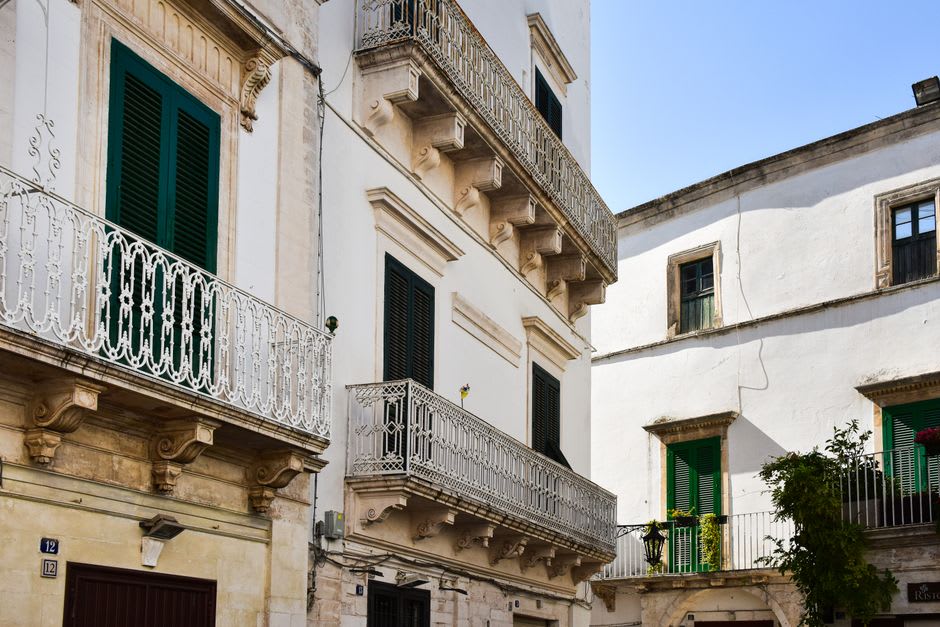
Beyond the ceramics, Rutigliano is a genuinely pleasant small town to wander — a handful of Baroque churches, a market square shaded by plane trees, and countryside on every side given over to vines and almond trees that turn the surrounding hills a soft pink in February. We stopped at a masseria on the edge of town for lunch, one of those working farms that has added a few tables without pretending to be anything other than what it is, and ate a lentil and chicory soup thick enough to stand a spoon in, alongside bread baked that morning in a wood oven visible through a doorway behind the kitchen.

If you time it right, the town holds a whistle festival every August — the Fischietto d’Oro — with competitions for the best-made and best-played pieces, brass bands, and a crowd far larger than a town this size should logically produce. We missed it by a few weeks and I have regretted it since, mostly because Lia will not let me forget that I dragged her forty minutes inland for whistles and then failed to time the one event that made the whole thing make sense.
When to go: Late August for the Fischietto d’Oro festival if you can manage it. Otherwise, April through June for the almond and vineyard countryside at its greenest, with the town itself quiet enough to enjoy at any time of year.